Fix Forgot MacBook Password and Reset Mac Password
| Workable Solutions | Step-by-step Troubleshooting |
|---|---|
| 1. Reset Mac Password by Apple ID | Restart your MacBook > Enter an incorrect password three times > Click "Reset it using your Apple ID."...Full steps |
| 2. Reset Password by Recovery Key | Activate the Recovery Mode > Go to Disk Utility > Continue > Utilities Terminal...Full steps |
"I have changed my MacBook Air password in the morning. Now, I am trying to log in, but the password does not match. I don't know what went wrong. I am not good with passwords and I think I have forgotten my MacBook Air password. I have to submit my class assignment and the deadline is today, I am too stressed, please help me to reset my Mac's password! Thanks." – User on the internet.
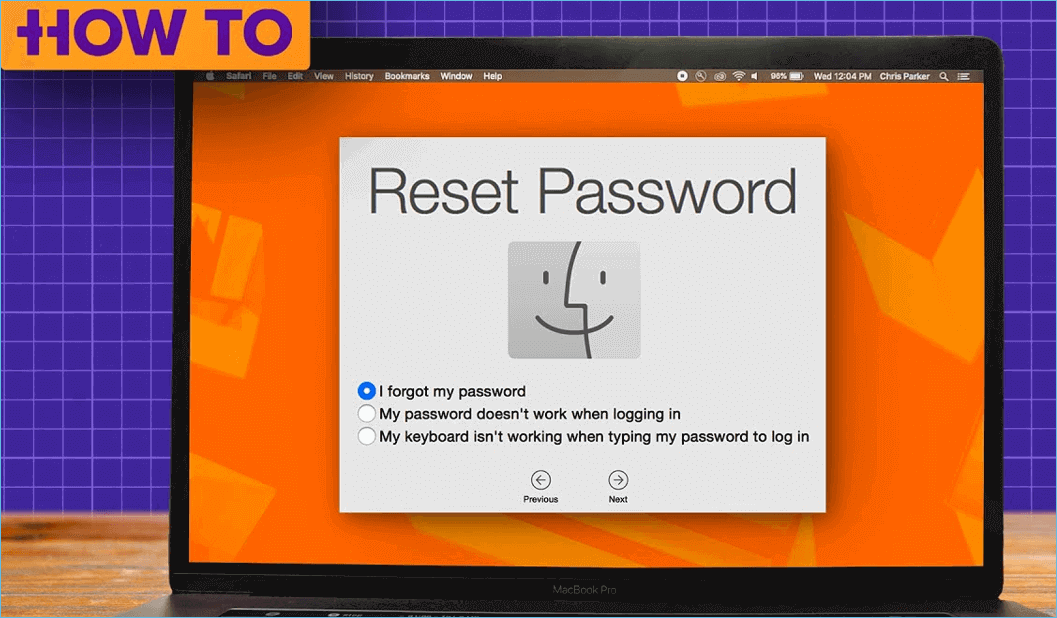
Losing or forgetting your Mac password can be a stressful experience, but there's no need to panic. If you've forgotten your password, you can easily reset it on your MacBook Pro or Air, making it a relatively straightforward process to regain access to your device.
Our article provides two straightforward methods to reset your password. The first method utilizes your Apple ID, while the second method employs your Recovery key. We'll delve into each method in more detail below.
How to Reset MacBook Pro/Air Password
To reset your MacBook Pro/Air password, you can use either the built-in Recovery Mode or the Apple ID login method. To use Recovery Mode, restart your MacBook and immediately hold down the power button until the Apple logo appears. Release the power button and let the MacBook boot into Recovery Mode.
Method 1. Reset MacBook Pro/Air Password using Apple ID
To reset your MacBook Pro/Air password, the most straightforward way is to use your Apple ID. Follow the steps below:
Note: To reset the password using Apple ID, you need to enable the option in System Preferences, specifically in the "Users & Groups" section, where you can allow users to reset their password using their Apple ID.
Step 1. Restart your MacBook.
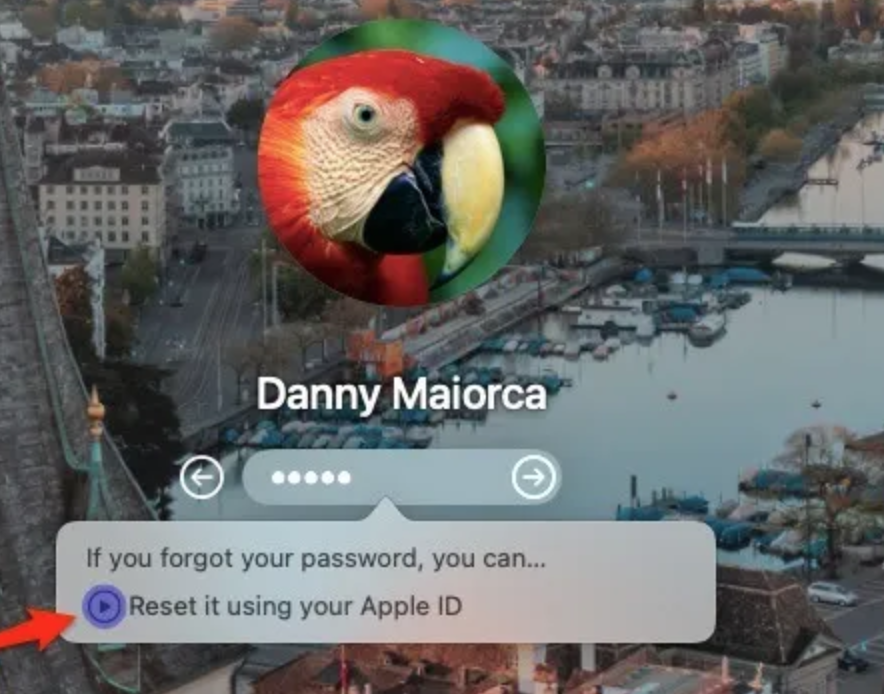
Step 2. After seeing the login screen, enter an incorrect password three times, which will trigger a lockout feature, preventing further login attempts until a certain amount of time has passed, such as 30 minutes. This is a security measure to prevent brute-force attacks.
After entering an invalid password, a message box will appear with an option to "Reset it using your Apple ID". Click on that option.
Step 3. Enter your Apple ID and password in the pop-up, then click the "Reset Password" button.
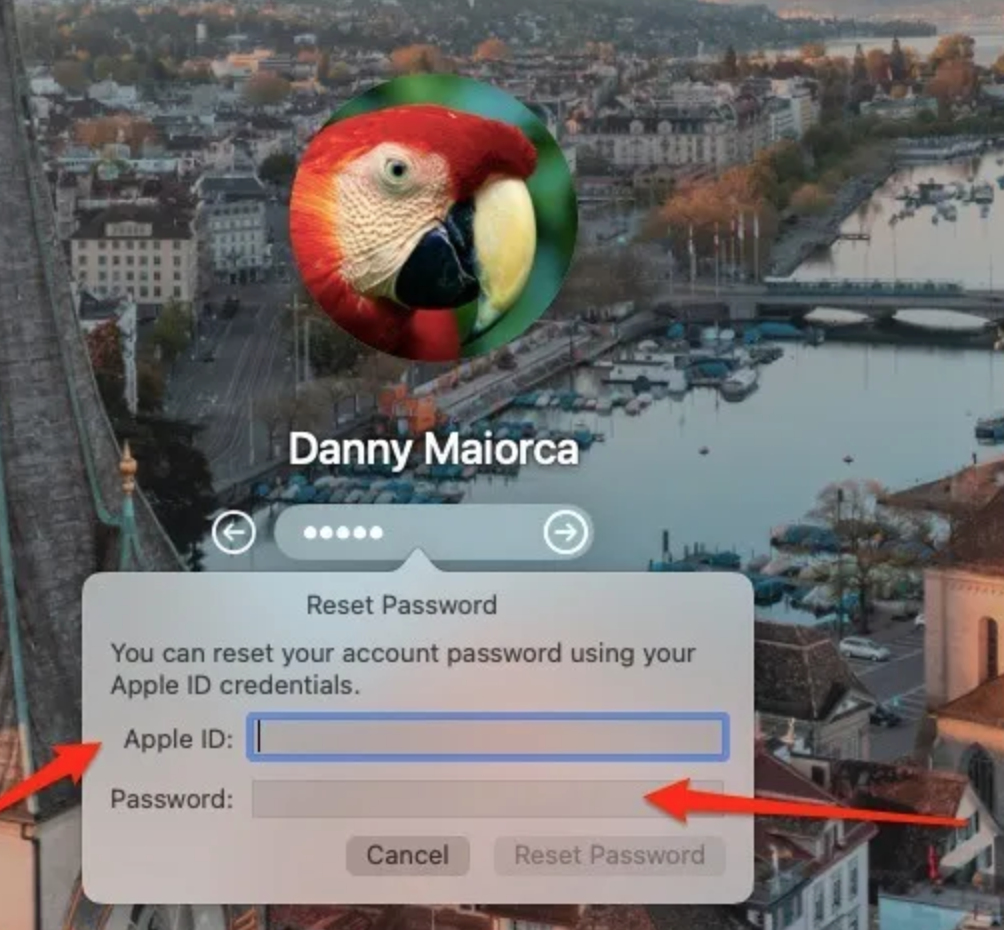
Enter the correct Apple ID details, and your system will reboot with a Recovery Assistant. A window will appear, asking you to enter a new password for your Mac. Enter your new password and click the Next button.
To reset your MacBook Pro/Air password, start by clicking on the Apple logo in the top left corner and selecting "System Preferences." From there, click on "Users & Groups" and select your username.
Method 2. Reset MacBook Pro/Air Password using Recovery Key
You can also reset your MacBook's Pro/Air password using Recovery Mode. To do this, follow these steps:
Step 1. Activate the Recovery Mode
To activate recovery mode on your Mac, restart it and hold the power button, Command Key, and R simultaneously until the loading bar appears on the screen. This will initiate the recovery mode.
Step 2. Once your Mac boots to Recovery Mode, go to Disk Utility and then click Continue, after which you will be taken to the Utilities Terminal.
Step 3. Type the "resetpassword" command in the terminal and hit the Enter key.
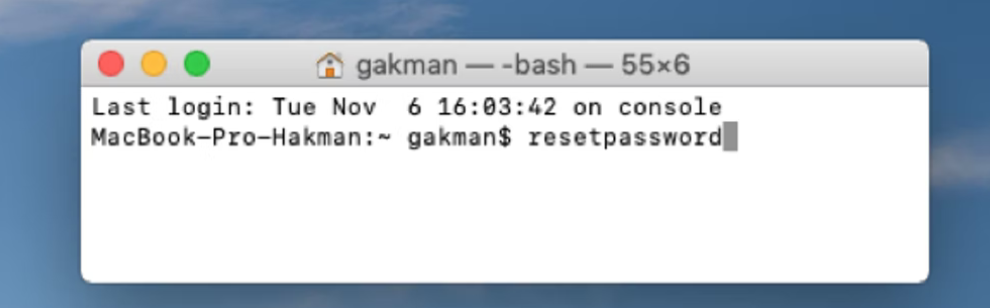
After hitting the enter key, choose your Mac's hard drive to reset the password for your existing account. Then, restart your Mac and begin using it with your new password.
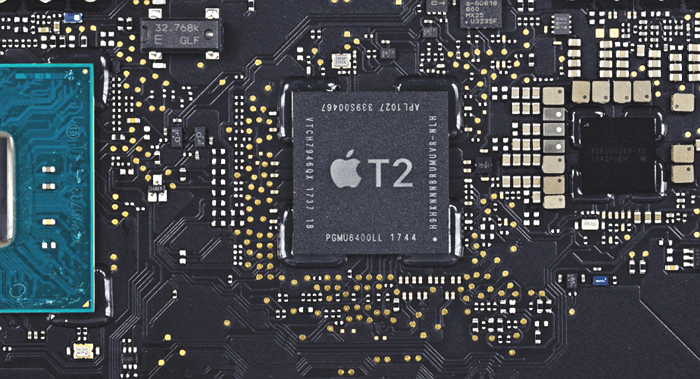
The best data recovery solutions for Macs with T2 chips in 2022 include Disk Drill, Deep Data Recovery Wizard, and Stellar Data Recovery. These software solutions are designed to recover lost data from Macs with the T2 chip, which can be challenging due to its advanced security features.
As Apple's T2 Chip ensures the security of your new Mac computers, Qiling data recovery software and other reliable solutions are available to safeguard your Mac data.
Bonus tips: Avoid Losing Mac Password Again
To prevent losing your MacBook's password, consider using a password manager to securely store and generate unique passwords for all of your accounts, including your MacBook login. Enable two-factor authentication (2FA) to add an extra layer of security and make it more difficult for unauthorized users to access your MacBook.
1. Keep your passwords saved: Whenever you change your password, make sure to write it down somewhere, such as a document paper or your phone notes, for safekeeping.
2. Use password hints: To minimize the risk of forgetting your MacBook password, always create a hint for it. This simple step can significantly reduce the likelihood of forgetting your password.
3. Use long strings: It's not a good idea to use random numbers as your password. Instead, choose a long, meaningful string that you can easily remember, making it a more secure and practical option.
4. Use password manager software: If you keep forgetting your password, you can use password manager software. They keep and organize your passwords for easy usage.
5. Constant password across multiple accounts: Using a common password for multiple accounts can be a convenient and time-saving approach, as it eliminates the need to remember and manage many different passwords. However, this approach also increases the risk of a single password breach affecting multiple accounts, potentially leading to unauthorized access and compromised security.
To prevent losing your password in the future, you can use a password manager, write down your password and store it in a secure location, use a password generator to create unique and complex passwords, enable two-factor authentication to add an extra layer of security, and regularly review and update your passwords to ensure they are still secure. You can also use a password vault or a note-taking app to store your passwords securely, and consider using a biometric authentication method like facial recognition or fingerprint scanning to eliminate the need for a password altogether.
Save your passwords in a file for easy reference, and if the file is lost, use Deep Data Recovery for Mac to restore it.
Deep Data Recovery for Mac
- On a Mac, you can recover various types of files, including Microsoft Office files like DOC/DOCX, XLS/XLSX, and PPT/PPTX, as well as Adobe PDF files, and image files such as JPG and HEIC.
- You can recover files from emptied Trash, formatted hard drives, and other common data storage devices. This is possible with the right tools and techniques, even if you've already emptied the Trash or reformatted the drive.
- In a simple recovery operation, you can find and recover lost data in just three steps.
Conclusion
Many MacBook users often find themselves locked out of their device due to forgotten or lost passwords, particularly when they change passwords frequently. This can be frustrating, especially if someone can't recall or access their password.
If you forget your MacBook's password, you can reset it using your Apple ID or Recovery mode. Alternatively, you can remove the password to avoid the issue altogether, but it's recommended to set a password for security reasons. If you forget your password frequently, you can use these methods to prevent it in the future.
Related Articles
- Guide: Recover an Unsaved Keynote Presentation on Mac
- Mac Desktop Empty: How to Restore Missing/Disappeared Mac Desktop Files and Icons
- How to Recover Data from Unmountable Hard Drive on Mac
- XLS VS XLSX | What's the Real Difference of .xls VS .xlsx [Full Guide]
What is XLS VS XLSX? What are the differences between .xls VS .xlsx? Can you convert XLS to XLSX or convert XLSX to XLS? You can find all answers here. What's more, you can learn how to recover deleted and repair corrupted XLS and XLSX files with Qiling data recovery software. - How to Recover Deleted/Overwritten/Unsaved CSV Files [Solved]
CSV files can be lost due to various reasons such as accidental deletion, formatting, virus infection, or unknown hidden errors. If you encounter a lost or corrupted CSV file, there are approaches you can take to recover it, including recovering deleted, overwritten, and unsaved CSV files. - How to Recover Deleted Photos from SD Card on Android Phone
You can learn effective ways here to recover deleted photos from SD card on Android phone with SD card recovery software. Besides, you can also leran how to recover deleted photos from SD card on Android phone without computer by using Android data recovery app.
Products
Articles & Tutorials
- Data Recovery
- Data Backup
- File Recovery
- File Backup
- System Backup and Restore
- Disk and Partition Clone
- Technical articles
- Mobile articles
- Disk Master Help
- Windows Data Recovery Tutorials
- Windows Secure Delete Tutorials
- Windows Partition Management Tutorials
- Windows File Backup and Restore Tutorials
- Windows System Backup and Restore Tutorials
- Windows Disk Backup and Restore Tutorials
- Windows Clone Tutorials