Upgrade to Mac OS X El Capitan 10.11.6, No Data Loss [2022 Tutorial]
You can still upgrade to El Capitan, but you'll need to use a third-party tool or a workaround since the official update is no longer available. One option is to use a tool like El Capitan Patcher or Clover Configurator to bypass the official update's expiration. Alternatively, you can try a clean install of El Capitan, but this will erase all your data and settings. If you're using Yosemite, you can upgrade to El Capitan using the official update, but you'll need to have the El Capitan installer downloaded and ready to go. Make sure to back up your data before attempting any upgrade.
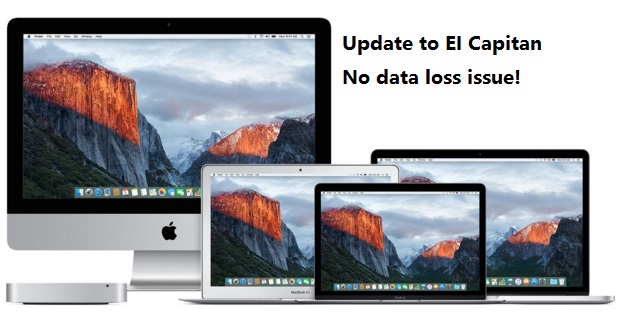
To upgrade to Mac OS X El Capitan 10.11.6 without losing any data, follow this complete process. You can download and install the operating system on your computer with ease by following this guide, which ensures that all your data remains intact.
| Page Content | More Details |
|---|---|
| Check If Your Mac is Available for Update | Supported Mac devices: iMac (Mid 2007 or newer) MacBook (Late 2008 Aluminum, Early 2009...Full steps |
| Prepare Mac Ready before Update | Check the hardware requirements of the new OS, and back up data...Full steps |
| Update Mac to New macOS | Go to the Mac App Store search for the latest macOS version...Full steps |
The tips on this page can also be used to upgrade from macOS Mojave or High Sierra to the latest macOS Big Sur. Additionally, you may be interested in learning about updating and installing macOS.
What Is Mac OS X El Capitan
El Capitan, Mac OS X 10.11.6, released on July 18, 2015, is an operating system that falls between Yosemite and macOS Sierra in the macOS timeline.
Mac OS X 10.11.6 brings several new features to most old Mac OS X users, making it a worthwhile update for many. These features include the main features, which can be enticing for users looking to upgrade their system. As a result, many users may feel inclined to download and install the system on their Macs.
- Support multitask
- Better performance
- Better user experience
- Free download
Upgrading your Mac to El Capitan is a straightforward process that anyone can follow. To download and install the operating system, simply visit the Mac App Store, click on the "Updates" tab, and look for the El Capitan update. Click the "Update" button, and the installation process will begin. Alternatively, if you're running Yosemite, you can also upgrade directly to El Capitan from the Mac App Store.
1. Check If Your Mac Is Available for El Capitan Update
Before updating your Mac OS X to El Capitan 10.11.6/10.11.2, check if your Mac computer is eligible for the new update. Check the list to see if your device or OS X can get the new update, as some Macs and OS X versions may not be compatible.
Supported Mac devices:
- iMac (Mid 2007 or newer)
- MacBook (Late 2008 Aluminum, Early 2009, or newer)
- MacBook Pro (Mid 2007 or newer)
- MacBook Air (Late 2008 or newer)
- Mac mini (Early 2009 or newer)
- Mac Pro (Early 2008 or newer)
- Xserve (Early 2009)
Available OS X for El Capitan:
- OS X Yosemite v10.10
- OS X Mavericks v10.9
- OS X Mountain Lion v10.8
- OS X Lion v10.7
- Mac OS X Snow Leopard v10.6.8
If your Mac OS X and devices are on the list, get ready for the El Capitan update by following these tips. Your Mac OS X and devices should be on the list to ensure a smooth transition.
2. Prepare Mac Ready Before El Capitan Update
Here are the steps to prepare your Mac for the El Capitan update:
#1. Hardware Requirement
- On a Mac, it's recommended to leave at least 2GB of memory (RAM) and 8.8 GB of free storage space to ensure smooth performance and prevent any issues. This will allow your Mac to run multiple applications simultaneously without slowing down or freezing.
- Leave at least 45% battery on Mac
- Connect Mac to the internet or WiFi
- Update your Mac Apps to the latest versions
#2. Back-Up All Important Mac Data (to An External Disk)
It's crucial to back up important data on a Mac to external storage devices to prevent data loss due to OS X updates.
To do so, you have two options:
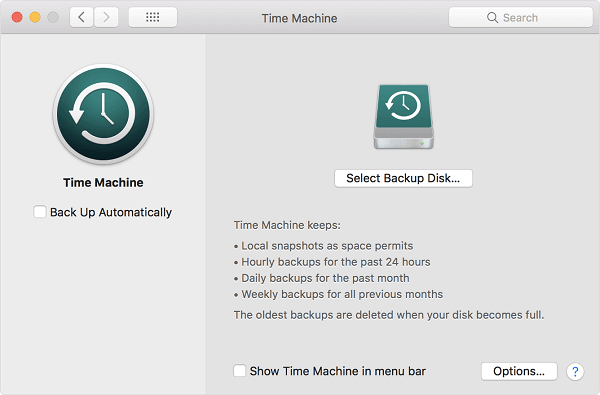
- Option 1. Back up all your data via Time Machine
- 1. Connect an external hard drive to Mac.
- 2. To access Time Machine, click the Apple menu icon, click "System Preferences", and then click "Time Machine".
- 3. To create a backup of your computer, click on the "Select Backup Disk..." option and choose the external drive that you want to use as a backup disk. This will allow you to safely store a copy of your files and data on the external drive.
- Option 2. Fully back up your Mac data via reliable Mac backup software
For a step-by-step guide, please follow: How to Back Up Mac without Time Machine for help.
If you've forgotten to back up data, using reliable Mac data recovery software like Deep Data Recovery can help you restore lost data.
To update your present Mac OS X to El Capitan, follow these tutorial tips. You can start by opening the App Store on your Mac, then click on the "Update" button next to El Capitan, or click on the "Update Now" button if it's available.
3. Update Mac OS X to El Capitan (Download OS X 10.11.6)
You can now update your Mac OS X to El Capitan. To do so, follow these steps:
#1. Download and Install Mac OS X from Mac App Store
Step 1. Go to Mac App Store and search El Capitan.
Step 2. Click the Download button for El Capitan.
Step 3. Click Continue and follow the instructions to install El Capitan on your Mac.
#2. Manually Download El Capitan 10.11.6 from Apple
Here, you can also download El Capitan or other new versions of macOS from the Apple support page, and install on your Mac.
Download El Capitan from Apple
When the download is complete, the El Capitan installer will start automatically. Just follow the on-screen instructions to install Mac OS X 10.11.6 on your Mac.
Note thatThe El Capitan upgrade process will be completed quickly, so just wait patiently for the installation process to finish on your Mac.
You May Also Interest In:
If you encounter issues during the Mac OS X or macOS update process, refer to a troubleshooting guide for step-by-step solutions to resolve the problem on your own.
When your Mac's macOS update gets stuck or fails, remain calm and follow a step-by-step guide to successfully install the desired macOS or Mac OS X on your device.
Bonus Tip: Restore Lost Data after Upgrading Mac to El Capitan 10.11.6
If you didn't create backups before the Mac OS X El Capitan update and lost important files, consider using reliable Mac data recovery software for assistance. You can also review this Mac backup and recovery guide for related protection tips.
Here, Deep Data Recovery for Mac is available for download to help restore lost files after a macOS or Mac OS X update.
This software is compatible with Mac OS X versions including El Capitan, Yosemite, Mavericks, macOS Mojave, High Sierra, and more.
To restore lost data due to the El Capitan update, you can try the following steps:
Step 1. Launch Deep Data Recovery, select the file types you want to recover, and click "Fast Scan" to begin the recovery process.
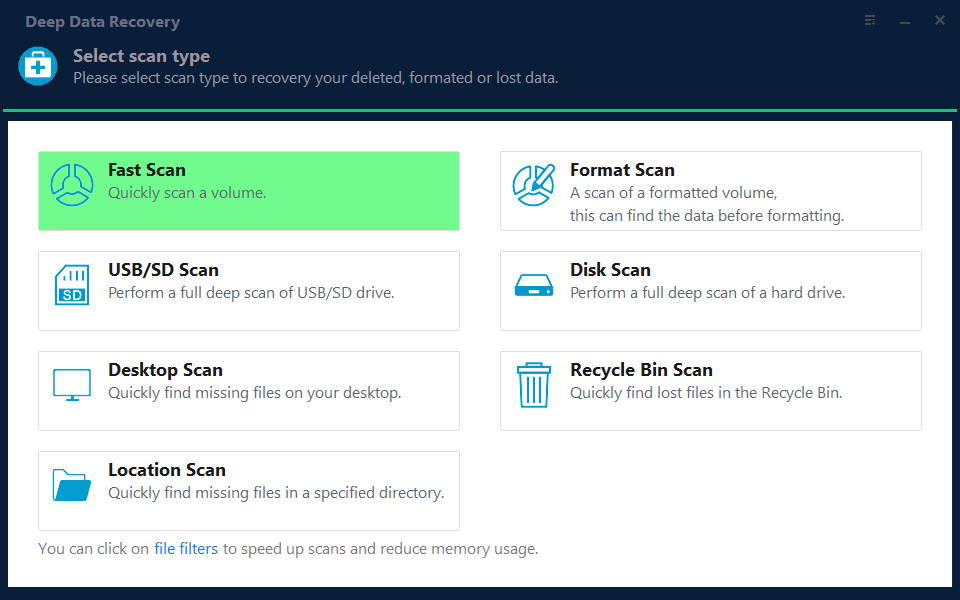
Note: You can choose different search modes based on where and why the data was lost.
Step 2. Where was the data lost after operating system update? Choose the location and click Scan. The location is likely to be the "C:\Windows" folder, which is the default location for Windows operating system files.
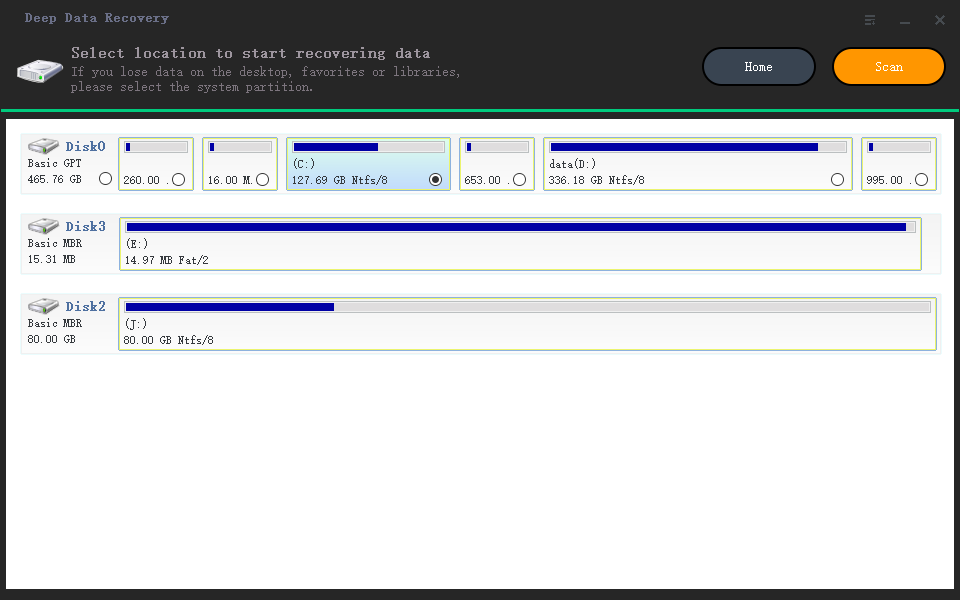
Step 3. Deep Data Recovery for Mac will immediately scan your selected disk volume and display the scanning results on the left pane.
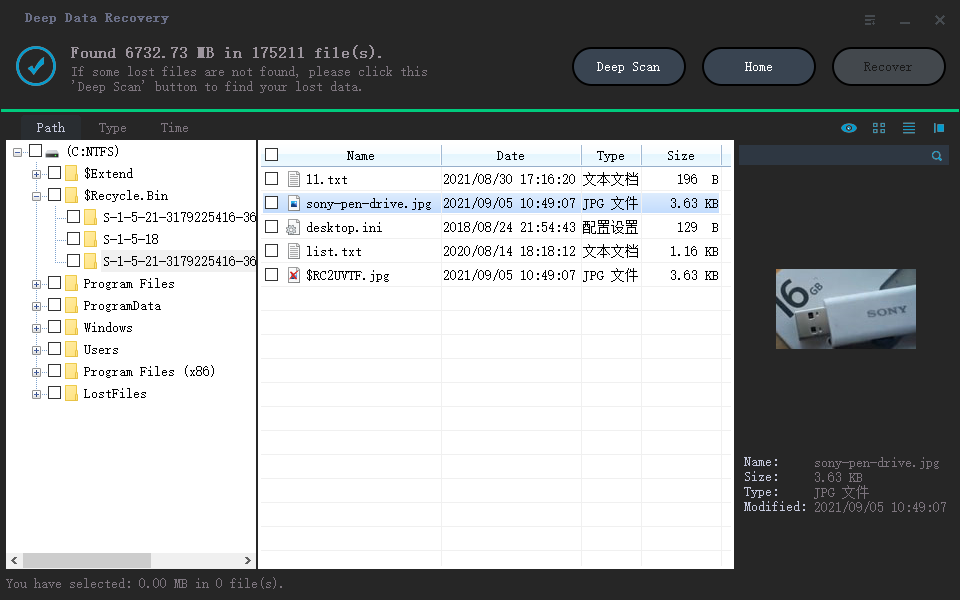
Step 4. After the scan, select the target files that were unknowingly lost during or after the update and click the "Recover" button to retrieve them.
What Else Can Deep Data Recovery Do for You?
Deep Data Recovery specializes in restoring lost data on Macs, not just through macOS update file recovery, but also in complex situations such as data loss due to various reasons.
- Data deletion
- Mac hard drives formatting
- Storage device corruption
- Mac system crash
- Mac OS X reinstallation
El Capitan Still Works on Old Macs, Go and Get It Now
If your Mac computer is unable to update to Mac OS X El Capitan, don't worry - this page will help you determine if your computer is compatible with the operating system.
If you're interested, you can download and install a system that can help you renew your Mac computer. Don't worry if you lose some files during the process, as a software called Deep Data Recovery for Mac can help you recover them.
Now, it's your turn. Go and get it now.
Related Articles
- How to Undelete Data on Mac OS X
- TRIM SSD Data Recovery
- Operations You Should Know when Switching from Windows to Mac
- [Mac Recovery] Mac Catalina/Mojave Update Deleted Everything
- Four Options: How to Recover Lost Data from Hard Disk for Free
Have been confused about how to recover lost data from hard disk? We'll give you four options to retrieve your last data back in this post. - How to Recover Lost Word Documents in Windows?
If you've lost a Word document, there are ways to recover it. You can recover unsaved, deleted, or corrupted Word documents using various methods outlined on this page.
Products
Articles & Tutorials
- Data Recovery
- Data Backup
- File Recovery
- File Backup
- System Backup and Restore
- Disk and Partition Clone
- Technical articles
- Mobile articles
- Disk Master Help
- Windows Data Recovery Tutorials
- Windows Secure Delete Tutorials
- Windows Partition Management Tutorials
- Windows File Backup and Restore Tutorials
- Windows System Backup and Restore Tutorials
- Windows Disk Backup and Restore Tutorials
- Windows Clone Tutorials