How to Recover Data from Dead MacBook Pro Hard Drive in 2022
If your Mac's hard drive has failed, you can use the information on this page to either repair it or recover data from it.
| Workable Solutions | Step-by-step Troubleshooting |
|---|---|
| Fix 1. MacBook Data Recovery |
Method 1. Restore Mac data from dead Mac...Full steps Method 2. Recover dead Mac data to new Mac...Full steps |
| Fix 2. Repair Failed Mac Hard Drive |
Method 1. Run First Aid to Repair Failed Drive...Full steps Method 2. Fix Won't Turn on MacBook Pro...Full steps |
How Do I Recover Data from My Dead MacBook Pro?
Unfortunately, a dead MacBook Pro can be tricky to recover data from. However, if it's just not turning on, it's possible that the issue is not with the data storage itself, but rather with the logic board or power supply. In this case, you might be able to recover your data by using a data recovery service or a specialized tool, but it would require some technical expertise. If you're not comfortable with this process, it's best to consult a professional.
The MacBook Pro is a top-of-the-line laptop that excels in performance and portability. While it usually runs smoothly, occasional issues may arise, such as sudden crashes or shutdowns, due to various reasons.
Here are the major reasons that may cause your Mac computer to die or fail to boot:
- Computer wear and tear, or aging
- System crash
- Hard drive failure
- Virus attack
- Too many bad sectors
When a MacBook Pro's hard drive becomes corrupted, it may be unbootable and inaccessible, but you can still recover your data using a professional Mac data recovery software. Once you've retrieved your data, you can then use the built-in Disk Utility or other methods to repair the corrupted hard drive, making it functional again.
The solutions provided on this page can also be used to recover data from a dead Mac hard drive on MacBook, MacBook Air, and other Mac computers. The detailed guide on how to do so is available for reading.
MacBook Data Recovery: Recover Data from Dead MacBook Pro
If you have a Time Machine backup on your MacBook Pro, you can use the methods outlined in the next section to repair a failed hard drive, make your MacBook Pro bootable again, and restore your Mac data from the Time Machine backup.
If you don't have a backup, don't worry. You can try two methods to restore data from a dead MacBook Pro to an external hard drive, which can then be transferred to another computer.
Method 1. Recover Data from Dead MacBook Pro to an External Hard Drive
The Deep Data Recovery for Mac program can recover lost data from a failed or crashed MacBook Pro, including photos, audio, music, documents, and emails, using a bootable media.
Qiling Mac data recovery software can recover deleted files from the emptied Trash, external hard drives, USB flash drives, memory cards, SD cards, etc. on Mac OS X 10.9 to macOS Catalina 10.15.
To recover data from a dead MacBook Pro hard drive, you can create a bootable recovery drive and follow a few simple steps. First, you'll need to create a bootable recovery drive using a USB drive or CD/DVD, which can be done by downloading a recovery image from Apple's website and following the provided instructions.
How to Create a USB Bootable Media
Step 1.To create a bootable USB drive for Deep Data Recovery on a Mac, install and run the software on another Mac, select "File" > "Create Bootable USB", and choose a USB drive to create the bootable disc.
- Warning
- The creator will prompt to erase the drive to reallocate the space, then write bootable files to this drive. Please back up all USB files before processing "Eraser".
Step 2. The program creates a 2GB space on the USB to save the boot files, leaving the remaining space free for storage.
Step 3. Once the repair process is complete, boot the corrupted Mac from the bootable disc and start the recovery process. To minimize data loss, we recommend restoring the data to an external hard drive.
How to Recover Data from Mac Hard Disk
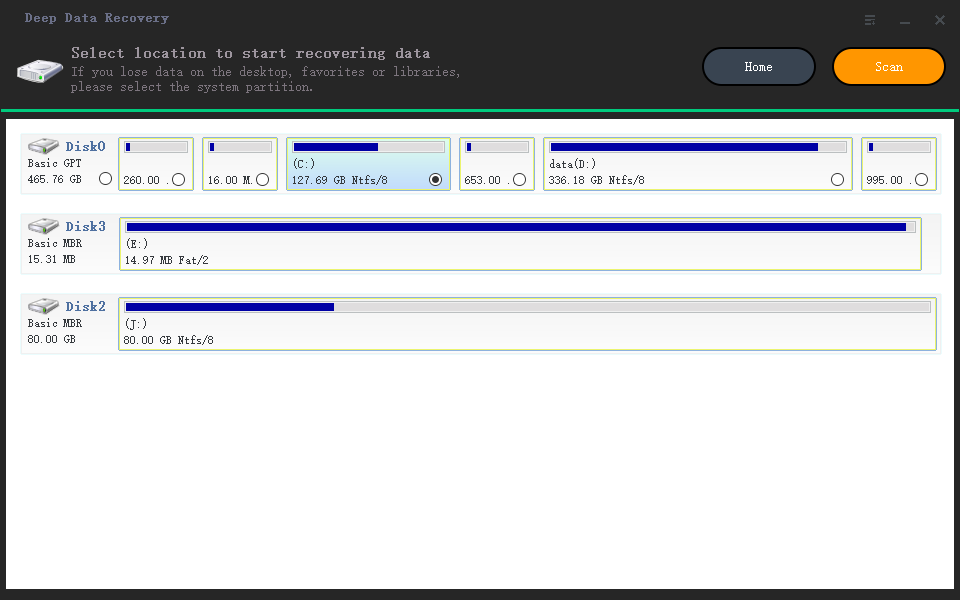
Step 1. Select the disk location where the data was lost and click the "Scan" button.
Step 2. Deep Data Recovery for Mac will immediately scan your selected disk volume and display the scanning results on the left pane, allowing you to quickly locate and recover lost data.
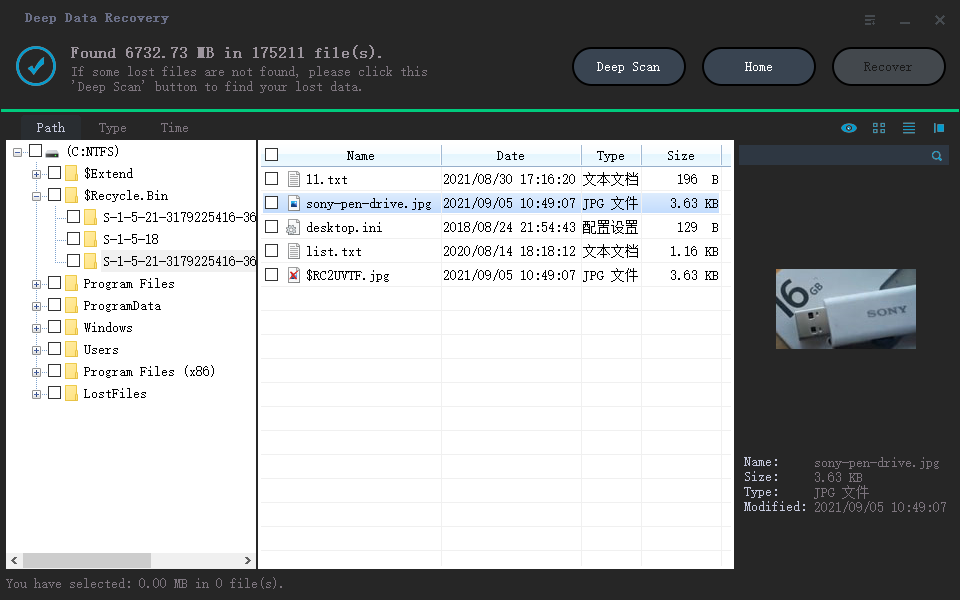
Step 3. To recover the selected file(s), simply select them in the scan results and click the "Recover Now" button. This will restore the files back to their original state.
Save the recovered Mac data to a secure external hard drive. Then, follow the methods in the next part to repair the problematic Mac hard drive.
Method 2. Recover Mac Hard Drive Data to Another PC/Mac
Note: As the following tips will break your computer warranty and you are on a warranty, don't try the provided tips. Also, if you are not experienced in removing or inserting hard drive on Mac computers, revert back to Method 1 for help.
If you have two computers at home, you can also try restoring Mac hard drive data to another computer by following these steps. This process allows you to transfer data from one Mac to another, which can be helpful in case the original computer's hard drive is damaged or corrupted.
First. Remove Mac hard drive and connect it to another computer
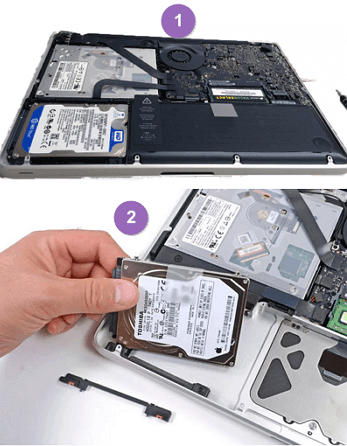
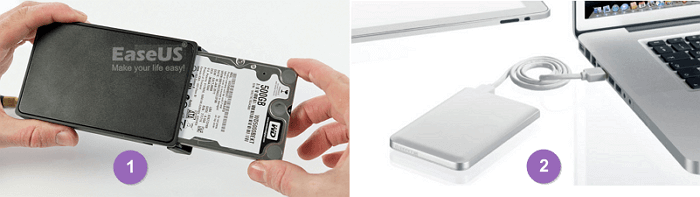
To transfer data from an old hard drive to a new one, you'll first need to prepare the old drive by unplugging it and removing any screws that hold it in place. Then, place the old drive into the external hard drive enclosure, ensuring it is securely fastened. Next, connect the enclosure to a computer using a USB connection cable.
Step 1. Open your Mac computer case, remove the hard drive with your screwdriver.
Step 2. Put your Mac hard drive into the external hard drive enclosure, and connect it to your computer.
Next. Access and check the data
On a Windows computer, open the File Explorer, then double-click on the hard drive to view its data.
On Mac: Double-To troubleshoot the issue, click on the disk icon on your desktop, which represents the hard drive. This will allow you to check if you can access the hard drive and its data.
If you can access the data, congratulations. You've successfully got your data out of the dead MacBook Pro. If not, refer to the next step.
Last. Restore Mac Hard Drive to Another Computer
On a Windows computer, you can download the Windows version of Deep Data Recovery, which allows you to easily scan and recover data from a Mac hard drive to a PC.
To recover data from a Mac hard drive, follow these three steps on your Mac computer. First, insert the original installation media (such as a USB drive or CD) and restart your Mac.
Step 1. Launch Deep Data Recovery, select the desired file types, and click "Fast Scan" to initiate the recovery process.
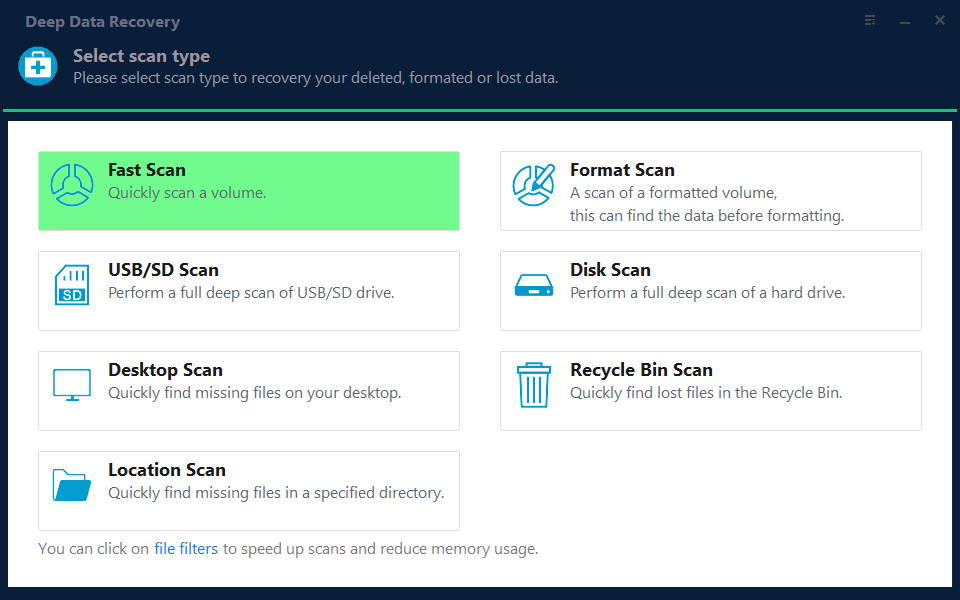
Note: You can choose different search modes based on where and why the data was lost.
Step 2. Select the disk location where you lost data and files, then click the "Scan" button.
Step 3. Deep Data Recovery for Mac will immediately scan your selected disk volume and display the scanning results on the left pane.
Step 4. To recover deleted files, select the desired file(s) from the scan results and click the "Recover" button to restore them.
You've successfully restored data from your dead MacBook Pro.
How to Repair a Failed Hard Drive or Dead MacBook Pro
If you're experiencing issues on your MacBook Pro, such as a dead Mac, startup problems, apps quitting unexpectedly, corrupted files, or issues with external devices, it's likely that your Mac hard drive is malfunctioning.
When your Mac won't boot, it's often due to issues with the hard drive or macOS. The solution depends on the root cause, which can vary.
Method 1. Run First Aid to Repair Failed Mac Hard Drive using Disk Utility
Disk Utility is a built-Disk Utility is a built-in Mac disk management tool that not only allows users to manage and organize their disk space but also troubleshoots and fixes various disk-related issues, including problems where the Mac hard drive won't boot. With Disk Utility, users can verify and repair disk permissions, recover lost data, and even restore their system from a Time Machine backup.
After restoring your Mac hard drive data to a safe place, you can use the Disk Utility to check for errors and repair any problematic hard drive or volumes. To do this, open the Disk Utility, select the affected drive or volume, and click the "First Aid" button to run a check and repair any issues.
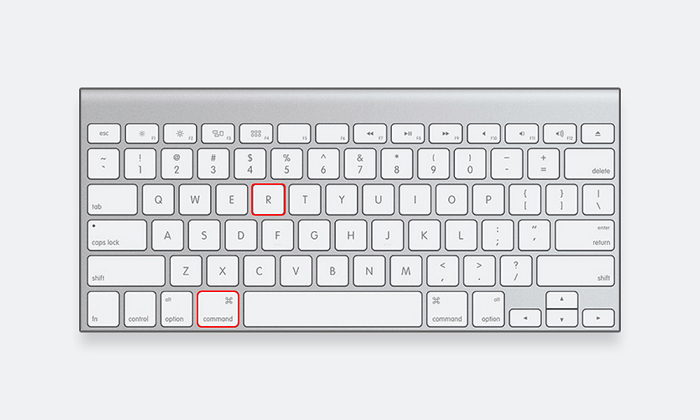
Step 1. Restart your Mac computer, press and hold Command + R keys simultaneously.
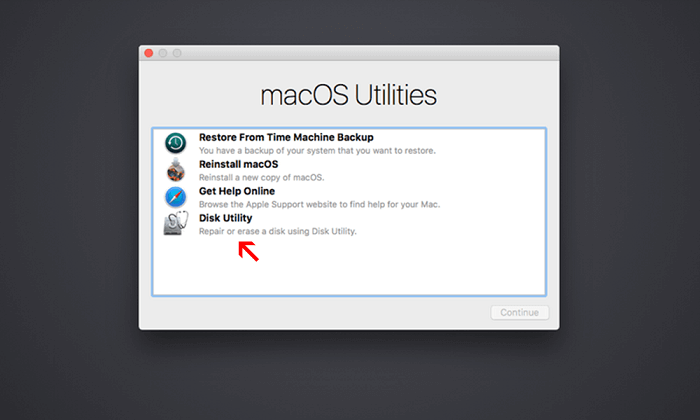
Step 2. Click "Disk Utility" and then "Continue".
Step 3. Go to "View" > "Show All Devices".
Choose the Mac hard drive to be repaired.
Step 4. Click "First Aid" and then "Run". Click "Done" when the process completes.
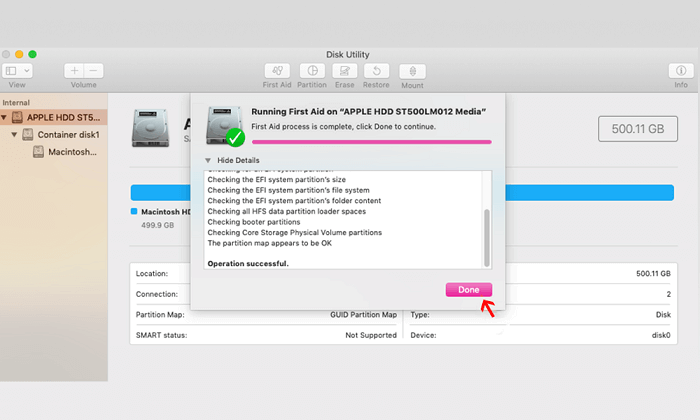
If Disk Utility reports that the disk appears to be OK or has been repaired, you've finished.
If Disk Utility indicates that your disk is about to fail, you can't fix it, so instead, use a Mac data recovery tool to quickly export all your data. You can then either replace the old hard drive with a new one or transfer your data directly to a new Mac computer.
Method 2. Fix Won't Turn on MacBook Pro or Mac Computers
When a Mac computer is installed with a pirated macOS or the macOS crashes, it may fail to boot or not react at all, appearing like a dead computer. This can happen with MacBook Pro or other Mac computers.
Here are 5 ways to fix a Mac computer that won't turn on: Check the power cord and outlet, try a different power source, reset the System Management Controller (SMC), reset the Power Management Unit (PMU), or boot in safe mode to troubleshoot the issue.
- Fix 1. Fix PRAM/NVRAM
- Fix 2. Reset SMC
- Fix 3. Boot in Safe Mode
- Fix 4. Run Disk Utility
- Fix 5. Reinstall macOS
Conclusion & MacBook Data Recovery FAQs
On this page, we covered the reasons that cause MacBook Pro and hard drive dead. To recover the lost Mac hard drive data immediately, turn to Deep Data Recovery for Mac.
If you've lost data on your Mac hard drive, you can quickly scan and restore it using a data recovery bootable disk. Alternatively, you can try transferring the old hard drive to a new computer and see if you can access the data. This can be a useful solution if you're unable to recover the data using the bootable disk.
If your Mac's hard drive is malfunctioning, you can try running Disk Utility's First Aid feature to see if it can be repaired. If that doesn't work, you may need to consider replacing the computer or trying alternative methods to fix it.
If you still have some questions about MacBook data recovery, check the quick answers below to help yourself out:
1. How do I recover data from my Mac?
Here are three ways to recover data from a Mac computer when you've lost data:
Method 1. Restore Deleted Files from Mac Trash Bin
Method 2. Recover Data from Time Machine Backup
If you're unable to recover your data using the built-in Disk Utility, you can try using a third-party Mac data recovery software, such as Deep Data Recovery. This software can scan your Mac's hard drive and recover deleted or lost data, even if it's been overwritten. Simply download and install the software, then follow its instructions to scan and recover your data.
2. Does Apple offer data recovery?
Apple allows returns of hard drives that have become non-functional through normal use, and have had data recovery performed on them by third-party companies, for warranty service.
3. How do I recover data from my MacBook after factory reset?
The chances of recovering data after a factory reset on a MacBook are low. However, if you didn't save any new files on the Mac's hard drive after the reset, you can still try using Deep Data Recovery for Mac to see if it can recover any files for you.
4. How do I recover data from my MacBook SSD?
However, even with Trim enabled, deleted data can still be recovered using specialized software, as the data is not actually erased, but rather marked as deleted. This is because the Trim command only updates the drive's mapping table, not the actual data on the drive.
To restore data from an SSD, first check if the Trim status is enabled, and if not, use Qiling Mac data recovery software to scan and restore data.
Related Articles
- 3 Methods: Recover Unsaved or Lost Excel File on Mac
- 5 Best Free Snipping Tools for Mac
- How to Recover Deleted/Disappeared Notes on Mac
- [Easy Tip] Recover Data on Mac For Free
- How to Recover Data from Corrupted SD Card
If you need to recover photos and videos from a corrupted SD card, follow these steps with Deep Data Recovery. - Word Recovery Online - Top 5 Repair Corrupted Word File Online | Qiling
You can restore and repair corrupted Word files online for free using top 5 text recovery converter online solutions, which provide a way to recover corrupted Word files online.
Products
Articles & Tutorials
- Data Recovery
- Data Backup
- File Recovery
- File Backup
- System Backup and Restore
- Disk and Partition Clone
- Technical articles
- Mobile articles
- Disk Master Help
- Windows Data Recovery Tutorials
- Windows Secure Delete Tutorials
- Windows Partition Management Tutorials
- Windows File Backup and Restore Tutorials
- Windows System Backup and Restore Tutorials
- Windows Disk Backup and Restore Tutorials
- Windows Clone Tutorials