How to AirDrop Photos from iPhone to Mac
AirDrop, a convenient way to share files, has been a hit among iOS users since its release in 2011. Despite being around for about 10 years, many users still don't know how to use it to share photos between an iPhone and a Mac. If you're one of them, this guide will walk you through the process of transferring photos from your iPhone to your Mac using AirDrop.
If AirDrop doesn't work on your iPhone or iPad, you can use an alternative method to transfer photos, as offered in this guide.
| Workable Solutions | Step-by-step Troubleshooting |
|---|---|
| Part 1. AirDrop Photos | Make preparations > Turn on AirDrop on the devices > Open the Photos app on iPhone...Full steps |
| Part 2. Risks of Using AirDrop | AirDrop may raise some problems, such as privacy leakage...Full steps |
| Part 3. Transfer Photos Directly | Download and install the iOS data transfer software > Connect the iPhone to the computer...Full steps |
How to AirDrop Photos from iPhone and iPad to Mac
To airdrop files from iPhone and iPad to Mac, you need to have both devices connected to the same Wi-Fi network, ensure that Wi-Fi is turned on for both devices, and make sure that the Mac is running macOS 10.11 or later. Additionally, the iPhone or iPad must be running iOS 7 or later.
- AirDrop requires iPhone and Mac with a relatively recent iOS and macOS system.
- Bluetooth and WiFi on both devices should be enabled.
- The iPhone and Mac should be within about 30 feet of each other. This proximity allows for seamless sharing of files, photos, and other content between devices using AirDrop.
- Turn on AirDrop on both your iPhone and Mac.
To AirDrop, make sure everything is ready, then follow these steps: ensure your devices are close to each other, open the Control Center on your iPhone or iPad, and tap on the AirDrop icon. On your Mac, go to the Finder window, click on 'AirDrop' in the sidebar, and select the device you want to share with.
Step 1. On your iPhone or iPad, open the Photos app.
Step 2. Select the photos and videos you wish to send.
Step 3. To share your location, tap the "Share" icon, which looks like a box with an arrow coming out of it.
Step 4. Tap the AirDrop icon.
Step 5. Once you have AirDrop enabled on your Mac, you'll see icons for all of the AirDrop-compatible devices in the vicinity. Simply choose your Mac from the list to transfer files.
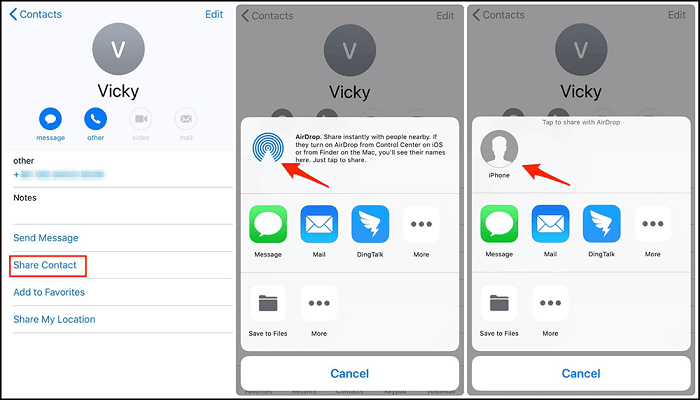
Step 6. To accept the transfer of photos from iPhone to Mac, click "Choose to Accept" on the pop-up window that appears.
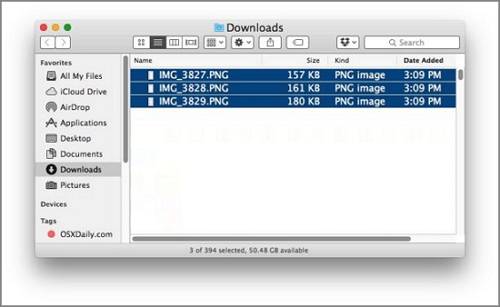
Step 7. When the process finishes, the photos will be saved in the user's Downloads folder on a Mac.
Note: If you're having trouble with AirDrop transfers between your Mac and iOS devices, you can try restarting both devices to resolve the issue. If the devices can't find each other, try changing AirDrop to "Everyone" from "Contacts Only" to see if that resolves the problem.
Some Potential risks of using AirDrop
Although AirDrop provides users with a convenient way to transfer files, it also raises concerns about privacy leakage. Researchers have found that when a user selects the "Contacts only" option, Apple devices can silently request personal data from all devices within range, potentially compromising user privacy.
To maintain your privacy, we recommend reducing your use of AirDrop, as your phone number and email address can be accessed by strangers. If you need to transfer files, consider using alternative tools like Qiling MobiMover instead.
How to Transfer Photos from iPhone to Mac with Qiling MobiMover
If you're looking for an alternative to AirDrop for transferring data from your iPhone, consider using Qiling MobiMover, a comprehensive iPhone data transfer tool. This program allows you to transfer over 20 types of data from your iPhone to your Mac, ensuring a completely safe and private process. In addition to data transfer, Qiling MobiMover also enables you to manage your iPhone data by backing up your files, removing unwanted data, and transferring data between two iOS devices.
To transfer photos from iPhone to Mac with Qiling MobiMover:
Step 1. Connect your iPhone to your Mac using a USB cable, then launch Qiling MobiMover and select the "Phone to Mac" option. Click "Next" to proceed.
Step 2. To copy photos from your iPhone to Mac, check the category/categories you want to copy, and then customize the storage path for the exported photos if desired, allowing you to copy multiple files at once.
Step 3. To transfer photos or other files from your iPhone to Mac, click the "Transfer" button on MobiMover, which allows you to export files without using iTunes, making it a reliable way to back up your data and avoid unexpected loss.
The Bottom Line
We hope you've learned how to use AirDrop to share photos and videos between your iPhone and Mac by reading our post. Each method has its own strengths and weaknesses, so you can choose the one that best suits your needs.
Related Articles
- How to Transfer Photos from iPhone to External Hard Drive
- How to Transfer Calendar from Mac to iPhone 8/8 Plus/X with iTunes/iCloud
- Step-by-Step Guide for Dell XPS 8910 SSD Upgrade
This tutorial presents how to perform Dell XPS 8910 SSD upgrade step by step and provides the best disk cloning software to help you. - Proven Best Disk Formatting Utility| Freeware Download
In this article, we would like to share you with 4 free yet effective disk formatting utilities for Windows 11, 10, 8, 7. You can easily format a hard drive for your own requirements.
Products
Articles & Tutorials
- Data Recovery
- Data Backup
- File Recovery
- File Backup
- System Backup and Restore
- Disk and Partition Clone
- Technical articles
- Mobile articles
- Disk Master Help
- Windows Data Recovery Tutorials
- Windows Secure Delete Tutorials
- Windows Partition Management Tutorials
- Windows File Backup and Restore Tutorials
- Windows System Backup and Restore Tutorials
- Windows Disk Backup and Restore Tutorials
- Windows Clone Tutorials