How to Connect iPhone to PC in Every Way
Quick Navigation:
- Method 1. How to Connect iPhone to PC Without iTunes
- Method 2. How to Connect iPhone to Windows PC via iTunes
- Method 3. How to Connect iPhone to Computer via a USB cable
- Method 4. How to Connect iPhone to PC Wirelessly
- The Bottom Line
There are four ways to connect your iPhone to a PC, offering flexibility in how you want to link the two devices. You can use a USB cable to establish a physical connection, or opt for a wireless connection using one of the available methods. This allows you to choose the approach that suits your needs best.
"How to connect iPhone to Windows PC?"
To access files on an iPhone from a PC or transfer files between an iPhone and a computer, it's necessary to first connect your iPhone to the computer.
There are various solutions to connect your iPhone to a computer, allowing you to exchange data between them. Depending on the types of content you want to access or transfer, you will need different ways to connect your iPhone to a computer.
You can connect your iPhone to an HP laptop by following similar steps to those for connecting to a Windows laptop. This involves using a USB cable to connect your iPhone to the laptop, and then using the HP laptop's built-in software to recognize and connect to the iPhone.
Method 1. How to Connect iPhone to PC Without iTunes
Many users prefer to connect their iPhone to a PC without using iTunes, as syncing with iTunes can cause data loss. To transfer files safely, you can use iPhone transfer software like Qiling MobiMover, which allows you to connect your iPhone to a computer via a USB cable and transfer files without risking data loss.
With Qiling MobiMover, you can easily transfer data between your Windows PC or Mac and your mobile devices, allowing you to share files, photos, and more between your devices with just a few clicks.
- Access files on iPhone, iPad, or iPod from PC/Mac
- Transfer files between an iPhone/iPad/iPod and a computer
- Share data from one iDevice to another
- Transfer, back up, and restore WhatsApp data
You can use Qiling MobiMover to connect your iPhone to your PC and share files between the two devices freely. This tool is especially useful if you want to transfer photos from your iPhone to your PC or add music to your iPhone.
To connect your iPhone to a PC and transfer content, start by downloading and installing the latest version of iTunes or Finder on your computer. Next, physically connect your iPhone to the PC using a USB cable.
Step 1.Connect your iPhone to your PC with a USB cable and tap "Trust This Computer" on the device screen if prompted. Then, open Qiling MobiMover and select the "Phone to PC" transfer option, followed by clicking "Next" to start transferring data from your iPhone to your computer.
Step 2.MobiMover allows you to transfer various data from your iPhone to your PC with a single click, including audio files, videos, pictures, books, contacts, and more. You can select specific categories or all data types, and choose a custom file location for the transferred items, or let MobiMover save them to your desktop by default.
Step 3.MobiMover will start immediately transferring selected files from iPhone to PC without iTunes at high speed, and please don't suspend the USB connection until the process finishes, with contents like contacts and messages saved as a .html file for viewing in a web browser.
Qiling MobiMover is an iOS data transfer tool that also allows for free video downloading from online sources, enabling users to save videos from websites like YouTube and Facebook to their computer or iPhone/iPad using a URL.
Method 2. How to Connect iPhone to Windows PC via iTunes
iTunes is the official way to connect your iPhone to a computer and sync data, allowing you to transfer photos, videos, music, ringtones, books, and more from your PC to your iPhone, or vice versa, making a backup of all data and settings from your iPhone to your PC.
You can use iTunes to connect your iPhone to a PC via a USB cable or wirelessly.
To connect iPhone to PC using a USB cable:
Step 1. Connect your iPhone to computer with a USB cable.
Step 2. Wait for iTunes to launch automatically.
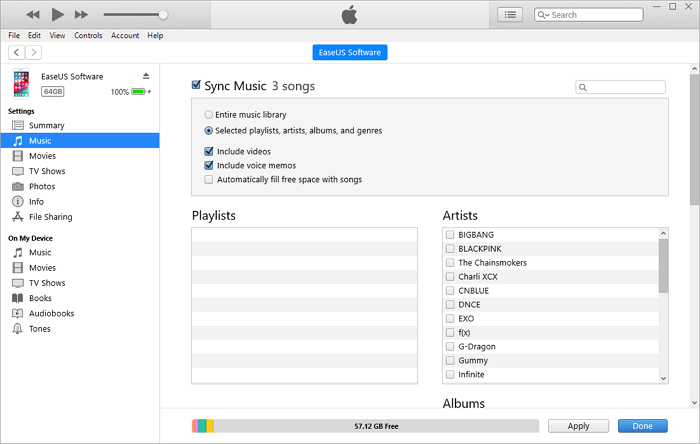
Step 3. To sync data between your devices, click on the "Device" tab in iTunes. This will allow you to select the type of data you want to sync, such as music, movies, or contacts, and then choose which device you want to sync with.
- To sync data from PC to iPhone, select the desired category, such as Music, Movies, TV shows, Photos, or Info, choose the items you want to transfer, and click on the "Sync" button.
- To sync data from an iPhone to a PC, click the "Summary" tab and select the option to "Back Up Now".
To connect iPhone to computer wirelessly:
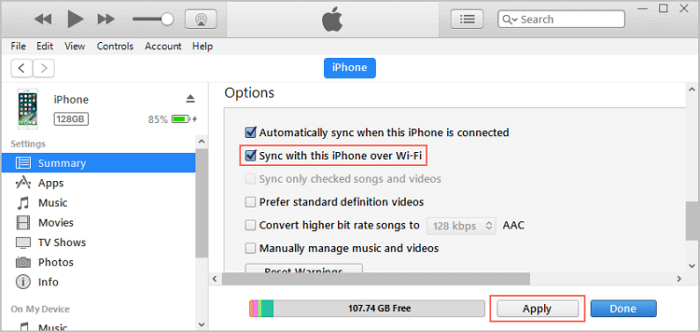
To connect your devices and sync data between iPhone and PC wirelessly, you can enable "Sync with this iPhone over Wi-Fi" by first connecting your iPhone to your PC using a USB cable, then navigate to "Device" > "Summary" to enable the Wi-Fi sync option. This allows you to transfer files wirelessly between your devices.
Step 1. To resolve the issue, ensure that you have the latest version of iTunes installed on your PC, and connect all your devices to the same Wi-Fi network. This will allow them to communicate and sync properly.
Step 2. Launch iTunes, connect your iPhone to a power supply, and the data syncing will start automatically.
Method 3. How to Connect iPhone to Computer via a USB cable
While it's convenient to connect your iPhone to a Windows PC via a USB cable, this method is limited and not the optimal solution. It allows for easy transfer of photos and videos from iPhone to PC, but it won't enable you to transfer music or add ringtones to your iPhone. Therefore, using a USB cable directly is not recommended if you need broader file transfer capabilities.
To transfer photos from iPhone to PC, you can use the method mentioned earlier.
To connect iPhone to PC via a USB cable:
Step 1. Use a USB cable to connect your iPhone with PC.
Step 2. Unlock your iPhone and trust the computer.
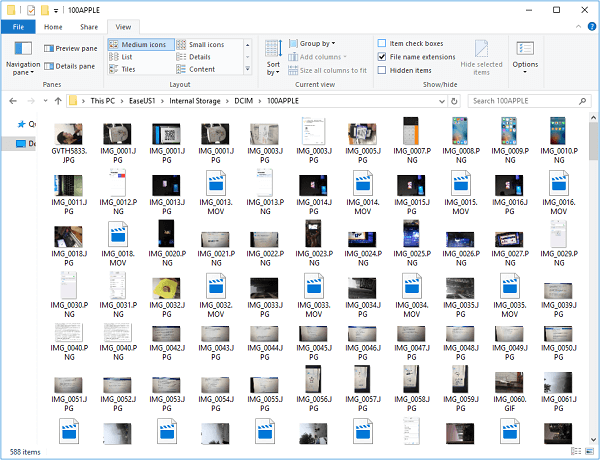
Step 3. To transfer photos and videos from an iPhone to a computer, follow these steps: 1) Connect the iPhone to the computer using a USB cable. 2) Open the device to view files on the computer.
Method 4. How to Connect iPhone to PC Wirelessly
If you don't have a USB cable handy but still want to share data across your devices, cloud-based file-sharing services can be a lifesaver. Both iCloud and third-party tools like Dropbox enable you to wirelessly connect your iPhone with your PC and transfer files to and from your iPhone, making it easy to share data on the go.
Let me take iCloud as an example.
To connect your iPhone to PC wirelessly:
Step 1. On your iPhone, go to Settings, then tap your name at the top, and select iCloud.
Step 2. To transfer photos from your iPhone to PC or vice versa, toggle on the "Photos" tab.
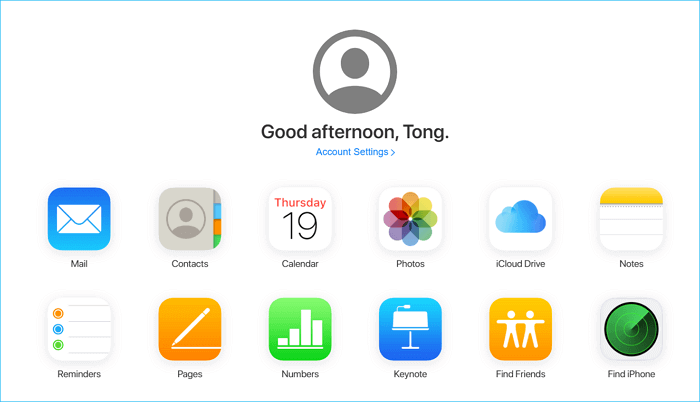
Step 3. To access your iCloud account on a PC, navigate to iCloud.com, and then sign in with the Apple ID that you use on your iPhone.
Step 4. Choose "Photos" and you will see your iPhone photos here.
Step 5. To transfer photos between PC and iPhone, use iCloud. Click the "Upload" button to upload photos from your computer to iCloud, and they will appear on your iPhone after syncing. Alternatively, select photos on your iPhone, click the "Download" button, and they will be saved to your computer.
The Bottom Line
Connecting an iPhone to a PC can be done in various ways, but the best method depends on your purpose. If you want to transfer files or sync data, using a USB cable or a wireless connection via AirDrop or iCloud is a convenient option. However, if you're looking to access your iPhone's contents as a storage device, you can use a third-party app or a cloud service like Google Drive.
If your computer can't recognize your iPhone after connecting them with a USB cable, refer to Apple's official guide for troubleshooting steps.
Related Articles
- Free iPhone to PC File Transfer Software to Transfer Files Between iPhone and PC
- How to Back Up iPhone Before Upgrading
- How to Transfer a CD to iPhone with Brand New Ways
- How to Transfer Files from PC/Laptop to iPad Using USB
Products
Articles & Tutorials
- Data Recovery
- Data Backup
- File Recovery
- File Backup
- System Backup and Restore
- Disk and Partition Clone
- Technical articles
- Mobile articles
- Disk Master Help
- Windows Data Recovery Tutorials
- Windows Secure Delete Tutorials
- Windows Partition Management Tutorials
- Windows File Backup and Restore Tutorials
- Windows System Backup and Restore Tutorials
- Windows Disk Backup and Restore Tutorials
- Windows Clone Tutorials