How to Back Up iPhone Before Upgrading
Quick Navigation:
- How to Back Up iPhone Before Upgrading via iCloud
- How to Back Up iPhone Before Upgrade with iTunes
- How to Back Up iPhone Before an iOS Update with Qiling MobiMover
- How to Restore an iPhone from a Backup
- The Bottom Line
To ensure data security, back up your iPhone before upgrading to the latest version of iOS, as the update has the potential to cause data loss on your device.
Switching to a new iPhone without updating your iOS is still essential to back up your device first. This is because backing up and restoring your data allows you to seamlessly transfer everything from your current iPhone to the new one, keeping all your data and settings intact on the new device.
How to Back Up iPhone Before Upgrading via iCloud
If you don't have access to a computer or prefer a wireless solution, iCloud is the best choice for backing up your iPhone. With iCloud, you can wirelessly back up almost everything on your iPhone, iPad, or iPod touch, choosing to back up specific categories or all data and settings as needed.
To back up your iPhone all at once, be mindful of space, particularly when using iCloud, which offers only 5GB of free storage. If you need more space, you'll need to pay for additional storage per month to accommodate the iPhone backup.
If you're planning to upgrade your iPhone, it's a good idea to back up your device first. If you choose to back up the whole device, keep in mind that you won't be able to access the details in the backup unless you restore a device from it. If iCloud meets your needs, you can follow these steps to back up your iPhone before upgrading.
Step 1. Make sure your iPhone is connected to a stable and fast Wi-Fi network.
Step 2. Go to the Settings app and tap [your name].
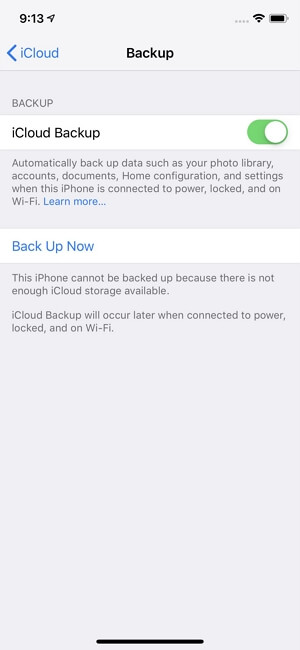
Step 3. Choose "iCloud" > "iCloud Backup."
Step 4. To start making a backup of your iOS device, toggle on "iCloud Backup" and tap "Back Up Now".
How to Back Up iPhone Before Upgrade with iTunes
If you're not willing to use iCloud and pay a monthly fee, you can use iTunes to back up your iPhone. This method is available on Windows or macOS Mojave and earlier, and allows you to make a backup of your iPhone. Alternatively, on macOS Catalina and later, you can use Finder to back up your iPhone to your Mac.
iTunes backs up your iPhone to your computer, freeing up storage space and providing a secure backup, but the files are not accessible on the computer and can only be restored to a device.
To back up your iPhone before an iOS upgrade:
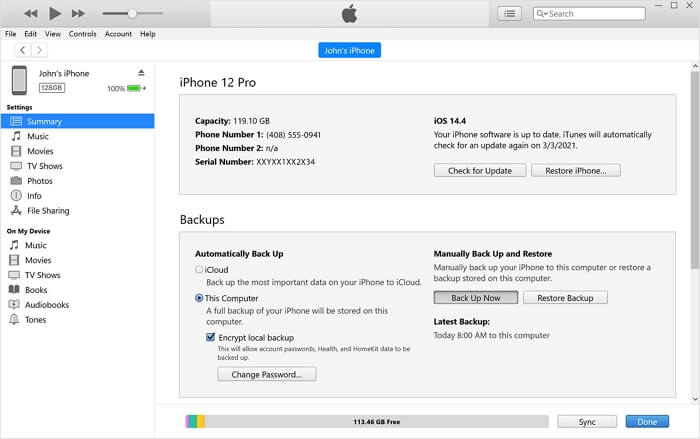
Step 1. Connect your iPhone to the computer using a cable, then open iTunes on your computer and select your iPhone from the top left menu. Ensure that your iPhone is recognized by the computer and that you have selected the correct device in iTunes.
Step 2. In iTunes, click the device icon and go to "Summary."
Step 3. Click "Back Up Now" in the "Backups" section to start backing up your iPhone to the computer.
With iTunes, you can still encrypt the backup, but you'll need to remember the password to access the files in the backup again.
How to Back Up iPhone Before an iOS Update with Qiling MobiMover
To back up your iPhone to an external hard drive, use the iPhone data transfer and device backup tool - Qiling MobiMover, which allows you to save space on both iCloud and your computer by transferring and backing up your iPhone data to an external hard drive.
Unlike iCloud and iTunes, Qiling MobiMover allows you to customize your iPhone backup location and view the backup if needed, giving you more flexibility and control over your data.
To back up an iPhone:
Step 1. To backup your device, run Qiling MobiMover and connect your device to the computer. In the main interface, select the "Backup Manager" pattern and then choose "Backup" to proceed.
Step 2. Qiling MobiMover will display all the iPhone files that are available for backing up. Select all files by ticking the box next to "Select All" and click on "One-Click Backup" to proceed.
Step 3. Qiling MobiMover will start to back up iPhone files to your computer right away. Please keep the USB connection stable during the process.
Once you've made a backup, you can restore this backup to your device when you need it. This will erase your device and replace everything with what's in the backup. If you prefer, you can use the "Phone to PC" feature to back up your device instead.
Qiling MobiMover is also a powerful tool for iPhone data transfer, making it easy to transfer data between devices.
- Transfer files between an iPhone and a computer
- Transfer data from one iPhone to another
- Transfer, back up and restore WhatsApp messages
You can convert iPhone photos to JPG and videos to MP3 using file conversion features, which will be helpful when opening HEIC files on Windows or extracting audio from videos.
How to Restore an iPhone from a Backup
When you get a new iPhone, you can restore it from a backup during the setup process, choosing between an iTunes or iCloud backup. If your iPhone has a severe issue, you can also restore it from an iTunes backup by connecting it to a computer and letting iTunes handle the process.
The Bottom Line
If you set a password for your iPhone backup and forget it, you can't access past backups or make new ones. However, you can use Qiling MobiUnlock to remove the password, allowing you to create new backups without a password.
Related Articles
- How to Make iPhone Faster in Every Way
- How to Transfer Text Messages from iPhone to Computer for Free
- How to Transfer Data from iPhone to iPad
- How to Convert Large YouTube Files to MP3
Products
Articles & Tutorials
- Data Recovery
- Data Backup
- File Recovery
- File Backup
- System Backup and Restore
- Disk and Partition Clone
- Technical articles
- Mobile articles
- Disk Master Help
- Windows Data Recovery Tutorials
- Windows Secure Delete Tutorials
- Windows Partition Management Tutorials
- Windows File Backup and Restore Tutorials
- Windows System Backup and Restore Tutorials
- Windows Disk Backup and Restore Tutorials
- Windows Clone Tutorials