Benchmark USB Disk in Windows: Test Speed and Health
A USB benchmark measures how fast a flash drive or external USB disk reads and writes data. It can reveal slow ports, fake capacity, overheating, or a drive that is starting to fail.
Prepare for a Fair Test
- Use a USB 3.x port for USB 3.x drives.
- Close file copy tasks and backup jobs before testing.
- Test the same USB drive on another port if results look too low.
- Do not run repeated write tests on a suspicious or failing flash drive.
Check USB Drive Condition
- Open File Explorer and confirm the USB drive opens normally.
- Open Disk Management and check capacity and file system.
- Copy one large file to test real-world transfer speed.
- If the drive freezes, disconnects, or shows 0 bytes, recover files before further tests.
- Format or replace the USB disk if speed remains extremely low after recovery.
Recover USB Data Before Heavy Testing
If a USB disk is unstable, benchmarking can add write stress. Use Qiling Deep Data Recovery to recover files first, then test or format the USB drive after the data is safe.
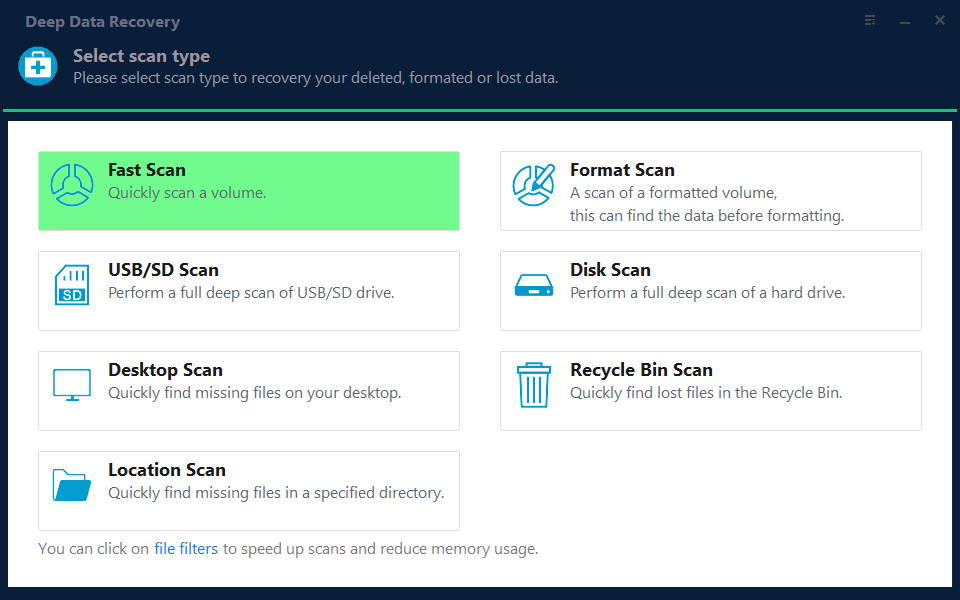
Step 1. Launch Deep Data Recovery. Select the file types you need and click USB/SD Scan to begin.
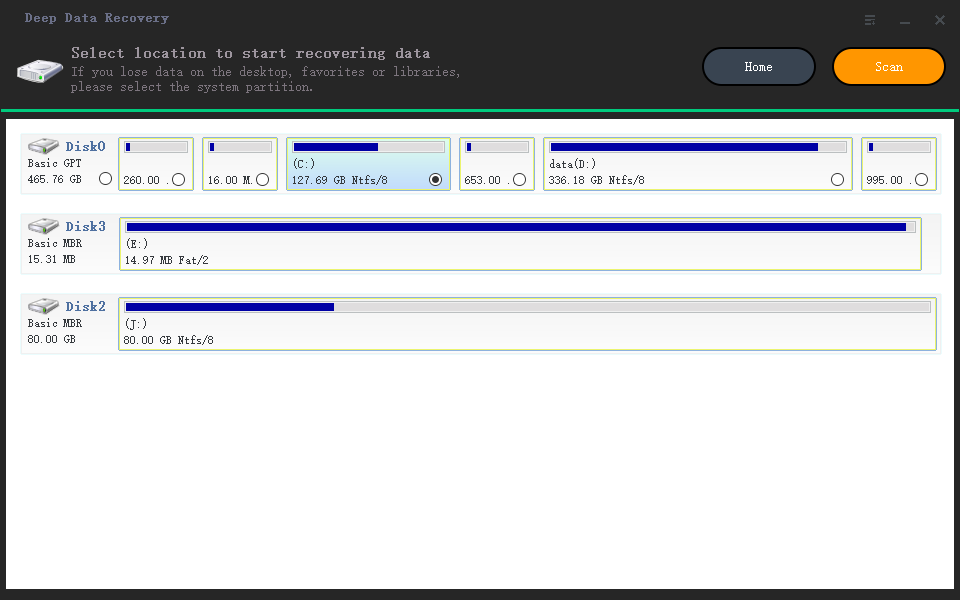
Step 2. Choose the USB disk that needs recovery, then start scanning the device.
Step 3. Preview the found files and select the files you want to restore.
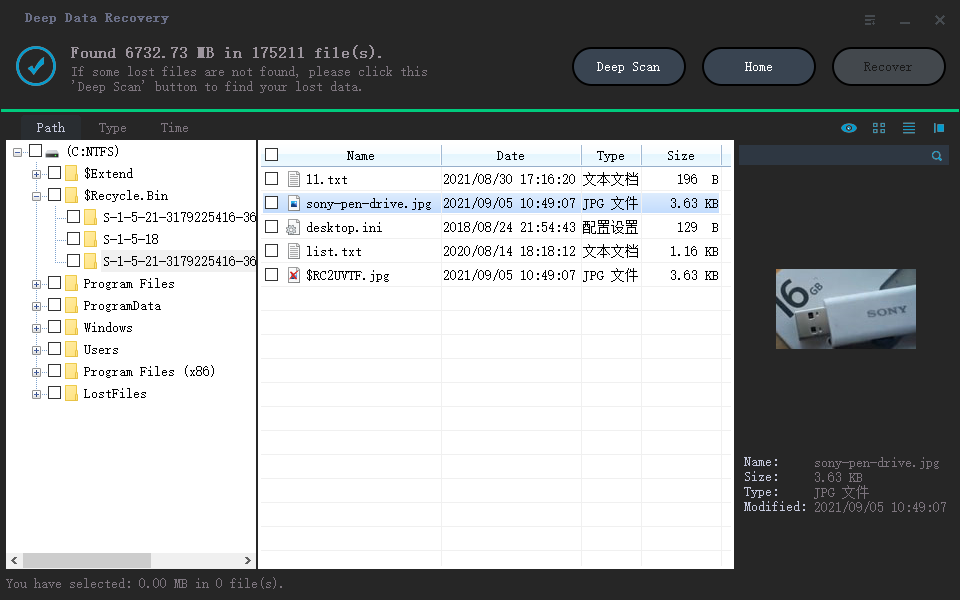
Step 4. Save recovered files to a healthy disk. After recovery, format or replace the USB disk if speed remains extremely low.
Conclusion
USB benchmarks are useful, but they should not come before data safety. Test ports and file systems, then recover files if the drive behaves abnormally.
Related Articles
Products
Articles & Tutorials
- Data Recovery
- Data Backup
- File Recovery
- File Backup
- System Backup and Restore
- Disk and Partition Clone
- Technical articles
- Mobile articles
- Disk Master Help
- Windows Data Recovery Tutorials
- Windows Secure Delete Tutorials
- Windows Partition Management Tutorials
- Windows File Backup and Restore Tutorials
- Windows System Backup and Restore Tutorials
- Windows Disk Backup and Restore Tutorials
- Windows Clone Tutorials