Go Back to Previous Version of Windows in Windows 11 Even After 10 Days
If you're running Windows 11 and want to go back to a previous version, there are two automatic ways and one manual solution to do so. The first automatic way is to use the "Go back to a previous version" option that appears on the Windows 11 installation screen if you've installed Windows 11 within the past 10 days.
| Workable Solutions | Step-by-step Troubleshooting |
|---|---|
| Method 1. Through Settings | Press Windows + I to open Settings...Full steps |
| Method 2. Through a system image | Download and install Qiling Backup...Full steps |
| Method 3. Through clean install | Prepare USB flash drive with at least 8GB...Full steps |
If Windows 11 is acting up, you can go back to the previous version of Windows, which is Windows 10, within 10 days of upgrading, by using the roll back from Windows 11 to Windows 10 option in Settings. After 10 days, this option will disappear.
If you're experiencing issues with the current Windows 11 version, you can easily revert back to Windows 10 or an old Windows 11 preview build. Since the release of Windows 11, Microsoft has acknowledged several known issues, and if you're having trouble resolving them, you can downgrade to a previous OS state within 10 days. This process is surprisingly simple, requiring just a few mouse clicks.
Q1: Who Can 100% Enjoy the 10-day Rollback rule in Windows 11?
With Windows 11's shorter rollback time limit of 10 days, compared to Windows 10's 30 days, it's now even more challenging to take advantage of this feature. However, for those who want to test the new OS and its UI, the 10-day window can still be sufficient to decide whether to stick with it or go back to the previous version.
Q2: Is There Any Unconditional Rollback Method in Windows 11?
To revert to a previous version of Windows, you can use a system image, which serves multiple purposes in a Windows operating system, including system restore, recovery, and troubleshooting.
The system backup and restore method is based on Windows backup software, such as Windows File History or third-party Qiling Backup.
* Qiling Backup Try It Free
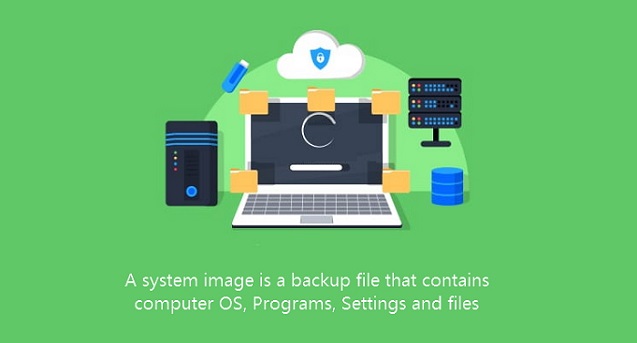
A system image, also known as a system backup, is a complete copy of your computer's operating system, programs, and settings. It's like taking a snapshot of your entire system at a specific point in time. Creating a system image backup is a way to preserve your computer's current state, including all installed programs, settings, and files, in case you need to restore it to that exact configuration later.
A system image is a complete backup of an entire hard drive, capturing everything on your computer, including the Windows OS, system settings, installed programs, and all files. It's essentially a snapshot or exact copy of the hard drive, preserving everything in its current state. This means that if you need to restore your system, a system image will get you back up and running with all your programs and files intact.
How to Downgrade Windows 11 to a Previous OS or Build in 10 Days
The automatic Windows 11 update, which was available from October 5th and valid until October 15th, allowed users to download and install the update.
Step 1. Press Windows + I to open Settings in Windows 11.
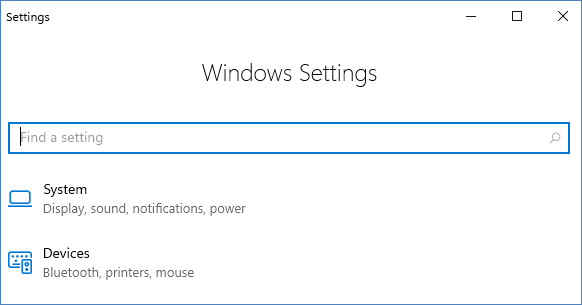
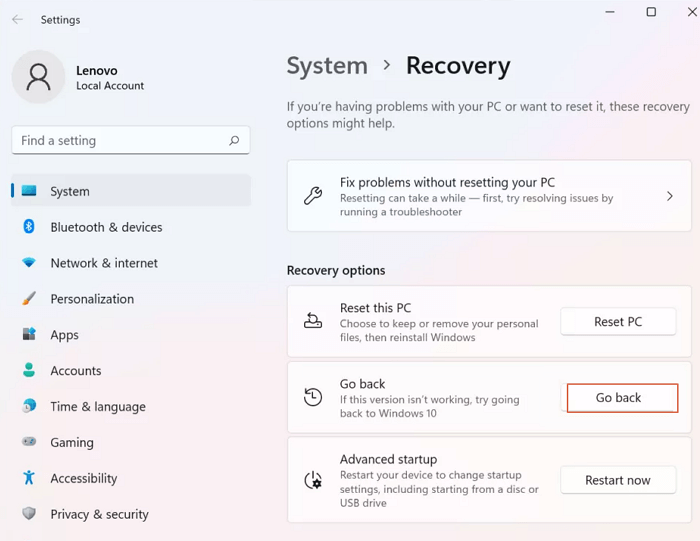
Step 2. Go to System > Recovery. Under the Recovery Options below Reset PC, click Go back.
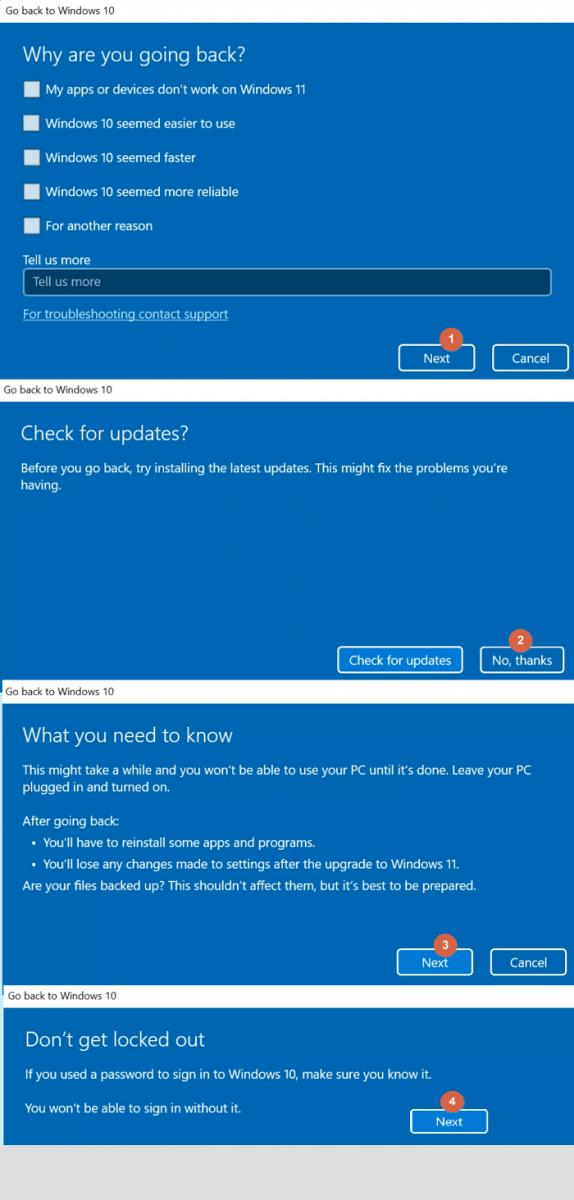
Step 3. Next, you'll be asked several feedback questions, which you can quickly click through, including "Why are you going back", "Check for updates?", "What you need to know" and "Don't get locked out". If you've decided to uninstall the current Windows 11 OS, click each Next button quickly.
Step 4. To go back to an earlier build or Windows 10, click on the "Go back to an earlier build" or "Go back to Windows 10" option.
Step 5. The system will restart to uninstall Windows 11 and revert back to a previous Windows 11 build or Windows 10.
How to Go Back to a Previous Version of Windows from Windows 11 At Any Time
This method is helpful before getting the Windows 11 update on your computer or laptop, serving as a prevention measure. It allows you to create multiple system restore points for Windows 10 or specific Windows 11 OS build version recovery.
To restore a created Windows 10/11 system image on the same computer, download and install Qiling Backup for free on your PC. You can store the system backup image on an external hard disk, USB flash drive, or save it to your cloud account. This guide is for restoring to the same computer, but if you plan to restore to dissimilar hardware, read the linked post for that procedure.
How to Create a Windows 10 System Backup Image:
*Try to boot the computer with the Qiling Backup emergency disk to accomplish system recovery on a non-bootable machine.
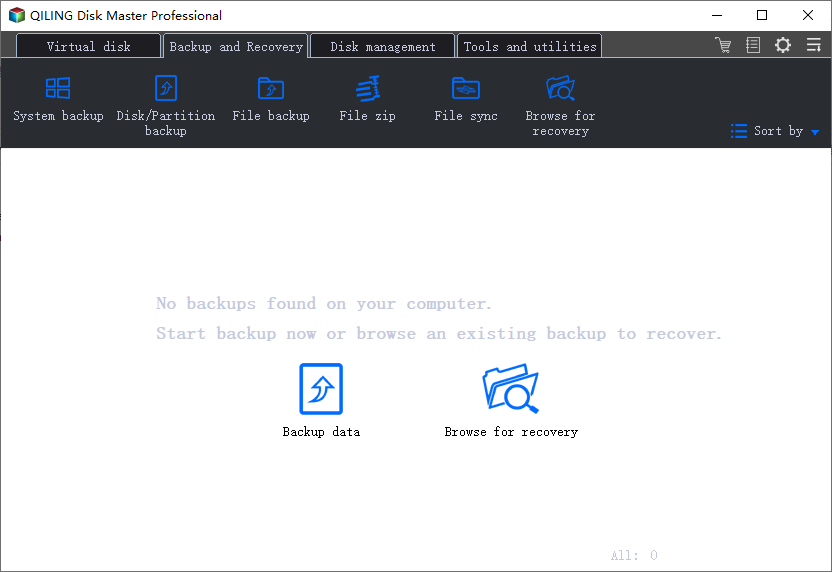
Step 1. Click System backup from Qiling Backup.
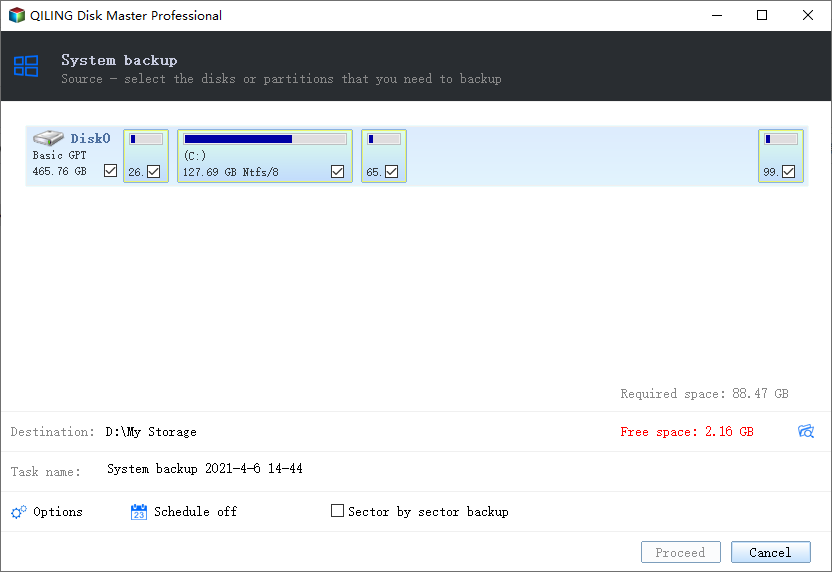
Step 2. The system partition will be selected by automatically.
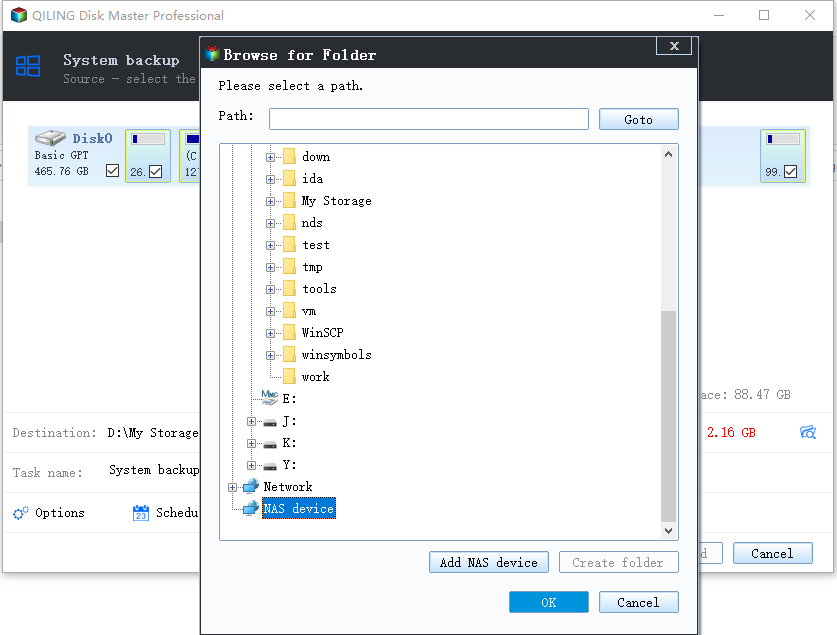
Step 3. Select target location for save the backup image.
Step 4. To begin system backup, select Proceed.
How to Restore Windows 10 from Windows 11 After Upgrade:
*Try to boot the computer with the Qiling Backup emergency disk to accomplish system recovery on a non-bootable machine.
Step 1. Click Browse to Recover to luanch Qiling Backup.
Step 2. Go to the backup location and choose the system backup file you need, which is a dfg or bzf file created by Qiling Backup.
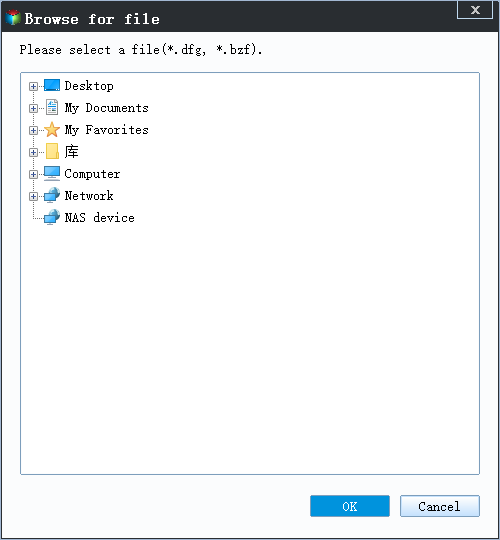
Step 3. Select source recovery disk.
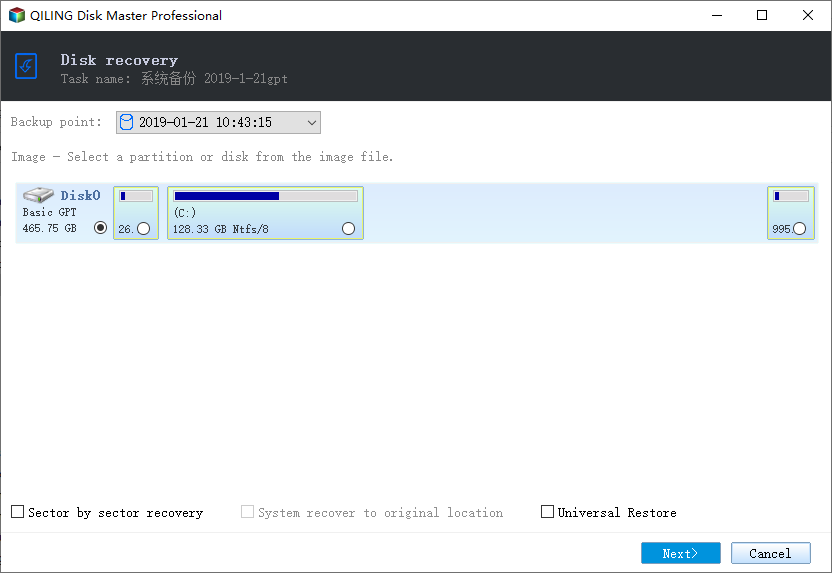
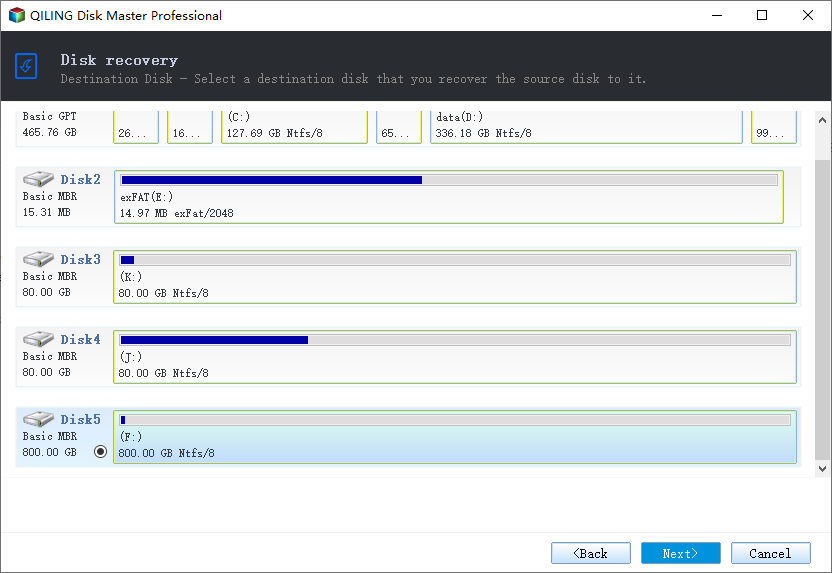
Step 4. Verify that the partition style on the source and recovery disks are the same, and select the target recovery disk for the recovery process.
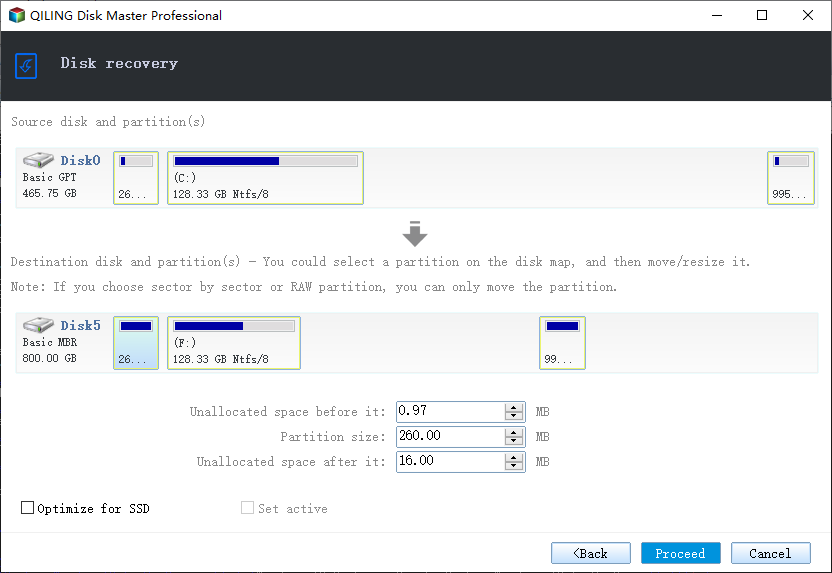
Step 5.To start system backup recovery, select the "Proceed" option after adjusting the disk layout according to your needs.
How to Perform Windows 10 Clean Install for Windows 11 Rollback
Besides the two automatic ways to downgrade Windows 11, there's another solution: using a Windows Installation Media Creation Tool to clean install Windows 10. However, this method will erase all installed programs and files from the computer drive, essentially reinstalling the operating system from scratch.
Step 1. Prepare a blank USB flash drive with at least 8GB of space or a blank DVD. Connect it to your computer.
Step 2. Download the latest Windows 10 ISO file to the USB flash drive or disc.
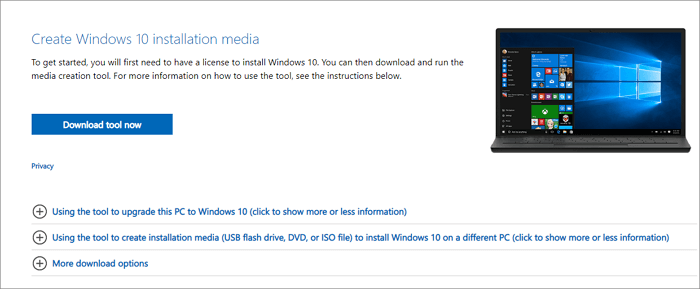
Step 3. After creating the media, restart your PC and boot from the USB or DVD. Follow the installation wizard to set up the new operating system. On the Install Windows page, choose your language, time, and keyboard preferences, then select Install Windows.
Conclusion
Microsoft allows for a 10-Windows 11 allows users to restore a previous version of Windows, such as Windows 10, within a day period, giving them a risk-free taste of the new operating system without fully committing to it. This feature is ideal for those who are hesitant to switch from Windows 10 to Windows 11, offering a chance to experience the new OS without giving up their familiar environment.
The 10-10-day limit on upgraded computers can cause issues when users try to revert, as many systems may not be able to recover in time, leaving them with no option but to live with the changes.
With a full system backup, you can safely upgrade or revert to an earlier version of your system, thanks to Qiling Backup, which allows you to do so with ease, eliminating the need for a clean install and the hassle that comes with it.
Related Articles
- Internet Explorer History, Statistics & Facts
- How to Stop Windows 11 Update (Block It Forever)
- What is Windows Image Boot (WIMBoot)?
- 2020 Top 5 Free Online PDF Service
- Partition Manager Tutorials
You can find all you needed solutions to manage hard drive space in Windows. Qiling Partition Master is reliable partition manager that help you to resize and manage disk space. - Partition Manager Tutorials
You can find all you needed solutions to manage hard drive space in Windows. Qiling Partition Master is reliable partition manager that help you to resize and manage disk space.
Products
Articles & Tutorials
- Data Recovery
- Data Backup
- File Recovery
- File Backup
- System Backup and Restore
- Disk and Partition Clone
- Technical articles
- Mobile articles
- Disk Master Help
- Windows Data Recovery Tutorials
- Windows Secure Delete Tutorials
- Windows Partition Management Tutorials
- Windows File Backup and Restore Tutorials
- Windows System Backup and Restore Tutorials
- Windows Disk Backup and Restore Tutorials
- Windows Clone Tutorials