Tips for Windows 11 Android Apps & How to Run Android Apps on Windows 11
Microsoft has released a feature that allows access to Android apps on Windows 11 computers, but it is only available in the US due to the limited availability of Amazon Store in other regions.
Our post will show you how to run Android apps on Windows 11, including downloading and installing them from the Amazon store.
Main Content:
Preparation Before Install Android Apps on Windows 11
To run Android apps on Windows 11, you'll need to install the Windows Subsystem for Android (WSA). This can be done through the Microsoft Store.
More Useful Tips: Extend Drive Space to Fix Low RAM
Preparation Before Install Android Apps on Windows 11
To get started with Android apps, you need to install Windows Subsystem that enables your Windows PC to run Android applications from the Amazon Store. Please check the system requirement first:
Check the Minimum Requirement
RAM: 8 GB (minimum)
16 GB (recommended)
Processor: Intel Core i3 8th Gen (minimum) or above
The minimum recommended CPU for this system is an AMD Ryzen 3000 or above.
The system requires a Qualcomm Snapdragon 8c (minimum) or above processor.
Processor architecture: x64 or ARM64
To check if your device meets the requirements for installing Windows 11 and Android apps, go to Settings > System > About, where you can verify the specifications, including RAM, Processor, and Operating System. This will help determine if your device is compatible with the new operating system and apps.
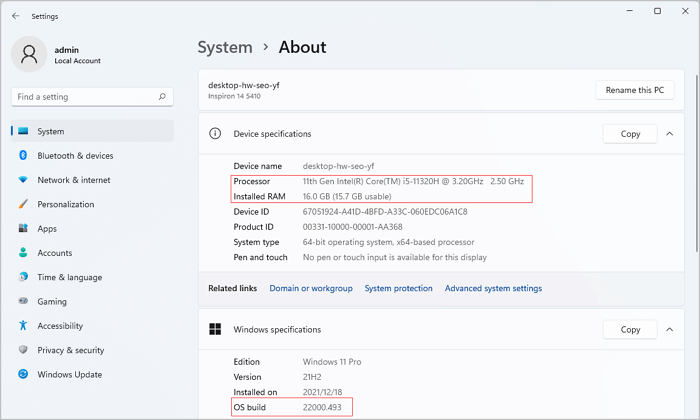
If your RAM/Memory runs out of space, you can click on the provided link to resolve the "no enough space" issue. Alternatively, you can refer to our guide on dealing with insufficient memory or disk space to complete a specific operation.
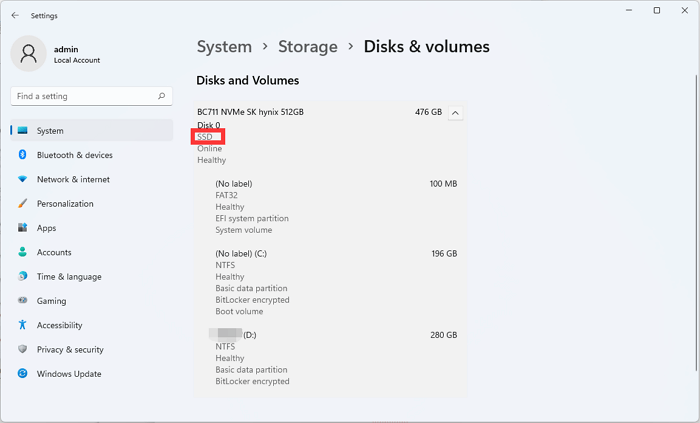
Storage type: Solid State Drive (SSD)
To see if your storage is an SSD or HDD, go to Settings, click System, choose Storage, click Advanced storage settings, and then click Disk & Volumes to see if your disk 0 is an SSD. If it's an HDD, you won't be able to run mobile apps.
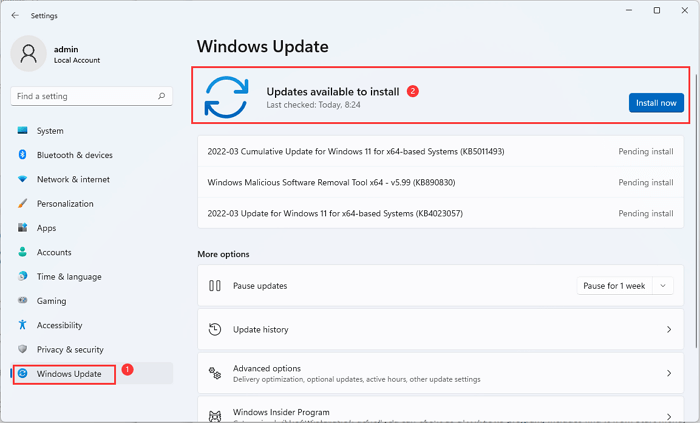
Windows 11: Update to the latest version.
To check for Windows 11 updates, open the Settings app from the Start menu, click on "Windows Update", and install any available updates.
Microsoft Store apps: Update to the latest version.
To check for updates in the Microsoft Store, open the Microsoft Store app, click the Library button on the bottom left, and then select "Get Updates".
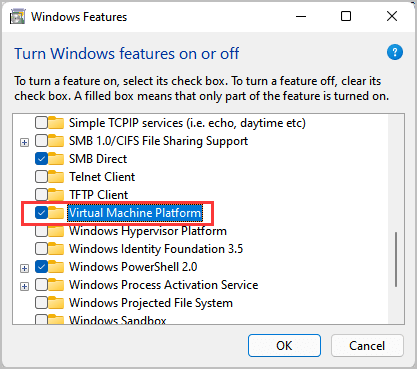
Virtual Machine Platform: Enabled.
To enable Virtual Machine Platform, open the search box and type "Turn Windows features on or off," then scroll down and tick the box next to "Virtual Machine Platform."
How to Run Android Apps on Windows 11 (Include Install WSA)
Open the Microsoft store, install Amazon Appstore, open the Windows Subsystem for Android from the Start menu.
1 - Install Amazon Appstore on PC
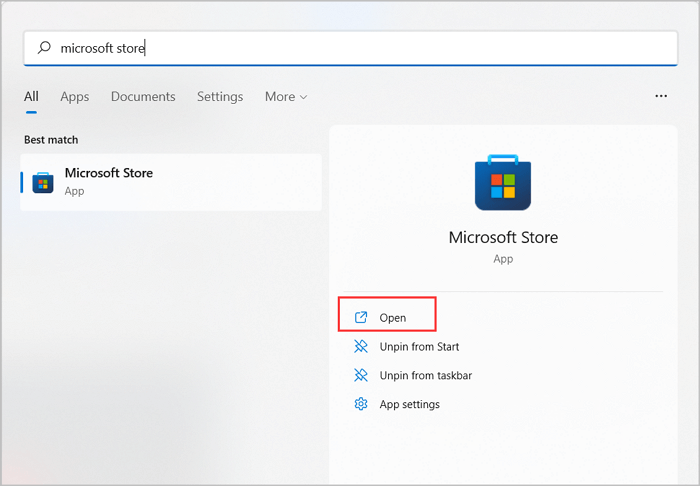
Step 1.Open the Microsoft Store, either by clicking on its icon on the taskbar if it's been pinned, or by searching for "Microsoft Store" in the search bar.
Step 2. When it opens, search for "Amazon Appstore" and click the "Install" button on the right side.
Step 3. Then a guide window will pop up to teach how to set up Amazon Appstore on your PC.
To complete the setup process, select "Set up" and then choose "Restart" to finalize the setup.
2 - Open Windows Subsystem for Android
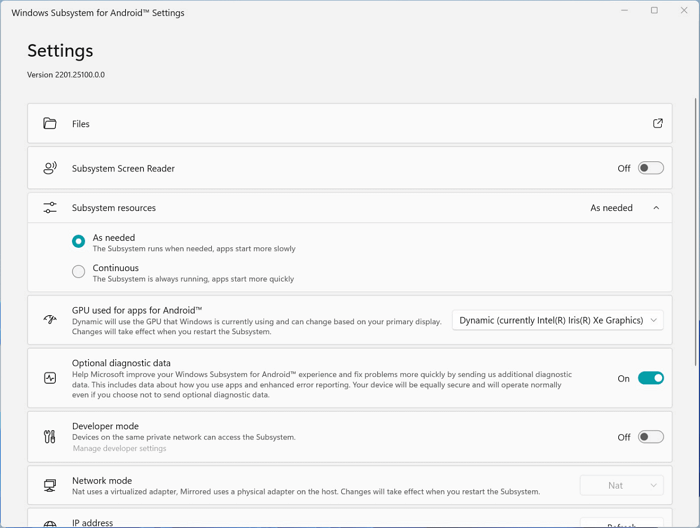
After installing Amazon Appstore, access Windows Subsystem for Android settings, navigate to Start > All Apps > Windows Subsystem for Android Settings, and select "As needed" or "Continuous" under Subsystem resources.
3 - Create A New Amazon Account and Start to Download Android Apps
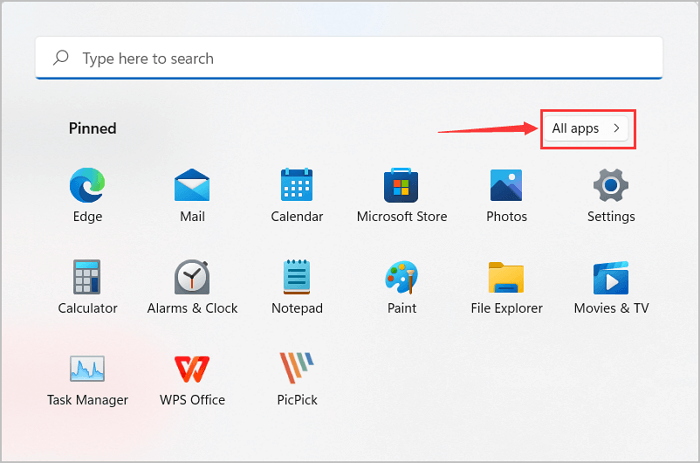
Step 1. To access the Amazon Store, start by going to the start menu and choosing "All Apps." Then, find the Amazon Store under column A. If it automatically starts without an extra click, you can skip this step. Otherwise, proceed with the start menu and app selection to open the Amazon Store.
Step 2. Sign in to Amazon or create a new Amazon account.
Step 3.After getting access to the App Store, browse and locate the Android apps you want to install on Windows 11. Click the "Install" button.
Once the installation is complete, you can use it like a regular Windows program, including finding it in the Start menu and even pinning it to the taskbar.
More Useful Tips: Extend Drive Space to Fix Low RAM
If your computer's RAM space is running low, don't panic! Instead, use a reliable disk manager like Qiling Partition Master to extend drive space without losing any data on Windows 11/10/8/7. Unlike Windows built-in programs, Qiling's "Smart Space Adjustment" feature makes it easy to resize volumes with just one click, making it a more user-friendly option.
Download Software for a try:
Step-by-step tutorial of "Smart Space Adjustment"
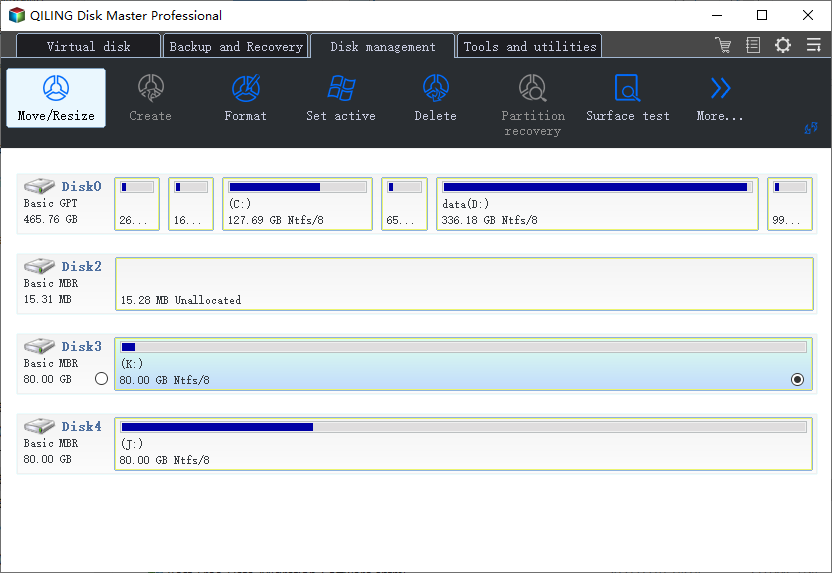
Step 1. Click "Resize/Move" on the Disk management page.
When your partition is running out of space, you can use Qiling Partition Master to extend the partition and resolve the low space issue by selecting the partition and clicking "Resize/Move" to continue.
Step 2. Drag the partition to extend partition.
Drag the partition panel rightward to add the free space.
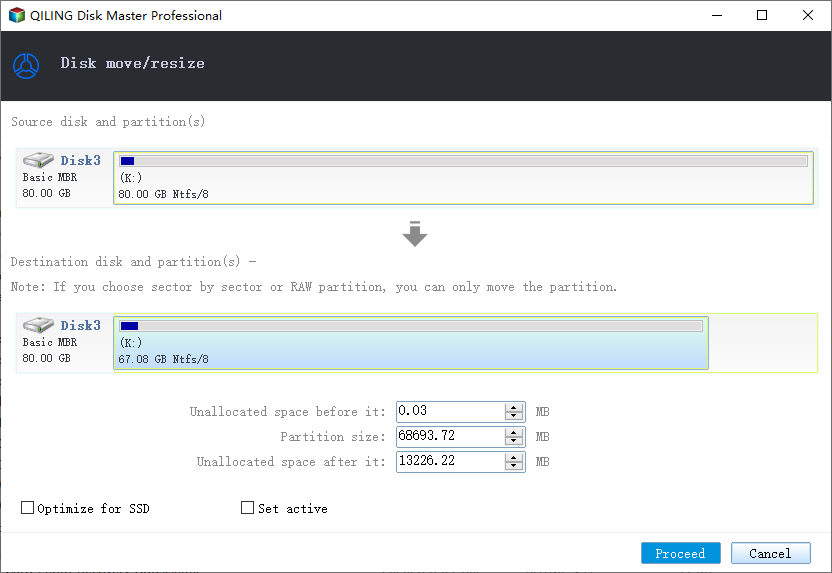
Step 3. Execute operations to extend low disk space partition.
Click the "Proceed" button to keep all changes.
Wrap Up
Our post details the system requirements and sets up Windows Subsystem for Android (WSA) to run Android apps on Windows 11. This article aims to help you create a to-do list for running Windows 11 Android Apps. If the minimum requirements are not met, you can check for updates or extend space using a third-party disk manager.
Related Articles
- [Server Helper] Convert NTFS to FAT32 in Server 2008/2012/2016/2022 without Data Loss
- Windows 11/10 Media Creation Tool: How to Download and How to Use (a Complete Guide)
- What is New Simple Volume and How to Create New Simple Volume in 2 Reliable Ways
- [Solved]How to Create EXT4 Partition in Windows 11/10
- How to Increase C Drive in Windows Server
Are you running low on space on your C drive? there are several default and built-in methods to increase your C drive space. You can try deleting unnecessary files, uninstalling unused programs, and cleaning up temporary files to free up some space. - The Beginner's Guide on How to Remove Write Protection
Write protection is a security feature that prevents data from being written to a device, such as a USB drive or SD card. It can be enabled by default on some devices or by user intention. To remove write protection, the steps may vary depending on the device and operating system.
Products
Articles & Tutorials
- Data Recovery
- Data Backup
- File Recovery
- File Backup
- System Backup and Restore
- Disk and Partition Clone
- Technical articles
- Mobile articles
- Disk Master Help
- Windows Data Recovery Tutorials
- Windows Secure Delete Tutorials
- Windows Partition Management Tutorials
- Windows File Backup and Restore Tutorials
- Windows System Backup and Restore Tutorials
- Windows Disk Backup and Restore Tutorials
- Windows Clone Tutorials