[Solved] Your Computer Is Low on Memory Windows 7/8/10 in 8 Ways
All solutions to Your computer is low on memory on Windows 10/8/7:
| Workable Solutions | Step-by-step Troubleshooting |
|---|---|
| Fix 1. Close programs | Your computer is low on memory error is displayed when your programs are using too much memory...Full steps |
| Fix 2. Use Windows troubleshooter | Windows troubleshooter can be helpful if a program is forcefully closed, or if something isn't working...Full steps |
| Fix 3. Run system file scan | Run SFC scan to check and repair corrupted system files, like a corrupted registry file. SFC scan...Full steps |
| Fix 4. Increase virtual memory | By increasing your virtual memory, you will be able to resolve the low memory issues or alerts...Full steps |
| Other 4 more useful tips | Other solutions are: upgrade RAM, update Windows to the latest version, repair bad sectors...Full steps |
"Your computer is low on memory. Windows is closing your program to free up memory."
In Windows 10, the error message reads as "Your computer is low on memory. To free up some memory, please close a few programs and then try again."
The error message in Windows 7 is "Close programs to prevent information loss. Your computer is low on memory. Save your files and close these programs."
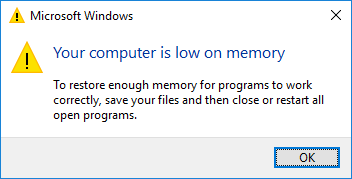
The "Your computer is low on memory" issue occurs when a computer runs out of RAM and virtual memory, causing it to slow down or become unresponsive. This is different from running out of physical disk space on hard drives or storage devices, and can result in repeated alerts or false alarms.
If you're experiencing issues due to a computer running out of memory, we're here to help. The troubleshooting methods on this page are designed to assist you in resolving the problem and getting your computer back up and running smoothly.
Backup Files to Avoid Data Loss Due to Low Memory on Computer
Some users experience low memory errors, which can lead to black screen issues and data loss due to computer crashes. To avoid this, it's recommended to frequently back up data.
Qiling Backup provides a comprehensive backup solution for Windows computers, allowing users to back up their entire system, individual disks or partitions, and specific files, ensuring data protection and recovery.
This software enables you to clone the system, allowing you to duplicate your operating system to another hard drive, USB, or other storage media. Additionally, it facilitates the migration of your OS to an SSD without requiring a full Windows reinstall.
You can free download Qiling data backup software on your Windows 10/8/7 computer to regularly back up your data and avoid loss.
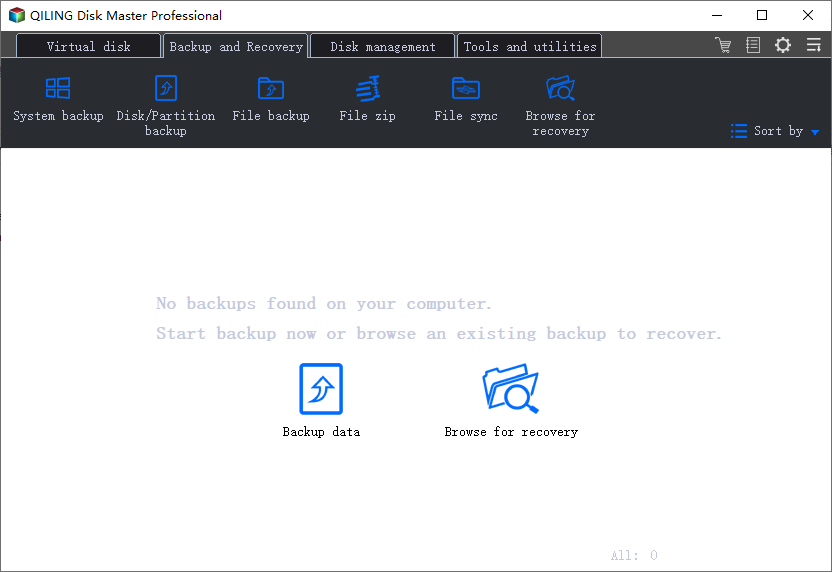
Step 1. To start the backup process, click the "File backup" button on the "Backup and recovery" page.
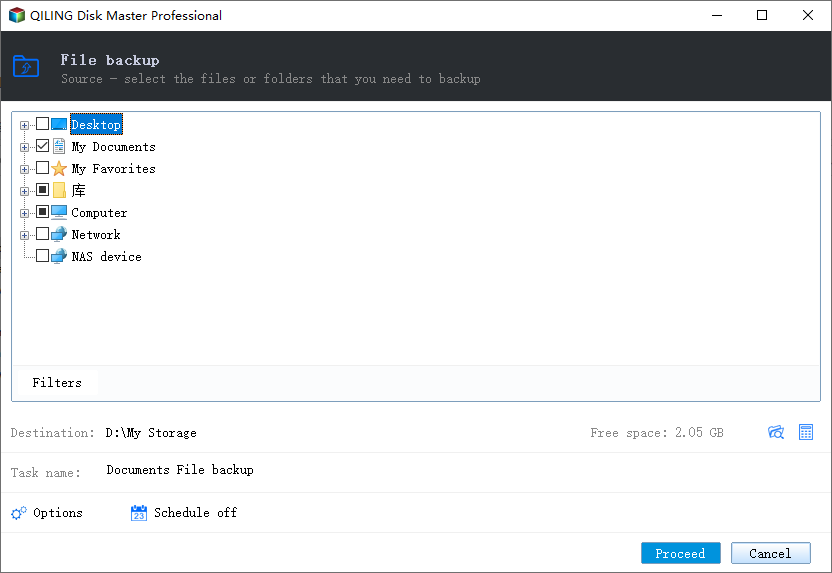
Step 2. The left-hand side of the screen displays lists of both local and network files, allowing you to expand directories and select the files to be backed up.
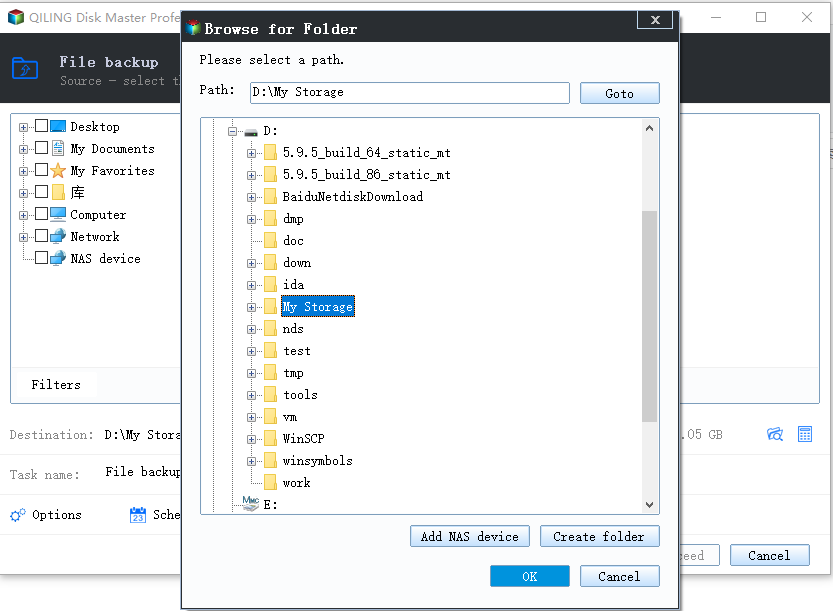
Step 3. Follow the on-screen instructions and select the location where you'd like to save the backup.
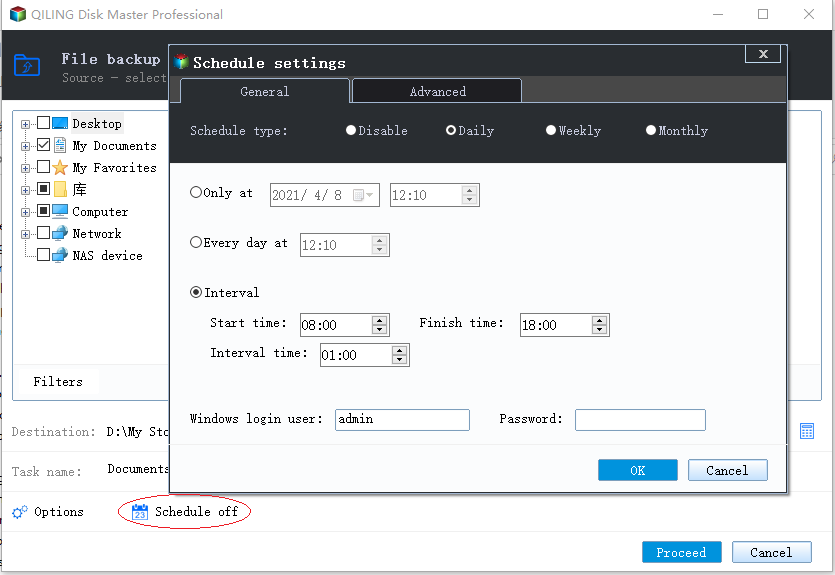
Step 4. To ensure your backup is secure, encrypt it and set a backup schedule by clicking on "Options" within "Backup Options".
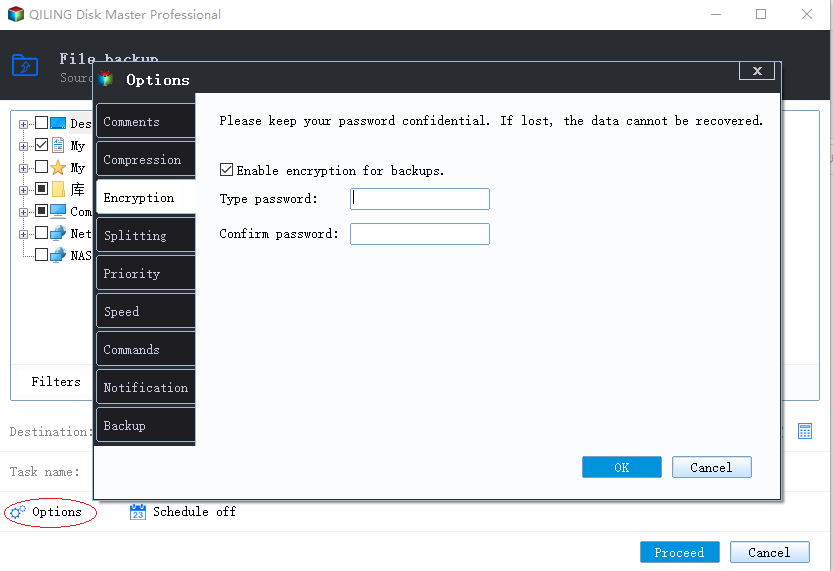
You can also choose to start the backup at a certain time by clicking Options in Backup Scheme.
Step 5. You can save the backup file to your computer, Qiling's cloud service, or a network-attached storage device.
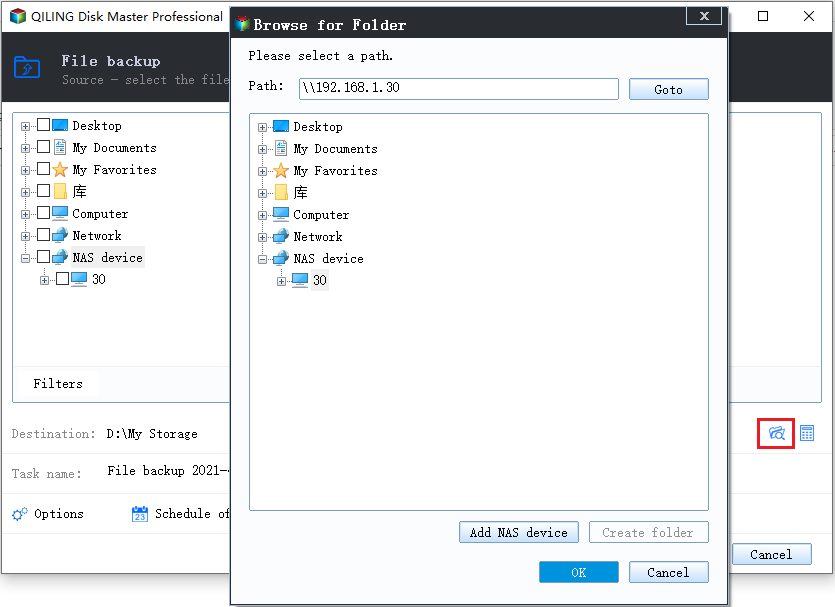
Step 6. Qiling Backup allows customers to store backup copies of their files either on a third-party cloud drive or on the company's own cloud storage.
To back up data on a third-party cloud drive, select Local Drive, scroll down to add Cloud Device, and fill in your account information.
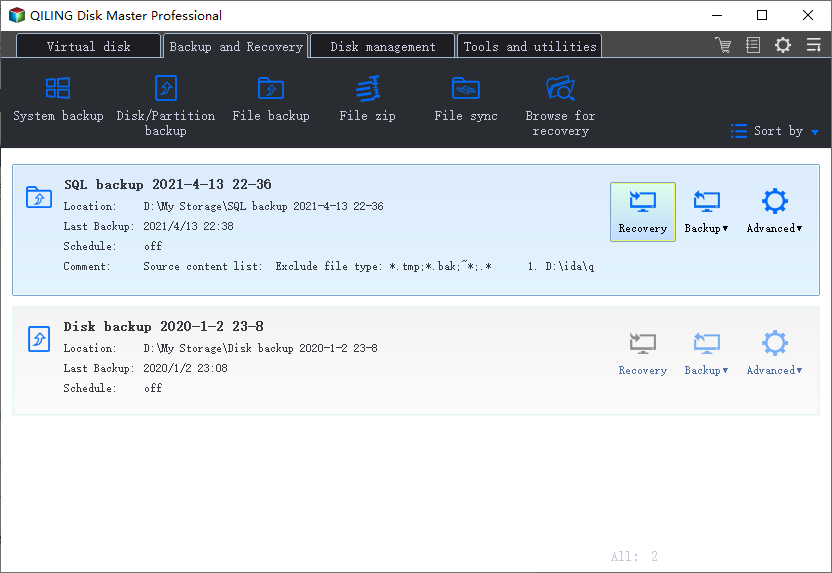
Step 7. To start a backup, click on the "Proceed" button. Once the backup process is complete, it will be displayed as a card on the left-hand side of the screen. You can right-click on the card to view more details and options for handling the backup job.
If your computer is experiencing a boot issue due to low memory, you can still use Qiling Backup to restore and backup files using a bootable USB in the WinPE environment.
8 Ways to Fix Your Computer Is Low on Memory Windows 10/8/7
Some malicious files infected by viruses or malware might cause a "Your Computer is low on memory" error, despite having enough memory. To resolve this, run a full scan with Windows Defender or a third-party antivirus program to remove malware and viruses.
If a virus or malware infection isn't the cause of low memory, try closing unused applications, disabling startup programs, and checking for updates to your operating system and software. Additionally, consider upgrading your RAM or replacing your hard drive with a solid-state drive (SSD) to improve your computer's performance.
1. Close the Programs That Are Using Too Much Memory
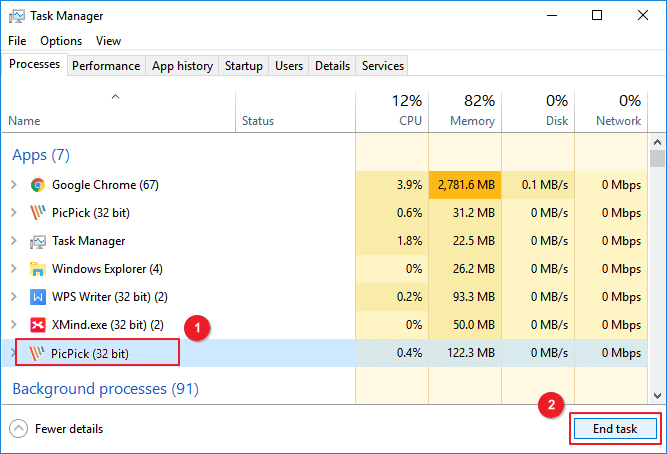
Processes using too much memory may throw an exact low memory error on your computer. To end such a process in the Task Manager, especially when Windows OS is experiencing high RAM or CPU usage issues, you can follow a beneficial approach.
Step 1. To access the Task Manager, press the "Ctrl + Alt + Del" keys simultaneously on your keyboard, which will bring up a menu. From this menu, select "Task Manager" to open the Task Manager application.
Step 2. To resolve issues caused by a process using excessive memory, navigate to the Process tab, identify the process consuming the most memory, right-click on it, and select "End task" to terminate the process and free up memory. This should resolve the problem.
2. Use Windows Troubleshooter
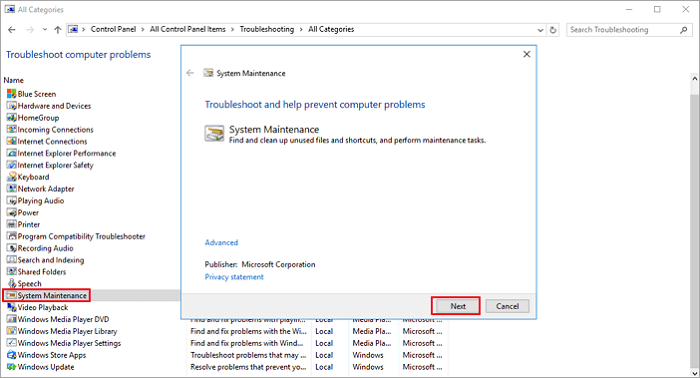
If your Windows system is experiencing issues and displaying a "Your Computer is low on memory" error, you can try running Windows Troubleshooter and performing system maintenance to resolve the problem.
Step 1. Type Troubleshooting in the search box.
Step 2. On the left panel, select "View All" and choose "System Maintenance" from the list.
Step 3. Click on "Next" and wait while your system finishes the troubleshooting process.
3. Run System File Scan
If your system files, such as registry files, have become corrupted, you may receive the "Your computer is low on memory" error on Windows 7, 8, or 10. To resolve this issue, use Microsoft's System File Checker, which verifies the integrity of all protected system files and repairs any files with problems. This utility can help restore your system to a healthy state, resolving the memory-related error.
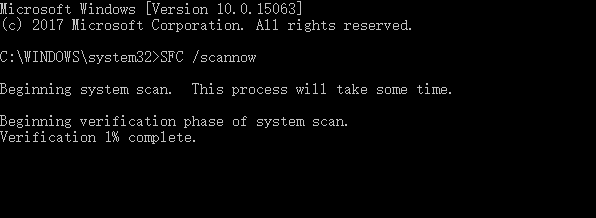
Step 1. To run Command Prompt as an administrator, type cmd in the Search box, right-click on Command Prompt, and select Run as Administrator.
Step 2. Now type the sfc /scannow command, and press Enter.
Step 3. Wait for the scanning process to complete and then restart your computer. If corrupted system files cause the computer low memory, the problem will be solved.
To fix Windows Resource Protection found corrupt files but was unable to fix some of them, you can try running the System File Checker (SFC) scan again in an elevated command prompt, and also try running the DISM (Deployment Image Servicing and Management) tool to scan and repair corrupted system files. Additionally, you can try running a System Restore to a point before the corruption occurred, or try booting in Safe Mode and running the SFC scan again.
4. Increase the Virtual Memory
Increasing virtual memory can help resolve low memory issues on a computer. To do this manually, follow these steps. There are no dedicated apps for this purpose.
Step 1. Press "Windows + R" and type sysdm.cpl in the Run dialog box, click "OK" to open System Properties.
Step 2. Click "Advanced system settings".
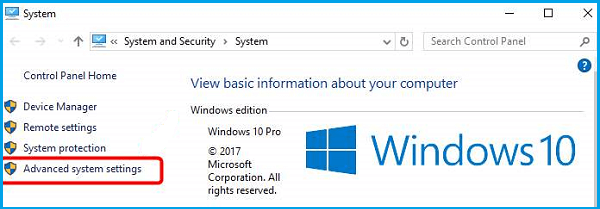
Step 3. Then click "Settings" under the Advanced pane on System Properties.
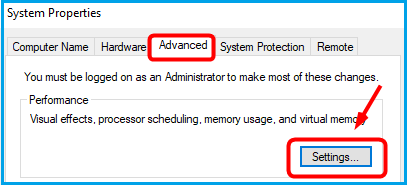
Step 4. Go on to click "Change" under the Advanced pane.
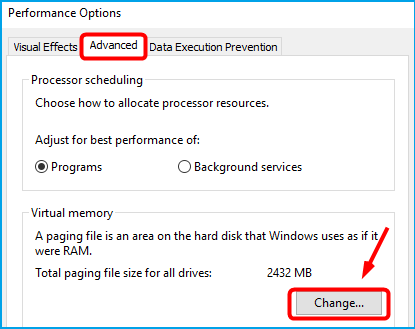
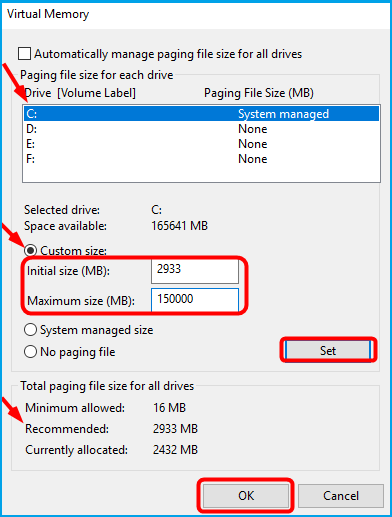
Step 5. Uncheck "Automatically manage paging file size for all drives".
- Tick on "Custom Size".
- Set the initial and maximum size of the window by entering a value greater than the recommended size in the corresponding fields.
- Click "Set" and "OK".
5. Upgrade RAM
Upgrading your RAM can help speed up your computer and reduce system freezes or hangs, especially if you're experiencing low memory problems.
If you're not a computer professional, it's best to avoid making changes to your computer system yourself, as it can lead to problems. Instead, consider seeking the help of a computer expert who can assist you with any issues.
6. Update Windows to the Latest Version
Make sure you are running the latest Windows version, as Microsoft regularly releases updates to improve stability and fix issues, which may resolve the problem of your computer being low on memory.
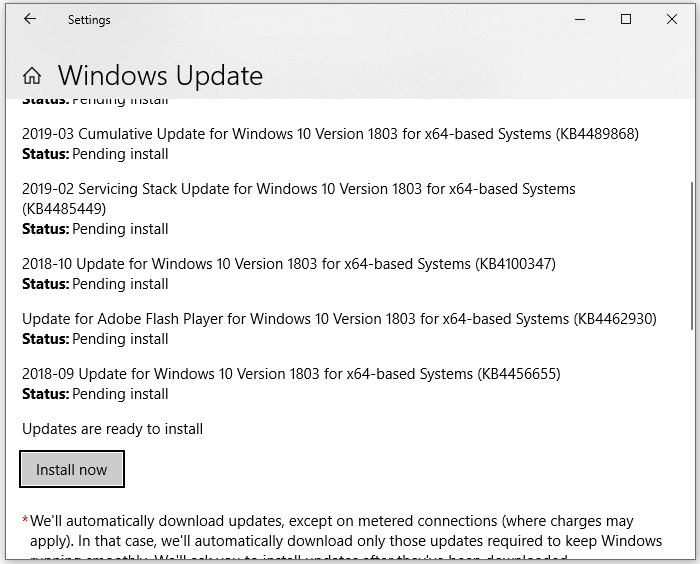
Step 1. To check for Windows updates, go to Settings, click on "Update & security", and then click on the "Check for updates" button. This will check if there is a new version of Windows available.
Step 2. If there is an update available, install it immediately and restart your computer afterward.
7. Check and Repair Disk Errors
Running a file system check can help repair corrupted file system disk and potentially resolve the "Your computer is low on memory" issue caused by bad sectors on the disk.
Qiling Partition Master Free is a free disk management tool that allows you to create, delete, format partitions, resize or move them to free up space, merge partitions, clone disks, wipe data, and convert disks or partitions.
Now, download and use this free disk management tool to check and repair bad sectors on your disk to solve computer low memory issue on Windows 7, Windows 8, and Windows 10.
8. Run System Clean Up to Remove Junk and Temporary Files
If your computer is running low on memory, a useful fix for Windows 7, 8, or 10 is to delete junk and temporary files and folders. To do this easily, you can use a free PC disk clean up tool.
Step 1. Download and install Qiling Partition Master Suite.
Step 2. 1) Install Qiling CleanGinus, 2) click "Cleanup", 3) click "Scan" to clean up your PC.
Step 3. The software scans your entire computer to identify large, unnecessary data files, system junk files, and Windows invalid entries, allowing you to select and delete them with a single click on the "Clean" button.
Step 4.When the scan is complete, click "Done" to finish cleaning system junk files.
To Sum Up
We've provided various solutions in this article to resolve the "Your computer is low on memory" issue on Windows 10, Windows 8, and Windows 7. If you've tried all the suggestions and still encounter the problem, you can reach out to our technical support team via email at support@idiskhome.com for immediate assistance.
More FAQs About Your Computer Is Low on Memory Windows 7
Here are more frequently asked questions about the problem: Your computer is low on memory. Let's check them together.
What does it mean when your computer is low on memory?
When you get a "Your computer is low on memory" error message, it means your computer is running out of RAM and virtual memory, preventing you from opening programs or saving data until the issue is resolved.
Why is my available RAM so low?
The computer is low on memory because some programs are taking up too much space, or the system BIOS may be outdated, preventing it from accessing all the installed RAM, which can be resolved by updating the BIOS to the latest version.
What are the signs of insufficient RAM on your computer?
When your computer runs out of RAM, you may receive the error message "Your computer is low on memory to restore enough memory for programs to work correctly, save your files and then close or restart all open programs."
Running multiple programs at once can be difficult due to low memory, preventing applications from opening or saving data. Additionally, it can cause black screen issues, requiring a reboot.
How do I fix low RAM on my computer?
To fix the "computer out of memory" issue on Windows 10/8/7, you can try running the System File Checker, disabling startup programs, closing unnecessary apps, and freeing up disk space. Additionally, you can also try running the Task Manager to see which processes are consuming the most memory and close them if necessary.
- Run antivirus software for a full system scan
- Close the programs that are using too much memory
- Use Windows troubleshooter
- Manually increase virtual memory
- Repair corrupted file system
- Update Windows to the latest version
- Clean junk and temporary files and folders
- Remove recently installed software
How do I free up more memory on my PC?
If your RAM is in high usage, try closing unnecessary applications, disabling startup programs, and checking for malware. You can also try restarting your computer, running a disk cleanup, and updating your operating system to free up RAM.
- Restart your PC
- Close used software
- Use lighter apps and manage programs
- Scan for malware
- Adjust virtual memory
- Try ReadyBoost
- Increase more RAM
Related Articles
- How to Factory Reset PS4 [2022 Complete Guide]
- Fix macOS Sierra 10.12.1 Update Stuck or Fail to Download Error
- 5 Ways to Fix a Corrupted User Profile in Windows 10/8/7
- Fix Windows 10 Stuck on Loading Screen Error
- 2 Ways to Log in as Administrator in Windows 10
An administrator account in Windows 10 possesses all the privileges.The are two primary ways to log in as an administrator in Windows 10. This article will share how to log in as an administrator in Windows 10 using Microsoft or a local account. - How to Make Bookmark Folders to Organize Bookmarks
Bookmark folders provide great utility to manage all your bookmarks in an efficient way. This article discusses how to make bookmark folders in top-tier browsers like Google Chrome, Safari, and Firefox.
Products
Articles & Tutorials
- Data Recovery
- Data Backup
- File Recovery
- File Backup
- System Backup and Restore
- Disk and Partition Clone
- Technical articles
- Mobile articles
- Disk Master Help
- Windows Data Recovery Tutorials
- Windows Secure Delete Tutorials
- Windows Partition Management Tutorials
- Windows File Backup and Restore Tutorials
- Windows System Backup and Restore Tutorials
- Windows Disk Backup and Restore Tutorials
- Windows Clone Tutorials