Transfer Windows 10 System Files to New HDD or SSD
How can I transfer Windows 10 system files to new HDD or SSD
When Windows 10 is available, I upgraded my laptop the new system. It is really amazing. But later, I bought a new SSD on Amazon and planned to use it as the boot drive. So I can use the old hard drive as a storage device for data backup or data transfer. Obviously, I need to migrate os from HDD to SSD You're looking to transfer Windows 10 system files to a new HDD or SSD without reinstalling. This process is called a "clean install" or "clone," and it's a bit more involved than a simple file transfer. You'll need to use a tool like Qiling Disk Master to create an image of your current system, which includes all the installed programs and settings. Alternatively, you can use the built-in Windows feature called "Disk Cleanup" to remove unnecessary files and then transfer the remaining files to your new drive. However, this method may not preserve all of your system settings and installed programs. If you're not comfortable with this process, reinstalling Windows 10 from scratch may be the safest option. I hope this helps you make an informed decision.
Many users face difficulties when trying to transfer Windows 10 to a new HDD or SSD, but with the right steps, the process can be simple. To migrate the system files, you can follow these steps to successfully transfer Windows 10 to your new storage device.
Can I Copy Windows 10 system files to another drive
Windows 10 system files are too numerous to copy completely, even with copying and pasting, resulting in missing special files, such as system files, program files, and registry entries. This can lead to system instability and potential crashes. It's not recommended to copy and paste system files, as it can cause more harm than good. Instead, use the built-in Windows tools, such as System Restore, to restore your system to a previous state, or use a reliable backup and restore software to ensure your system files are safe and up-to-date.
- Files are hidden when Windows Installation.
- The boot loader which to boot the Windows system.
Transferring an operating system to a new hard drive can be done securely using Qiling Partition Master. To do this, follow these steps: follow the steps below.
Transfer Windows 10 system files to new HDD or SSD
To migrate your Windows 10 system to a new drive, you can use Qiling partition software, which is typically used for hard disk partition management. However, it also features a "Migrate OS to HDD/SSD" option that allows you to transfer your system to a new drive without losing any data, making it a useful tool for this specific task.
Note: When migrating your operating system to a new SSD or HDD, be aware that if the target disk doesn't have enough unallocated space, the operation will erase all existing partitions and data on that disk, including any important files you may have stored there. To avoid losing your data, it's essential to back up any important files to an external hard drive before proceeding.
Step 1.To migrate the OS, select "Migrate OS" from the tools page, choose the SSD or HDD as the destination disk, and click "Next".
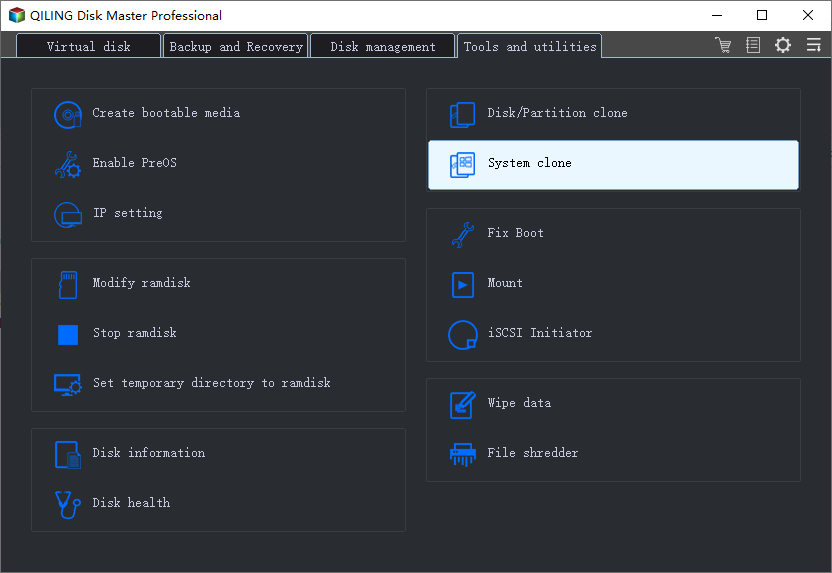
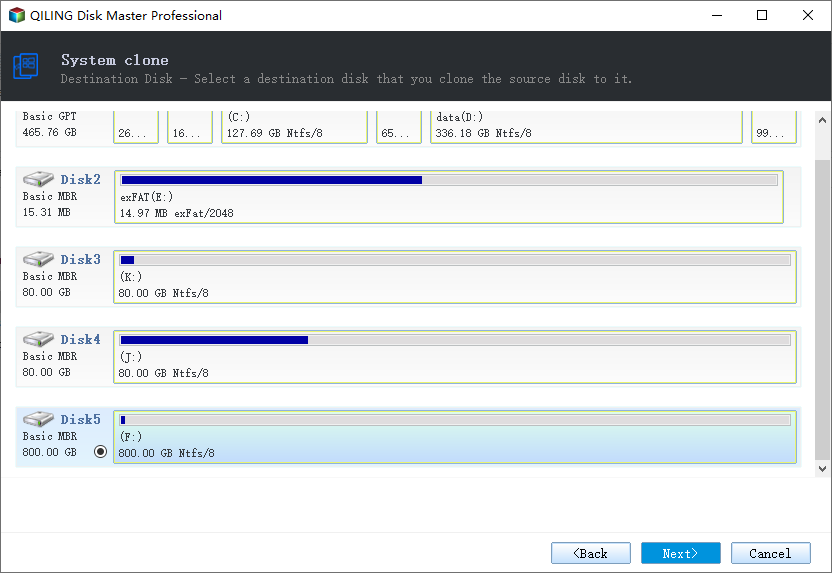
Select the destination disk, either the SSD or HDD, and click "Next".
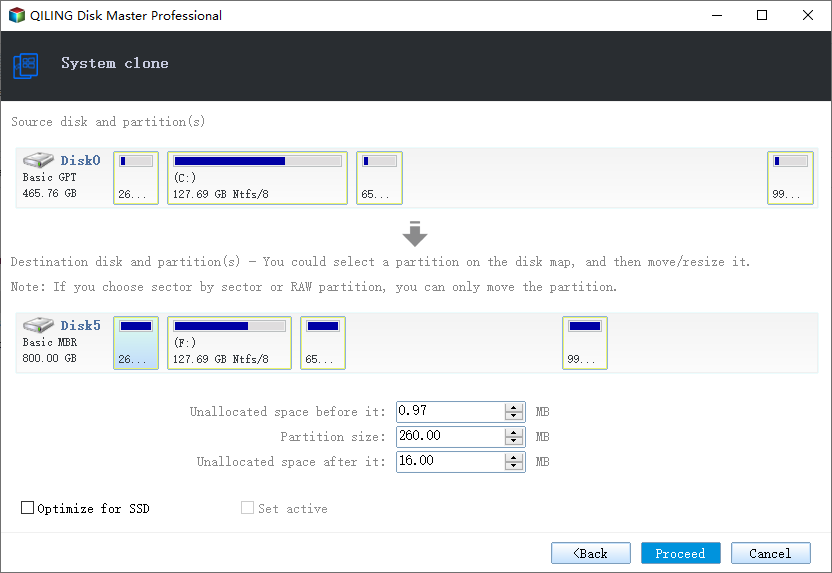
Step 2. Preview the layout of your target disk, customize it if needed, and then click "Proceed" to start migrating your OS to a new disk.
Step 3. Click "OK" after check warning message. The data and partitions on the target disk will be deleted. Make sure that you've backed up important data in advance. If not, do it now.
More Info: Transfer Windows 10 Programs files to Another Drive
If you're looking to move program files to the D drive, you can either do it manually or use a more straightforward method found at the link provided.
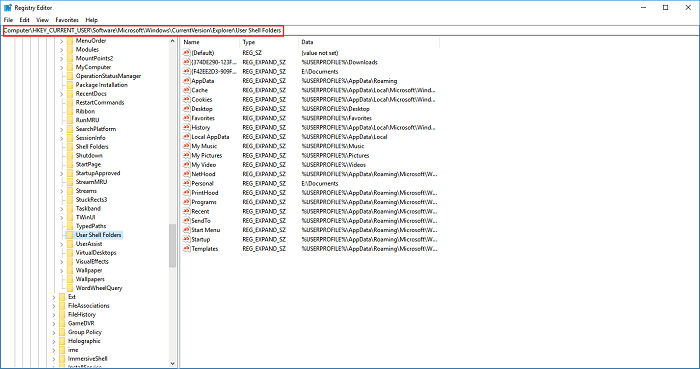
Step 1. Press Windows + R, and type Regedit.exe in the box.
Step 2. Find the following path (HKEY_LOCAL_MACHINE\SOFTWARE\Wow6432Node\Microsoft\Windows\CurrentVersion) on Registry Editor and change drive letter from C: to D: or other drives.
Related Articles
- How to Improve SSD Performance in Windows 11 [Step-by-Step]
- How to Transfer OS to SSD Without Reinstalling Windows (Windows 11 Support)
- Format FS=NTFS Diskpart Has Encountered an Error
- Windows 11 End of Support Date Confirmed and What to Do With That [2022 Guide]
- How to Make Unallocated Space Contiguous to Extend Partition?
This article will tell how to make unallocated space contiguous to system partition or other partitions, then you can extend volume successfully. - How to Move Unallocated Space to C Drive without Deleting Partition?
When you want to allocate disk space to C drive, read this article. Here we introduce how to move allocated space to C drive without formatting or deleting any other partitions step by step.
Products
Articles & Tutorials
- Data Recovery
- Data Backup
- File Recovery
- File Backup
- System Backup and Restore
- Disk and Partition Clone
- Technical articles
- Mobile articles
- Disk Master Help
- Windows Data Recovery Tutorials
- Windows Secure Delete Tutorials
- Windows Partition Management Tutorials
- Windows File Backup and Restore Tutorials
- Windows System Backup and Restore Tutorials
- Windows Disk Backup and Restore Tutorials
- Windows Clone Tutorials