How to Remove Write Protection from a Pen Drive
When a pen drive is write-protected, Windows may block copying, deleting, formatting, or renaming files.
The cause can be a lock switch, read-only attribute, registry policy, file system damage, or failing flash memory.
PAGE CONTENT
- What This Problem Means
- Before You Start
- Use Windows Built-in Tools First
- Use the Qiling Product Workflow
- Check the Result
- FAQs
What This Problem Means
Write protection prevents changes. It may be intentional, policy-based, or a symptom that the USB drive is failing.
- Some USB drives and SD adapters have a physical lock switch.
- DiskPart can clear software read-only attributes.
- Registry policy can block writing to removable drives.
- If files are important, recover them before formatting.
- 顦?/i> Important
- Do not run clean or format commands before recovering needed files.
Before You Start
Try another USB port and another computer. If Windows asks to format, recover files first.
- Confirm the exact disk, partition, USB drive, SD card, or Windows installation you are changing.
- Copy irreplaceable files to another drive if the device is still readable.
- Check whether BitLocker, Secure Boot, UEFI/Legacy mode, or a vendor recovery partition is involved.
- Avoid formatting, deleting, wiping, or running DiskPart clean until you know whether data must be recovered first.
Use Windows Built-in Tools First
Windows includes several checks for software-based write protection.
Step 1. Check the USB body and adapter for a lock switch.
Step 2. Run DiskPart as administrator, list disk, and select the USB disk carefully.
Step 3. Run attributes disk clear readonly, then reconnect the drive.
Step 4. Check StorageDevicePolicies in Registry Editor and set WriteProtect to 0 if present.
Step 5. If the drive is readable but not writable, copy files away before formatting.
Recover Data First with Qiling Deep Data Recovery
If the drive is unreadable, RAW, write-protected, or about to be formatted, recover important files before repair. Formatting, cleaning, or repeated write tests can overwrite recoverable data.
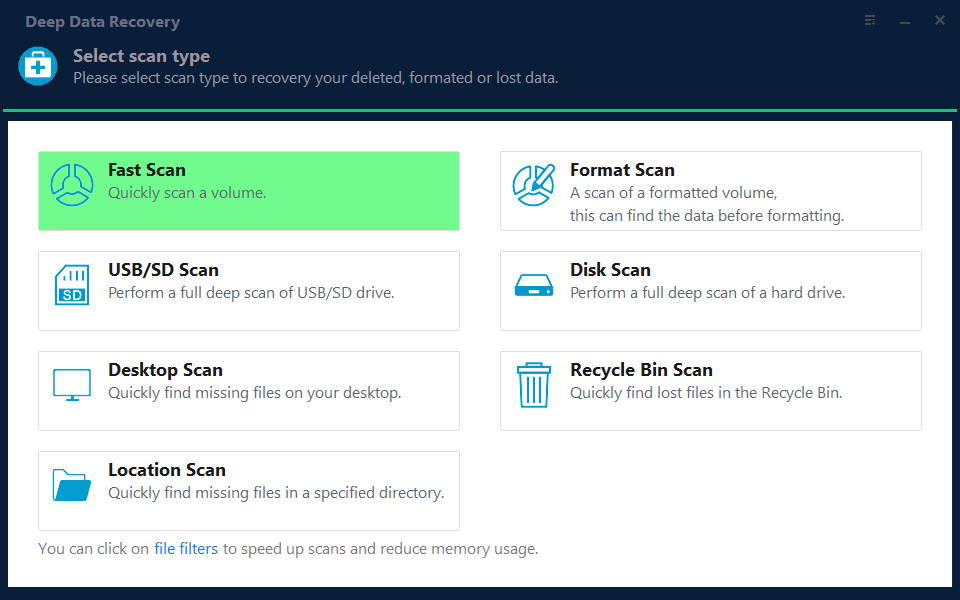
Step 1. Open Qiling Deep Data Recovery and choose the scan mode that matches the case, such as USB/SD Scan, Format Scan, or Disk Scan.
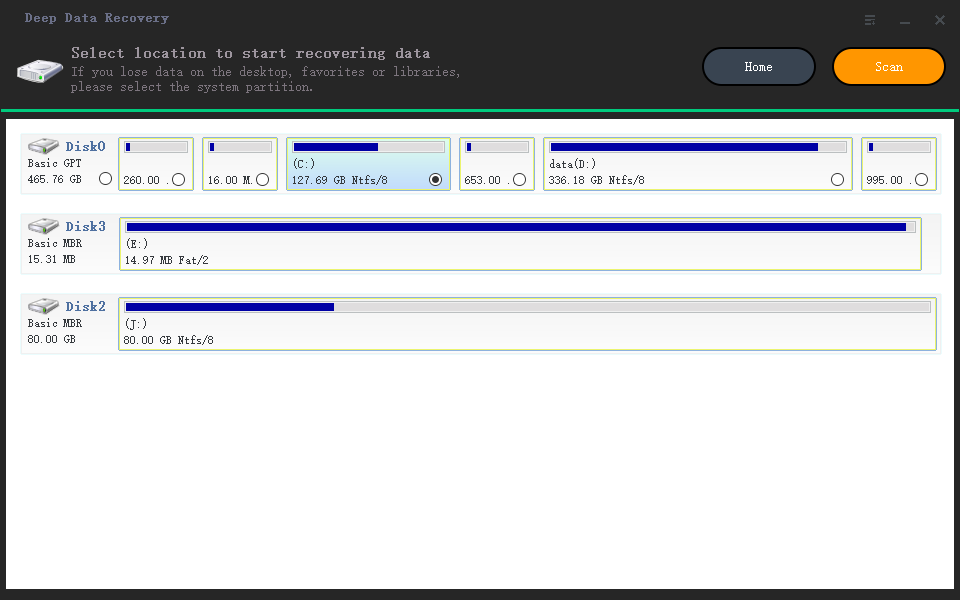
Step 2. Select the original drive, USB drive, SD card, or partition. Confirm it by capacity and drive letter, then click Scan.
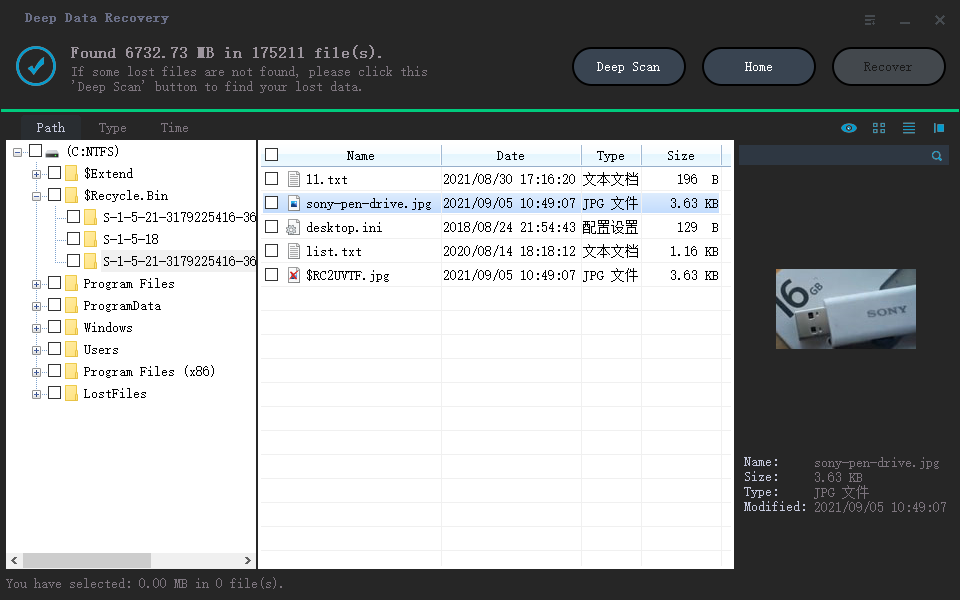
Step 3. Let the scan finish. Browse results by path or type, and use search, extension, size, and modified date to narrow the list.
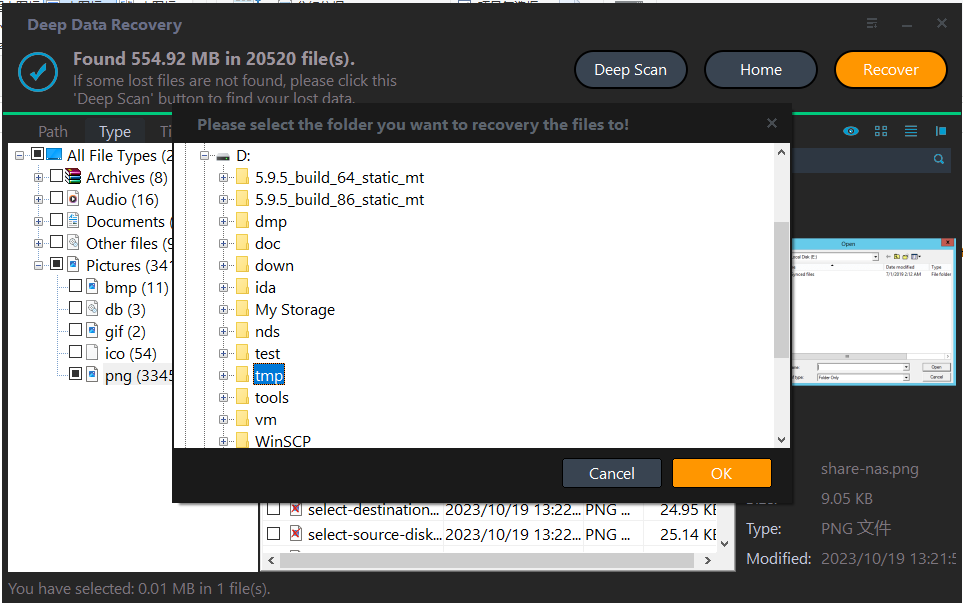
Step 4. Select the files you need and click Recover. Save them to a different physical disk, not back to the damaged or formatted device.
Check the Result
Copy a small file to the drive, eject it safely, reconnect it, and confirm the file remains readable.
- Restart Windows and confirm the drive, partition, backup task, or cloned disk appears as expected.
- Open several files instead of only checking that a drive letter exists.
- Keep one recent backup on an external drive before making another high-risk change.
- If the same error returns, check hardware health, cable quality, firmware, and Event Viewer before repeating the same operation.
FAQs
Why is my pen drive write-protected?
It may have a switch, read-only attribute, Windows policy, corruption, or failing flash memory.
Will formatting fix write protection?
Only if Windows can still write to the device. Hardware failure may keep it locked.
Can I recover files from it?
Yes, if Windows can read the device. Save recovered files to another disk.
Conclusion
Handle a write-protected pen drive carefully. Clear software locks first, recover data if unstable, and replace the drive if the issue returns.
Related Articles
- Best Free Partition Manager Software of 2026
- How to Clone HDD to SSD in Windows 10/11/7
- Windows System Backup and Restore Tutorials
- Windows Data Recovery Tutorials
Products
Articles & Tutorials
- Data Recovery
- Data Backup
- File Recovery
- File Backup
- System Backup and Restore
- Disk and Partition Clone
- Technical articles
- Mobile articles
- Disk Master Help
- Windows Data Recovery Tutorials
- Windows Secure Delete Tutorials
- Windows Partition Management Tutorials
- Windows File Backup and Restore Tutorials
- Windows System Backup and Restore Tutorials
- Windows Disk Backup and Restore Tutorials
- Windows Clone Tutorials