How to Fix Windows 10 Start Menu Not Working or Opening When Clicked
The start button is a crucial component of a Windows computer, and this guide provides various ways to fix the issue of the Windows 10 start menu not working.
| Workable Solutions | Step-by-step Troubleshooting |
|---|---|
| 1. Sign out and sign in account | The start menu won't work if there's a problem with your user account. Sign out of your account...Full steps |
| 2. Restart Windows Explorer | Windows Explorer is the application used to view your programs and files. Restart Windows Explorer...Full steps |
| 3. Run SFC scanner | Windows has a system file checker that fixes corrupted system files and fixes start menu freezing...Full steps |
| 4. Use the DISM tool | If the SFC method fails, you can use a different command - DISM to repair the damaged system file to fix...Full steps |
| More effective solutions | Fix Windows 10 start menu not working issue by checking Windows update, creating new values in Registry...Full steps |
Since its release in 2015, Windows 10 has gained a significant user base, with its user proportion nearing 80%. Each subsequent update has introduced new features, but also brought various problems and issues for users.
Windows 10 start menu not working or not opening is a common issue that can be caused by various factors, including software conflicts, corrupted system files, or issues with the Windows Search service, and can be resolved by restarting the Windows Explorer process, running a System File Checker scan, or resetting the Start menu to its default settings.
Windows 10 start menu not working can be frustrating, with issues such as not opening or freezing. This problem can be caused by various factors, including corrupted system files, outdated drivers, or conflicts with other applications.
Why Is Windows 10 Start Menu Not Working
The Windows 10 start menu not opening can be caused by several factors. Before we dive into the fixes, it's essential to understand the underlying causes, which include issues with the Windows Search service, corrupted system files, incorrect settings, and problems with the Windows Explorer process. Once we have a clear picture of the potential causes, we can proceed with the necessary steps to resolve the issue.
- The start menu is not functioning properly due to corrupted operating system files related to it.
- Cortana temporary files are corrupted
- A recent Windows update has caused the start menu to freeze, resulting in an unspecific bug that prevents users from accessing their start menu. This issue is affecting users, causing inconvenience and frustration.
- The start menu under a specific Windows account crashed
- Windows Explorer is the file manager for Windows, and if it's expired or contains corrupted files, it may cause issues with file management and navigation. To resolve this, you can try restarting your computer, running a System File Checker (SFC) scan, or performing a System Restore to a previous point when Windows Explorer was working properly.
Now that we know the factors that may cause the Start menu not working problem, we can take the methods below to troubleshoot. These factors include corrupted system files, outdated or corrupted Windows updates, issues with the Windows search service, and problems with the Start menu's registry entries.
Note: Before attempting any of the solutions, it's crucial to back up your important files to prevent data loss. Losing essential data can be devastating, so it's essential to learn how to back up Windows 10 quickly and efficiently.
1. Sign Out and Sign in Your Account
If your user account is experiencing issues, such as a crashing or missing start menu, you can try resolving the problem by signing out and then signing back into your user account. This may help resolve any technical difficulties.
Note: Signing out your account will close all the documents and applications you are running. Save your files before logging out to avoid losing any unsaved work.
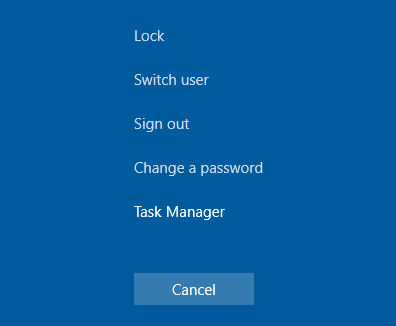
Step 1.To sign out of your Windows account, press the Ctrl + Alt + Delete keys at the same time, then click on "Sign out" from the menu that appears.
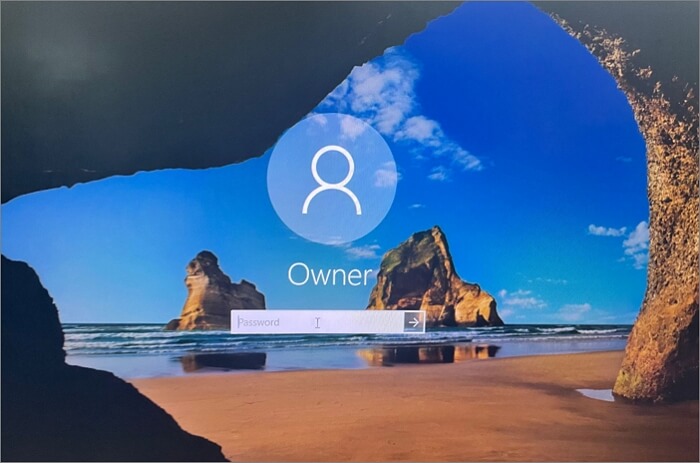
Step 2. Wait for a few moments. Then, you will be on the login screen again.
Step 3. To sign back into your account and check if the start menu works properly, simply type your password into the login interface. If the start menu still doesn't work, you can try other methods such as restarting your computer, checking for any software updates, or reinstalling the start menu software.
2. Restart Windows Explorer to Fix Windows 10 Start Menu Not Working
If File Explorer is malfunctioning, you may experience issues with the start menu, taskbar, and other applications. To troubleshoot, try restarting File Explorer in the Task Manager.
Step 1. Press Ctrl + Alt + Delete keys and click "Task Manager".
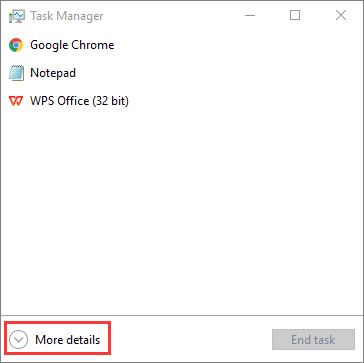
Step 2. On Windows 10, you can click "More details" on the Task Manager to see a full list of open programs and background processes you're running.
Step 3. To restart Windows Explorer, scroll through the list of running processes and find "Windows Explorer". Right-click on it and select "Restart" from the context menu. This will restart the Windows Explorer process.
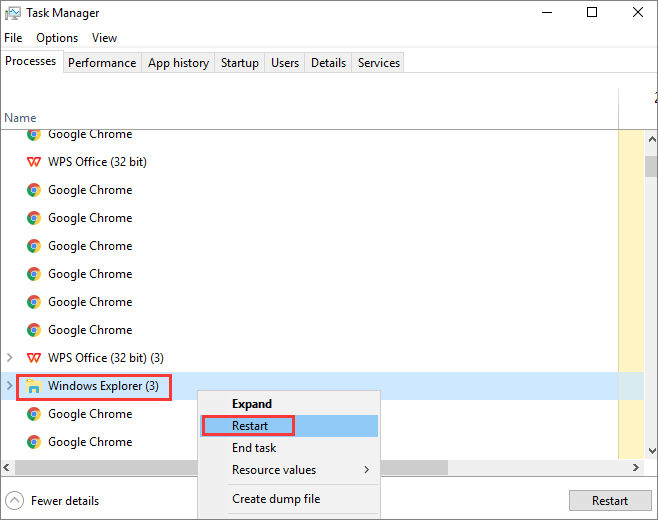
After Windows Explorer restarts, click and open the start menu to see if it works. If it still doesn't work normally, proceed to the next method.
3. Run SFC Scanner for Corrupt System Files
Corrupted system files can cause Windows to malfunction, including issues with the start menu not working. To resolve this problem, you can use the Windows built-in SFC scanner to scan and repair the system files. This tool can help identify and fix any corrupted files, which should restore the start menu to its normal functioning state.
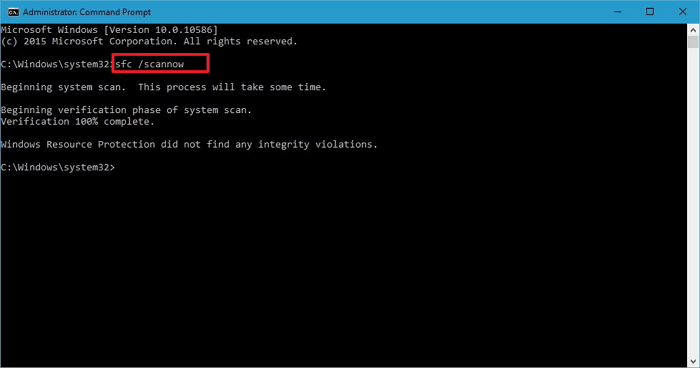
Step 1. Right-click the "Start" button and select "Command Prompt (Admin)".
Step 2. To run a full system scan, type `sfc /scannow` and press Enter. This command will scan all system files and replace any corrupted ones with a fresh copy from the Windows installation media.
4. Use DISM Tool to Fix Windows 10 Start Menu Not Opening
If the SFC tool is not helpful, you can continue using the DISM tool to scan and repair your system to fix the Windows 10 start menu freezing issue.
Step 1. To open the Command Prompt on Windows, press the Windows key + R to open the Run dialog, and then type "cmd" and press Enter. This will open the Command Prompt window, where you can execute commands and interact with the operating system.
Step 2. Type the following command and hit "Enter".
Dism /Online /Cleanup-Image /RestoreHealth
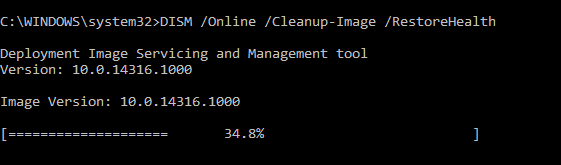
Step 3. To resolve the issue where the start menu is not opening, wait for the process to complete, and then restart your computer. After the restart, check if the start menu opens correctly.
5. Check for Windows Updates
If the Windows 10 start menu not working issue is due to system bugs or defects, upgrading to the latest system version can resolve the problem.
Microsoft regularly releases updates to Windows 10 to fix bugs, improve performance, and add new features, so it's a good idea to keep your system up to date.
Step 1. Press Windows + I to open Windows Settings.
Step 2. To update Windows, click on the "Update & Security" option in the Settings menu, and then select the "Check for updates" option under the Windows Update section.
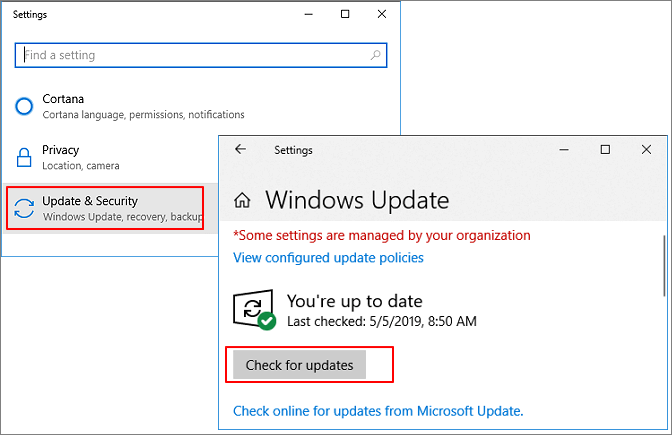
Step 3. If there is a new Windows update, click "Install Now" and follow the instructions to upgrade to the latest Windows 10 version.
6. Create New Xaml Start Menu Values in Registry
The Windows 10 start menu not opening issue may be caused by problems with the registry, which can be resolved by running a System File Checker (SFC) scan and checking for corrupted registry entries.
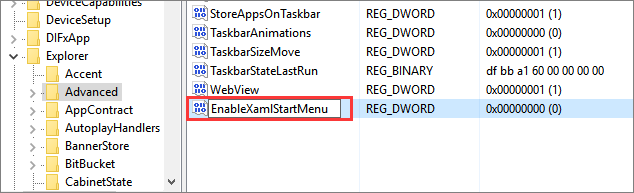
To ensure the new Windows 10 Start Menu is enabled, Microsoft starts the XAML process that runs the menu. This involves enabling the Xaml Start Menu in the Windows registry by creating and setting the EnableXamlStartMenu value.
Some users report that they have managed to solve this problem by creating new value in the registry. Try this solution as demonstrated below.
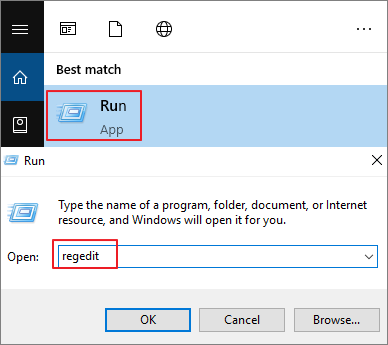
Step 1. To open the Registry Editor, press the Win + R keys to open the Run box, then type "regedit" and press Enter.
Step 2. Navigate to: Computer/HKEY_CURRENT_USER/Software/Microsoft/Windows/CurrentVersion/Explorer/Advanced.
Step 3. In the right panel, right-click the empty space and choose "New > DWORD (32-bit) value".
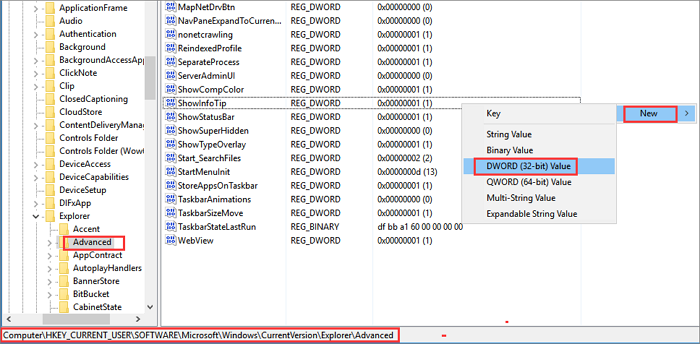
Step 4. To fix the issue with the start menu not working, create a new DWORD in the Registry Editor with the name "EnableXamlStartMenu" and set its value to 1. Then, exit the Registry Editor and restart Windows Explorer. This should resolve the problem with the start menu.
7. Improve System Performance
To make all the utilities of Windows 10 work well, including the start menu, ensure the operating system is running in a good environment, such as a large enough system disk, preferably an SSD.
If your system drive (C drive) is running low on space, Windows 10 may not function properly, leading to various issues. To resolve this, you can use Qiling Partition Master to easily extend the C drive by allocating free space from other drives, ensuring no data loss.
Get the free Windows 10 disk management tool to increase your C drive with the step-by-step guides below. This tool can also help you upgrade your system disk from HDD to SSD and migrate your OS to SSD.
Option 1. Extend System C drive with unallocated space
- 1. Click on the System C: drive and select "Resize/Move".
- 2. Drag the system partition end into the unallocated space so to add it to the C: drive.
- Click "Proceed" to execute the operations and extend the C drive.
Option 2. Extend System C drive without unallocated space
- 1. Click a big partition with enough free space on the system disk, select "Resize/Move".
- 2. To free up space, drag the end of the big partition to the left to shrink it, making room for the unallocated space. Then, click "Proceed" to confirm the changes.
- 3. Select the system drive at the Disk management page, and select "Resize/Move".
- 4. To free up space on your computer, you can drag the end of System C drive into the unallocated space. This will allow you to expand your System C drive into the available space and make more room for your files and programs. By doing so, you can increase the size of your System C drive and potentially resolve issues related to low disk space.
- 5. Click "Proceed" to save the changes and extend the C drive.
To Sum Up
Windows 10 start menu not working or not opening can be frustrating as it prevents access to apps and settings. This issue can be resolved through various methods, including checking and repairing corrupted system files with SFC and DISM tools, restarting Windows Explorer, and upgrading to the latest Windows 10 version.
Hopefully, one of the methods in this article can solve the Windows 10 start menu freezing problem, allowing you to use it normally.
Related Articles
- How to Install Windows 11/10 from USB on New PC (2022 Updated)
- How to Convert Logical Partition to Primary Partition
- What to Do with Corrupted Operating System
- Everything to Learn About SD Card Copier Software
- Save You from Disk Boot Failure in Windows 10 Right Now
Need to fix disk boot failure error in Windows 10? You can refer to the effective and quick solutions will be presented in this post. - [New Guide] How to Run Disk Speed Test on Windows 10 PC
Do you know how to run disk speed test on Windows 10 when you feel your disk perform slowly? You can find 2 ways in this post to test your disk.
Products
Articles & Tutorials
- Data Recovery
- Data Backup
- File Recovery
- File Backup
- System Backup and Restore
- Disk and Partition Clone
- Technical articles
- Mobile articles
- Disk Master Help
- Windows Data Recovery Tutorials
- Windows Secure Delete Tutorials
- Windows Partition Management Tutorials
- Windows File Backup and Restore Tutorials
- Windows System Backup and Restore Tutorials
- Windows Disk Backup and Restore Tutorials
- Windows Clone Tutorials