Recover Data After Formatting Laptop/PC
"Hi, I accidentally formatted the hard drive from my Sony VAIO laptop just a moment ago, which stores my own personal data and now it is completely lost by this stupid mistake. Please help me recover data from formatted laptop hard drive."
Can You Recover Data After Formatting a Laptop/PC
Formatting your laptop or PC can be a stressful experience, especially when you realize that precious files are lost in the process. Fortunately, there's still hope to recover your data, as the files still exist on the hard drive, but are now inaccessible. With a powerful hard disk recovery tool, you can regain access to the lost files, making the recovery process a relatively straightforward one.
- Important
- To successfully recover formatted data, it's crucial that the data isn't overwritten by new information. To ensure you can retrieve data from a laptop or PC after formatting, it's essential to avoid using the hard drive and initiate data recovery as soon as possible.
Formatted Data Recovery Software - Deep Data Recovery
If you need to recover formatted data from a laptop or PC, there are various data recovery tools available, but not all are equally helpful. A popular option is Deep Data Recovery, a hard drive recovery software that can effectively retrieve data from formatted devices, as well as other data loss situations from various storage devices.
| Category | Details |
|---|---|
| Supported Devices | The following devices are commonly used for data storage and transfer: PC/Laptop, External Hard Drive, USB, SD Card, Memory Card, and Video Player, as well as Digital Camera. |
| Supported File Types | Documents, Graphics, Videos, Audio Files, Emails, and more |
| Supported Data Loss Situations | Formatted Data Recovery, Deleted File Recovery, Lost Partition Recovery, OS Crash Recovery, Virus Attack Recovery, and RAW Partition Recovery are all services offered to help recover data in various situations, including when files are deleted, partitions are lost, the operating system crashes, or the partition is in RAW format due to a virus attack. |
| Supported OS | Windows 10/8.1/8/7/Vista/XP, Windows Server 2019/2016/2012/2008/2003 |
Deep Data Recovery stands out as one of the best data recovery software for Windows, outperforming its equivalents in scanning speed, data recovery quality, and usability. It's an ideal choice for recovering data after formatting a laptop, PC, or storage devices.
How to Recover Data After Formatting the Laptop/PC
Deep Data Recovery is widely approved due to its ease of use. To recover files from a formatted hard drive on your computer, you can use this software, which makes the process simple and straightforward.
Note: To maximize the chances of successful data recovery, install Qiling data recovery software on a separate disk, rather than the formatted disk itself.
Step 1. Launch Deep Data Recovery. Select file types and click "Format Scan" to start the recovery process.
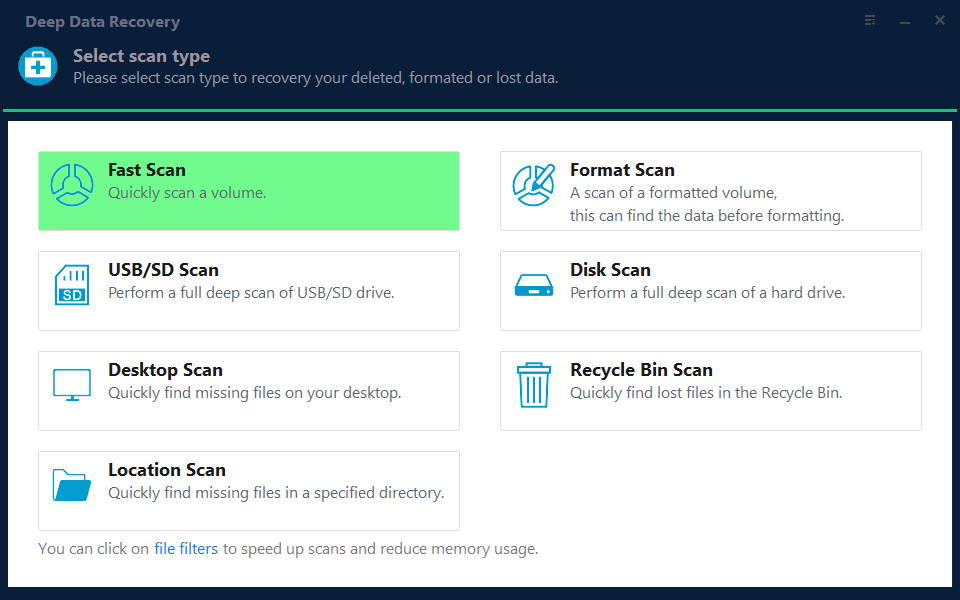
Note: You can choose different search modes based on where and why the data was lost.
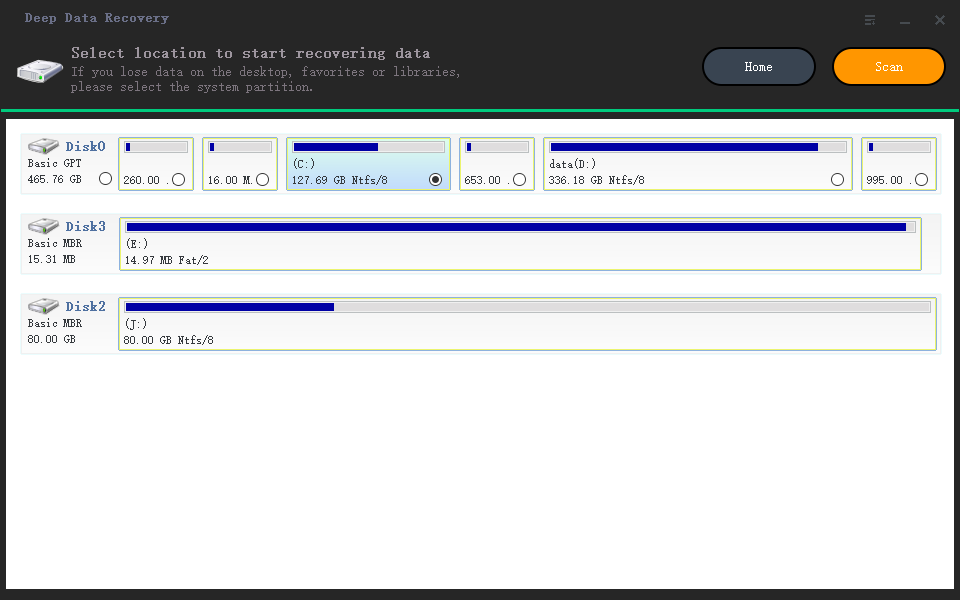
Step 2. Choose the hard drive partition you accidentally formatted and click "Scan" to start the recovery process.
Step 3. Once the formatted hard drive recovery software is started, it will begin scanning for all lost data and files. After the scanning process is complete, you can use the "Filter" feature to quickly find specific file types, or click "Search files or folders" to select the data you want to recover.
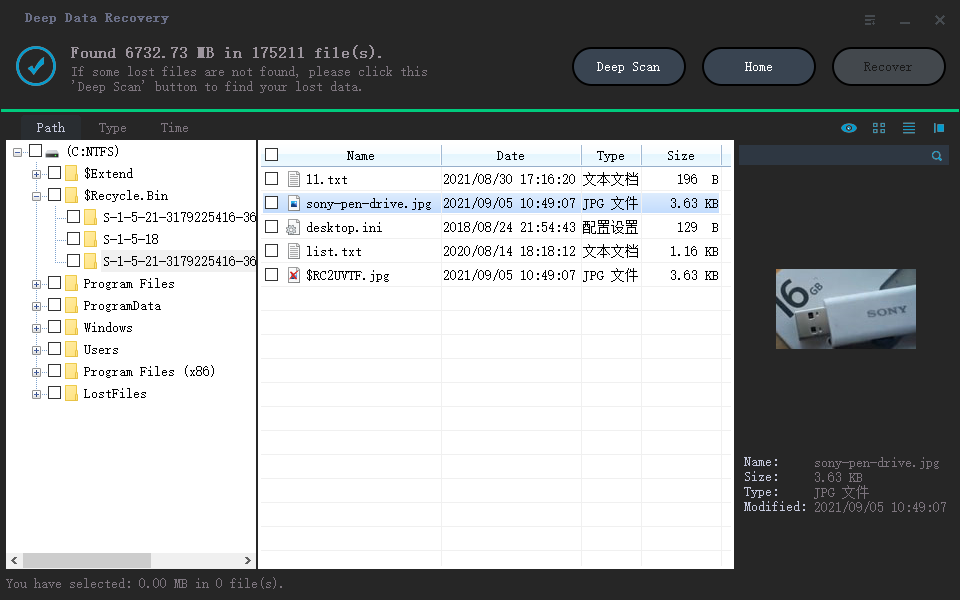
Step 4. To recover files, first preview the scanned files, then select the ones you want to recover and click "Recover". Next, choose a new location to store the files and click "OK".
Deep Data Recovery offers a practical solution for recovering data from formatted laptops/PCs, helping users retrieve files lost due to various situations such as partition loss, software crashes, virus infections, and more.
You can also watch a video that shows how to recover files from a formatted hard drive.
Bonus Tip: How to Protect Data on Your Laptop/PC
Regularly backing up your computer can help minimize the risk of complete data loss. A good option is to use a free backup software tool, such as Qiling Backup, to automatically back up your laptop hard drive, partition, computer system, files, and more by date to a local hard drive, external storage device, cloud storage, or other preferred location. This allows you to schedule backups according to your needs, ensuring that your important data is safely stored and can be easily recovered in case of an unexpected disaster.
Step 1. To perform a disk or partition backup, start by selecting the "Disk/partition backup" option on the "Backup and recovery" page.
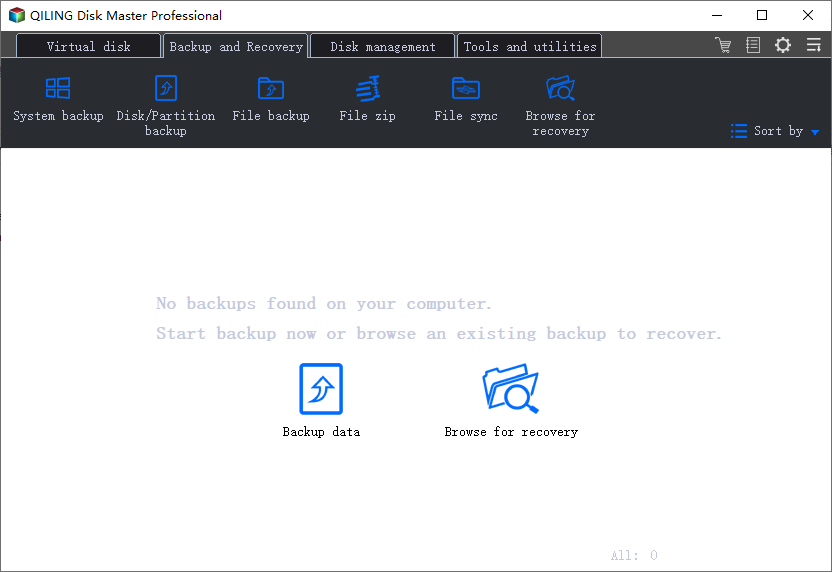
Step 2. You can use it to back up a whole disk or a specific partition, depending on your needs.
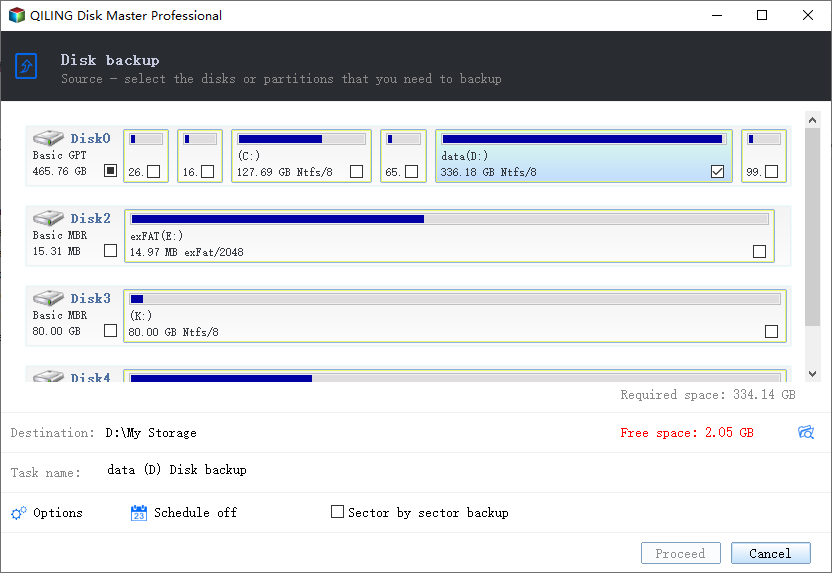
Step 3. Select the destination where you want to save the backup.
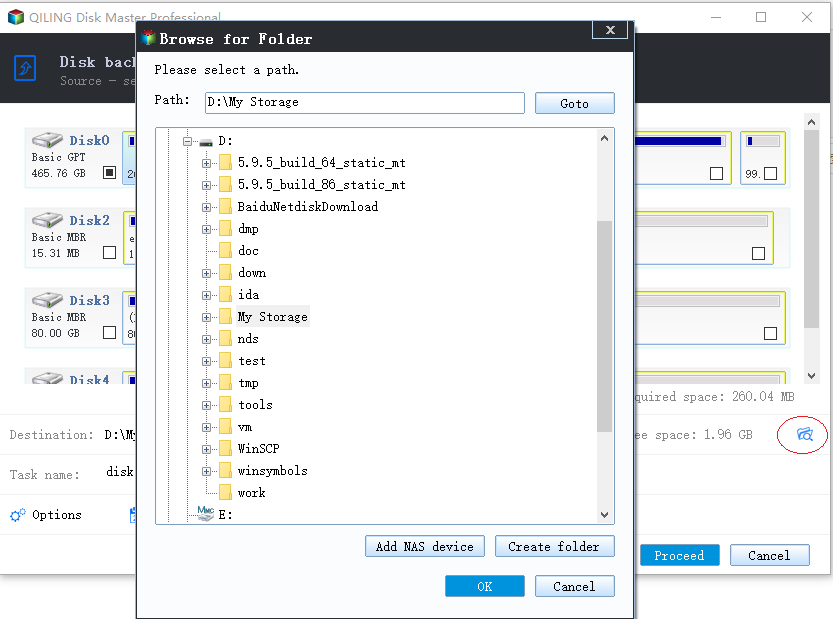
Step 4. For disk/partition backup, you can choose to save the backup to a local drive or to a Network-Attached Storage (NAS) device.
Step 5. After completing the backup process, your task will be displayed on the left. You can manage your backup by clicking on it, allowing you to recover it, create incremental backups, and more.
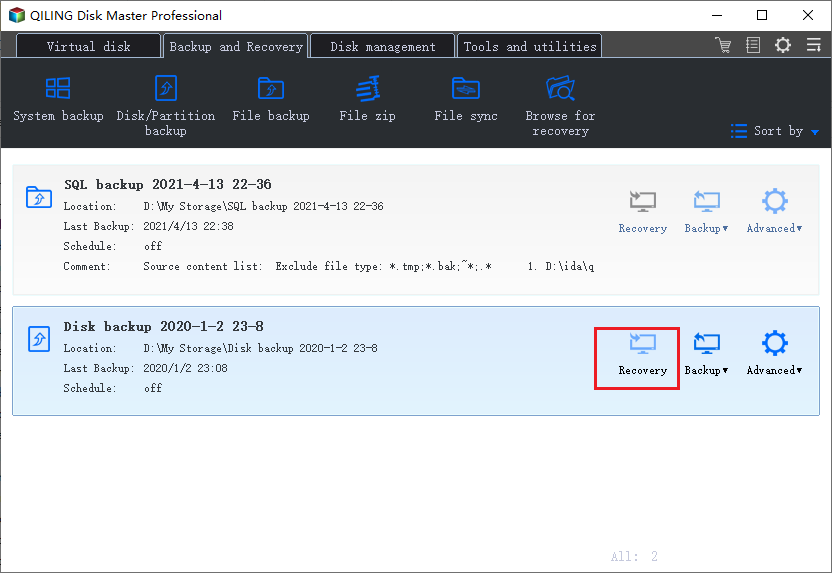
If you regularly back up your computer, you can recover data after formatting by restoring files from the backup, saving you time and minimizing data loss.
Related Articles
- Memory Card Recovery Software: Recover Data from Memory Card
- How to Fix Error Code 43 for USB in Windows 10 & Recover Data
- [Solved] 2018-11 Update For Windows 10 Version 1803 For X64-Based Systems (Kb4023057) – Error 0x80070643
- How to Remove Shortcut Virus from Hard Disk/USB/Pen Drive Without Losing Data
- Best Forensic Data Recovery Software Tool to Download
Forensic data recovery software is a must to recover files from computers and phones. A free trial version of the software can be downloaded. - How to Format Flash Drive Using CMD
This article provides a two-part guide on how to format a flash drive using the Command Prompt and recover data from a formatted flash drive using the Command Prompt.
Products
Articles & Tutorials
- Data Recovery
- Data Backup
- File Recovery
- File Backup
- System Backup and Restore
- Disk and Partition Clone
- Technical articles
- Mobile articles
- Disk Master Help
- Windows Data Recovery Tutorials
- Windows Secure Delete Tutorials
- Windows Partition Management Tutorials
- Windows File Backup and Restore Tutorials
- Windows System Backup and Restore Tutorials
- Windows Disk Backup and Restore Tutorials
- Windows Clone Tutorials