Fix Nothing Happens When Plug in USB Flash Drive in Windows
Nothing Happens When I Plugged in USB
If your USB flash drive isn't showing up in Windows and you're not getting any error messages, try checking the USB port itself for any blockages or damage. You can also try plugging the drive into a different USB port on your computer to rule out any issues with the port. If the drive still doesn't show up, try using the Windows built-in troubleshooting tool to scan for any hardware issues. If none of these steps resolve the issue, it's possible that there's a problem with the USB drive itself, and you may need to try using a different drive or contacting the manufacturer for assistance.
The computer may not detect an invisible USB device due to various reasons such as a faulty USB port, a damaged USB device, or a software issue. To troubleshoot the problem, try using a different USB port, checking the USB device for any physical damage, and updating the operating system and device drivers. If the issue persists, consider using a USB debugging tool to diagnose the problem.
- "USB device malfunctioned and not recognized" in the Windows system tray icon.
- File system displays as RAW in Windows Disk Management
- "Unallocated space" in Windows Disk Management
- "Unknown device" in Windows Device Manager
When encountering a problem where nothing happens on your computer when a USB is plugged in, it's essential to understand that this scenario is different from the typical situation. In such cases, the usual solutions may not apply. However, to address this issue, we can consider some valid alternatives. Before exploring these solutions, it's crucial to understand the underlying reason for this problem, which may involve the computer's inability to recognize the USB or a software issue.
What're the reasons
Human errors and hardware issues are the primary reasons why your USB may not be working as expected. These errors can include incorrect plug-ins, loose connections, or faulty USB ports, while hardware issues may be caused by a malfunctioning USB device, a damaged USB cable, or a corrupted USB drive.
1. Human errors
The USB device was unplugged without safely ejecting, causing the external hard drive not to be recognized after unplugging.
2. Hardware issues
The hardware issue is a pretty wild concept. The most common hardware issues include the following ones:
- The USB drive is broken and dead
- There's a problem with the USB port
- There is a problem with the USB drive
- The USB drive isn't properly formatted
4 Fixes You Must Try to Solve Nothing Happens When Plug USB
Follow our advice to fix the issue of nothing happening when plugging in a USB. Excluding unaffected factors, identifying the real causes, and making the USB flash drive show up in Windows Explorer, Windows Disk Management, and Windows Device Manager will save you time and energy.
Method 1. Uninstall Unknown Device
To troubleshoot the issue with your USB device, try uninstalling it using the Windows built-in tool, then restart your computer and install it again. To do this, go to Start > Settings > Update & Security > Recovery, click on "Restart now" under the "Advanced startup" section, and follow the prompts to restart your computer in Safe Mode with Networking. Open the Device Manager, look for your USB device, right-click on it, and select "Uninstall device".
Step 1. With your USB device plugged in, go to "Start/Search" on Windows PC and type devmgmt.msc.
Step 2. If you see an "Unknown Device" under "Universal Serial Bus Controllers", right-click it, select "Uninstall", remove the device from the computer, and restart the computer.
Step 3. Once you log in, plug in the device and you should get new hardware found.
Method 2. Run the Hardware and Devices Troubleshooter
You can try the Windows troubleshooter to resolve the issue.
Step 1. To troubleshoot hardware issues on Windows 10, go to Settings, then Update & Security, and select Troubleshoot, followed by "Hardware and Devices."
Step 2. The troubleshooter will automatically open and start scanning your computer. Once the process is complete, you'll receive a troubleshooting report detailing all the issues found and whether they were successfully resolved.
Step 3. Click "Next" and follow the instruction to fix the problem.
Method 3. Disable Power Management
If your computer doesn't recognize a USB device, you can try repairing the USB root hub, as most computers have multiple root hubs to share the data bus between multiple devices. This might resolve the issue and allow your computer to detect the USB device.
Step 1. Open Device Manager. Expand the Universal Serial Bus controllers option.
Step 2. Find the USB Root Hub under this category. Right-click it and choose Properties.
Step 3. To disable the power management for your device, navigate to the Power Management tab, uncheck the "Allow the computer to turn off this device to save power" option, and click OK to save the change.
Method 4. Restore the System to An Earlier State
- Warning
- Restoring the system to an earlier state could potentially bring your USB back to work in an old system, but it would erase all saved data and installed apps created after that point. To make this step 100% secure without causing further damage, follow the guide below.
1. Download Qiling free backup software on your computer.
2. It's recommended to create a backup of your disk/partition and system before choosing a backup option. This will ensure you have a safe and reliable copy of your data in case something goes wrong during the process.
3. Save your backup image to a safe location where you can reach it easily. Keep it safe.
4. Now, go to "Start/Search" and type the control panel.
5. Go to System and Security, then Backup and Restore, then Restore files from backup, unless you have system backup turned on in Windows.
Wait for some time, and this will restore your Windows to a previous version where your USB can be correctly recognized by your PC and laptop.
To complete the migration process, don't forget to restore the data from the backup created via Qiling Backup.
Bonus Tip: Recover Lost Data from Corrupted USB
You may find some other answers aside from the mentioned methods here, such as formatting the USB drive using cmd or reinstalling the OS. Both manners would also cause a complete data loss. In case you didn't create backups beforehand, make the last effort to recover the formatted drive and recover data after system restore/reset/reinstall by using Qiling data recovery software.
Step 1. Select file types and click "USB/SD Scan" to start
Launch Deep Data Recovery, select file types, and click "USB/SD Scan" to begin the recovery process.
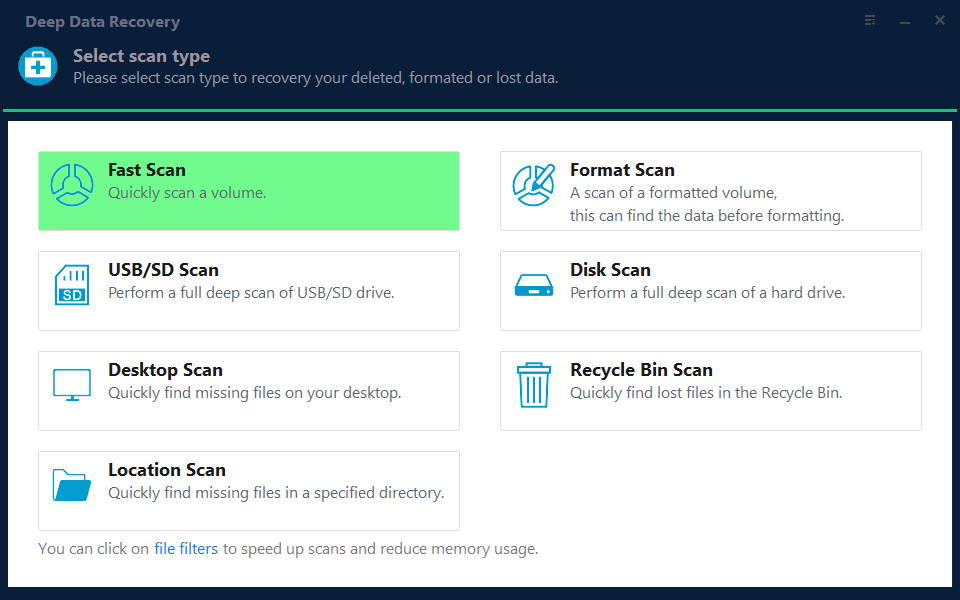
Note: You can choose different search modes based on where and why the data was lost.
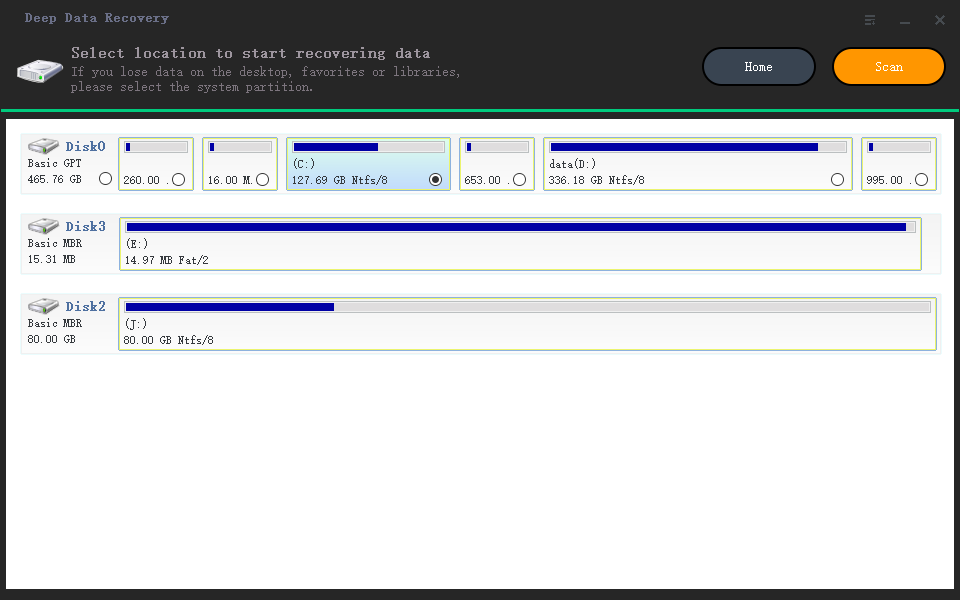
Step 2. Choose the USB drive to scan
To recover lost files from a USB drive, select the drive where the files were lost. Then, click the "Scan" button to initiate the recovery process. This will allow the software to search for and identify the lost files.
Step 3. Check and preview USB drive data
After the scanning process is complete, you can efficiently find a particular type of file by utilizing the Filter feature alongside the Search option.
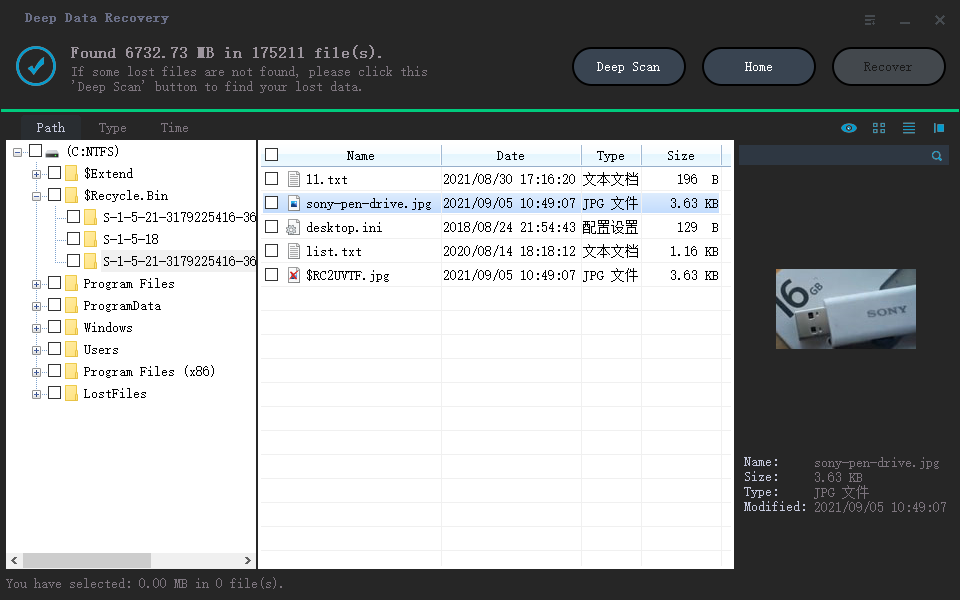
Step 4. Restore flash drive data
After finding the lost files on the USB drive, click "Recover" to restore them to your PC. It's essential to save the recovered files to a safe location on your computer rather than back to the USB drive. This ensures that the files are securely saved and can be accessed again in the future.
Video Tutorial to Recover Data from USB Drive
Related Articles
- How Do I Get My Computer to Recognize a USB Device [Solved]
- Recover Data from WD My Passport Hard Drive
- How to Recover Deleted Recordings on Sky Q and Sky Plus Box
- USB Port Not Working? Here's How to Fix It!
- Is It Safe to Delete Windows Update Cleanup Folders/Files? Get Answers Here
Disk Cleanup is a tool that helps free up space on your computer by deleting unnecessary files. Log files can also be safely deleted, but it's a good idea to check with the system administrator or Microsoft support before doing so, as they may contain important information. - ISO Recovery: Recover Deleted ISO Files with ISO Recovery Software
If you've accidentally deleted or lost an ISO file, there is a solution - Qiling's data recovery software can help you restore it. This program allows you to recover deleted, lost, or formatted ISO files easily, and it's free to download.
Products
Articles & Tutorials
- Data Recovery
- Data Backup
- File Recovery
- File Backup
- System Backup and Restore
- Disk and Partition Clone
- Technical articles
- Mobile articles
- Disk Master Help
- Windows Data Recovery Tutorials
- Windows Secure Delete Tutorials
- Windows Partition Management Tutorials
- Windows File Backup and Restore Tutorials
- Windows System Backup and Restore Tutorials
- Windows Disk Backup and Restore Tutorials
- Windows Clone Tutorials