Fix Computer Not Recognizing a USB Device
Issue: Computer Not Recognizing USB
Your 8 GB Transcend flash drive may not be detected on your laptop due to a driver issue or a faulty USB port. To fix this, try updating your laptop's USB drivers, or plug the flash drive into a different USB port to isolate the issue. You can also try formatting the flash drive to see if it's the device itself that's causing the problem. If none of these solutions work, it may be worth trying a different USB drive or seeking further assistance from a technical expert.
If you've encountered a "USB device not recognized" issue, you're not alone. The symptoms of this problem can vary depending on the situation, with some users experiencing a sudden disconnect of their USB device, while others may encounter a notification message indicating that the device is not recognized. In some cases, the issue may be caused by a faulty USB port, a malfunctioning device, or a software glitch, making it essential to troubleshoot the problem to resolve the issue.
- The "The last USB device you connected to this computer malfunctioned, and Windows does not recognize it" error message appears in the lower right corner, indicating a malfunction with the last USB device connected to the computer, which Windows is unable to recognize.
- The "Unknown USB Device (Device Descriptor Request Failed)" error in Device Manager occurs when Windows is unable to retrieve the device descriptor from a USB device, resulting in the device being unrecognized. This error typically occurs when a USB device is malfunctioning, has a faulty driver, or is not properly connected.
- If you're experiencing an issue where your USB drive is not showing up in My Computer (or This PC in Windows 10), but you're not receiving any error messages, it's likely due to a simple setup or configuration issue. To resolve this, ensure that the USB drive is properly connected to the computer and that the drive is not set to be hidden or read-only. Also, check that the drive is not being used by another program or process, which might be preventing it from appearing in the file explorer.
To get a computer to recognize a USB device, try the following methods: restart the computer, check the USB port for dust or debris, update the USB drivers, use a USB hub to connect the device, and check the device for any physical or software issues. These simple steps can often resolve the issue and allow the computer to recognize the USB device.
| Workable Solutions | Step-by-step Troubleshooting |
|---|---|
| Check the USB on Another Laptop | If it is still not detected, it suggests that the USB device might be corrupted. In this case...Full steps |
| Run Device Troubleshooter | Go to Start > Control Panel > search "troubleshooter" and then click "Troubleshooting"...Full steps |
| Re-install USB Controllers | Open Device Manager. Expand Universal Serial Bus controllers. Right-click a device...Full steps |
| Disable Selective Suspend Setting | Click the Start button, type "power plan" in the Search box, and then select...Full steps |
| Recover Data & Reformat the USB | Connect the USB flash drive to your computer and launch Qiling USB data recovery software...Full steps |
1. Check if the USB Device Is Recognized on Another Laptop
If it is still not detected, it suggests that the USB device might be corrupted. In this case, you will need to check and repair disk errors.
If it is detected, move to the next step to diagnose and fix the problem.
2. Run Device Troubleshooter
Step 1. To troubleshoot a device, go to Start, then select Control Panel, search for "troubleshooter", and click on "Troubleshooting". From there, select "Hardware and Sound" and then choose "Configure a Device" to resolve any issues with your device.
Step 2. Follow on-screen instructions and click on "Apply this fix" if any problem is found.
If the USB device is not recognized issue occurred because other important hardware updates are missing in Windows, due to software issues, or as a result of malware interference, try running the Windows Update troubleshooter, which can automatically detect and fix problems that might be preventing the USB device from being recognized. If this doesn't resolve the issue, proceed to step 3.
3. Uninstall and Re-install USB Controllers
Step 1. Open Device Manager.
Step 2. To expand Universal Serial Bus (USB) controllers, you need to uninstall each device connected to the USB port. To do this, right-click on each device and select the "Uninstall" option. This process should be repeated for all devices connected to the USB port.
Step 3. To resolve the issue of USB controllers not working after a Windows 10 update, simply restart your PC. The USB controllers will automatically reinstall themselves after the restart.
If the issue occurred because the currently loaded USB drive has become unstable or corrupted, your computer will then recognize the USB device. If the problem still exists, proceed to step 4.
4. Disable USB Selective Suspend Setting
Step 1. To change the power plan, click the Start button, type "power plan" in the search box, and select "Choose a power plan" from the results.
Step 2. Next to your currently selected plan, select "Change Plan Settings".
Step 3. Select "Change advanced power settings".
Step 4. To expand USB settings, select the box to access the USB selective suspend settings.
Step 5. Expand the drop-down menu next to "Plugged in", and then choose "Disabled".
Step 6. If you're using a laptop, select the Battery option, then choose the drop-down menu and select "Disabled".
Step 7. Select "Apply" > "OK".
This method can help your computer recognize a USB device by preventing your USB external drive from powering down, allowing your computer to recognize it.
5. Recover Data and Reformat the USB Drive to Make It Recognized
If your computer doesn't recognize a USB device, try restarting your computer, checking the USB port, using a different USB port, checking for loose connections, updating your computer's drivers, checking for conflicts with other devices, using a USB hub, checking the USB device itself, and formatting the USB drive. If none of these steps resolve the issue, you can try using a data recovery software to recover your data and then format the USB drive for repair.
Qiling data recovery software can recover data from inaccessible hard drives, restore files from corrupted, formatted, and RAW drives.
Step 1. Select file types and click "USB/SD Scan" to start.
Launch Deep Data Recovery on your PC, select the desired file types, and click "USB/SD Scan" to initiate the recovery process.
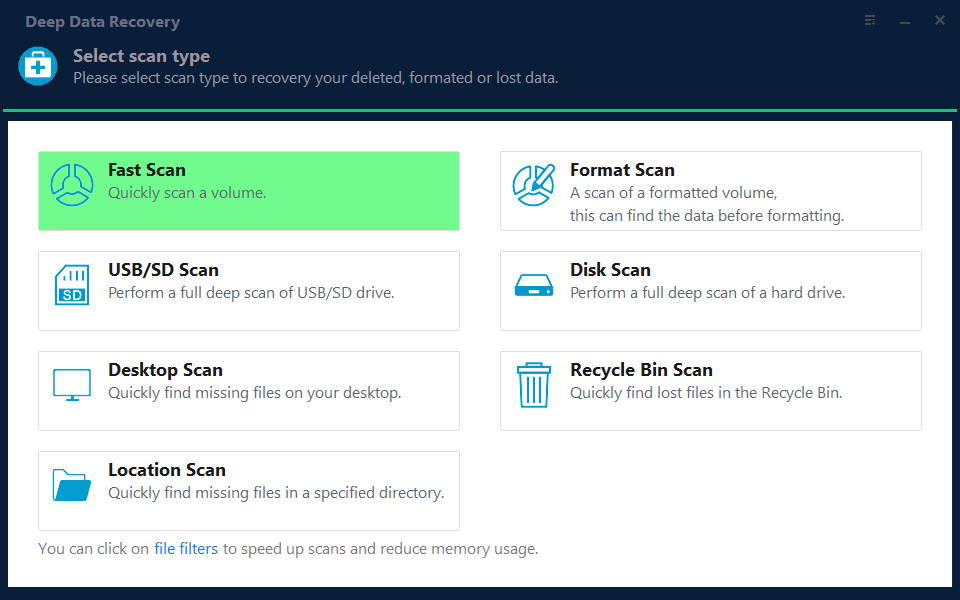
Note: You can choose different search modes based on where and why the data was lost.
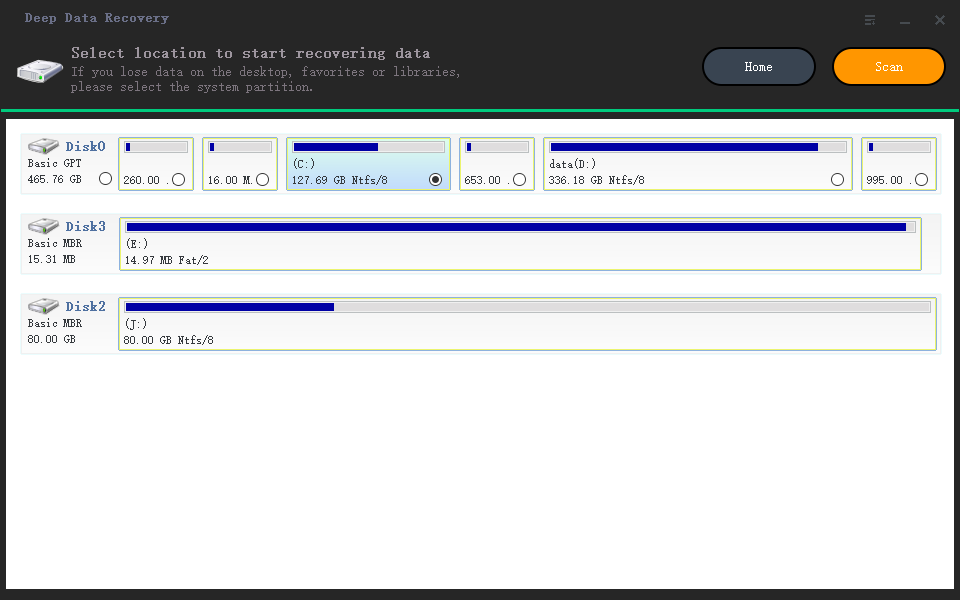
Step 2. Choose the USB drive to scan
To recover lost files from a USB drive, select the drive where the files were stored, then click "Scan" to initiate the recovery process.
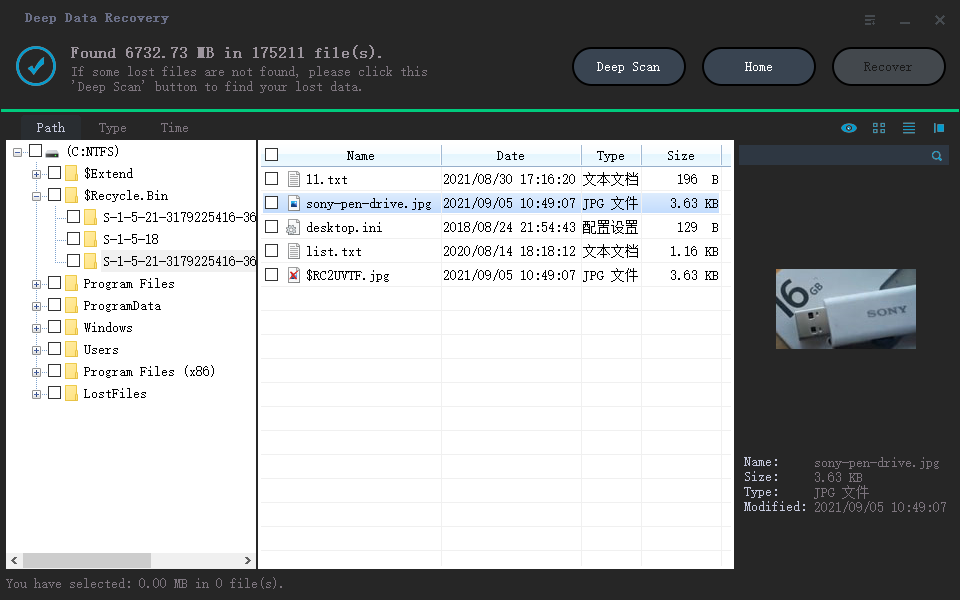
Step 3. Check and preview USB drive data
When the scanning is finished, you can quickly locate a specific type of file by using the Filter feature and the Search option.
Step 4. Restore flash drive data
After finding lost USB drive files, click "Recover" to restore them, and save the recovered files to a safe location on your PC, not back to the USB drive.
Related Articles
- Fix 'CHKDSK Is Not Available for RAW Drive/USB/SD Card' Error
- QNAP Recovery: How to Recover Deleted Files from QNAP Drive for Free
- Repair and Recover Corrupted/Unreadable VHD or VHDX Files
- SD Card Recovery Software Free Download Full Version with Crack
- Archive File Recovery | How to Recover Deleted Zip/Rar Files in Windows 11/10
If you accidentally remove an archive, like a .rar or .zip file. want to restore archive files? Here are 7 ways to help you recover deleted Zip/Rar files in Windows 11/10 for free or using software. - Best Wondershare Recoverit Free Alternative for Windows PC [Guide]
Wondershare Recoverit is not a free option, as it requires payment to use its data recovery software. However, Qiling Free Data Recovery stands out as a free alternative, allowing you to recover files without incurring any cost.
Products
Articles & Tutorials
- Data Recovery
- Data Backup
- File Recovery
- File Backup
- System Backup and Restore
- Disk and Partition Clone
- Technical articles
- Mobile articles
- Disk Master Help
- Windows Data Recovery Tutorials
- Windows Secure Delete Tutorials
- Windows Partition Management Tutorials
- Windows File Backup and Restore Tutorials
- Windows System Backup and Restore Tutorials
- Windows Disk Backup and Restore Tutorials
- Windows Clone Tutorials