Completely Recover Data Lost by DISKPART Clean/Format
DISKPART is a Windows inbuilt command line hard drive partitioning utility that enables people to manage internal and external hard drives with various commands such as adding, deleting, formatting, cleaning, creating and resizing partitions.
Using the DiskPart command, especially the clean and format commands, can be risky as improper operation may result in serious data loss. If data is lost due to these commands, users can recover lost data and protect data from future DiskPart clean and format command mishaps by following methods provided by Qiling software.
Accidentally erased data by using Diskpart clean and format command
"Last night, I followed a stupid YouTube video tutorial on how to use the DISKPART format and clean command to manage hard drive on my Windows 7 computer. In the end, I lost quite a large amount of very important data on D drive soon after I execute DISKPART - Clean - Format. I don't know where I made the mistake, anyhow.
Data recovery software can be effective in recovering deleted or lost data, but its success depends on various factors, such as the type of data, the storage device, and the software used. The best choice for complete data recovery would be a software that supports multiple file systems, has a high success rate, and is user-friendly. Some popular options include Deep Data Recovery, Deep Data Recovery, and Deep Data Recovery, which can recover a wide range of file types, including photos, documents, and videos. recover data lost by DISKPART format and clean command? Thanks in advance."
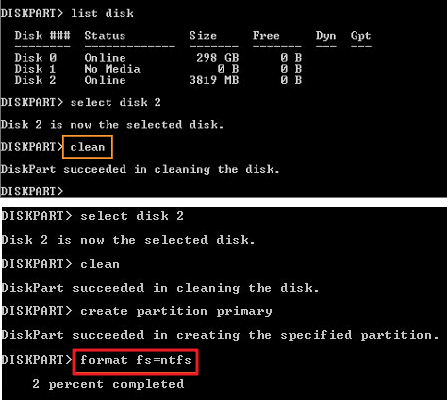
Unfortunately, using the DISKPART clean or format command can result in the permanent loss of data on the affected drive. Once the command is executed, the data is irretrievable, and there is no straightforward way to restore it. If you're looking to recover lost files, it's essential to stop using the drive immediately and consider seeking professional help from a data recovery service or using specialized software designed for this purpose. However, the likelihood of successful recovery decreases significantly if you've already formatted the drive.
Completely recover data lost by DiskPart clean/format command
To recover lost data due to DISKPART format and clean commands, use Deep Data Recovery software, which can undo the DiskPart clean and format commands and restore all lost files with ease.
The data recovery wizard is the most popular choice among customers, offering a reliable and efficient solution for all data loss scenarios, providing a proficient data recovery solution.
- If you used DiskPart's "clean" command, you can select the "Lost Partition" in Deep Data Recovery to restore lost data.
- If you used DiskPart to format the device with NTFS or FAT32 file system, you can use Qiling data recovery software to directly scan the device and recover lost data.
Follow the guide below and start lost data recovery at once.
Recover data from DiskPart format command
Step 1. Select file types and click "Format Scan" to start
Launch Deep Data Recovery, select the file types you want to recover, and click "Format Scan" to begin the recovery process.
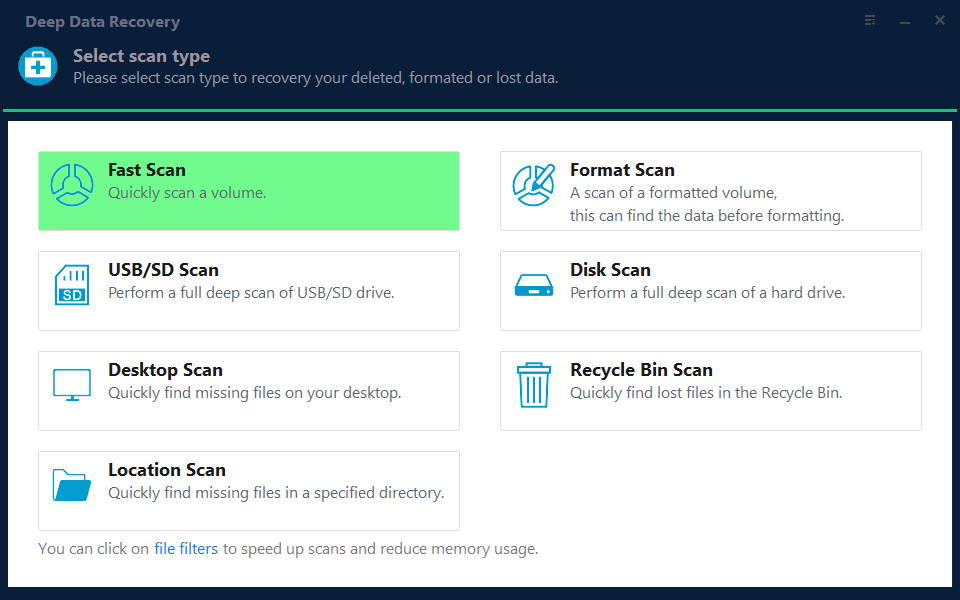
Note: You can choose different search modes based on where and why the data was lost.
Step 2. Select a drive to scan
To recover DiskPart deleted files, determine the drive where the files were stored before deletion. Select the correct drive from the list provided by Deep Data Recovery, then click "Scan" after hovering the mouse pointer over the drive.

Step 3. Check for scanned results
After the scan process, select the "Deleted Files" and "Other Lost Files" folders in the left panel, and then click "Filter" to display only the specified file types, such as pictures, videos, Word documents, PDF files, etc.

Step 4. Preview and recover
To recover files deleted by DiskPart, locate the files, double-click to preview or use the "Preview" button to check integrity, then click "Recover" and save the files to a different drive to avoid data overwriting.
Save your recoverable data to an external hard drive before attempting to reuse your hard drive or storage device.
Recover data from Diskpart clean command
The DiskPart clean command completely erases a hard drive or partition, making data recovery a challenge. To recover data, the process involves scanning and restoring data from a lost partition.
After a free diagnosis, Qiling Data Recovery Experts offer one-on-one manual recovery services, including:
- Repair a corrupted RAID structure, unbootable Windows OS, or corrupted virtual disk file (such as .vmdk, .vhd, or .vhdx).
- Recover/repair lost partition and re-partitioned drive
- Unformat hard drive and repair raw drive (BitLocker encrypted drive)
- Fix disks that become GPT protected partitions
Tips to Protect Data from DiskPart clean and format
Storage devices formatted using the DiskPart command can usually be reused for saving data again. However, if the clean command was used in DiskPart, the device will need to be reformatted and a new partition created in order to make it usable again.
It's also important to note that some data can be removed by the DiskPart command or other operations, so it's crucial to know some useful tips for protecting data from being deleted.
1. Make internal/external hard drive usable again after DiskPart clean command
Using the clean command in DiskPart can remove all partitions on a storage device, making it unusable for saving data. To recover from this, creating new partitions is essential. Fortunately, Qiling Partition Master Free offers an easy solution, allowing you to create partitions with just a few simple steps, saving you time and effort.
Step 1. Launch Qiling Partition Master and on the main window, right-click on the unallocated space on your hard drive or external storage device and select "Create".
Step 2. Adjust the partition size, file system, label, and other settings for the new partition as needed.
Step 3. Click on the "Proceed" button to create a new partition.
- Notice:
- To create a partition on an empty USB, SD card, or external hard drive, first connect it to your PC in advance. This will allow you to access it and perform the necessary steps to create a partition.
2. Back up important data regularly
To prevent data loss, it's essential to create a backup of your essential data. False DiskPart commands or careless operations can cause serious data loss, so having a backup is crucial. By backing up your data, you can protect it from being removed or deleted, ensuring that your important files and information are safe.
You can use risk-free file backup software to copy files or back up data to an external storage device, such as Qiling Backup, which allows you to back up files, hard disk partitions, or even the Windows system in just three simple steps.
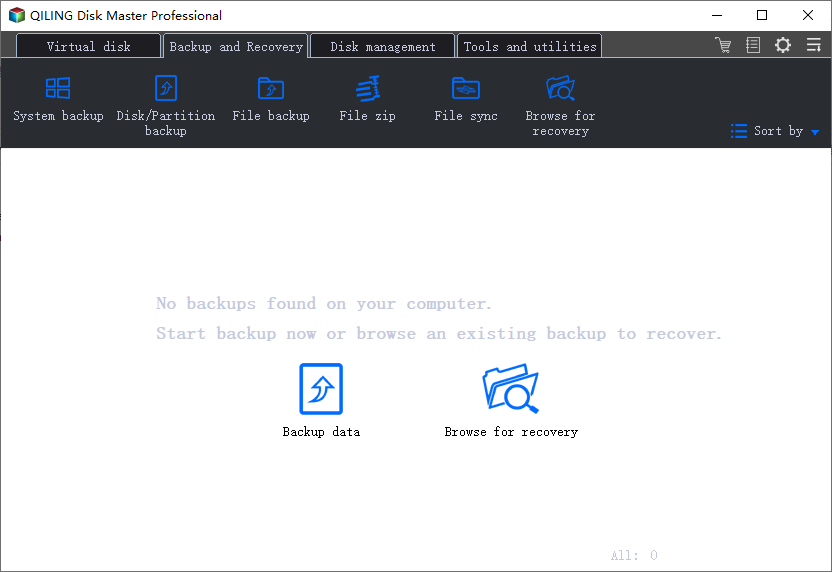
Step 1. To start the backup process, select the "Disk/partition backup" button in the "Backup and recovery" page.
Step 2. The software is available to back up a whole disk or a specific partition, allowing users to choose the backup option that suits their needs.
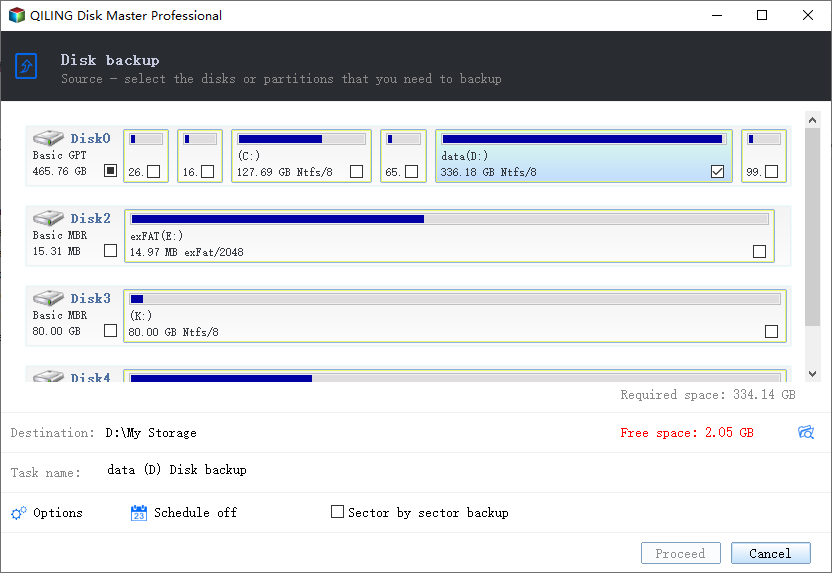
Step 3. Select the destination where you want to save the backup.
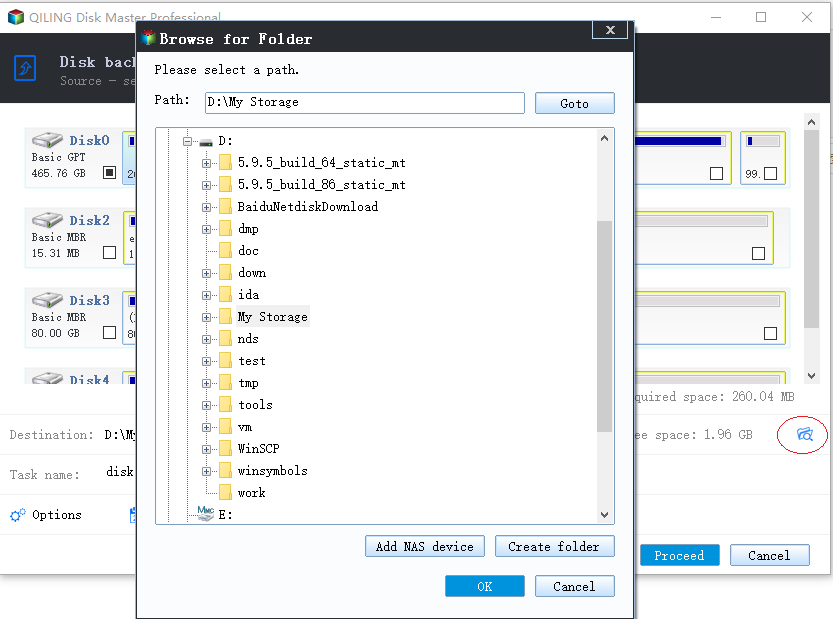
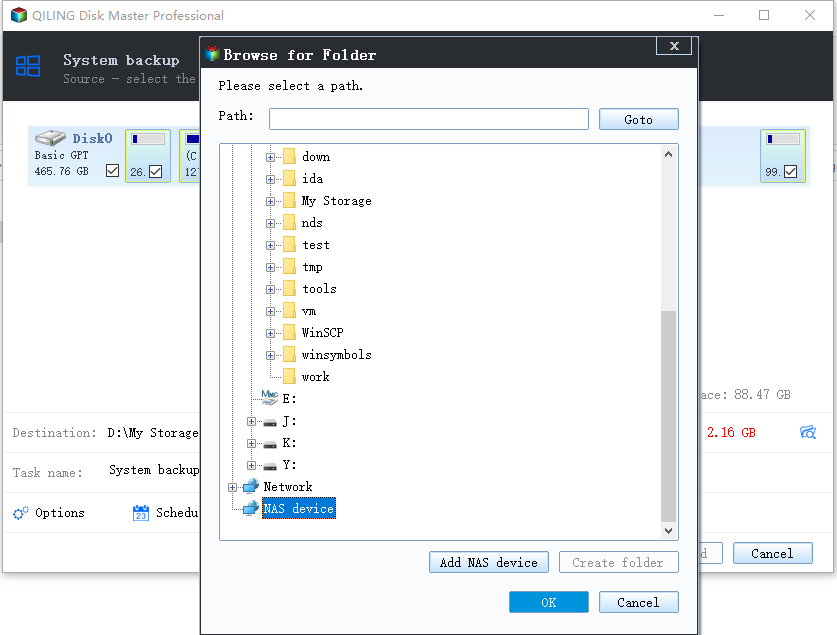
Step 4. For disk/partition backup, you can choose to save the backup to a local drive or to a Network-Attached Storage (NAS) device.
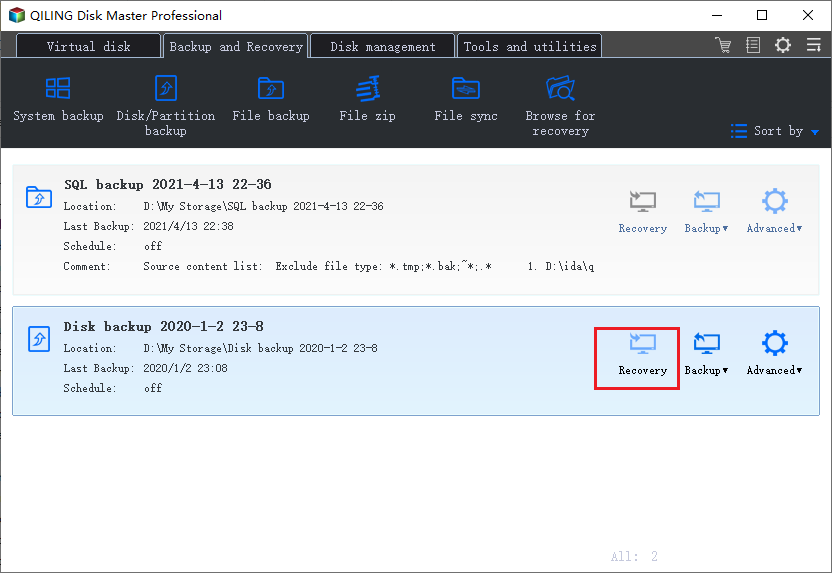
Step 5. After the backup process is completed, your task will be displayed at the left. You can right-click on any task to further manage your backup, such as recovering it, creating an incremental backup, and more.
Related Articles
- No Bootable Device Error - What Does It Mean, What Cause the Error, How to Fix
- Recover Files and Data Deleted by CCleaner [Updated 2022]
- EFS Decryption Guide: How to Recover Encrypted Files on NTFS Drive Without Effort
- How to Recover Lost Word Files
- Restore Deleted or Lost Thunderbird Emails
If you've accidentally deleted or lost emails in Thunderbird, or even emptied the Trash, you can recover them. You can follow the methods offered here or download email recovery software to restore Thunderbird files right now. - How to Recover Deleted YouTube Videos with or Without Link
You can recover deleted YouTube videos by using various methods, including the WayBackMachine, which can retrieve videos from archived web pages, or data recovery programs that scan your device for deleted files.
Products
Articles & Tutorials
- Data Recovery
- Data Backup
- File Recovery
- File Backup
- System Backup and Restore
- Disk and Partition Clone
- Technical articles
- Mobile articles
- Disk Master Help
- Windows Data Recovery Tutorials
- Windows Secure Delete Tutorials
- Windows Partition Management Tutorials
- Windows File Backup and Restore Tutorials
- Windows System Backup and Restore Tutorials
- Windows Disk Backup and Restore Tutorials
- Windows Clone Tutorials