Hard Drive Clicking? See How to Fix Click Hard Drive On Your Own
- Reading Duration: 3-5 minutes.
- Applies to: Fix hard drive clicking in Windows 10/8/7, fix clicking internal/external hard drive, no data loss.
To fix a clicking hard drive, try checking the external hard drive's connection and cable for any damage or loose connections. Also, restart your laptop and reconnect the hard drive. If the problem persists, you can use a data recovery software to scan the drive and recover your lost files. Additionally, you can contact the hard drive manufacturer's customer support for further assistance.
If you hear a loud "click, click, click" noise when you boot up your computer or connect an external hard drive, this page covers reliable solutions to get your hard drive working again. To fix the clicking hard drive, you can try various methods, including checking for loose connections, cleaning dust from the drive, updating your computer's BIOS, running a disk check, or replacing the hard drive altogether. By following these steps, you should be able to resolve the issue and get your hard drive functioning properly.
| Workable Solutions | Step-by-step Troubleshooting |
|---|---|
| Fix 1. Recover Data from Clicking Disk | If your clicking hard drive is accessible, to keep data safe, run Qiling recovery software to scan and restore data before troubleshooting...Full steps |
| Fix 2. Use Data Recovery Service | If the file recovery tool fails to restore lost data, turn to a manual data recovery service to get data back from RAW or corrupted disk...Full steps |
| Fix 3. Change Clicking Disk Connection | Check if the connection cable is broken; check if the power cable is loosened; check if you are using a compatible drive; connect the hard drive...Full steps |
| Fix 4. Freeze or Coll Download the Hard Drive | Open your computer or laptop case and clear all the dust on the fan. Add an extra fan to your computer and cool down the drive. Stop using computer...Full steps |
| Fix 5. Send the Hard Drive for Repair | Contact hard drive manufacturer or local repair center to repair clicking drive. Or Get a new drive...Full steps |
Overview of Internal/External Hard Drive Clicking
A clicking hard drive or external hard drive can be normal in certain situations, but it's not always a good sign. If the clicking sound is accompanied by other symptoms like slow performance, freezing, or data loss, it may indicate a hardware issue, such as a failing motor, corrupted sectors, or mechanical failure. However, if the clicking is only a gentle, intermittent sound and the drive is still functioning normally, it might be a normal operation, such as the drive's read/write heads moving or the motor spinning up/down. It's essential to monitor the situation and consider professional assistance if the issue persists or worsens.
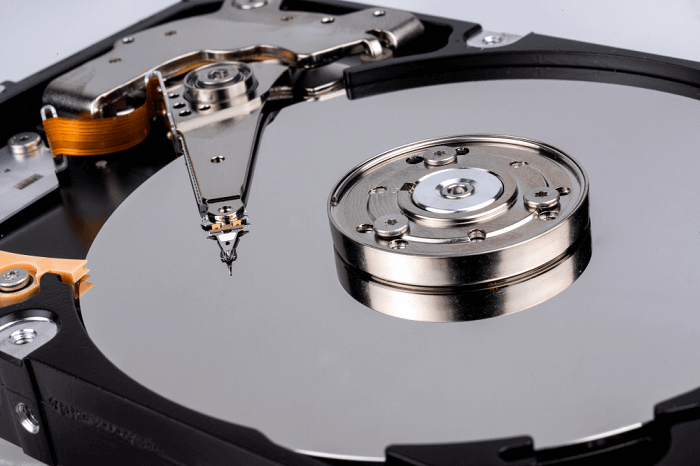
Symptoms of Hard Drive Clicking:
- The disk is alright with the light on, having a slight and low clicking sound.
- The hard drive is experiencing a connection issue, indicated by a clicking sound and slow operation.
- The disk in question has a problem where it rapidly clicks and produces a loud noise, specifically a repetitive "Click, Click, Click" sound, when clicked quickly.
What Caused (External) Hard Drive Clicking:
- Power supply issue: Insufficient power supply, hard drive spin error.
- Problematic connection: Incompatible or problematic connection cable.
- Physical damages: Fire burned, water drowned, high temperature, etc.
- Hardware issues: Worn or misplaced disk head, damaged service area, or damaged printed circuit board (PCB) can cause problems with data storage and retrieval.
5 Fixes for (External) Hard Drive Clicking
If your external hard drive is clicking, it's often a sign of a failing drive. To fix the issue, start by checking the state of your hard drive.
- Hard drive clicking but still works (accessible)
- Hard drive clicking and not detected
If your clicking hard drive is still accessible, follow methods 1 and 2 to retrieve data, but if it's not detected or recognized, proceed with method 3 to resolve the issue.
Fix 1. Recover Data from Clicking Hard Drive That Still Works
When a clicking drive is detected with no files showing up, you'll need reliable hard drive recovery software, such as Deep Data Recovery, to recover the missing disk data first.
Here are the steps to recover data from a clicking hard drive using Qiling software: you can apply this software to recover data from a failed hard drive, and the steps involve using the software to scan and recover data from the clicking hard drive.
Step 1. Select file types and click "Fast Scan" to start
Launch Deep Data Recovery, select the file types you want to recover, and click "Fast Scan" to begin the recovery process.
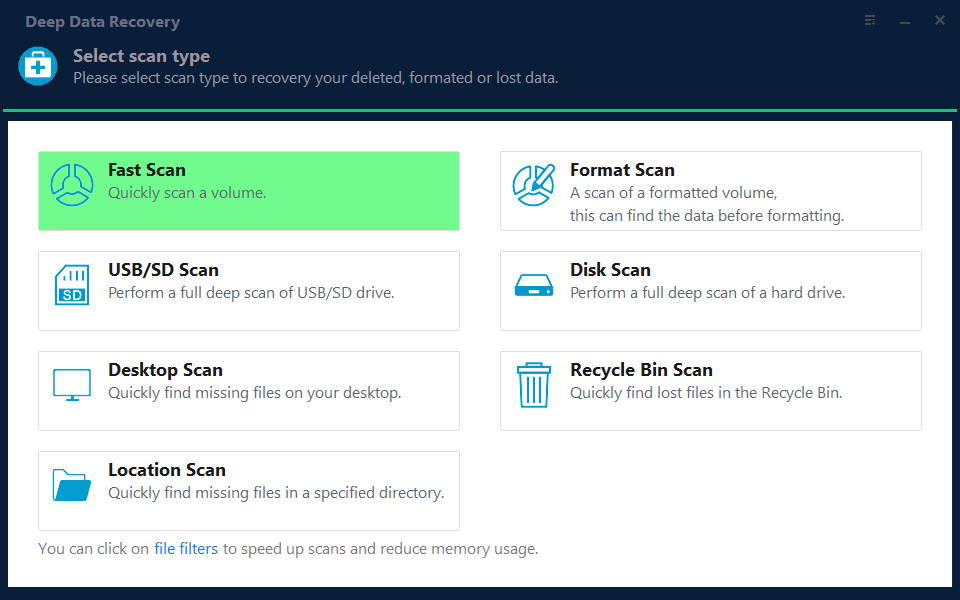
Note: You can choose different search modes based on where and why the data was lost.
Step 2. Scan the hard drive partition
Select the drive on your hard disk where you lost or deleted files, then click "Scan" to let Qiling data recovery software scan for all lost data and files on the selected drive.
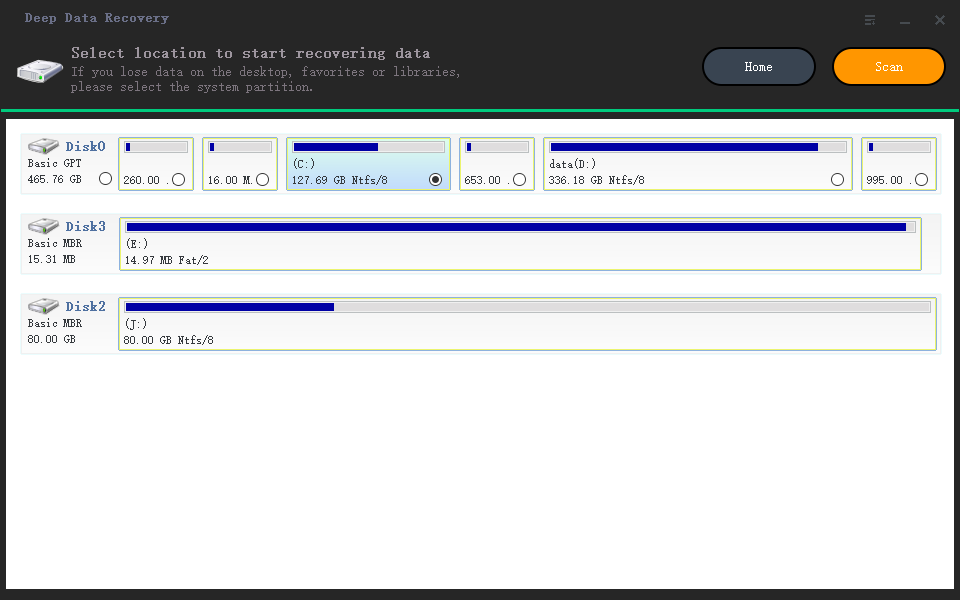
Step 3. Check the results
When the scan completes, you can apply the "Filter" feature to find the lost files on the hard drive, or click the "Search files or folders" option to locate them.
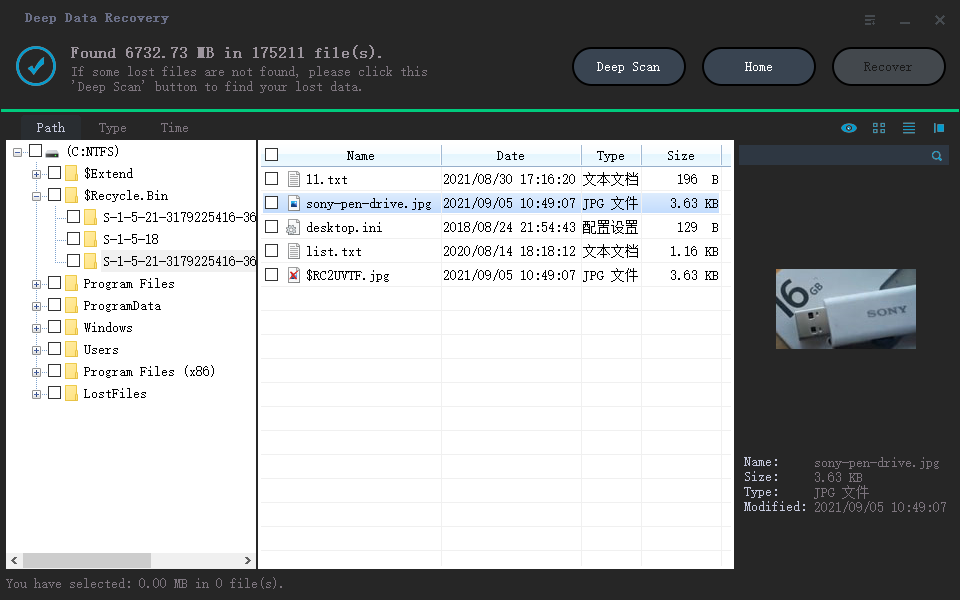
Step 4. Restore lost hard drive data
Select the files you want to recover and click "Recover" to save them to a different location.
Fix 2. Turn to Data Recovery Service to Restore Clicking Disk Data
If Qiling data recovery software can't recover data from your clicking and detectable hard drive, a manual data recovery service is the next step.
Consult with Qiling Data Recovery Experts for one-on-one manual recovery service, which includes a FREE diagnosis. After diagnosis, we offer various services such as manual recovery and more, tailored to your specific needs.
- To repair a corrupted RAID structure, unbootable Windows OS, or a corrupted virtual disk file (.vmdk, .vhd, .vhdx, etc.), you can try using specialized software such as Qiling Partition Recovery, or Deep Data Recovery Wizard. These tools can help recover data from corrupted or damaged RAID structures, unbootable Windows systems, and virtual disk files.
- Recover/repair lost partition and re-partitioned drive
- Unformat hard drive and repair raw drive (BitLocker encrypted drive)
- Fix disks that become GPT-protected partitions
Extended Tips: Data Recovery Software vs. Manual Data Recovery Service
If you're struggling to recover data from a clicking hard drive, this video is a great resource to learn about the different data recovery solutions available. By watching it, you'll gain a better understanding of the various options and be able to make an informed decision on how to proceed with your data recovery needs.
After restoring data from the clicking hard drive, you can try the following fixes one by one to repair and potentially get it working again.
Fix 3. Change Hard Drive Connection to Fix Clicking Drive
A clicking hard drive is often caused by an insufficient power supply, which can be resolved by changing the USB port. Additionally, a broken or incompatible connection cable may also lead to a disk clicking error.
Here are the steps to troubleshoot a clicking hard drive:
Step 1. Check if the connection cable is broken.
If your external hard drive is not recognized by your computer, try unplugging and replugging the cable to ensure it's securely connected. If the issue persists, it's possible that the cable is damaged or the drive is faulty.
Step 2. Check if the power cable is loosened.
If you're experiencing issues with your external hard drive, try plugging it back in by unplugging the power cable, waiting for a few seconds, and then plugging it back in. This can sometimes resolve connectivity issues.
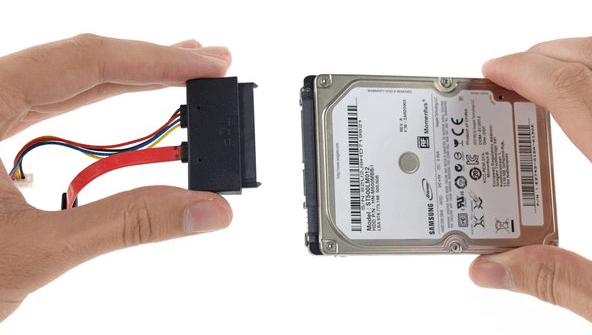
Step 3. Check if you are using a compatible drive.
If a USB 3.0 external drive is connected to a computer via a USB 2.0 cable, it may not be recognized and may even make clicking noises.
Step 4. Connect the clicking (external) hard drive to another computer.
If the drive still keeps clicking on your computer, try to connect it to another computer. This can help determine if the issue is with the drive itself or the computer it's connected to.
Step 5. Connect the hard drive to a PC as an external disk, removing it from the disk enclosure.
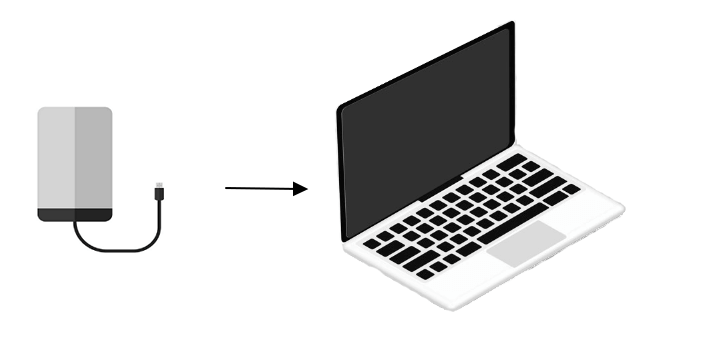
If the clicking noise persists, try other fixes. If you're unable to access saved data, revert to Method 1 for assistance. These tips can help resolve connection issues, and if the clicking noise remains, continue to troubleshoot.
Fix 4. Freeze or Cool Down the Hard Drive
When a hard drive overheats, it can produce a clicking sound. However, intentionally freezing the hard drive can both cool it down and, paradoxically, cause its components to shrink, potentially freeing up any stuck or trapped parts.
To freeze your hard drive, follow these steps: First, unplug the power cord from the back of the computer. Next, locate the hard drive, which is usually found inside the computer case.
Step 1. Locate the fan, which is usually at the back of the computer or laptop. Use compressed air to blow away the dust and debris that has accumulated on the fan.
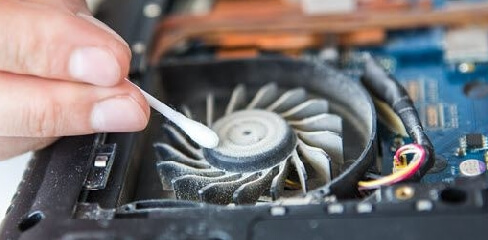
Step 2. To improve your computer's cooling system, you can add an extra fan to the case and position it near the hard drive. This will help to circulate air and reduce the temperature around the drive, potentially extending its lifespan and improving overall system performance.
Step 3. If you're experiencing issues with your computer's hard drive, it may be overheating. In this case, the best course of action is to shut down your computer and let the drive cool down for a bit.
Once the hard drive is working again, back up your data or recover data from the hard drive immediately.
Step 4. If the hard drive is too old, consider replacing it with a new one. This can resolve issues with data loss and system crashes.
Fix 5. Send Clicking Hard Drive for Repair
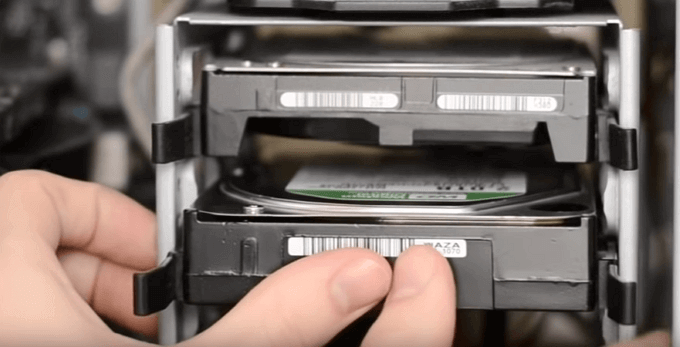
If the clicking sound persists, there are likely significant hardware issues, such as a broken head reader or damaged components on your hard drive.
If your hard drive is clicking, you may need professional help from hard drive repair specialists to fix it and recover your data.
To repair a hard drive, you can use one of three options for clicking:
1. Send the defective hard drive for a replacement if it's still under warranty.
If your hard drive is clicking and beyond repair, it's time to replace it with a new one.
2. Contact the support team of your hard drive manufacturer for help.
3. Take the clicking hard drive to a local hard disk repair center.
Specialists can replace the control board if there's an electrical failure or the disk head if it's weak or damaged.
Fixing A Clicking Hard Drive Is Possible, Make Your Drive Work Now
This page addresses the issue of a clicking hard drive, providing guidance on data recovery and presenting 5 reliable fixes to repair a clicking hard drive.
- If your external hard drive or internal hard drive is clicking and making noise, but you can still access your files, it's a good idea to back up your data to another secure device using free backup software before the issue gets worse and you lose access to your files.
- If the clicking disk is inaccessible, restore data from your drive with reliable data recovery software first, such as Qiling, to ensure your files are safe before attempting any further troubleshooting.
- If your external hard drive is making clicking noises, try to change its connection cables, cool down the drive, or take it for repair based on the causes of the clicking disks.
Fixing a clicking hard drive or external hard drive is possible. Follow tips on this page to make your malfunctioning hard drive work again.
Hard Drive Clicking FAQs
If you still have questions about this issue, check out the questions and answers below for help.
1. What are signs of a failing hard drive?
Here are some signs of impending or failing hard drive:
- Strange noises, like clicking or humming.
- Repeated program or disk errors.
- Frequently popping up error messages.
- Device not detectable, not recognized.
- Unable to load data nor system.
- Drive blinking but not working.
2. Why is my pc making a clicking sound?
- Low clicking sound: computer is reading and writing data to the hard drive.
- Loud clicking sound: hard drive is clicking with malfunctioned hard drive head.
- The computer and hard drive are overheated.
3. What to do with a failing or dying hard drive?
If your hard drive is failing or dying, making a clicking noise, there are some fixes for you to try: First, immediately stop using the drive to prevent further damage. Next, try running a disk check or scan on your computer to see if it can detect and potentially fix any issues.
- Recover data from failing hard drive if it's bootable.
- Back up data from failing hard drive if it's unbootable.
- Review dying hard drive by changing power cable, update disk driver, etc.
- Send drive for repair if it's under warranty.
To troubleshoot a dying drive, follow these steps:
Related Articles
- Recover Data from Formatted Transcend External Hard Disk/SD Card
- Free Download USB Flash Drive Recovery Software to Undelete Files
- Red Dead Redemption 2 Lost Save Game, How to Recover?
- Files/Folders Keep Reappearing After Deletion in Windows 10/8/7
- 6 Proven Ways to Fix Windows Update Download Error 0x80248007
Fix Windows Update download error 0x80248007. Reset update components, check services, and repair Windows update files. - 5 Best Ways to Fix Windows Update Error 0x80080005
If your Windows update failed with error 0x80080005 and you're unable to update Windows 10 to the newest version. There are 5 effective ways to fix this issue.
Products
Articles & Tutorials
- Data Recovery
- Data Backup
- File Recovery
- File Backup
- System Backup and Restore
- Disk and Partition Clone
- Technical articles
- Mobile articles
- Disk Master Help
- Windows Data Recovery Tutorials
- Windows Secure Delete Tutorials
- Windows Partition Management Tutorials
- Windows File Backup and Restore Tutorials
- Windows System Backup and Restore Tutorials
- Windows Disk Backup and Restore Tutorials
- Windows Clone Tutorials