How to Fix Grayed Out Folders or Files on Mac
When folders or files appear greyed out on a Mac, they can't be opened or accessed. To resolve this issue, you can use Terminal on Mac. Follow the steps provided on this page, which will help you effectively fix the greyed out folders and files issue on your Mac.
| Workable Solutions | Step-by-step Troubleshooting |
|---|---|
| Phase 1. Fix Greyed Out Folder/Files | Open Finder > Locate the greyed out folder or file > Go to Application > Open Terminal...Full steps |
| Phase 2. Recover Folders/Files | To restore the lost folders and files, run Qiling Mac data recovery software, scan device...Full steps |
Why my folders and files greyed out on Mac?
You transferred files from an old external hard drive to your Mac, but they are now grayed out and inaccessible, with an error message showing they were created on January 24, 1984. This is likely a date-related error, not an actual creation date. To fix this without losing data, you can use the Terminal app to reset the file dates, or use data recovery software to recover the affected files.
Mac folders or files may appear greyed out and inaccessible due to various reasons such as file system errors, hard drive formatting issues, or interruptions during file copying. This can occur due to factors like power failures, Mac OS crashes, or other system-related problems. As a result, the files or folders become inaccessible and appear greyed out, preventing users from opening them.
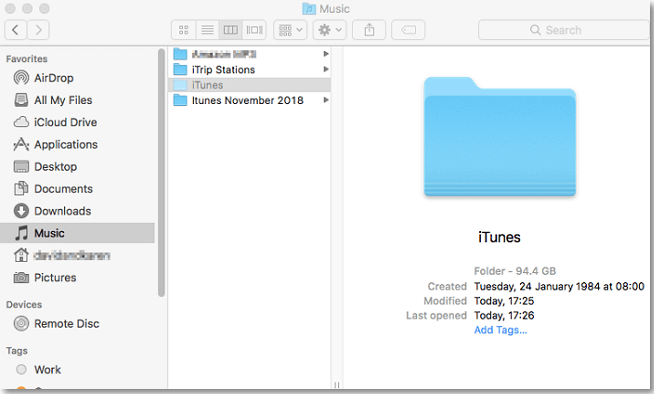
How to Fix Mac Folders Grayed out in Terminal
Changing the date of the folder or file is a feasible way to fix greyed out folders on a Mac. This can be done using XCode, which can be downloaded from the App Store.
Step 1. Open Finder and find the grayed out folder or file that shows 24 January 1984 error.
Step 2. Go to Applications and open the Terminal app.
Step 3. Type SetFile -d 11/09/2016 /Path/to/grayed-out-folder/ and tap on return.
By running the command, the date of your grayed out files or folders will change to a specific date, such as 11/09/2016, and they will no longer be grayed out. You can set the time to any day you wish. This allows you to view or access the previously inaccessible files or folders.
How to Recover Folders/Files with Free Mac Data Recovery Tool
If you've successfully resolved the grayed out folders issue, great job! However, if the problem persists and is related to Mac hard drive formatting, operation errors, or system failure, you can try recovering the greyed out folders or files using free data recovery software for Mac.
Deep Data Recovery for Mac is a free tool that enables you to recover lost or deleted files, photos, audio, music, and emails from your Mac hard drive safely and effectively. It supports data recovery from various sources, including the Mac trash bin, hard drive, memory card, flash drive, digital camera, and camcorders, due to reasons such as deletion, formatting, lost partition, virus attack, and system crash.
Step 1. Run Deep Data Recovery. Select file types and click "Fast Scan" to start the recovery process.
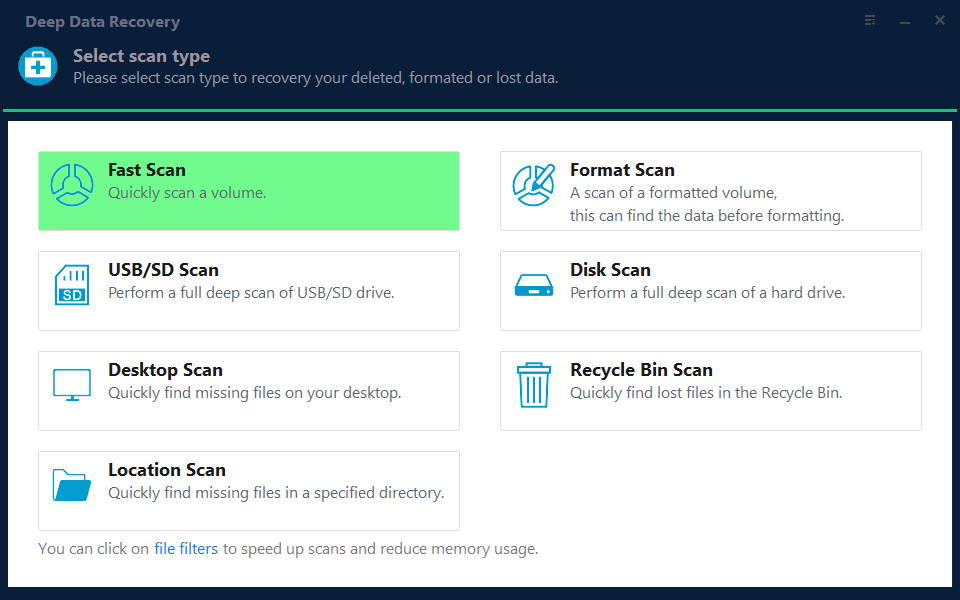
Note: You can choose different search modes based on where and why the data was lost.
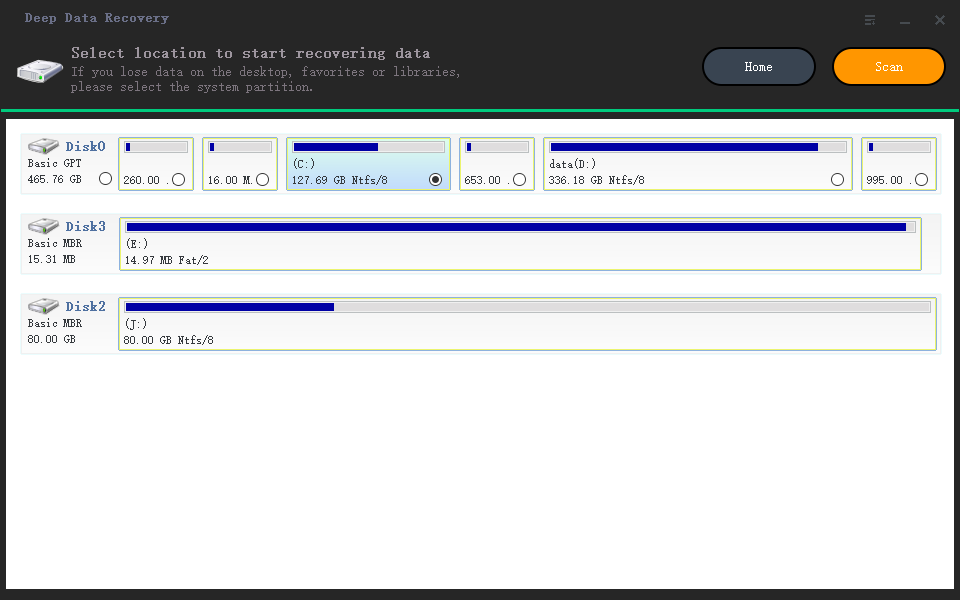
Step 2. Select the disk location where you lost data and files, then click the "Scan" button to begin the recovery process.
Step 3. Deep Data Recovery for Mac will immediately scan your selected disk volume and display the scanning results on the left pane.
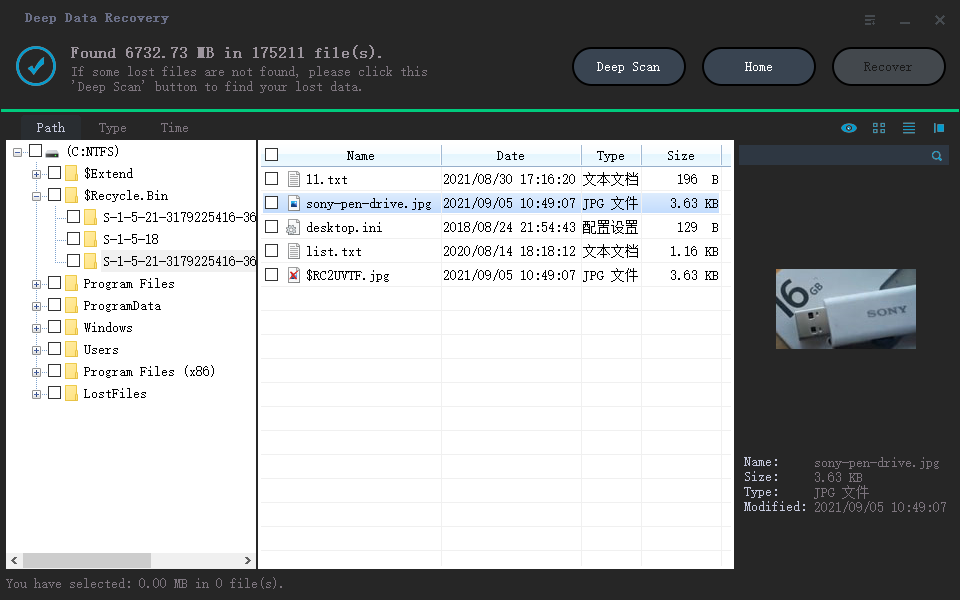
Step 4. In the scan results, select the file(s) and click the "Recover" button to have them back.
Related Articles
- Fix: There Was a Problem Resetting your PC in Windows 10/8.1/8
- [Fixed] CHKDSK Stuck at 10%, 11%, 12%, 100% in Windows 10/8/7
- Download Windows 10 21H2/21H1/20H2/2004/1909/1903 ISO and Fix Fail to Install Error
- Windows 10 Creators Green Screen of Death Fix
- BitLocker Recovery Screen: How to Fix It After Windows Booting
If you're stuck on the BitLocker recovery screen, you can try to bypass it or enter the recovery key to regain access to your system. This is crucial as without the key or bypass, you won't be able to recover data from the system. - Blackmagic Disk Speed Test Alternative for Windows [Top 5]
If you're looking for alternatives to Blackmagic disk speed test, this blog post explores the top 5 options, allowing you to try new speed testing software for more reliable and accurate results.
Products
Articles & Tutorials
- Data Recovery
- Data Backup
- File Recovery
- File Backup
- System Backup and Restore
- Disk and Partition Clone
- Technical articles
- Mobile articles
- Disk Master Help
- Windows Data Recovery Tutorials
- Windows Secure Delete Tutorials
- Windows Partition Management Tutorials
- Windows File Backup and Restore Tutorials
- Windows System Backup and Restore Tutorials
- Windows Disk Backup and Restore Tutorials
- Windows Clone Tutorials