What Is Immutable Backup? [All You Need to Know]
Immutable backups refer to a type of data backup where the backed-up information cannot be altered or removed, making it a secure target. However, this immutability also makes the data a potential target for attackers, who may encrypt or delete it during an attack. When developing a backup or disaster recovery strategy, it's essential to have data that cannot be changed, especially in the event of ransomware attacks.
This article explores the concept of immutable backups, highlighting the benefits of immutability and the various types of immutable repositories. It also delves into how to enhance your backup and recovery strategy to better protect your data.
What Is Immutable Backup?
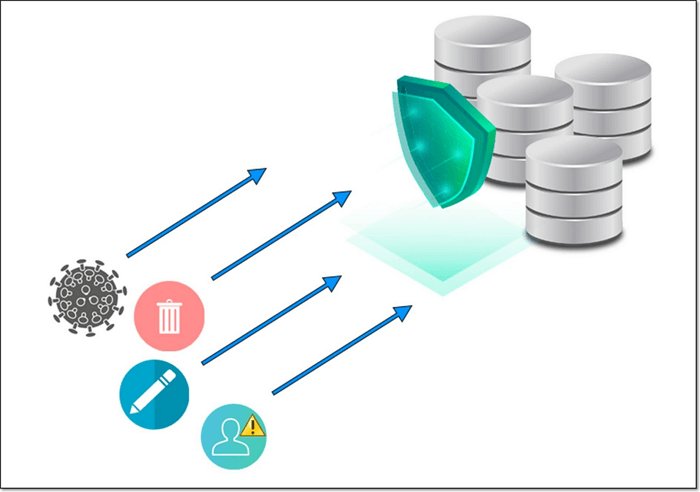
An immutable backup is a duplicate of a backup that cannot be altered, rewritten, or deleted for a specified period of time. This ensures that the original data remains intact and unchanged, providing a reliable and tamper-proof record.
Having an immutable copy of backups ensures a tamper-proof duplicate of critical data, always accessible and protected from cyber threats, ensuring integrity and security of vital company information.
An immutable backup ensures that you always have a backup copy, allowing you to recover data and continue activities without interruptions, even if your primary copies are lost, damaged, or inaccessible.
What Is the Difference Between Mutable Backup and Immutable Backup?
Data that can be modified is called "mutable data" and changes are immediately reflected in the database by replacing the existing record. In contrast, "immutable storage" refers to data that, once saved, cannot be changed, relocated or deleted.
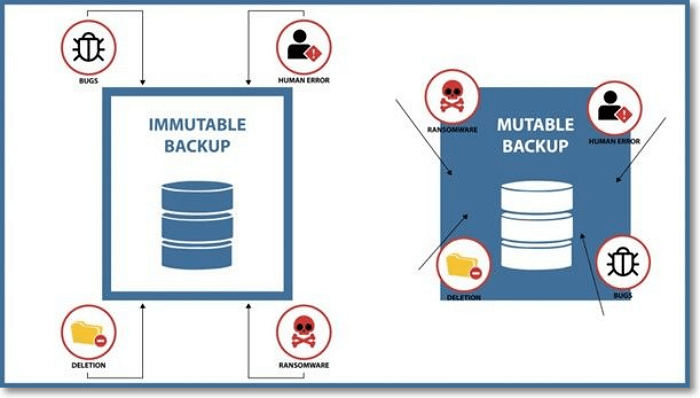
The key difference between mutable and immutable backup solutions lies in the ability to alter the stored data. An immutable backup solution stores data that cannot be changed, deleted, or modified in any way, preserving its original form.
Using changeable backups exposes you to various risks, such as encryption, modification, or erasure, often exploited by hackers seeking to extort a ransom. This makes them vulnerable to cyber threats, unlike immutable backups that cannot be altered.
What Are the Benefits of Using Immutable Backup?
Maintaining immutable backups provides a secure way to store versions of critical data that are tamper-proof, cannot be altered accidentally, and are resistant to malicious attacks or ransomware. This ensures the integrity and reliability of the data.
The primary benefits of immutability include:
- Immutable backups are the top security measure against ransomware, as they cannot be modified by malicious encryption, providing a safe and secure way to restore data in the event of an attack.
- Immutability protects data from internal and external threats, making it impossible for anyone, including former employees or outsiders, to alter the information, ensuring its integrity and security.
- Businesses can meet stringent compliance standards by keeping an unmodified version of the data they collect and use, especially in sectors like government or healthcare that require long-term retention regulations and ensure data and backups are real and have not been changed.
Conclusion
As cybercrime continues to evolve, organizations must find creative ways to safeguard their data against increasingly sophisticated threats, including ransomware.
Storing backups offsite and in an unchangeable condition increases the chances of successful data recovery. This can be achieved by saving backup copies locally on tape or transferring them to an immutable cloud storage service, or preserving them in an immutable form on the cloud, making it impossible for users to alter or remove these backups.
FAQs
1. How long should backups be immutable?
Establishing immutability for a certain period, such as two years, ensures a copy of your data remains unmodified, unchanged, and cannot be deleted under any circumstances. This provides a secure backup that is resistant to data damage, viruses, and intentional or unintentional destruction, offering a safeguard against data loss.
2. Can immutable backups be compromised?
To protect yourself against ransomware attacks, ensure that your backup copies are safeguarded by immutable technology. This makes the files resistant to encryption, destruction, or any other form of alteration. Immutable backups guarantee that data cannot be modified or deleted, providing a secure layer of protection.
3. What makes a backup immutable?
Immutable backups, also known as immutable copies, guarantee that stored data will never be corrupted, erased, encrypted, or altered, making them an unchangeable and reliable data protection method.
Related Articles
- Windows 11 Is Not Activated: How to Activate Windows 11 OS for Free
- What Is M.2 SSD? Definition and Types
- Restore Point in Windows [What Is and How to Use]
- Mac Spotlight Shortcut You Should Use [Full Guide]
- How to Fix com.apple.DiskManagement.disenter error 49153 [Ventura/Sonoma]
Are you experiencing the com.apple.DiskManagement.disenter error 49153 on macOS Ventura or Sonoma? This troubleshooting guide provides effective fixes to help you resolve the issue. - Guide on Diskpart Create FAT32 Partition | How to Create FAT32 Partition with Diskpart
To create a FAT32 partition using Diskpart, follow this guide.
Products
Articles & Tutorials
- Data Recovery
- Data Backup
- File Recovery
- File Backup
- System Backup and Restore
- Disk and Partition Clone
- Technical articles
- Mobile articles
- Disk Master Help
- Windows Data Recovery Tutorials
- Windows Secure Delete Tutorials
- Windows Partition Management Tutorials
- Windows File Backup and Restore Tutorials
- Windows System Backup and Restore Tutorials
- Windows Disk Backup and Restore Tutorials
- Windows Clone Tutorials