[Solved] What Happens If I Interrupt System Restore Windows 10?
If you interrupt System Restore in Windows 10, it may not complete successfully, and the system may return to its previous state. This can result in lost changes and potentially cause system instability. It's generally recommended to let System Restore run to completion to ensure a successful restore. If you interrupt the process, you may need to restart the restore process from the beginning. Additionally, interrupting System Restore can also cause system files to become corrupted, leading to further system issues.
Can I Interrupt the System Restore Windows 10
To interrupt the System Restore process, ensure all data is saved beforehand. Once started, you can click "Yes" when Windows asks to confirm the restore process. System Restore creates different restore points to fix system problems, making it easy to pause and resume the process.
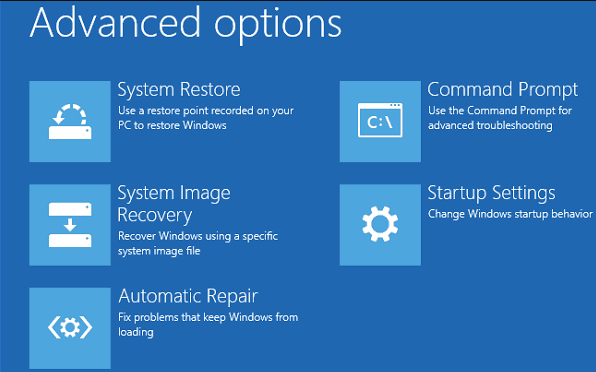
It is easy to interrupt the System Restore in Windows 10 after creating a data backup. During the process, the system creates restore points that help manage different device issues, including local user profiles, cache, drivers, DLL files, Windows registry, etc. However, interrupting the System Restore leaves the device unbootable, can make it useless, and even creates an inability to fix the system issues.
What Happens If I Interrupt the System Restore Windows 10
System Restore is a process in Windows 10 that creates different restore points to fix device issues. If you interrupt the system during this process, it's essential to understand the consequences that may occur.
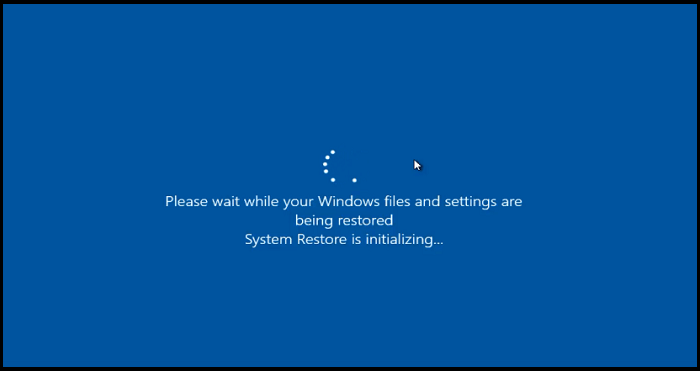
Therefore, interrupting the System Restore in Windows 10 can cause:
- The registry backup or the system files may be incomplete: The device may not run properly if it has incomplete Windows registry entries or an incomplete registry backup, which can cause problems with the system's functionality.
- The system may become unbootable and can't run Due to incomplete system file restore, the system files become corrupted and unbootable.
- Your computer may be paralyzed or bricked: Accidental interruptions or power outages during the System Restore process can cause the device to become paralyzed or "bricked," unable to function properly.
What to Do If I Interrupt the System Restore Windows 10
If System Restore in Windows 10 is interrupted, using a reliable backup software like Qiling Backup can help protect your data.
It is a reliable solution for comprehensive protection of system backup and recovery, it creates a system image file backup or specific file backup, ensuring data is safeguarded around the clock and allowing for easy restoration of files from backup Windows 10.
Advantages of Qiling Backup:
- It offers an efficient and secure backup and recovery.
- It offers system cloning, disk cloning, and other clone options.
- The system creates an intelligent backup, a hot backup, and a security zone backup.
- It creates offsite copy and shares reports through e-mail notifications.
To back up your Windows system using Qiling Backup, follow these steps: First, download and install the Qiling Backup software from the official website. Next, launch the software and select the backup options you want to use, such as backing up files, system state, or both.
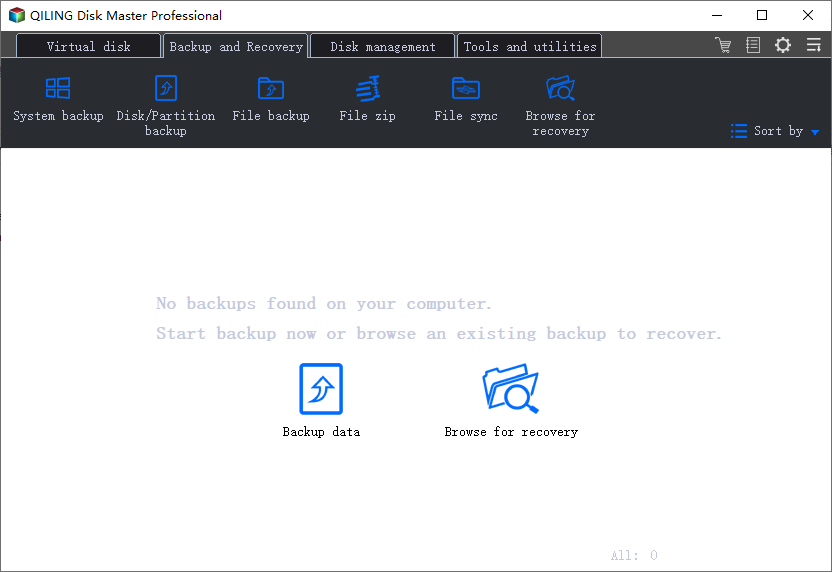
Step 1. Click the "System backup" button on the main page to initiate the backup process.
Step 2. Qiling Backup will automatically select your system partition, requiring only a choice of backup destination.
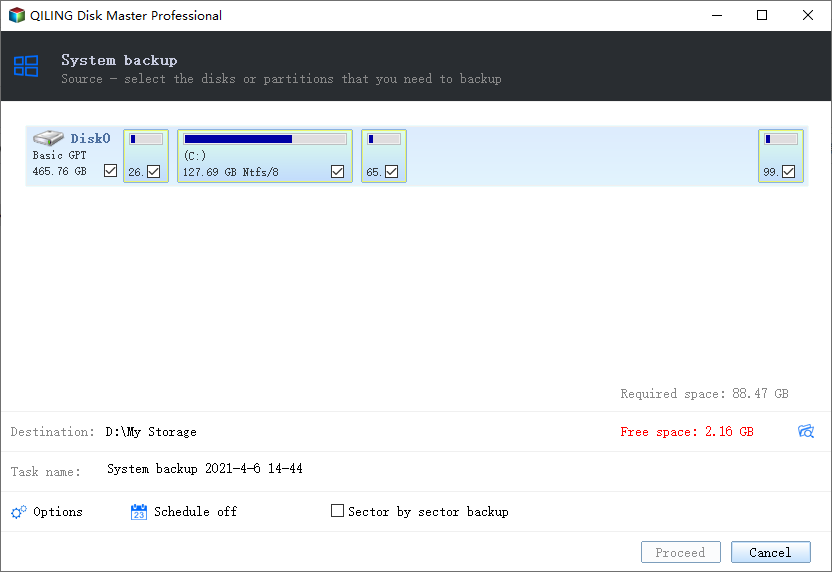
Step 3. You can save the backup file to either your local drive or a network-attached storage (NAS) device.
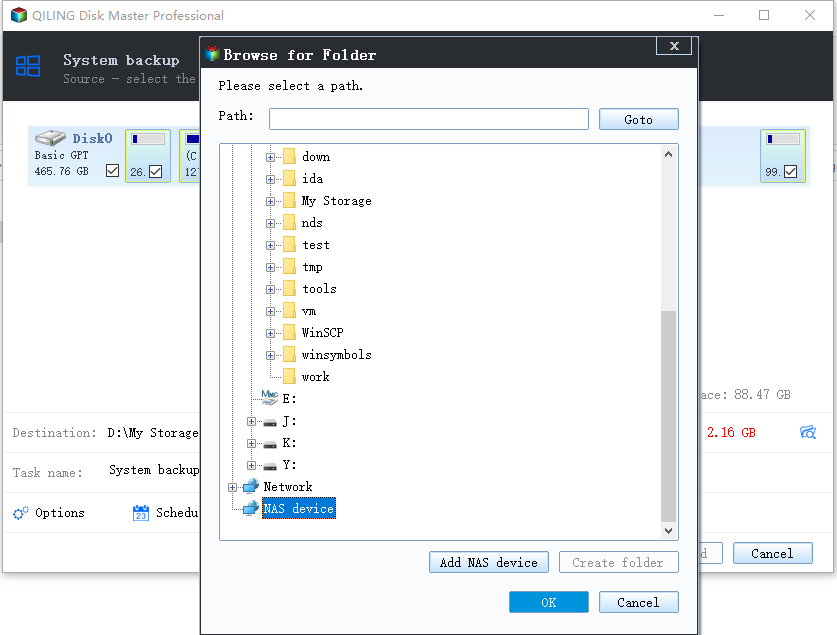
Step 4. After completing the backup process, you can view the backup status, restore, open, or remove the backup by clicking the "Advance" button on the backup task in the list.
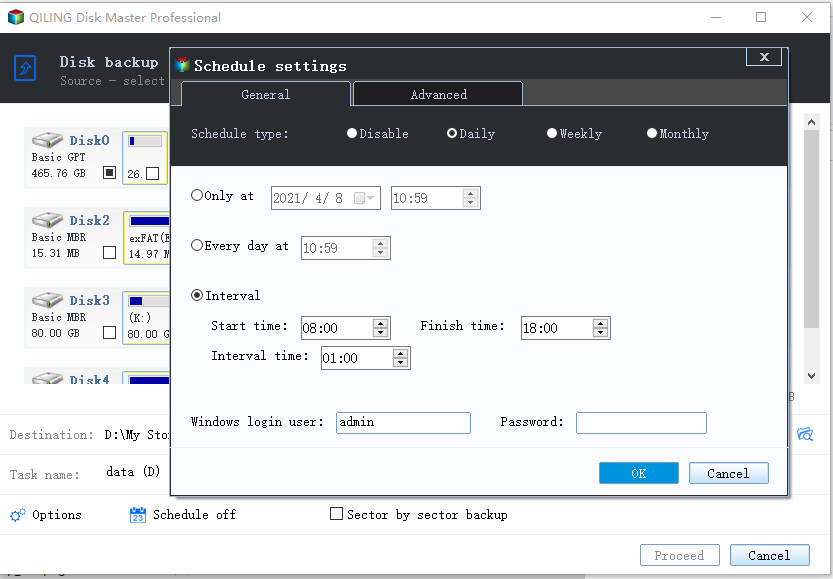
After backing up your system with Qiling Backup, you can restore the system backup with advanced restoration settings, and also learn how to restore a system image from Windows 10 to a new computer.
Here are the quick methods to stop System Restore in Windows 10 if you interrupt it:
Method 1. Perform a Clean Installation
If you interrupt System Restore or Windows Reset and you don't know what to do, the useful thing left to do is perform a clean install. For this, you'll need to create a Windows installation media.
Step 1. Insert the installation media.
Step 2. Change the BIOS settings to boot from the media.
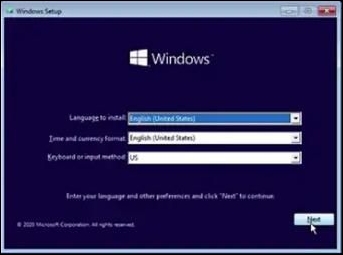
Step 3. To complete the Windows installation, go to "Windows Setup" and follow the on-screen instructions to complete the installation wizard. This will guide you through the final steps of the setup process.
Method 2. Use Automatic Startup Repair
Windows 10 users have reported that their computers get stuck and System Restore is interrupted, but Windows triggers Automatic Startup Repair to resolve the issue, which can be resolved by following certain steps.
Step 1. Shut down the system.
Step 2. Restart the computer before it displays the Windows logo, and power it off again.
Step 3. The process will be repeated three times, allowing the system to restart on the fourth attempt.
Step 4. Windows get started in the automatic startup repair mode.

Interrupt System Restore FAQs
If you need to interrupt System Restore Windows 10, you can try the quick steps outlined earlier. However, you may still have some questions. Common queries include: what to do if System Restore is stuck, how to cancel System Restore when it's running, how to troubleshoot issues with System Restore, and what to do if System Restore fails to complete.
1. How long should System Restore take on Windows 10?
On Windows 10, System Restore can be used to fix various problems. The time required for System Restore varies, typically taking around 20-40 minutes, depending on the size of the system. Once initiated, the computer scans drives, programs, and confirms the restore location before restarting.
To check if a system is taking too long for the System Restore process, click on "Start System Restore" and select the lists. You can delete the second list and select the first one to restore, which should take around 40 minutes. However, be aware that starting System Restore will raise a warning message that the process cannot be interrupted.
2. Why is System Restore taking so long for Windows 10?
System Restore may take around thirty minutes or more, depending on the device's size, and can be affected by issues that require a system restart, startup repair to fix the boot manager, or reinstalling Windows. The process involves taking a snapshot of the device when new software is installed, allowing Windows to restore the system to its previous state if needed.
To speed up the System Restore process, you can simply restart your computer or perform a startup repair, which can help complete the process in just 25 minutes. Alternatively, you can restart your computer and run Startup Repair.
3. Can I stop a Windows 10 System Restore?
To disable Windows 10 System Restore, you can follow these steps: Go to the Control Panel, then to System and Security, and click on System. In the left-hand menu, click on System Protection. Here, you can see the current status of system protection and manage the disk space used by system restore points. Click on the Configure button to disable system protection and prevent the creation of new restore points. This will also remove any existing restore points.
To keep System Restore on a small portion of your hard drive, simply set the disk space amount to 10%. This will limit the space used by System Restore, preventing it from consuming too much of your hard drive. Keep in mind that creating multiple restore points can take several minutes, but by keeping System Restore on a small portion of the drive, you can prevent it from taking up too much space.
4. How to fix System Restore is restoring the registry?
To fix System Restore, try restoring the registry by turning off the computer, unplugging the power cord, and then reconnecting it. Alternatively, you can hold the power button for 30 seconds to release power and fix the issue. These methods can be used to resolve the problem, which is often caused by the registry not being restored properly.
- Performing System Restore to an error-free point: To fix system restore, select the available restore point to restore the registry to the last error-free point in the advanced startup options.
- Updating the drivers in Safe Mode: Launching the system in safe mode provides access to configuration settings, allowing for easy updates to drivers to resolve issues with System Restore restoring the registry. Once in safe mode, it's easy to boot the system normally and complete the System Restore process.
- Running different commands to perform advanced troubleshooting: To run a disk check and repair disk errors, open Command Prompt and enter the commands `chkdsk C:/f /r /x` and `sfc /scannow`.
Final Verdict
If you interrupt an ongoing System Restore in Windows 10, it can lead to various issues, including incomplete system files, a system that becomes unbootable, or even a bricked system. This can be avoided by letting the system restore process complete, but if you need to interrupt, it's essential to understand the potential consequences.
Before attempting System Restore, it's a good idea to back up your data using Qiling Backup to prevent data loss. Additionally, you may want to consider a clean installation or automatic startup repair as alternatives. If you're unsure about the process, a few frequently asked questions are available to provide quick assistance.
Related Articles
- How to Check Update to Windows 11 and Set Up Your PC to be Windows 11 Compatible
- What Is Pagefile.sys? Is It OK to Delete It?
- What Is Hyper-V Monitoring [All You Need to Know]
- Answers in 2022 | Does a Factory Reset Delete Everything?
- How to Recover Deleted Files/Photos on Phone from Hide it Pro
If you've lost photos, pictures, or files from Hide it Pro, this page can help you recover them. Using powerful recovery software, you can easily retrieve deleted files and photos from Hide it Pro on your mobile phone in just 3 simple steps. - Best Guide to Recover Forgotten Blizzard Password
Forgot your Blizzard password? No need to worry. In this article,we will give you methods of how to recover forgotten Blizzard password. Choose the way that fits you best.
Products
Articles & Tutorials
- Data Recovery
- Data Backup
- File Recovery
- File Backup
- System Backup and Restore
- Disk and Partition Clone
- Technical articles
- Mobile articles
- Disk Master Help
- Windows Data Recovery Tutorials
- Windows Secure Delete Tutorials
- Windows Partition Management Tutorials
- Windows File Backup and Restore Tutorials
- Windows System Backup and Restore Tutorials
- Windows Disk Backup and Restore Tutorials
- Windows Clone Tutorials