Why Does My Computer Keep Crashing? Top 8 Reasons Are Here!
Quick navigation to the 8 common reasons for computer keeps crashing on Windows 10:
| Computer Crashing Reasons | Step-by-step Troubleshooting |
|---|---|
| 1. Too Many Programs Running | This is the most common and reported reason for computer crashing in Windows 10...Full steps |
| 2. Outdated or Problematic Drivers | If some essential drivers get deleted or outdated, the operating system will fail, and the computer...Full steps |
| 3. Overheating | Overheating can cause a computer to crash by slowing down the system. Running heavy software...Full steps |
| 4. Hardware Malfunction | CPU and RAM both can be responsible in case of a system crashing. If your RAM is broken or faulty...Full steps |
| More Reasons and Quick Fixes | Other possible causes of PC crashing are improper BIOS Settings, software conflict, virus attack...Full steps |
You were in the middle of something important on your computer, like a game or a video, when it suddenly froze and you couldn't interact with it. You tried using the task manager to troubleshoot and possibly recover your work, but nothing seemed to work. As a last resort, you had to restart your computer to try and salvage your data.
If you're experiencing random computer crashes in Windows 10, you're not alone. Fortunately, there are many resources available online, including answers to the question "why does my computer keep crashing randomly in Windows 10." To help you troubleshoot the issue, we've compiled a list of the most effective solutions that other users have found helpful.
Top 8 Reasons Why Your Computer Keeps Crashing on Windows 10
Here are the eight possible causes of your windows freezing:
Reason 1. Too Many Programs Running
The most common reason for computer freezes in Windows 10 is when too many programs are opened, doubling the load on the processor. Even with a robust computer processor, there is a maximum capacity it can handle, and exceeding this can cause the system to freeze.
If you overburden your computer with too many programs, it can freeze, even if you have a large storage RAM. This is because the computer's resources are being pushed beyond their limits, causing it to shut down. Opening too many programs at once can cause the computer to become unresponsive, leading to a freeze.
Reason 2. Outdated or Problematic Drivers
Drivers act as messengers between computer hardware and the operating system, enabling communication between the two. If essential drivers are deleted or become outdated, the operating system can't communicate with the hardware devices, leading to a computer freeze.
Updating drivers automatically can be the most efficient way to resolve freezing issues, as it eliminates the need to manually check and update each driver individually. However, if you're aware of the specific driver causing the problem, you can update it manually. Otherwise, downloading device driver software can help streamline the process.
Reason 3. Overheating
Overheating can cause a computer to freeze by slowing down the system, and if the temperature is too high, it can damage the internal components, leading to freezing problems.
There are several reasons why a device or system can overheat, including issues such as malfunctioning cooling systems, excessive usage, dust buildup, and blockages in air vents, among others.
- Running heavy software and games on a weak PC
- Broken Fan
- Lack of ventilation
- Choking of vents due to dust and other dirt particles
To prevent overheating issues, keep your PC clean and well-maintained.
Reason 4. Hardware Malfunction
Many people underestimate the importance of sufficient RAM in computers, often prioritizing the CPU's speed. However, having enough RAM allows for smooth multitasking, as it enables computers to run multiple programs in the background without reloading them every time they are opened.
Reloading programs can cause system freezes due to high CPU and RAM usage, and faulty RAM can also lead to PC freezes.
Reasons 5. Improper BIOS Settings
If your computer is freezing and you're unable to find a solution, check the BIOS settings, as they may be the cause. The BIOS settings can vary depending on your PC's manufacturer, so consult your device's manual to learn how to access the BIOS.
The most common solution to improper BIOS settings is to either reset to defaults or remove and replace the CMOS battery, with the latter being the most effective method to correct the settings.
Reason 6. Hardware Or Software Conflict
Damaged external devices such as USB, keyboards, or speakers can cause a PC to freeze due to the computer's inability to communicate with them properly. This can lead to a prolonged or complete failure of communication, resulting in a freeze.
To resolve the issue of a computer hanging and freezing, it's recommended to delete any unnecessary software and check for damaged software that might be causing the problem. This can help identify and remove malicious software that could be contributing to the issue.
Reason 7. Viruses Or Malware Attack
Computer freezes can be caused by viruses and malware, which infect the computer's operations and slow them down, eventually leading to freezing, and can also prevent certain programs from functioning.
In some cases, antivirus software itself can cause a computer to freeze, so it is best to use a reputable paid version to prevent this.
Reason 8. Corrupted System Files
Any third-party software, regardless of the manufacturer, can cause your PC to freeze. To avoid this, be cautious when downloading software and never install pirated or malicious programs, as they can damage system files and cause harm to your computer.
Some apps may consume a large amount of memory, causing Windows to freeze and become unresponsive, as it struggles to manage the load.
How to Fix Computer Keeps Crashing Without Data Loss
If your computer freezes and crashes, resulting in the loss of all your data, professional data recovery software can help recover valuable photos, videos, files, and other essential data that has been lost.
First Thing to Do: Rescue and Restore Data from Crashed Computer
To avoid data loss when dealing with a computer crash, we recommend using data recovery software in advance. Our product, Deep Data Recovery, can efficiently recover data from crashed or unbootable computers.
You can use this file recovery tool not only for recovering lost files but also for repairing corrupted files in various formats, including Word, Excel, PDF, photos, and videos. Losing data can be a stressful experience, which is why it's recommended to keep your data safe with Qiling data recovery software.
Step 1. Create a bootable disk
Before creating a bootable disk, prepare an empty USB drive by copying any important data to another device. This is because creating a bootable disk will erase the data on the USB. To create a bootable disk, you can use Deep Data Recovery WinPE Edition.
Connect the USB drive to your PC, then launch Deep Data Recovery WinPE Edition. Select the USB drive and click "Create" to create a bootable disk.
Step 2. Boot from the bootable USB
Connect the bootable disk to a PC that won't boot, then change the computer's boot sequence in the BIOS settings. This usually works by restarting the computer and pressing F2 at the same time to access the BIOS.
To boot your PC from a device other than the hard drive, press F10 to save and exit the BIOS settings. This allows you to select booting from a removable device, such as a USB drive, or a CD/DVD drive, giving you options beyond the hard drive.
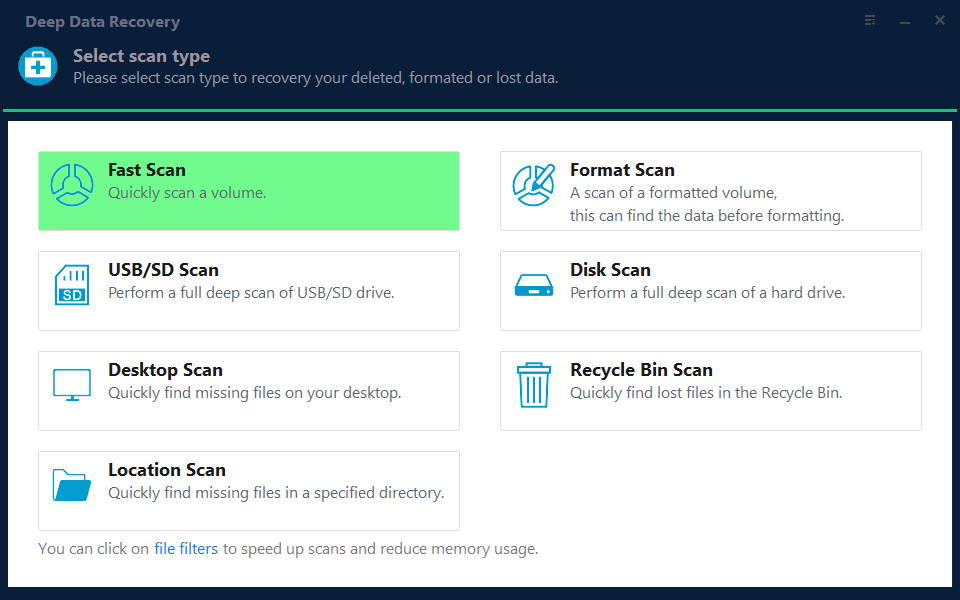
Note: You can choose different search modes based on where and why the data was lost.
Step 3. Recover data from a hard drive that won't boot
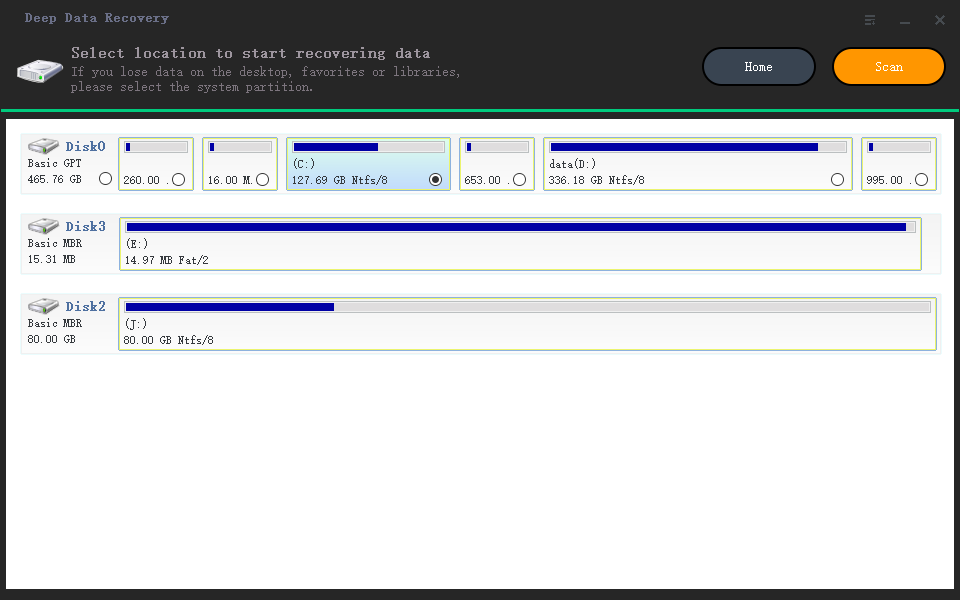
When you boot from a USB, you can run Deep Data Recovery from the WinPE bootable disk, allowing you to select the drive you want to scan to find all your lost files.
Click "Scan" to start the scanning process.
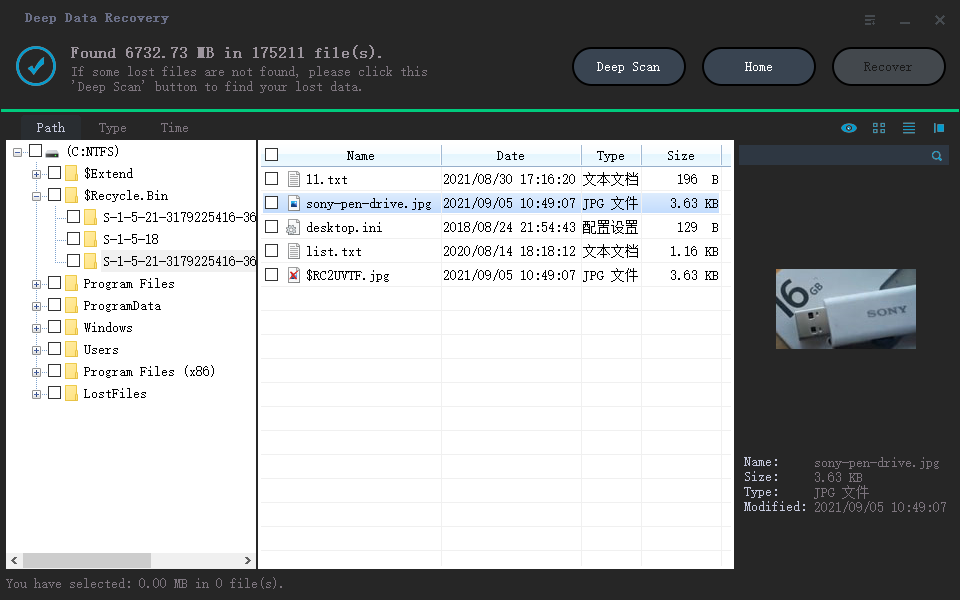
After scanning, you can preview recoverable files, select the targeted files, and click "Recover" to restore them, saving the recovered data to another location to avoid overwriting.
Quick Fixes for Computer Keeps Crashing on Windows 10
Here are all the solutions that will help you solve computer keeps crashing problem without causing any data loss. Go to the topic page for detailed instructions.
- 1. Cool the computer
- 2. Reboot your computer
- 3. Make sure your CPU works properly
- 4. Boot in Safe Mode
- 5. Update your drivers
- 6. Run System File Checker
- 7. Upgrade RAM
- 8. Install or Upgrade Antivirus Software
Use Manual Services to Fix Computer Keeps Crashing Issue
Another efficient way to fix computer keeps crashing issue is using reliable manual recovery and repair services from Qiling, where our professional technical team can help solve system startup errors, including system failure, system blue screen, system black screen, and more.
Consult with Qiling data recovery experts for a one-on-one manual recovery service, which includes the following services after a FREE diagnosis:
- Fix Windows boot issues, including BSOD
- Fix Windows error and configure Windows environment
- Restore the system when it fails to boot
- Optimize Windows computer to make it run quickly
Conclusion
We sincerely hope that this step-by-step guide will help you resolve the freezing screen problem on Windows 10. Follow each step carefully to achieve the desired results. If you still encounter issues and lose data, consider using Qiling data recovery software to recover your lost data.
Backing up your data in advance can prevent data loss, and it's always better to be proactive than reactive. If you're experiencing issues with your PC, it's possible that it's a Windows flaw, and Microsoft will work on resolving the problem.
Related Articles
- 6 Fixes: Windows Has Problem Ejecting USB Mass Storage Device
- Recuva Review (Free Download)
- Restore Accidentally Cleared Data on Kodi
- Fix 'Please Insert a Disk into Removable Disk' Without Losing Data
- Quickly Check If a Hard Drive Is Failing Using SMART on Windows 10/11 [2023 New Guide]
It's essential to keep a check on the hard drive's health, and in this post, we will share how you can check if a hard drive is failing using SMART technology. However, it will only work on the drives which support SMART, and most modern storage devices support it. - How to Check If Disk Is Failing in Windows/Mac [2023 Complete Guide]
Learn how to check if a disk is failing. Review warning signs, SMART status, disk tests, and backup steps before data loss.
Products
Articles & Tutorials
- Data Recovery
- Data Backup
- File Recovery
- File Backup
- System Backup and Restore
- Disk and Partition Clone
- Technical articles
- Mobile articles
- Disk Master Help
- Windows Data Recovery Tutorials
- Windows Secure Delete Tutorials
- Windows Partition Management Tutorials
- Windows File Backup and Restore Tutorials
- Windows System Backup and Restore Tutorials
- Windows Disk Backup and Restore Tutorials
- Windows Clone Tutorials