Create Portable Windows 10 Creators To Go USB Drive
Why need a portable Windows To Go USB drive
Creating a portable Windows USB drive on Windows 10 Creators offers several advantages, including the ability to have a self-contained Windows environment that can be used on any computer, without affecting the host machine. This can be particularly useful for new Windows 10 Creators users who may not fully understand the benefits of such a tool. A portable Windows 10 Creator To Go USB drive allows users to have a fully functional Windows environment on a USB drive, which can be used to run applications, access files, and perform other tasks, all without the need to install Windows on the host machine. This can be especially useful for troubleshooting, testing, or demonstrating Windows applications without affecting the host machine.
1. Prevent system update error;
2. Avoid unexpected system crash or failure error;
If your computer won't boot after a Windows 10 Creators update or system crash, a portable Windows To Go USB Drive can help you boot your system and continue working while you troubleshoot the issue.
3. You can take your own Windows system anywhere by running it from a USB drive on any other computer. This allows you to use your own Windows installation on different machines, without having to install it on each one.
A portable Windows USB drive allows you to run your own system on any other PCs without taking your PC or computer on business.
Create a portable Windows To Go USB drive for Windows 10 Creators
To burn and install your current Windows 10 Creators ISO into a USB drive and make it bootable on any other computers, you'll need the help of third-party software or a tool. This process involves using a tool like Rufus or PowerISO to create a bootable USB drive from the ISO file. The tool will help you format the USB drive, create a bootable partition, and copy the Windows installation files to the drive. Once complete, the USB drive can be used to install Windows 10 on any computer that supports booting from a USB drive.
To easily clone and install Windows 10 Creators to a portable USB drive, we recommend using Qiling Backup, a professional Windows backup recovery software that supports all Windows systems, allowing you to create a portable Windows USB drive for any system. Simply download and follow the instructions to make your Windows system bootable from the USB drive on any computer.
3 steps to create Windows 10 Creators To Go USB drive
To create a Windows portable USB drive of Windows 10 Creators on your own, follow these steps: download the Windows 10 Creators ISO file from Microsoft's official website, burn the ISO file to a USB drive using a tool like Rufus or PowerISO, and then boot from the USB drive to install Windows 10 on a computer. Alternatively, you can also use a tool like WinToUSB to create a portable Windows 10 drive without burning the ISO file to a USB drive.
Step 1. Connect a USB drive to your PC and run Qiling Backup. Click System Clone.
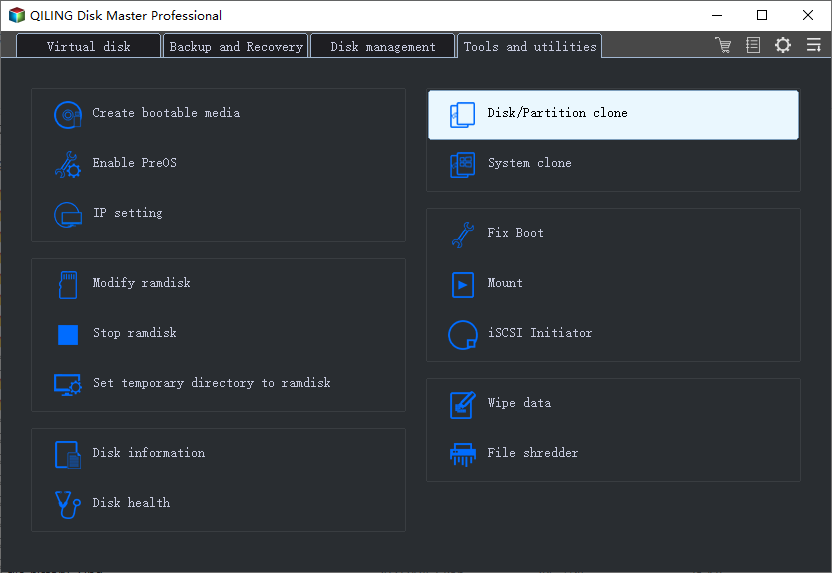
The system requires a USB drive larger than the system drive and boot partition, and Qiling Backup will inform whether the USB drive is sufficient or not with System Clone.
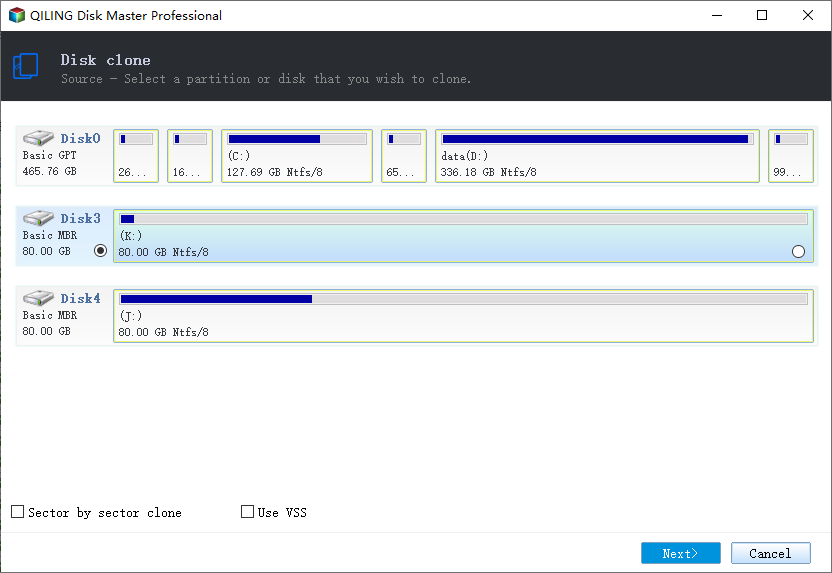
Step 2. Select the destination disk - the USB drive to clone system drive (system and boot partition) to.
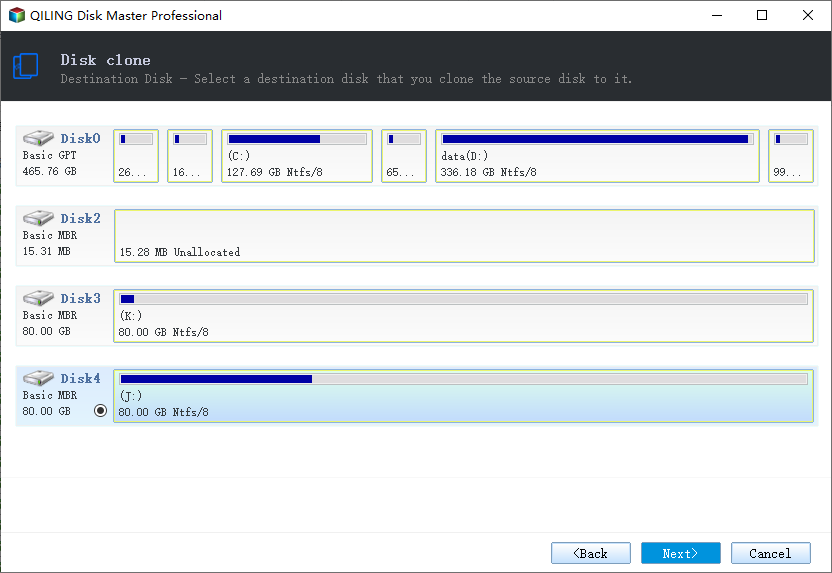
You can check if your USB drive has enough storage space by looking at its capacity. If the drive is big enough, you'll be able to store more files and data on it. To check, simply plug the drive into your computer and look for its storage capacity in the file manager or disk utility.
Click Proceed to clone OS to USB drive.
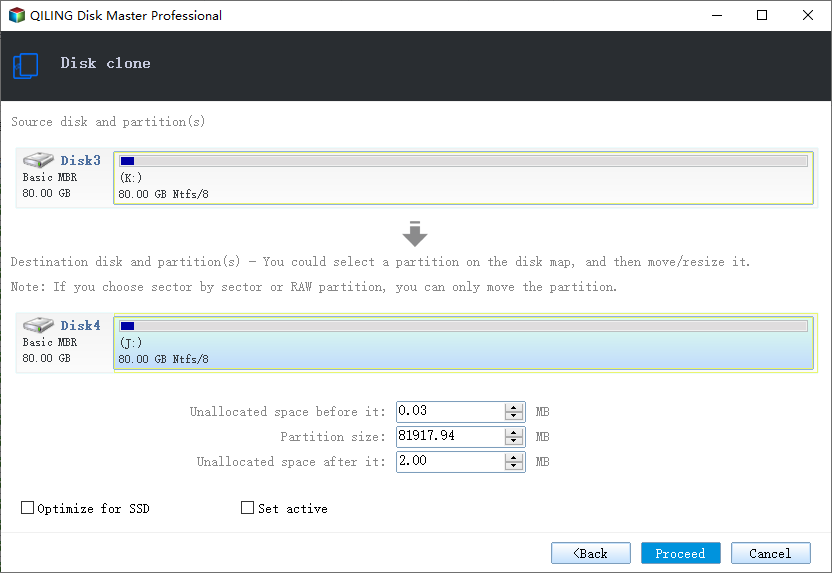
Step 3. Wait till the system clone process complete.
Wait for the cloning process to finish, and you'll have a portable Windows 10 Creators To Go USB drive that lets you run and boot your system on other computers without any issues.
How to use and run Windows 10 Creators from portable Windows To GO USB drive
To run your own Windows system from a portable Windows To Go USB drive on any other computer or PC, follow these steps: first, ensure the target computer is set to boot from USB, then insert the USB drive and restart the computer, the Windows To Go environment will load and you can use your Windows system on the target computer. Alternatively, you can also use the Windows To Go boot manager to create a bootable USB drive and then boot your Windows system from it. This allows you to run your Windows system on any computer that supports USB booting, giving you the flexibility to work on any device.
Step 1. Connect the portable Windows 10 Creators USB drive with the target computer and reboot the machine;
Step 2. Set computer to boot from the Windows portable USB drive in BIOS:
1. To enter BIOS, reboot your PC and immediately start pressing the F2 key repeatedly as the Windows logo appears on the screen. This will allow you to access the BIOS settings.
2. Set the computer to boot from the USB drive and save the changes;
Step 3. Reboot PC and then you can use your own system running on the new computer now.
Related Articles
- How to Install Games on SSD
- [Fixed] The drive is not a valid backup location
- How to Backup Only New or Changed Files in Windows 10 [2 Ways]
- How to Migrate Dual Boot OS to New HDD/SSD
- Samsung Cloning Software to Clone HDD to SSD Free
- How to Clone IDE to SATA HDD/SSD (2 Ways)
- How Long Does It Take to Back Up a Laptop With About 500GB of Files?
Find out how long it takes to back up a laptop with about 500GB of files and what affects backup speed and storage choice.
Products
Articles & Tutorials
- Data Recovery
- Data Backup
- File Recovery
- File Backup
- System Backup and Restore
- Disk and Partition Clone
- Technical articles
- Mobile articles
- Disk Master Help
- Windows Data Recovery Tutorials
- Windows Secure Delete Tutorials
- Windows Partition Management Tutorials
- Windows File Backup and Restore Tutorials
- Windows System Backup and Restore Tutorials
- Windows Disk Backup and Restore Tutorials
- Windows Clone Tutorials