Disk & System | How to Clone Windows 11 to SSD
| Page Navigation | Executive Summary |
|---|---|
| Cloning Windows 11 to SSD Merits | SSD can help improve the performance of your...Full steps |
| Preparations for Windows 11 Clone | Screwdriver - for opening desktop's mainframe...Full steps |
| How-to: Clone Windows 11 System | After cloning the system, all the program files, user files...Full steps |
| How-to: Clone Windows 11 Partition | You can also clone a single partition...Full steps |
Windows 11 is the latest operating system from Microsoft, offering various new features and improvements. If your computer still uses a traditional Hard Drive Disk (HDD), upgrading to a Solid-State Drive (SSD) can significantly enhance your computer's speed and performance. Cloning Windows 11 to an SSD is a straightforward process, and this article will guide you through the steps, covering whole disk, single partition, or just the C drive cloning to the SSD.
What will Cloning Windows 11 to SSD Get You?
If you're new to the terms "clone" and "SSD", don't worry! A clone is essentially a copy of your existing hard drive, while an SSD (Solid-State Drive) is a super-fast storage device that replaces traditional hard drives. If you're considering upgrading to an SSD, cloning your existing hard drive can be a great way to ensure a smooth transition, as it allows you to transfer all your files, programs, and settings to the new drive.
What is Clone?
Cloning in computing refers to creating an exact copy of an original object or software. This can be done by duplicating a hard drive to another hard drive, or by making an identical copy of a software program, resulting in a clone that is a precise replica of the original.
What're the Advantages of Cloning Windows 11 to SSD?
Cloning your operating system to an SSD can help improve your computer's overall performance, as an SSD is much faster than a traditional hard drive, speeding up boot times.
Cloning to an SSD can help extend the life of your computer by protecting your data in the event of a hard drive failure, as an SSD has no moving parts and is less likely to fail.
Cloning Windows 11 to an SSD can free up space on your hard drive, especially useful if you have a small hard drive, allowing you to regain storage space.
Cloning Windows 11 to an SSD offers several advantages, including improved performance, faster boot times, and enhanced overall system responsiveness. To take advantage of these benefits, you can clone your existing Windows 11 installation to a solid-state drive (SSD) using a cloning software or utility.
What Do You Need to Clone Windows 11 to SSD?
To start, you'll need a computer and a new SSD (solid-state drive) - if you don't have one, you can purchase it from a local computer store or online. Additionally, you'll also need some other items to complete the process.
- A screwdriver - for opening your desktop's mainframe case
- A USB adapter is used to connect the SSD to your laptop, allowing for easy and convenient access to your data.
- A power cable and a SATA cable are typically included with the purchase of an SSD (solid state drive), allowing for easy connection and setup.
- Cloning software is not a built-in Windows feature, so you'll need to use a third-party software to clone a hard drive. I can suggest some reliable options if you'd like.
If you're looking to upgrade to an SSD on your Windows 11, Qiling Backup is a great option to clone your existing hard drive. With just a few clicks, you can create an exact copy of your hard drive, including all your files, settings, and applications. Optimized specifically for Windows 11, Qiling Backup ensures a smooth and issue-free cloning process, making it a reliable choice for upgrading to an SSD.
How to Clone Windows 11 System to SSD?
Cloning a Windows 11 system to an SSD involves cloning only the C drive or system partition to the target SSD. This process copies all program files, user files, and Windows configuration files to the new SSD, allowing for a seamless boot from the SSD. Cloning the system to an SSD is ideal for situations where users want to free up space on the original HDD or improve their computer's startup speed. To accomplish this, you can use Qiling Backup to clone the Windows 11 system to the SSD.
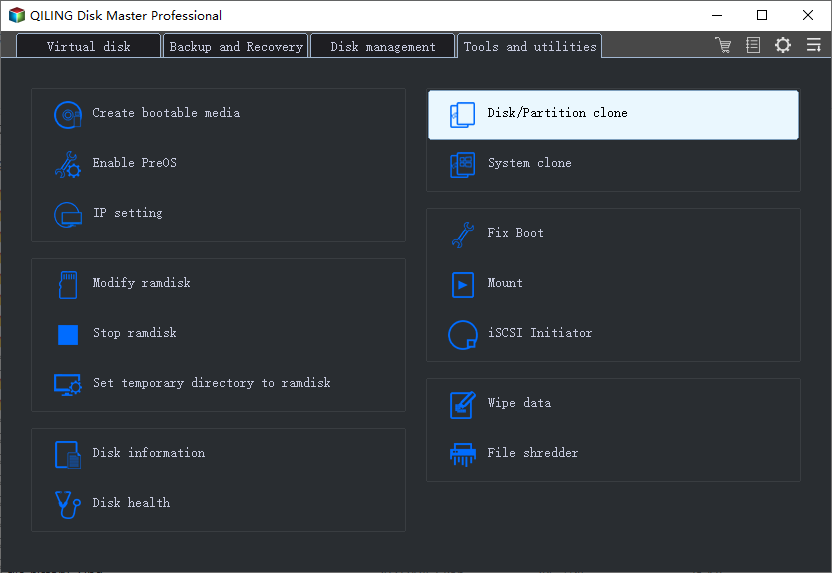
Step 1.Open Qiling Backup and click "Tools and utilities" page, where you can select from various functions offered.
Step 2. Qiling Backup will automatically select the boot and system partition. Simply choose the target disk and click to start the backup process.Next". 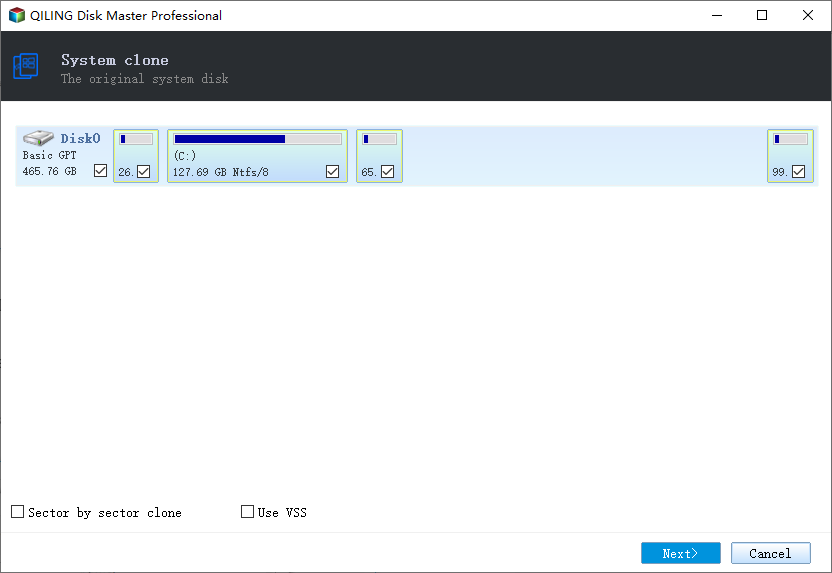 To ensure a successful disk cloning or imaging process, it's essential to confirm that the partition style of the source disk and the target disk are the same. This typically involves checking the disk's Master Boot Record (MBR) and ensuring it's set to either Master Boot Record (MBR) or GUID Partition Table (GPT) style, which are the two common partition styles. If the source and target disks have different partition styles, the cloning or imaging process may not work correctly, and it's recommended to reformat the target disk to match the source disk's partition style before proceeding.
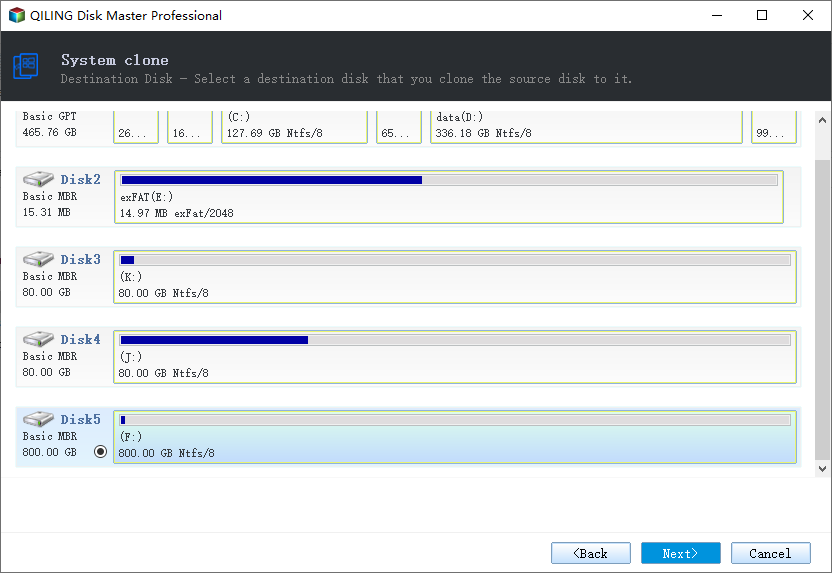
*System clone will wipe out all data, please make sure you backup your data in advance.
Step 3.If you want to clone your system to an SSD, you can choose "optimize for SSD" in the advanced options.
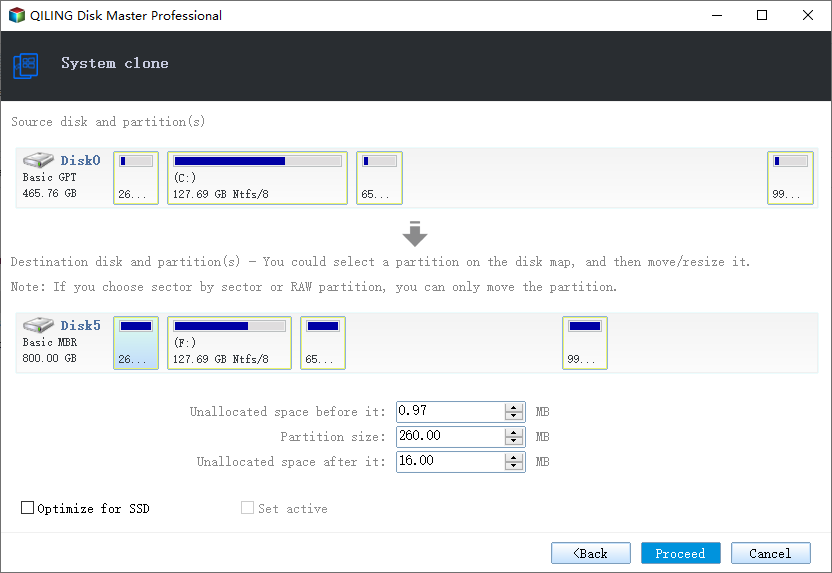
Step 4. Click "Proceed" to start cloning.
Settings You Should Change in Windows 11
Windows 11 has some performance issues, but there are ways to improve it. In this article, we'll explore the methods to make Windows 11 run much better.
How to Clone Disk/Partitions to SSD on Windows 11?
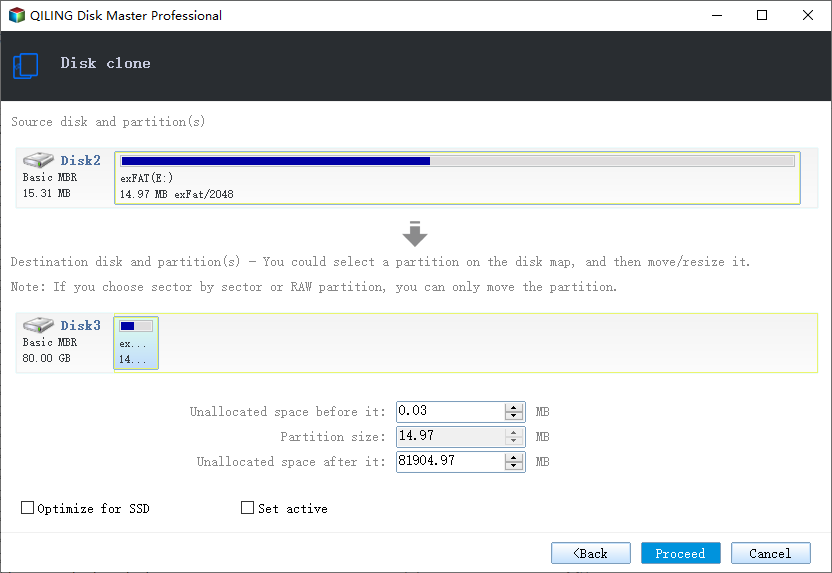
Windows users are likely familiar with the drives in "This PC," but in computing, these are referred to as partitions. A disk can be divided into multiple partitions, labeled as C drive, D drive, E drive, and so on. If you need to clone a whole disk or a single partition to an SSD, Qiling Backup can help. Here's a guide to walk you through the process.
Step 1. On the main page, click on the "Tools and utilities" page, where you can find and access clone and other available utilities.
Step 2. Choose the source disk or partition, click "Next".
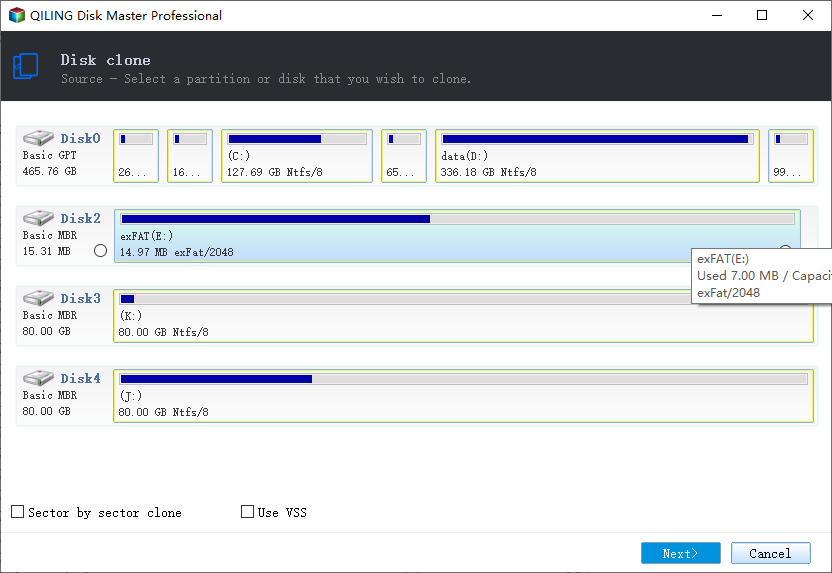
Step 3. To successfully migrate the operating system and data from the source disk to the target disk, ensure that the target disk is larger than the source disk or partition. This is a crucial step to avoid data loss or corruption during the migration process.
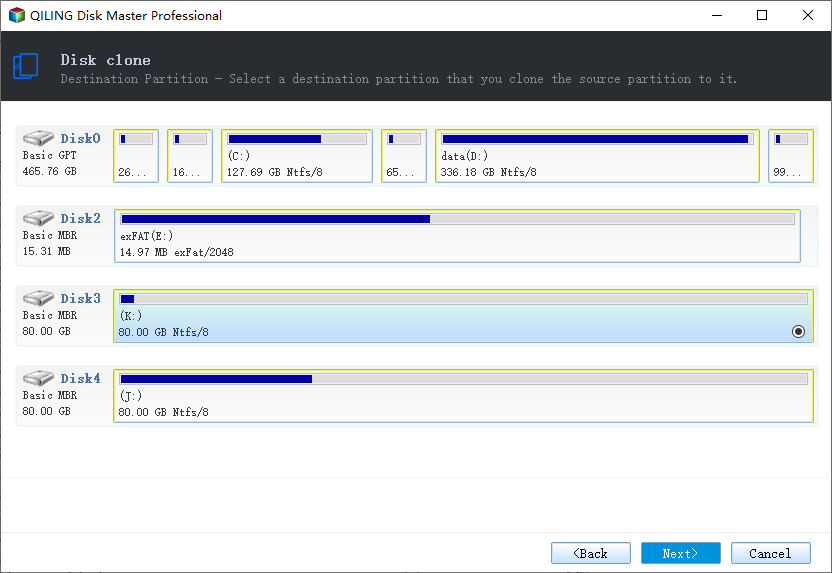
Step 4. A warning window will inform you that cloning would permanently delete all data on the target disk/partition, prompting you to click "Proceed" if you wish to proceed with the clone.
Wrap Up
Cloning Windows 11 to an SSD requires some consideration. First, ensure the SSD is large enough to hold all the data from the original drive. Next, choose a cloning software compatible with Windows 11, as there are several options available. Once you've selected the right software, connect the SSD correctly and follow the guide step-by-step to ensure a smooth and error-free cloning process. By taking these steps, you can successfully transfer your Windows 11 installation to a new SSD.
Related Articles
- [Full Guide] Windows Defender Download Windows 11
- Top 8 Best Enterprise Backup Software in 2022
- More Than Clone SSD - See What You Can Do with Qiling Backup
- Quick Ways to Fix OneDrive Connect Problems
- Windows 11 Upgrade - Download and Install Windows 11 Latest Build
You can stay updated with the latest Windows 11 by following the provided instructions, which include checking for updates and verifying the Windows 11 upgrading record. - Fix Windows 11 Won't Shut Down with 10 Easy Solutions
If Windows 11 gets stuck on the shutting down screen or continuously restarts instead of shutting down, there are alternate methods to shut down your device. We've can help with solutions to this issue.
Products
Articles & Tutorials
- Data Recovery
- Data Backup
- File Recovery
- File Backup
- System Backup and Restore
- Disk and Partition Clone
- Technical articles
- Mobile articles
- Disk Master Help
- Windows Data Recovery Tutorials
- Windows Secure Delete Tutorials
- Windows Partition Management Tutorials
- Windows File Backup and Restore Tutorials
- Windows System Backup and Restore Tutorials
- Windows Disk Backup and Restore Tutorials
- Windows Clone Tutorials