How to Install Windows 10/11 on NVMe SSD Drives (99% Have Learned)
NVMe drives offer higher speeds and power efficiency than traditional SATA drives, making them a popular choice for computer storage. You can install Windows 11 on an NVMe SSD drive, and there are two methods to do so.
***Are you interested in how to install Windows 11 on M.2 SSD?
Prepare for Windows 11 Installation on NVMe SSD
To install Windows 11 on an NVMe drive, you'll need to ensure your system meets the minimum hardware requirements, including a 64-bit CPU, 4GB of RAM, and a 64GB storage device. Additionally, your system must have a Trusted Platform Module (TPM) 2.
- To install Windows 11 on an NVMe SSD drive, your computer must support the NVMe standard and meet Windows 11's minimum system requirements.
- To make the drive recognizable once connected to your computer, you need to format the drive using the NTFS file system.
- If you're experiencing issues with your NVMe drive, consider initializing it to GPT instead of MBR. This is especially recommended for new NVMe drives.
Installing Windows 11 on an NVMe SSD is no longer a requirement, as you can now easily migrate the operating system to a new drive using cloning software. Alternatively, you can perform a clean install using a bootable installation media. To do either, you'll need to connect the new NVMe drive to your Windows device.
Qiling Backup is the NVMe SSD cloning software we'll use to directly move the Windows OS installation to the new NVMe SSD drive. It can be downloaded and used.
How to Connect NVMe SSD to Your PC and Laptop
- For desktop PC connection:
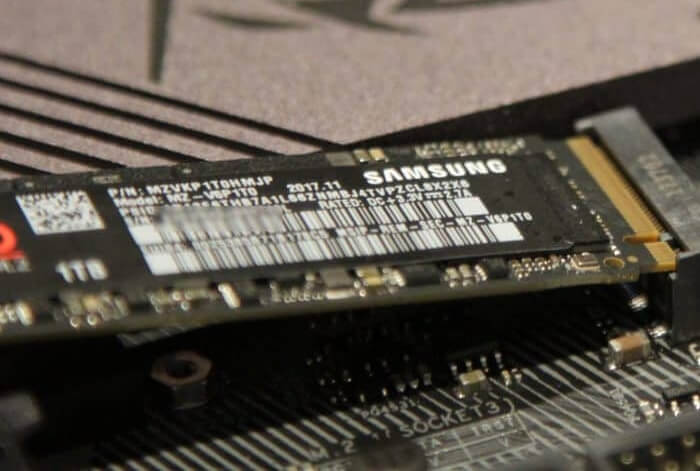
To connect an NVMe SSD to a desktop PC, first, ensure your motherboard supports NVMe. Then, locate the M.
Connecting an NVME SSD to a desktop PC is a simple process. Identify an available PCI Express slot on your motherboard, insert the NVME SSD into the slot, and secure it with screws. Then, connect a SATA cable from the SSD to an available SATA port on your motherboard. This will get your NVME SSD up and running, ready for use.
- For laptop connection:
In comparison, it's more challenging to connect a second hard drive to a laptop, but it's still achievable.
You can connect an NVMe SSD to your laptop through a USB port or a Thunderbolt 3 port, with the latter offering faster speeds. However, a USB connection will still work just fine.
1. If your laptop has a Thunderbolt 3 port, you can connect your NVMe SSD using an adapter like the StarTech Thunderbolt 3 to NVMe M.2 SSD Enclosure. Simply insert your NVMe SSD into the enclosure, connect the Thunderbolt 3 cable, and plug the other end into your laptop.
2. If your laptop only has a USB port, you can use a USB to NVMe SSD adapter like the Inateck FE3001. Simply insert your NVMe SSD into the adapter, connect the USB cable, and then plug the other end of the cable into your laptop.
Method 1. How to Clone Windows 11 to NVMe SSD Without Installing from Scratch
To install Windows 11 on a new NVMe SSD, you may want to clone your current system to the SSD for better performance. This involves using a cloning software to copy your existing Windows installation, including the operating system, programs, and data, to the new SSD, which can then be used as your primary drive. This process can be done using various cloning software tools, such as Qiling Disk Master, which can help you create a precise duplicate of your current system on the new SSD.
- To upgrade your current SATA SSD to a faster NVMe SSD, you can purchase a compatible NVMe SSD and install it in a PCIe slot on your motherboard. Make sure the motherboard supports NVMe and has a free PCIe slot.
- To upgrade from an old HDD to a larger SSD, you can purchase a compatible SSD and physically swap it with the old HDD in your device. This process typically requires a screwdriver and some basic technical knowledge.
- To replace a boot drive without reinstalling Windows OS, you can clone the existing drive to the new one using a tool like Qiling Backup. This will create an exact replica of the original drive on the new one, including all installed programs and files.
You can use the disk cloning method to install Windows 11 on an NVMe SSD, regardless of your reasons. One reliable tool for the job is Qiling Backup, a HDD to SSD cloning software that can clone your current system to an NVMe SSD without any data loss.
Qiling Backup is a comprehensive backup and clone tool for both home users and businesses, offering a wide range of features to ensure data safety, including full disk/partition backups, system image backups, file backups, and cloud backups. It can handle various backup needs, such as backing up the entire system, system migration, or system transfer.
Step-by-step Guide: Migrate Windows 11/Windows 10 on NVMe SSD
Migrating Windows 11 to an NVMe SSD drive is an incredibly easy process. To do this, you can follow these simple steps:
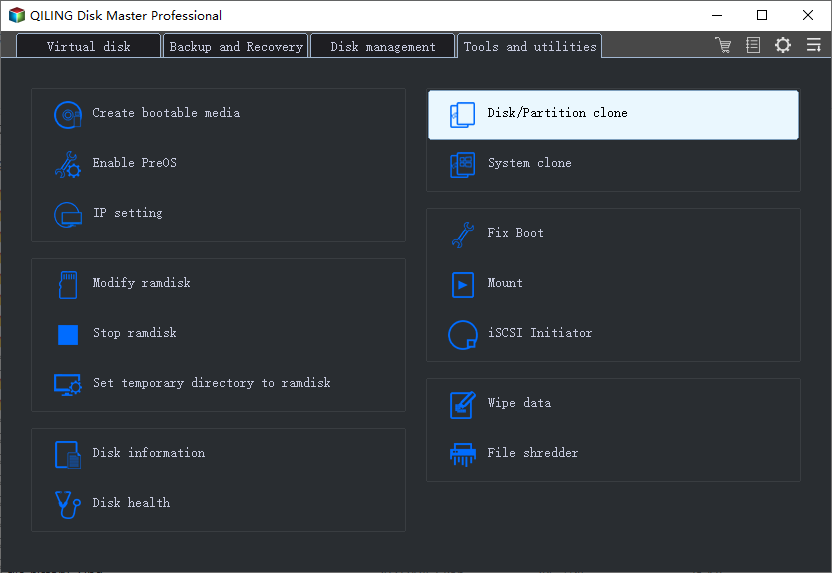
Step 1.Open Qiling Backup and navigate to the "Tools and utilities" page, where you can select from a variety of functions.
Step 2. Qiling Backup will automatically select the boot and system partition, simply choose the target disk and click "Next".
To clone a hard drive, ensure that the partition style of the source disk and the target disk are the same. This means both disks should be set to either Master Boot Record (MBR) or GUID Partition Table (GPT) style. If the source disk is MBR and the target disk is GPT, or vice versa, the cloning process may not work properly.
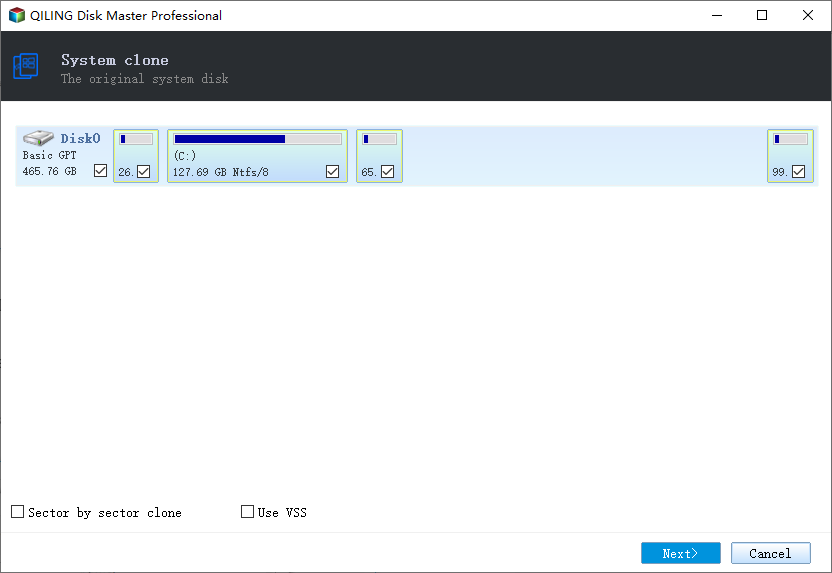
Please note that the system clone process will completely erase all data, so it's essential to back up your data beforehand to avoid any loss.
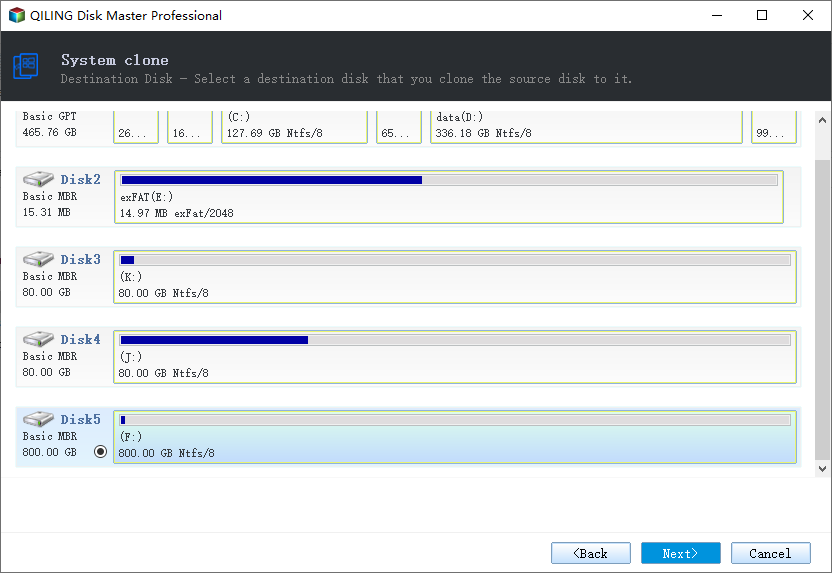
Step 3.If you want to clone your system to an SSD, you can choose "optimize for SSD" in the advanced options.
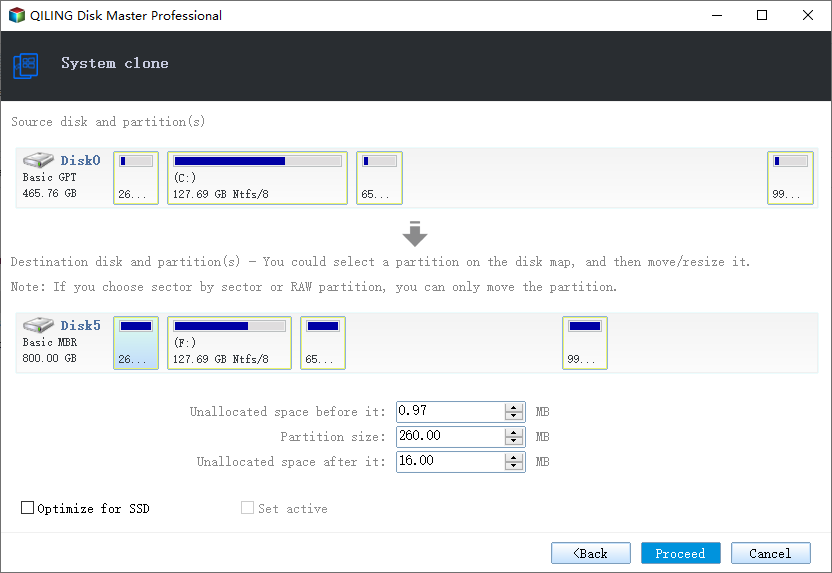
Step 4. Click "Proceed" to start cloning.
Method 2. How to Clean Install Windows 11 on NVMe SSD from USB
If you don't need the old operating system configurations or your original OS is not Windows 11, you'll need to perform a clean install of the new OS, which can be a time-consuming process requiring careful operation at each step.
Step 1. Go to the Microsoft download page to create a Windows 11 installation media.
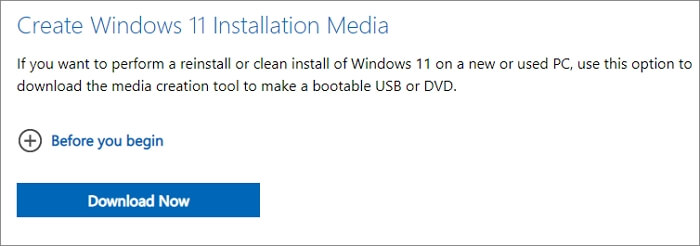
Step 2. Insert the Windows 11 installation media into your computer.
Step 3. During the installation process, you can choose the language, time and currency format, and keyboard or input method that you want to use. This will ensure that the installation process is tailored to your preferences and that you can easily navigate the installation menu.
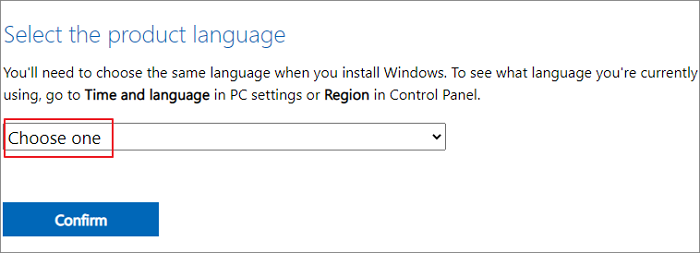
Step 4. Click Install Now.
Step 5. If you're asked for a product key, you don't need one. Microsoft provides free upgrades to Windows 10, and the installation process will automatically detect your previous Windows version and provide a valid product key.
Step 6. Choose the installation option that you want:
- Upgrade: Keep personal files and apps
- Custom: Install Windows only (advanced)
Step 7. Select the drive where you want to install Windows, choosing the primary drive if you have multiple options available.
Step 8. To complete the installation process, click Next and follow the instructions provided.
Step 9. Once you've finished the installation process, your computer will restart and you'll be able to use Windows 11.
Should I Try Windows 11 Migration or Windows 11 Installation on NVMe?
After trying both methods, we found that cloning Windows 11 and doing a clean install of Windows 10/11 on an NVMe SSD work differently to meet users' demands, making it difficult to determine which one is the better option.
The most recommended method to resolve your case is to use the automatic migration and cloning method provided by Qiling Backup, especially for users who want to upgrade or replace their hard drive on the same device. This allows them to move everything from the old hard drive to the new drive without reinstalling Windows 11/10, thus preserving their OS, programs, and personal files and settings.
For users without an original copy of Windows 11 or Windows 10, a clean install from USB is necessary to install the desired OS version on their new PC or NVMe drive. While this process can be a bit painful, with some care, you can successfully install Windows 10/11 on an NVMe SSD.
Before you start, make sure to back up your important files to avoid any potential issues. Regardless of the path you choose, it's essential to have a backup plan in place, and the free version of Qiling Backup is a comprehensive option for personal use, saving you from the hassle and expense of data recovery software.
Related Articles
- 2022: How to Installl Windows 11 on M.2 SSD (with Pictures)
- System Image Recovery vs. System Restore in Windows 11/10/8/7
- Fix Windows 11 Won't Boot After Update/Not Booting Black Screen
- Ultimate Guide on Windows 10 Restore from Backup
- How to Backup Laptop Files to Seagate External Hard Drive?
How to backup laptop files to Seagate external hard drive? This is a common question for a new user. In this article, I'll show you how to do it with a step by step guide. - Top 3 Backup Software Free for Windows, Mac and Linux
We recommend 3 of the best backup software free for Windows, Mac and Linux that enables users to say goodbye to data loss.
Products
Articles & Tutorials
- Data Recovery
- Data Backup
- File Recovery
- File Backup
- System Backup and Restore
- Disk and Partition Clone
- Technical articles
- Mobile articles
- Disk Master Help
- Windows Data Recovery Tutorials
- Windows Secure Delete Tutorials
- Windows Partition Management Tutorials
- Windows File Backup and Restore Tutorials
- Windows System Backup and Restore Tutorials
- Windows Disk Backup and Restore Tutorials
- Windows Clone Tutorials