How to Migrate Windows 11 to SSD
| Workable Solutions | Step-by-step Troubleshooting |
|---|---|
| Migration Preparation | For desktop and laptop users, they need to prepare different...Full steps |
| Start Migrate Windows 11 | First, connect the new SSD to the computer...Full steps |
| Boot Computer from SSD | Restart the PC and press F2/F8/F10/DEL to enter...Full steps |
A solid-state drive (SSD) offers faster performance than a hard disk drive (HDD). Before migrating, check whether your PC meets the Windows 11 requirements. If it does, moving Windows 11 to an SSD can improve startup speed, responsiveness, and reliability.
When replacing a hard disk on a computer, especially one that's been used for a while, the main challenge is transferring data from the old disk to the new one. The best and most common solution is to clone the original hard disk, which migrates all data and even the partition format to the new disk, ensuring no data loss. This article will guide you through the process of migrating Windows 11 to a Solid-State Drive (SSD).
Preparations before Migration
Cloning a disk can be a challenging process for those new to it. Before attempting, make sure you have the necessary tools ready, as outlined in the checklist below.
For Desktop Users:
- A screwdriver to open the computer mainframe case.
- A power cable and a SATA cable, which are usually included with the purchase of the SSD.
- Hard drive cloning software - Some hard disk manufacturers have their own cloning software, but it can only be used to clone hard disks of the same brand.
For desktop users, there's an optional tool that allows you to install an SSD without opening the mainframe case, or you can use a USB adapter to connect the SSD.
For Laptop Users:
- A USB adapter to connect your SSD to your laptop.
- Hard drive cloning software.
The laptop's design makes it difficult to remove and replace the hard drive, so a USB adapter is required.
If you want to migrate Windows 11 to an SSD, you'll need a disk cloning software, as Windows doesn't have one built-in. Among the many options available, I recommend Qiling Backup, a free tool that not only provides backup and restore capabilities but also allows you to clone your system drive, individual partitions, or entire disks. This software is a great choice for taking precautions and ensuring your data is safe, making it a worthwhile investment for anyone looking to upgrade their system.
Windows 11 Upgrade - Download and Install Windows 11 Latest Build
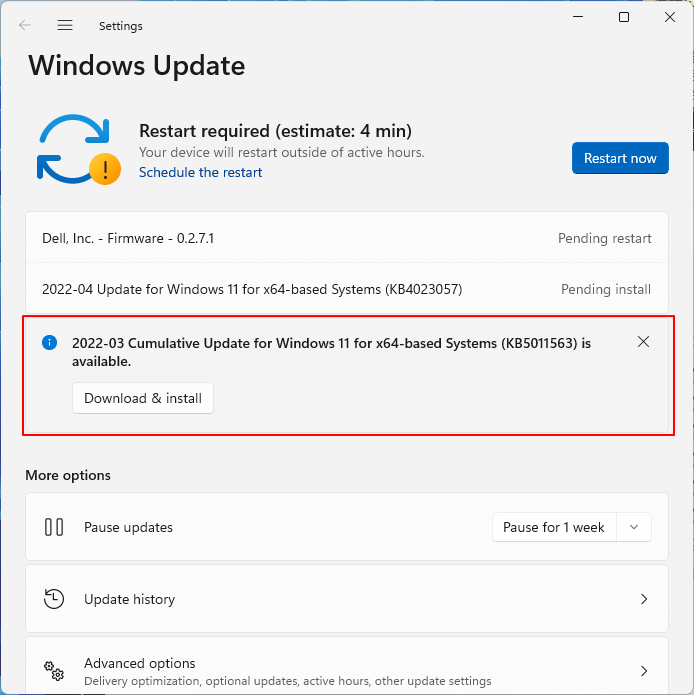
To stay up-to-date with the latest Windows 11, you can check for updates manually or enable automatic updates. Additionally, you can check your Windows 11 upgrading record by looking for the "Windows Update" history in the Settings app.
Start to Migrate Windows 11 to SSD with Qiling
To migrate your Windows 11 to an SSD, follow the guide, but first, ensure you have backed up all existing data on the SSD or system drive you want to migrate, as this process may cause data loss.
1. Connect the new SSD to your computer.
To replace the old hard drive with a new SSD in a desktop computer, open the mainframe case using a screwdriver, and then connect the power cable and SATA cable to link the SSD to the computer. Desktop computers typically have enough space to accommodate multiple hard disks.
If you use a laptop, the only way you can use an SSD is to connect it with a USB adapter.
After connecting the new SSD, go to Disk Management to see if your computer detects it. Additionally, check the partition style of the new SSD, as Windows 11 requires a UEFI boot option, so it needs to be changed to GPT.
Step 1. Search and open Disk Management.
Step 2. Right-click the new SSD disk, and click Properties.
Step 3. Check the Partition style in the Volumes tab to confirm if it is set to GUID Partition Table (GPT).
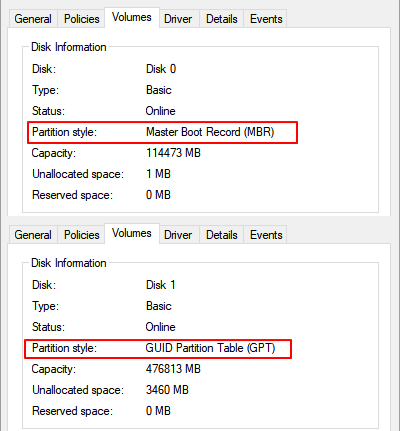
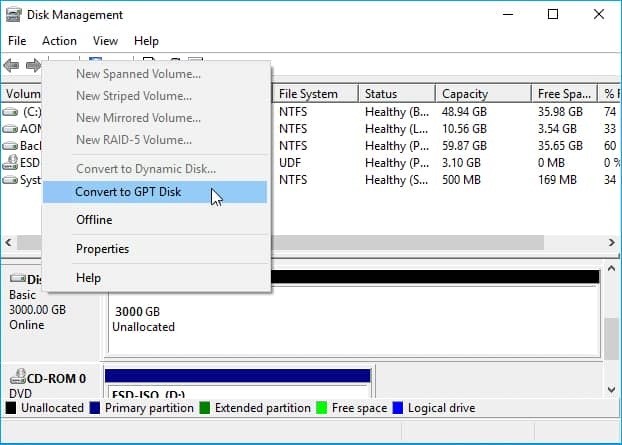
Step 4. If the partition style is MBR, go back to Step 2, right-click the disk and choose "Convert to MBR disk".
2. Download and install clone software - Qiling Backup
Download the Qiling Backup from the button below, then install it according to the on-screen guide. As system clone is a paid function, you need to purchase the software, enter the activation key, and start to use it.
3. Start the cloning process
Follow the content below to migrate Windows 11.
Step 1.Open Qiling Backup and click "Tools and utilities", allowing you to select from various available functions.
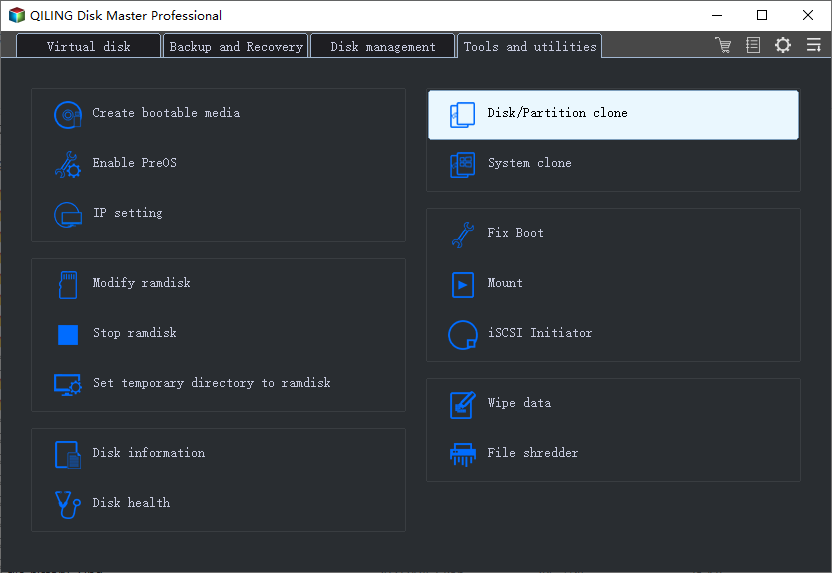
Step 2. Qiling Backup will automatically select the boot and system partition, all you need to do is choose the target disk and click "Backup" to start the backup process.Next". 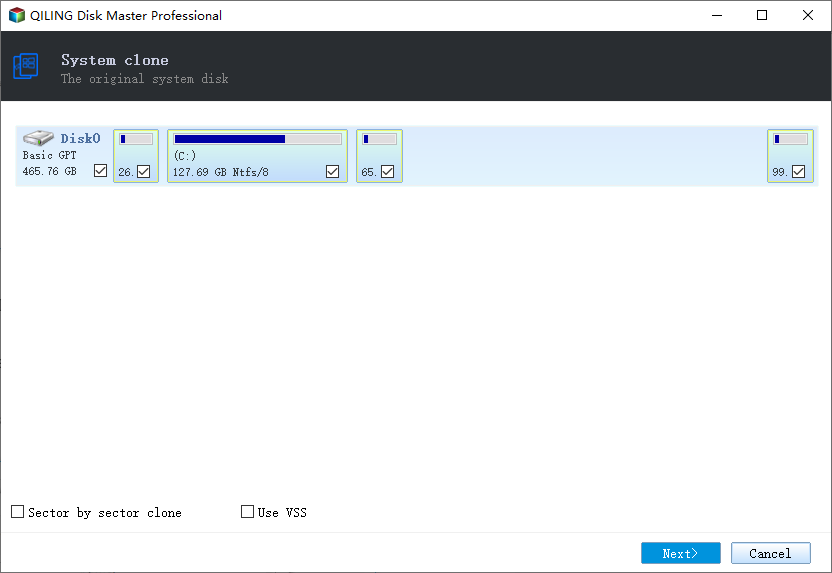 To clone a disk, you should ensure that the partition style of the source disk and the target disk are the same, typically both being MBR or both being GPT. This is a crucial step to avoid potential issues during the cloning process. By matching the partition styles, you can prevent errors that might occur when trying to clone a disk with a different partition style.
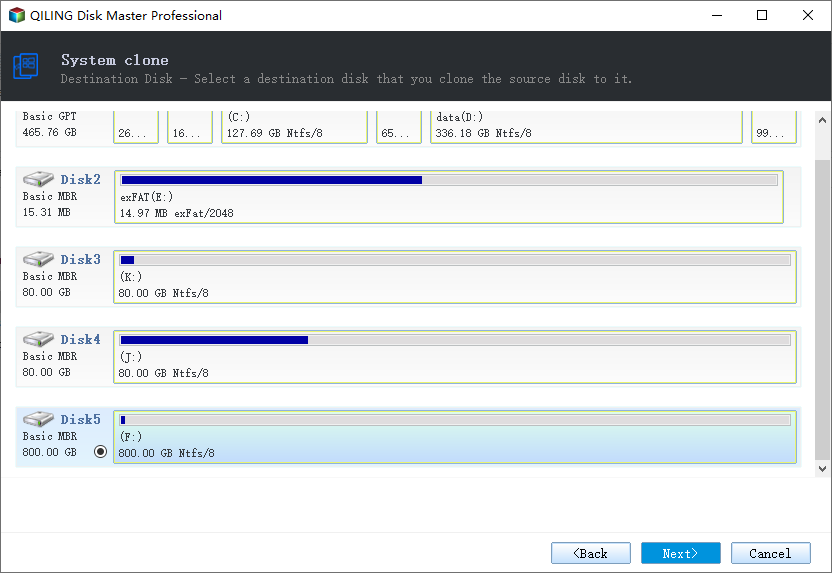
**Warning: System Clone will erase all data. Please backup your data before proceeding.**
Step 3. If you want to clone your system to an SSD, you can choose "optimize for SSD" in the advanced options.
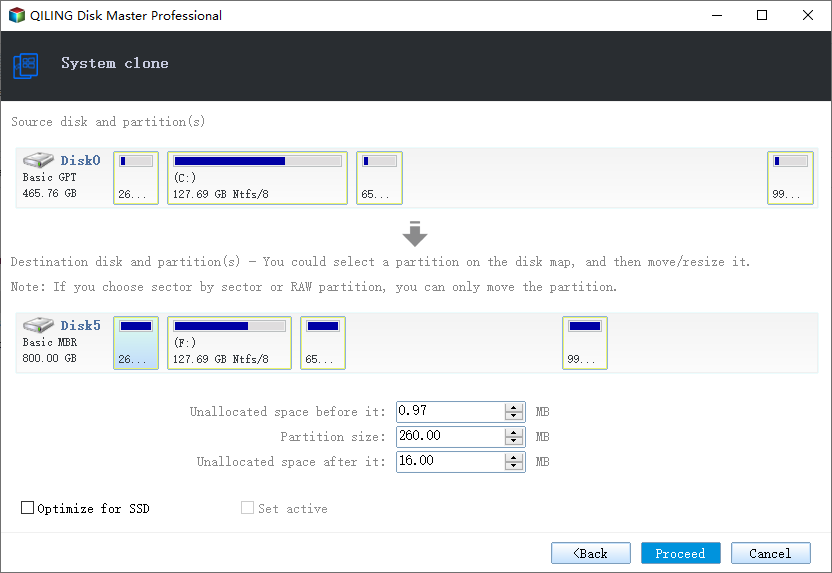
Step 4. Click "Proceed" to start cloning.
Boot Your Computer from The New SSD
If you want to keep both the old disk and the new disk, you can clone the old disk to the new one, which will create an exact replica of the old disk on the new one, allowing you to keep the original disk intact. This is a good option if you want to preserve the original disk for any reason, such as keeping the old disk as a backup or for sentimental value.
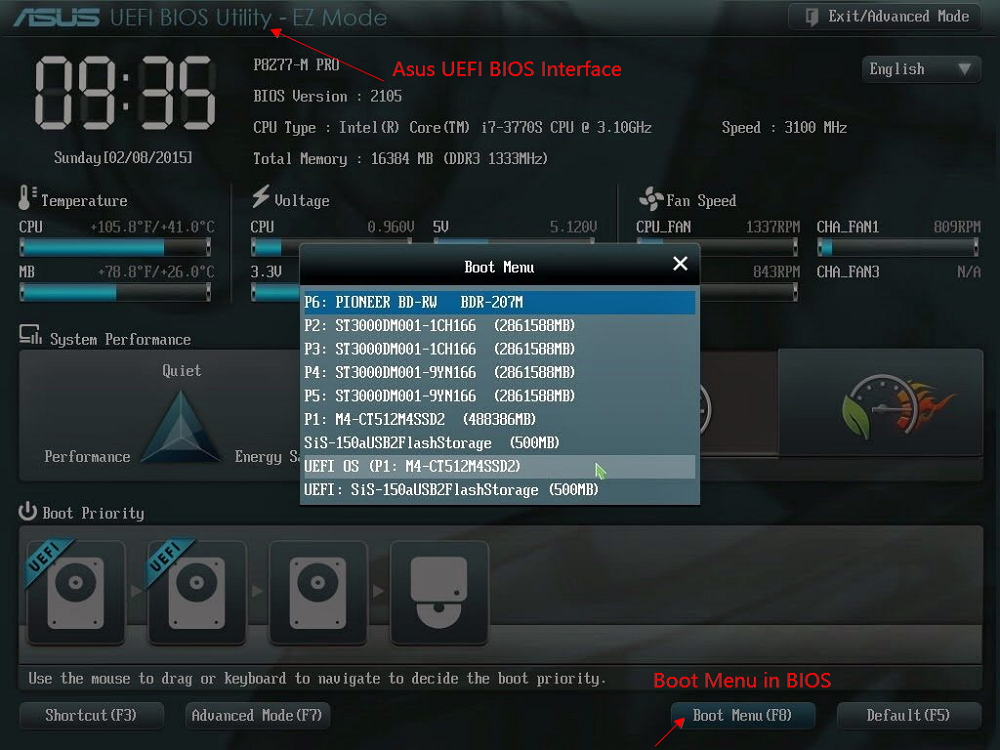
- Restart your PC and press the F2 (or F8, F10, or DEL, depending on your system) key to enter the BIOS settings.
- Select the new hard drive or solid state drive (HDD/SSD) as the new boot drive in the Boot option.
- Exit BIOS and restart the computer.
If you want to only keep the new disk, you can simply remove the old disk from the system. This will free up space and resources that were previously being used by the old disk. You can then use the new disk as the primary storage device for your system.
- Unplug the old disk and ensure the new disk is securely connected.
- Restart your computer.
Option 1 is a better hard drive retention plan for laptops as it provides a more secure and reliable way to keep your data safe.
What's Good for Migrating Windows 11 to SSD?
Migrating Windows 11 to an SSD involves moving all data and system-related partitions from the traditional hard disk drive (HDD) to the solid-state drive (SSD). This process enables a seamless boot of the Windows 11 operating system directly from the SSD, making the transition smoother and more efficient. The primary reasons for moving Windows 11 from an HDD to an SSD include improved performance, as SSDs offer faster data access and loading times, and enhanced overall system responsiveness.
For improved performance: Migrating Windows 11 to an SSD can significantly improve the boot time and overall performance of the system, as SSDs are far faster than HDDs and less prone to slowing down with prolonged use.
No need for a clean install: When you copy Windows 11 to an SSD, you get a fully pre-installed version of Windows 11 with all files, programs, and settings intact.
Conclusion
Migrating Windows 11 to an SSD (Solid State Drive) can be achieved through a straightforward process. This guide can also be applied to migrating other Windows OS versions, such as Windows 10 or Windows 7, to a hard drive.
Related Articles
- How to Set Chrome as My Default Browser?
- Top 7 Free Cloud Storage Service for Backup
- Should You Encrypt Backups? Here's the Answer
- 2022 Best Antivirus Software for Windows 11 (Top 5) + Secure Backup
- Solutions to System Image Restore Failed No Disk That Can Be Used
Sometimes, when you try to do system image restore, an error may occur: system image restore failed no disk that can be used. Learn how to fix it from this page. - How to Do a System Restore on Acer Laptop (Windows 7/8/10)?
How to do a system restore on Acer laptop in Windows 7/8/10? This guide shows you two efficient methods to make it.
Products
Articles & Tutorials
- Data Recovery
- Data Backup
- File Recovery
- File Backup
- System Backup and Restore
- Disk and Partition Clone
- Technical articles
- Mobile articles
- Disk Master Help
- Windows Data Recovery Tutorials
- Windows Secure Delete Tutorials
- Windows Partition Management Tutorials
- Windows File Backup and Restore Tutorials
- Windows System Backup and Restore Tutorials
- Windows Disk Backup and Restore Tutorials
- Windows Clone Tutorials