Windows 11 Start Menu: How to Customize Pins and Layout
The Start menu is the first thing you open in Windows 11 to find apps, search the web, and power down the PC. By default it is centred on the taskbar and split into a pinned apps section, a recommended files section, and an all-apps list, but every part of it can be adjusted.
You can pin the apps you use every day, choose a layout that gives more space to pins or recommendations, move the whole menu to the left, and remove the ads and suggested content. This guide covers the main customisation options and how to fix the menu when it stops opening.
PAGE CONTENT
- What the Start Menu Contains
- Pin and Unpin Apps
- Change the Layout
- Move the Start Menu to the Left
- Hide Recommendations and Ads
- Fix Start Menu Not Opening
- FAQs About the Windows 11 Start Menu
- Back Up Windows Before You Change Settings
What the Start Menu Contains
The Windows 11 Start menu is simpler than the Windows 10 version, with three main areas plus a search box at the top.
- Search box — type to search apps, files, settings, and the web. Clicking it also opens the dedicated search panel.
- Pinned — the grid of app icons you choose. These stay in place until you remove them, so your most-used apps are always one click away.
- Recommended — recently added apps, recently opened files, and sometimes suggestions. You can control how much of this section shows.
- All apps — a button in the top-right corner that opens an alphabetical list of every installed app.
- User menu — your profile picture in the bottom-left corner opens account, lock, and sign-out options.
- Power button — in the bottom-right corner, for shut down, restart, and sleep.
The default layout balances pinned apps and recommendations, but you can push it towards either depending on whether you care more about quick launches or recent files.
Pin and Unpin Apps
The pinned section is the most useful part of the Start menu, and it is easy to shape it around your workflow.
To pin an app:
Step 1. Open the Start menu and click All apps.
Step 2. Find the app you want to pin. You can scroll or use the letter headings to jump.
Step 3. Right-click the app and choose Pin to Start. The app appears in the pinned grid.
Step 4. Drag the icon to rearrange it within the pinned section.
To unpin an app:
Step 1. Open the Start menu.
Step 2. Right-click the pinned app.
Step 3. Choose Unpin from Start. The icon disappears from the pinned section, but the app remains installed.
You can also pin apps directly from the desktop or taskbar by right-clicking and choosing Pin to Start. A clean pinned section with only your daily apps makes the Start menu much faster to use.
Change the Layout
Windows 11 offers three Start menu layouts that change how much space goes to pinned apps versus recommendations.
Step 1. Open Settings > Personalization > Start.
Step 2. Under Layout, choose one of the three options:
- Default — a balance of pinned apps and recommendations
- More pins — adds an extra row of pinned apps and reduces the recommendations area
- More recommendations — shrinks the pinned area to show more recent files and suggestions
Step 3. The change applies immediately. Open the Start menu to see the new layout.
Choose "More pins" if you launch many apps from Start, or "More recommendations" if you rely on the recent files list to jump back into documents.
- Note
- The layout options apply to the Start menu itself. They do not change the taskbar or the size of the search box.
Move the Start Menu to the Left
The Start button and menu are centred by default in Windows 11, which is a change from Windows 10. If you prefer the traditional left-aligned look, you can move the whole taskbar content back.
Step 1. Open Settings > Personalization > Taskbar.
Step 2. Expand Taskbar behaviors.
Step 3. Change Taskbar alignment from Center to Left.
Step 4. The taskbar icons, including Start, jump to the left edge immediately. The Start menu now opens from the left corner, matching the older Windows layout.
The alignment setting moves all taskbar icons together, so the search, task view, widgets, and pinned apps all shift left with the Start button.
Hide Recommendations and Ads
The Recommended section can show app suggestions and promotional content that some users find distracting. You can reduce or hide these suggestions.
Step 1. Open Settings > Personalization > Start.
Step 2. Turn off the toggles for Show recently added apps, Show most used apps, and Show recently opened items in Start, Jump Lists, and File Explorer as needed.
Step 3. To remove a single recommended item, right-click it in the Start menu and choose Remove from list.
Step 4. To reduce promotional app suggestions, go to Settings > Privacy & security > General and turn off Let apps show me personalized ads and Show me suggested content in the Settings app.
You cannot remove the Recommended section entirely, but with these toggles off it will show fewer items and no ad-like suggestions.
Fix Start Menu Not Opening
If the Start menu does not respond, the usual fix is restarting the process that powers it.
The Start button does nothing.
Step 1. Press Ctrl + Shift + Esc to open Task Manager.
Step 2. Find Windows Explorer in the list, right-click it, and choose Restart. The taskbar flashes and the Start menu should work again.
Step 3. If that does not help, sign out and back in, or restart the PC.
The Start menu opens but is blank or empty.
Step 1. Restart Windows Explorer as above.
Step 2. Open Settings > Windows Update and install any pending updates, as Start menu bugs are often fixed in cumulative updates.
Pinned apps disappeared.
Step 1. Check that you are signed in to the correct user account. Pins are stored per account.
Step 2. Re-pin the apps from the All apps list. In rare cases a corrupted Start menu database resets the pins, but the apps remain installed.
FAQs About the Windows 11 Start Menu
Can I make the Start menu full screen?
Unlike Windows 10, Windows 11 does not have a full-screen Start mode. The menu always opens as a floating panel, though it grows taller when you use the "More pins" layout.
How do I see all my installed apps?
Click the "All apps" button in the top-right corner of the Start menu. This opens an alphabetical list of every app installed on the PC.
Can I resize the Start menu?
You cannot drag the edges to resize it, but the three layout options change how much space is given to pins and recommendations.
Why are my pinned apps showing in the wrong order?
Drag the icons into the order you want. If they keep rearranging themselves, restart Windows Explorer or check for a pending Windows update.
Does the Start menu sync across devices?
Pinned apps and some Start settings can sync if you turn on sync in Settings > Accounts > Windows backup, but not every item syncs on all accounts.
Back Up Windows Before You Change Settings
Customising the Start menu is low risk, but if you are also changing taskbar alignment, privacy options, or account sync settings, a backup gives you a safe rollback point. Qiling Disk Master captures the whole Windows installation in one image.
Part 1: Create a Full System Backup
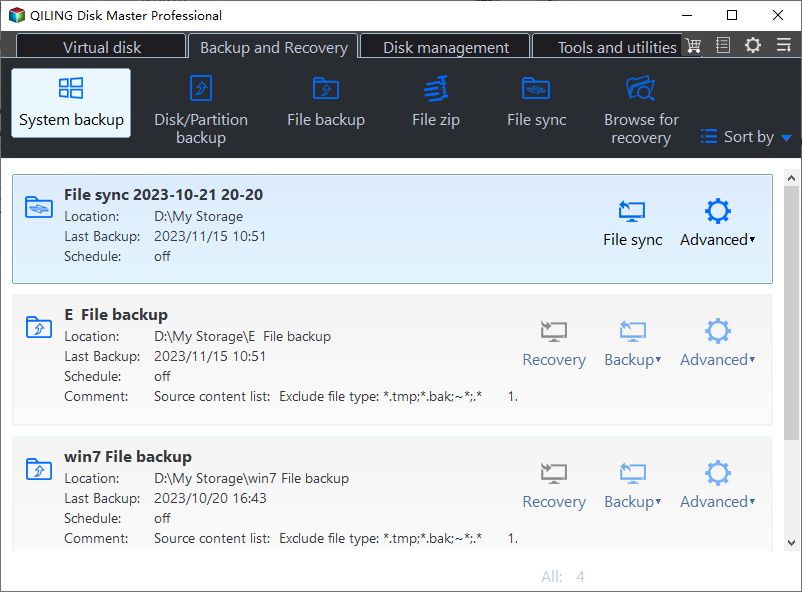
Step 1. Install and open Qiling Disk Master. On the home screen, open "Backup and Recovery" and choose "System Backup". This option automatically includes Windows and the hidden boot partitions, so you do not have to select them one by one.
Step 2. Check the source. The disk where Windows is installed and its system partitions are already ticked for you. If you only need your personal documents, run a separate "File Backup" task instead.

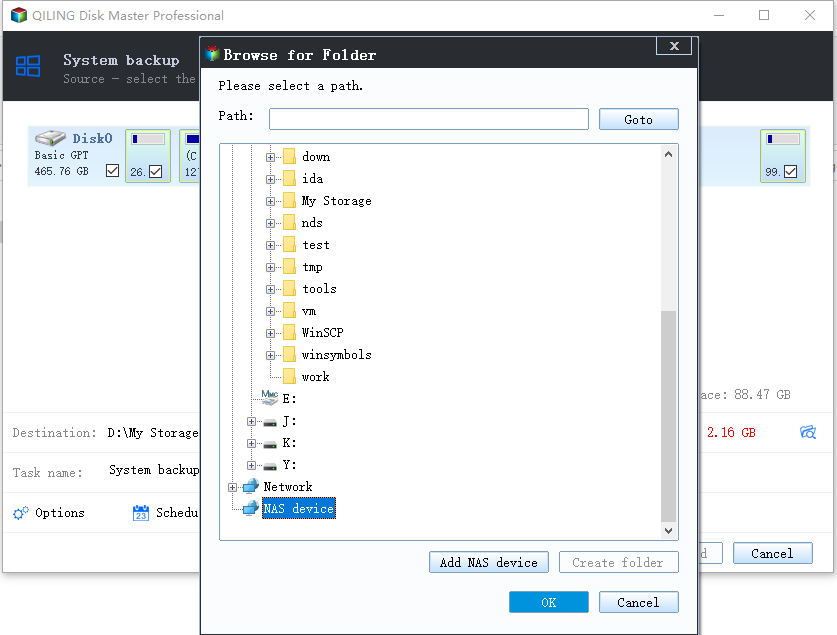
Step 3. Click the destination box and choose where the image should be saved. Use an external HDD or SSD, a NAS, or any drive other than the one Windows is installed on, and make sure it has enough free space.
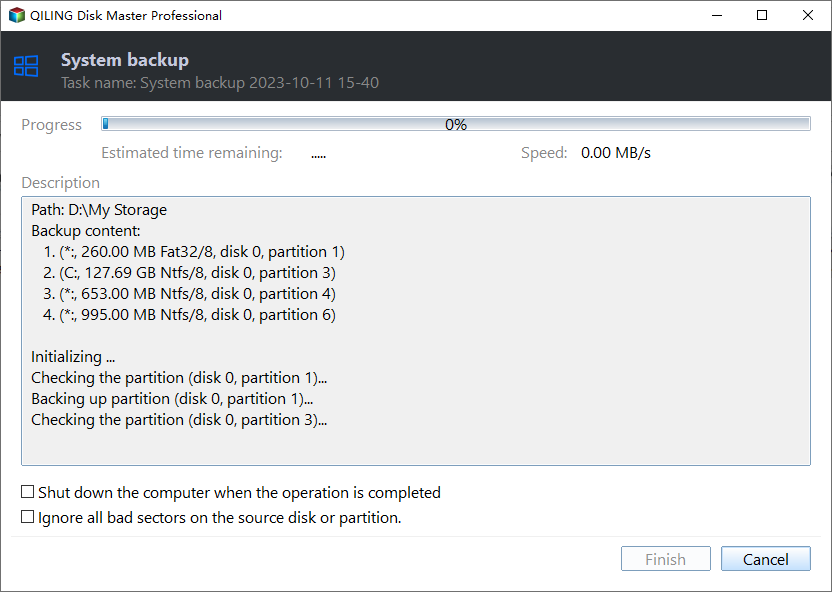
Step 4. Review the task summary and click "Proceed". Wait until the progress bar reaches 100%. Do not unplug the drive or turn off the PC while the backup is running.
Part 2: Restore Windows from the Backup
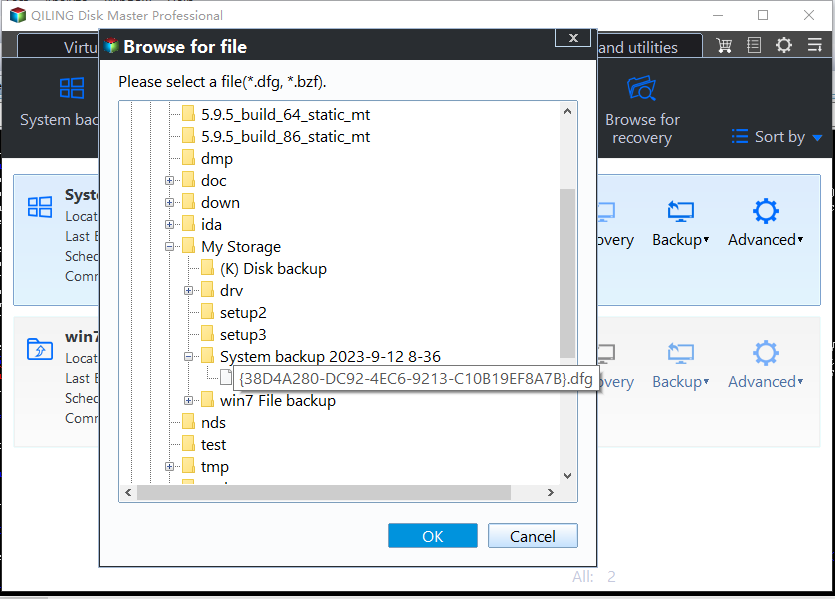
Step 1. Open Qiling Disk Master again, go to "Backup and Recovery", and select the recovery option. Your backup images are listed, so pick the one you created before the changes began.
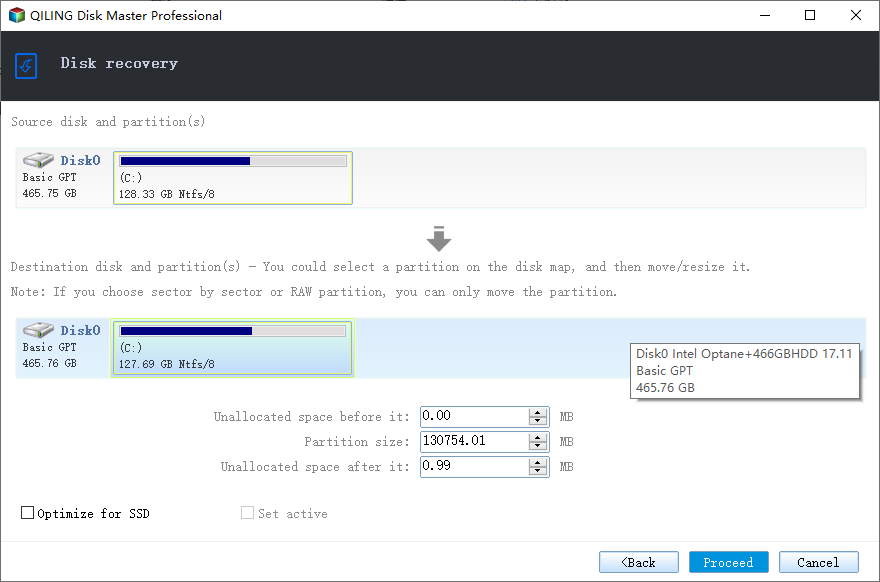
Step 2. Choose the target disk or partition. Normally you restore to the original system disk. If the drive was replaced, select the new disk instead, and the restore rebuilds Windows together with its boot partitions.
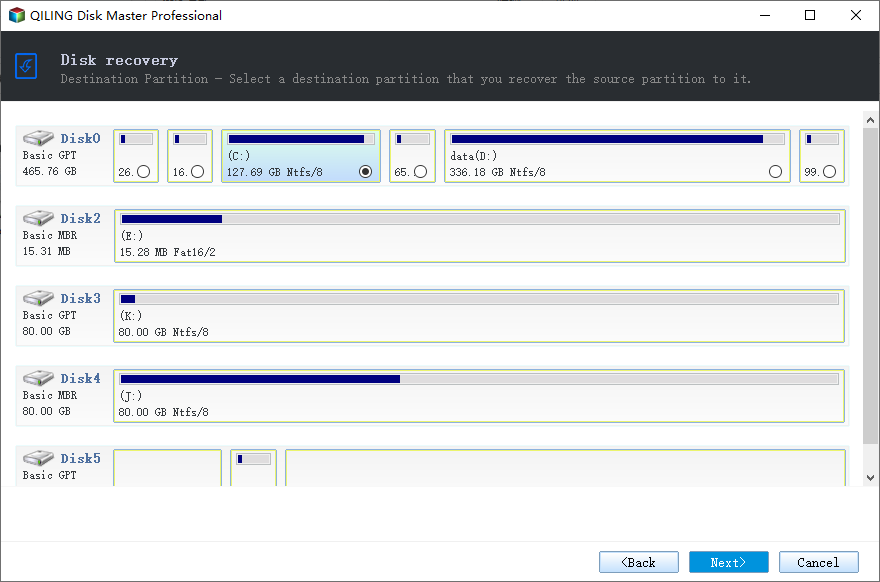
Step 3. Preview the restore plan, click "Proceed", and confirm the warning. The PC restarts to finish the job, and Windows comes back exactly as it was on the day the image was created, with your files and programs intact.
- Note
- Keep the backup image on a separate drive, and refresh it before changing taskbar alignment, account sync, or privacy settings.
Conclusion
The Start menu in Windows 11 can be shaped around how you work. Pin your daily apps from the All apps list, choose a layout with more pins or more recommendations in Settings > Personalization > Start, and move the menu to the left by setting Taskbar alignment to Left under Taskbar behaviors. You can also reduce the Recommended section and turn off ad suggestions from the same settings pages. If the menu stops opening, restart Windows Explorer from Task Manager, which fixes most temporary Start menu glitches.
Protect your PC with Qiling Backup—create a system image before your next round of settings changes.
For more Windows 11 customization guides, see Fix Windows 11 Taskbar Not Working, Windows 11 Widgets, Windows 11 Quick Settings, Fix Windows 11 Search Not Working, and Windows 11 Snipping Tool.
Related Articles
- Fix Windows 11 Start Menu Not Working (2026 Guide)
If the menu will not open or stays blank, this troubleshooting guide covers the common fixes in detail. - Fix Windows 11 Taskbar Not Working
Start and the taskbar share the same process, so taskbar issues can affect the menu too. - Windows 11 Widgets: How to Use and Customize the Widget Panel
- Windows 11 God Mode: How to Create the Master Control Panel
- Windows 11 Guide: Features, Upgrade Tips and What to Know
Products
Articles & Tutorials
- Data Recovery
- Data Backup
- File Recovery
- File Backup
- System Backup and Restore
- Disk and Partition Clone
- Technical articles
- Mobile articles
- Disk Master Help
- Windows Data Recovery Tutorials
- Windows Secure Delete Tutorials
- Windows Partition Management Tutorials
- Windows File Backup and Restore Tutorials
- Windows System Backup and Restore Tutorials
- Windows Disk Backup and Restore Tutorials
- Windows Clone Tutorials