How to Fix the Sound Not Working on MacBook Pro and Air
Sound is a crucial aspect of any device, playing a vital role in our daily interactions, whether it's listening to music, audiobooks, or watching videos. However, when sound suddenly stops working, it can be frustrating, especially in situations like presentations or binge-watching your favorite series, where the absence of sound can be particularly inconvenient.
Why Isn't Sound Working on My Mac
Sound issues on a Mac can arise from various reasons, as the device is composed of multiple components. Any problem with one of these components, such as the speakers, sound card, or audio software, can affect sound production, causing it to stop working.
1. There could be an internal and/or external speaker error
2. There could be a change in your sound settings
3. The operating system might need updating
4. Sound firmware could have been corrupted
5. Missing important sound firmware files
6. The core components needed to load sound are not working properly
7. The Mac might have been muted
8. Your headphone or Airpod might have been connected wrongly
9. The particular you want is not selected as the default speaker
10. Error during boot up
11. You have connected the Mac with your wireless headphones.
How to Fix Sound Not Working on Macbook
Worried about how to fix the no-sound issue on your MacBook? This article will guide you through easy solutions to troubleshoot sound problems on your device, providing a straightforward approach to get your sound up and running in no time.
Method 1. Check all hardware devices
Method 2. Check your sound settings
Method 3. Try updating your operating system
Method 1. Check all hardware devices
If you're experiencing sound issues with your Mac speakers or Bluetooth sound devices, there are steps you can take to troubleshoot and potentially resolve the problem. This includes checking the physical condition of the devices, ensuring they are properly connected and configured, and running a sound check to verify that the issue is not with the Mac itself. Additionally, updating the sound drivers and firmware can also help resolve any software-related issues.
Step 1. To troubleshoot the issue, start by disconnecting any external devices such as USB drives, headphones, or printers that may be connected to your computer. Once you've disconnected them, wait for a few seconds and then reconnect them one by one.
Step 2. Test your in-built speakers to be sure they are working. If they are, you should consider using a different external sound device. If they don't work, you might want to troubleshoot the issue or contact the manufacturer for assistance.
Method 2. Check your sound settings
If your MacBook sound is not working, it may be due to a change in your settings. To fix this, check that your sound settings are correct. Ensure that the volume is turned up and that the correct output device is selected. You can do this by clicking the Apple logo in the top left corner, selecting System Preferences, and then clicking on Sound.
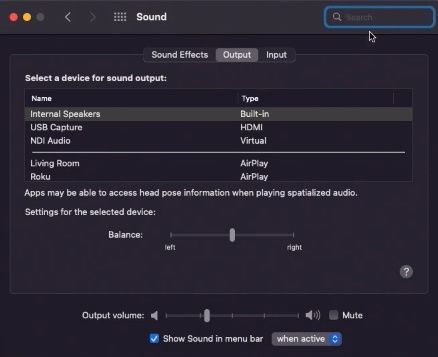
Step 1. To access System Preferences, click on the Apple icon in the top left corner of your screen, then select System Preferences from the dropdown menu.
Step 2. To load your sound settings, click on the window that appears from the window that appears, click sound to load your sound settings.
Step 3. Select Output to manage your speakers.
Method 3. Try updating your operating system
If you're experiencing sound problems and your operating system is outdated, updating your OS may resolve the issue. You can update your OS by following these simple steps.
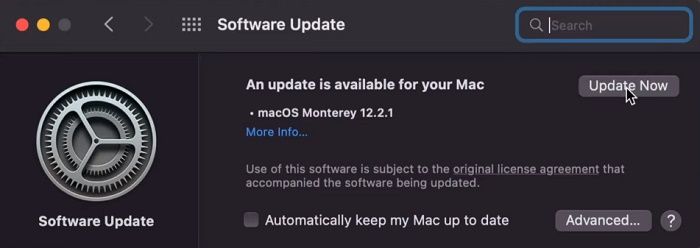
Step 1. Open the Apple menu by clicking on the Apple icon.
Step 2. Select About This Mac and proceed to click on Software Update.
Step 3. Before updating your MacBook, make sure it's backed up to prevent data loss, then click on Upgrade Now to start the download and installation of the new version.
If you're having trouble updating your Mac, you can try restarting your computer, checking for software updates in System Preferences, or using the built-in Disk Utility to repair any disk issues. If none of these solutions work, you may want to consider contacting Apple support or visiting an Apple Store for further assistance.
Method 4. Restart MacBook
Your MacBook may not have loaded the sound drivers properly during booting, so a reboot should resolve the issue by initializing the sound drivers correctly.
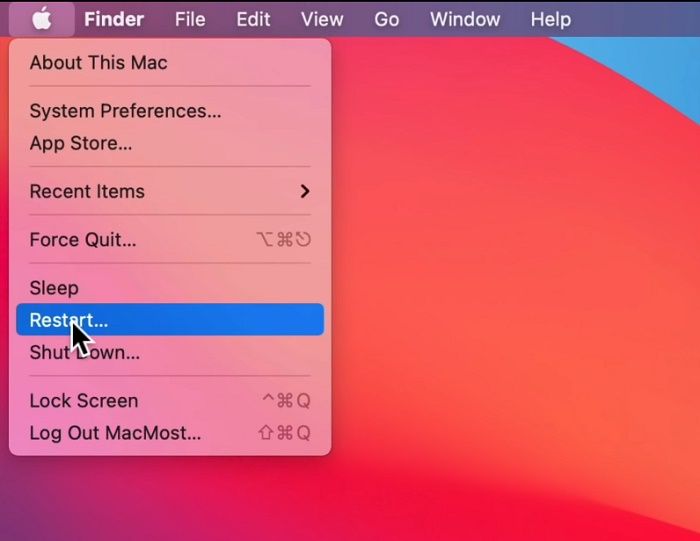
Step 1. Click on the Apple icon to open the menu.
Step 2. Select Restart from the options.
Step 3. Wait for your system to reboot.
Method 5. Reset NVRAM/PRAM
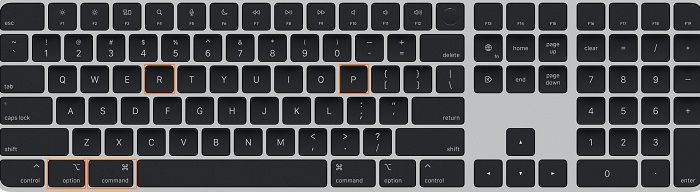
NVRAM, short for Non Volatile Random Access Memory, is a small memory on Macs that stores certain settings to allow for quick access. Fortunately, the process for resetting NVRAM is the same and can be easily done by restarting your Mac while holding down the Command + Option + P + R keys.
Step 1. Shut your system down completely, and disconnect any USB devices as well as the charging cable.
Step 2. To turn on your Mac, press the power button, and once it's on, hold down the Command, Option, P, and R keys all at the same time. Keep holding them until your Mac restarts and the startup song plays.
Step 3. You may need to reset some local settings, such as the time zone and language, but your sound should still work fine.
Conclusion
The above-The methods mentioned are temporary solutions for a sound issue on a MacBook. If these don't work, the device may need servicing, and a visit to the nearest Apple store is recommended for proper diagnosis and repair.
Related Articles
- Best Ways To Fix Windows PowerShell Keeps Popping Up
- Do You Have to Format A New SD Card? Latest Tips!
- How to Fix macOS Ventura WindowServer Prevents from Sleeping [10 Available Solutions]
- Fixed: CPU Isn't Supported | CPU Isn't Compatible with Windows 10/8.1/8
- How to Upgrade Windows 7 to Windows 10. Get Your PC Ready in A Day!
This how-To ensure a smooth transition, upgrade your Windows 7 to Windows 10 on your existing device or new PC/laptop using the Windows 10 upgrade tools before the final end of Windows 7 support. Follow the simple steps to prepare your computer for a seamless Windows 7 to Windows 10 migration. - How to Work on Large Excel Files Without Crashing (5-Step Guide)
Excel crashing on large files? Learn 5 proven steps to work on large Excel files without crashing, including removing excess formatting, styles, conditional formatting, formulas, and fixing RAM issues.
Products
Articles & Tutorials
- Data Recovery
- Data Backup
- File Recovery
- File Backup
- System Backup and Restore
- Disk and Partition Clone
- Technical articles
- Mobile articles
- Disk Master Help
- Windows Data Recovery Tutorials
- Windows Secure Delete Tutorials
- Windows Partition Management Tutorials
- Windows File Backup and Restore Tutorials
- Windows System Backup and Restore Tutorials
- Windows Disk Backup and Restore Tutorials
- Windows Clone Tutorials