Best Ways To Fix Windows PowerShell Keeps Popping Up
PowerShell is a helpful program used by network and system administrators to automate various tasks. However, if you've updated to Windows 11, you may be frustrated by the PowerShell window appearing unexpectedly. Dealing with this issue can be challenging when you're unsure what's causing it.
If you need to check PowerShell manually, this guide explains how to open PowerShell on Windows.
This article delves into the PowerShell issue, exploring its root cause and various potential solutions to resolve the problem.
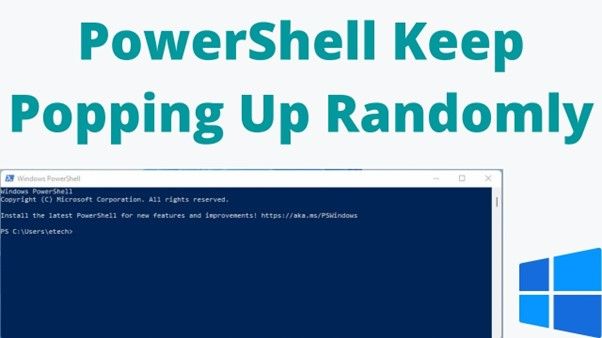
Why Does PowerShell Keep Popping Up
The PowerShell window may repeatedly appear during machine startup in certain situations, only to shut down after a few minutes, causing inconvenience with every startup. This phenomenon is often referred to as "popping up" in the computer field.
PowerShell, a command-line utility, is also affected by this issue. When it starts up, Windows PowerShell Window Keeps Popping up, and two reasons contribute to this problem:
1. PowerShell is set as a startup application
PowerShell is configured to run when the computer boots up, opening the PowerShell prompt as soon as the operating system boots up.
2. Attack by malware
Computers and other electronic devices may become corrupted when infected by viruses, and the appearance of a PowerShell window can also be a symptom of malware.
How to Stop Windows PowerShell from Popping Up
To prevent the PowerShell window from popping up, you can take several measures. This issue can be caused by either malware or user settings alterations. To prevent it, you can disable the Windows Defender Firewall, turn off the Windows Defender, or set the Windows Defender to not show notifications.
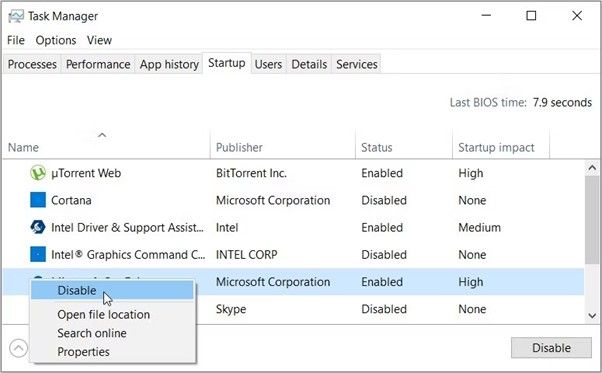
Method 1: Disable PowerShell startup status from Task Manager
The issue might be due to adjustments made to certain parameters on your end. The PowerShell Startup status in the Task Manager could be set to enable, which might be the cause.
To turn off the PowerShell Startup status in Task Manager, follow these steps:
Step 1: To launch the Task Manager, press Ctrl + Shift + Esc on your keyboard.
Step 2: Proceed to the tab labeled "Startup."
Step 3: Disable Windows PowerShell by right-clicking on it in Task Manager, then exit Task Manager and restart your computer or other electronic devices.
Method 2: Remove Windows PowerShell shortcuts from the startup folder
Whether this happens each time you boot up, check if PowerShell is set to launch automatically. To resolve this, delete PowerShell from your computer's starting applications. The steps are as follows.
Step 1: Open Task Management by pressing Ctrl + Shift + Esc.
Step 2: To enable PowerShell in Windows, select it from the list of apps, then toggle the switch next to "Disabled" on the Startup tab to the "On" position.
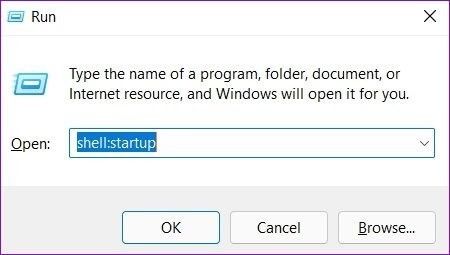
Step 3: To prevent PowerShell from opening at Windows startup, open the Run dialog (Windows key + R), type "shell:startup", and press Enter. This will prevent PowerShell from launching when you start your Windows computer.
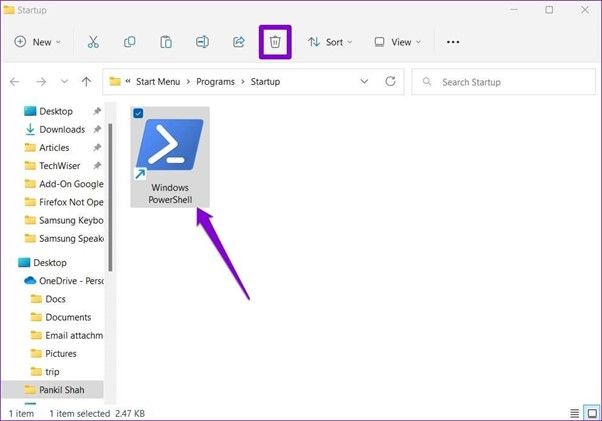
Step 4: Locate the PowerShell Shortcut Site in the subsequent pane and remove it if it exists.
Method 3: Scan your computer with Malware Removal Tool
If your computer is infected with malware, you may notice PowerShell appearing on your screen as the infection tries to execute a harmful script. To confirm, scan your computer with Windows Security or a third-party antivirus tool.
Method 4: Run System Maintenance Troubleshooting
Windows' System Maintenance Troubleshooter is a tool that helps find and fix the underlying causes of PowerShell's periodic reappearance, and can be used to troubleshoot the issue.
Step 1: To open the Control Panel, start Windows Search, type "control panel", and press Enter.
Step 2: In the Control Panel window, click Troubleshooting and change the view type to big or tiny icons if it isn't already.
Step 3: Choose Run maintenance activities from the System and Security menu.
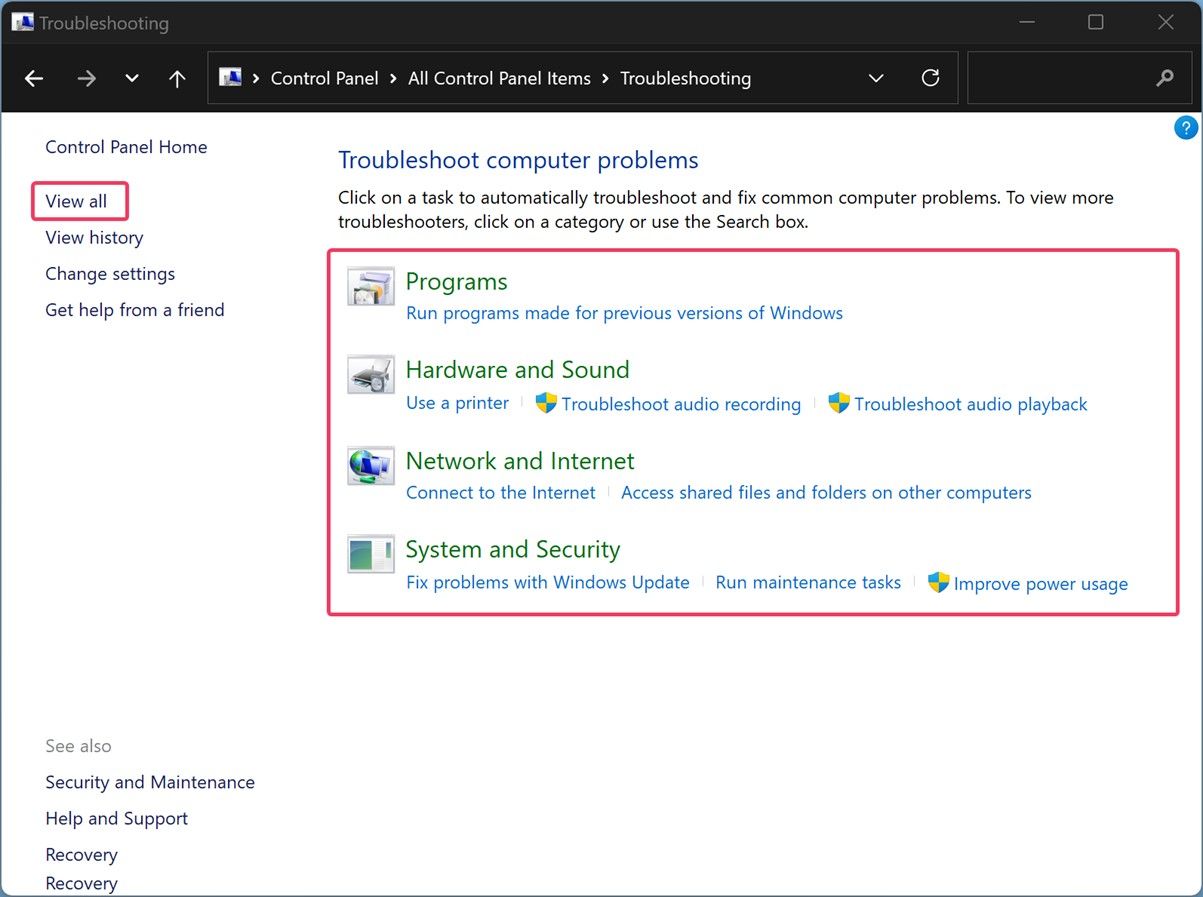
Note: Run the troubleshooter, follow the on-screen directions, and then restart your computer to see if the issue continues.
Method 5: Windows Update
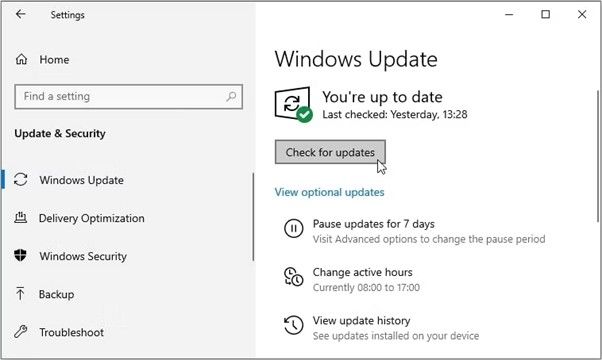
Upgrading to the latest version of Windows can be a simple yet effective solution to resolve the system issue causing the error. The recent enhancements in the latest version might eliminate the system issues responsible for producing this error, and as an added benefit, it will also improve your device's performance. To upgrade your device, follow these steps:
Step 1: To enter the System Settings menu, press the Windows key and the I key together.
Step 2: After clicking Update & Security, choose to update Windows instead.
Step 3: Click "Check for updates" and install any available updates. Restart your computer after the updates are installed.
Method 6: Uninstall Windows PowerShell completely
If none of the previous methods resolve the issue of PowerShell launching during system startup, the last resort is to remove the PowerShell app from the device.
Step 1: To uninstall PowerShell, use the Command Prompt in administrator mode.
Step 2: Copy and paste the command that is listed below into the command prompt, then hit the enter key on your keyboard.
"Dism /online /Disable-Feature /FeatureName:"MicrosoftWindowsPowerShellV2Root,".
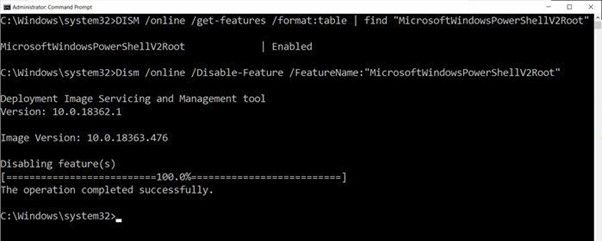
Step 3: Keep waiting until the instruction is finished. After that, you should restart your computer.
Conclusion
To resolve the issue of PowerShell appearing on Windows 11, try the following simple fixes: disable the "Show Windows features on the taskbar" setting, remove PowerShell from the Startup folder, and use the Task Manager to disable the PowerShell process. If these methods don't work, consider using alternative tools like Command Prompt or PowerShell alternatives like ConEmix. If you're still experiencing issues, try restarting your computer or seeking further assistance. If you have any other suggestions or ideas, feel free to share them in the comments.
Related Articles
- How to Reinstall Windows 10 Without CD (3 Ways)
- How to Recover Your Deleted Firefox Browsing History
- Short DST Failed! How to Fix Hard Disk DST Short Test Failed
- Real Fixes: This app can't run on your PC in Windows 10
- What Is Clipboard and How to Copy and Paste? [Full Guide]
This article teaches you about a clipboard on a computer or a mobile device (Android and iPhone) and how to copy and paste information from your clipboard. - What Is Disk Space, All You Want 2024
Learn what disk space means, how it differs from RAM, and why available storage matters for files, apps, and system performance.
Products
Articles & Tutorials
- Data Recovery
- Data Backup
- File Recovery
- File Backup
- System Backup and Restore
- Disk and Partition Clone
- Technical articles
- Mobile articles
- Disk Master Help
- Windows Data Recovery Tutorials
- Windows Secure Delete Tutorials
- Windows Partition Management Tutorials
- Windows File Backup and Restore Tutorials
- Windows System Backup and Restore Tutorials
- Windows Disk Backup and Restore Tutorials
- Windows Clone Tutorials