3 Ways to Share/Transfer Files Between Two PCs in Windows 11/10
| Workable Solutions | Step-by-step Troubleshooting |
|---|---|
| Part 1. Transfer Files between Computers |
Method 1. Use Qiling PCTrans...Full steps Method 2. Use the Internet...Full steps Method 3. Use external storage device...Full steps |
| Part 2. Share Files between Computers with Windows Nearby Sharing | Step 1. Settings > System > Shared experiences > Nearby Sharing > turn On > set drop-down as Everyone nearby...Full steps |
How to share/transfer files between two PCs in Windows 11/10?
As users increasingly switch to Windows 11/10 and upgrade from old desktops to new laptops, data transfer has become a significant challenge for many.
If you need to transfer files between two PCs in Windows 11/10, there are two parts to consider. You can transfer files between computers using methods such as sharing files over a network, using cloud storage services, or using a USB drive. Alternatively, if you're migrating apps from an old PC to a new one, you can use tools like the Windows 10 Migration Assistant or a third-party app transfer tool to make the process easier.
In part one, we recommend three methods to transfer files between computers, addressing file size and network connectivity issues.
- Large files transfer (scattered file location) - Method 1
- Small files transfer on the same network. - Method 2
- Transfer files without the network connections. - Method 3
In part two, we also introduce Nearby Sharing for sharing files between computers, which is useful for sharing data with friends or family members.
Part 1. Transfer Files between Computers
Method 1. Use free file transfer software to transfer files/apps/programs between two PC
The fastest way to transfer files between computers is by using professional file transfer software, which can save you time and energy when transferring files, applications, or other software with others.
Professional file transfer software can offer several advantages, including faster and more reliable transfer speeds, enhanced security features such as encryption and authentication, and improved scalability to handle large volumes of data. Additionally, these tools often provide features like automatic file compression, bandwidth management, and real-time monitoring and reporting, making it easier to manage and track file transfers. Furthermore, many professional file transfer software solutions offer integration with other systems and applications, such as cloud storage services and enterprise resource planning (ERP) systems, to provide a seamless and streamlined experience.
- Saving time and energy is key when transferring files to a new PC, and copying and pasting files can be a tedious and time-consuming process.
- Transfer your desired files to your new PC, including programs, software, applications, or games that you want to have on your new device.
- No data loss trouble and no false operation would occur.
- Support to transfer files without the network. (If you need to move some confidential files, you might need this feature.)
To find a free file transfer software, you can try Qiling PCTrans Free, which allows you to transfer personal files, software, programs, games, or apps to another drive on the same PC or to other PCs with just a few clicks.
To transfer files between two PCs, you can follow a tutorial that allows you to directly transfer files between the two devices. This process typically involves connecting the devices in some way, such as through a network or using a cable, and then using a file transfer protocol or software to move the files from one PC to the other.
- Notice:
- To transfer a large amount of data without any limitations, consider upgrading to a pro edition and follow the guidelines provided to make the process smooth and efficient.
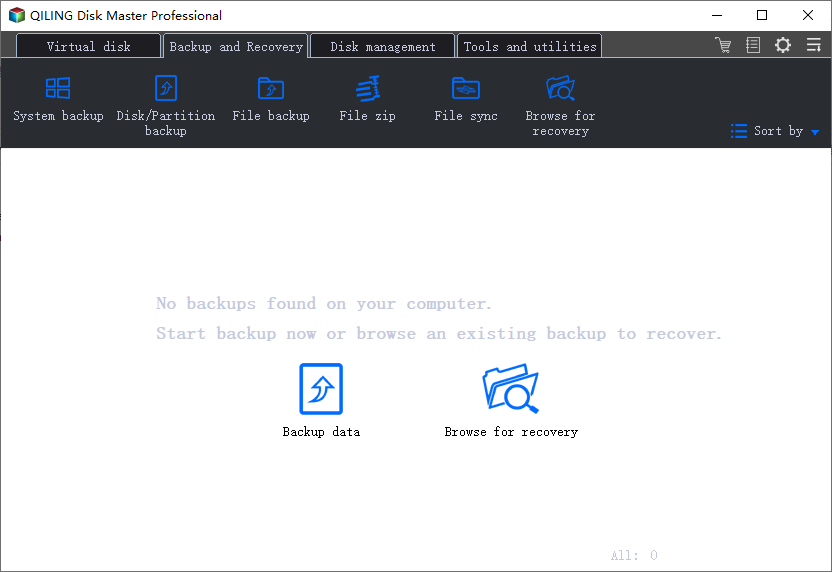
Step 1. To sync files, applications, and user accounts between your PC and laptop, install and open Qiling Disk Master on both devices. Then, select the "File sync" option to transfer the desired items directly from your PC to your laptop.
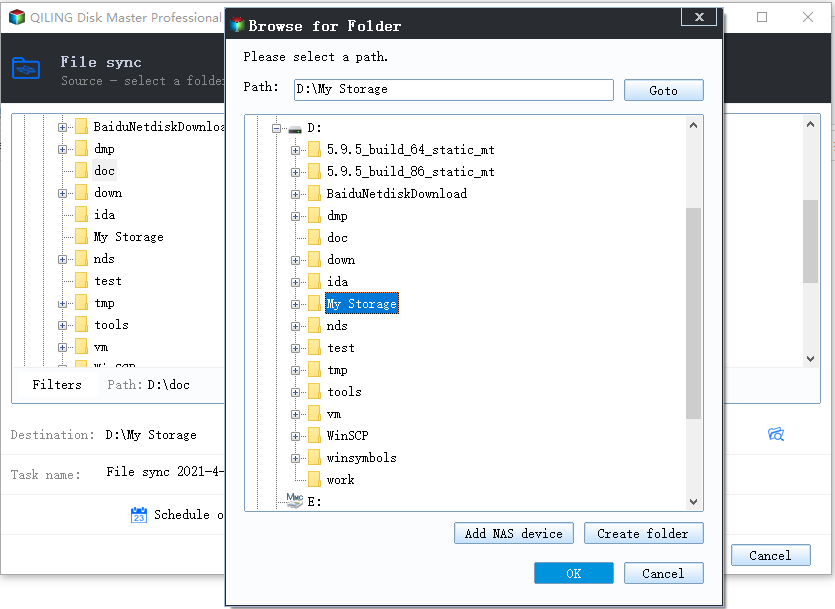
To connect the PC to the laptop, enter the laptop's account password or verification code. You can then access the "PC to PC" main screen and toggle the button behind "Connection Verification" to turn it on.
Step 3. To select files to transfer, choose "Files" in PCTrans. By default, the program will save data to the same location on the target computer, but you can customize the storage path by clicking the "Edit" icon if needed.
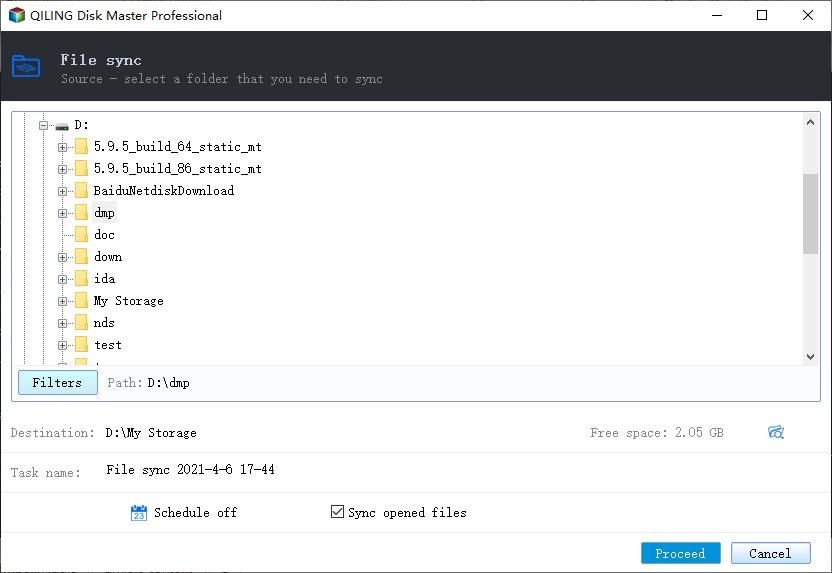
Step 4. To start transferring files from your PC to your laptop quickly, click on the "Proceed" button.
Method 2. Use the Internet to transfer files between computers
You can transfer data between PCs by connecting them directly to a LAN or WiFi network, allowing you to transfer files to a new PC over the internet.
Here are several file transferring ways:
- Transfer files via local network drive/NAS
- Transfer files through Cloud services
- Transfer files through Email
- Transfer files by apps such as Skype/WeChat/Instagram, etc
To transfer files through the internet, start by choosing a file transfer service such as Google Drive, Dropbox, or WeTransfer. Select the files you want to transfer and compress them if necessary to make them easier to transfer.
1. Connect both PCs with the same network.
2. Log in your Cloud/Email/Apps which you choose to transfer files or open Local Network Drive with your account.
- Cloud/Email/APPs
Cloud/Email/APPs transfer is a convenient method for transferring files between PCs, utilizing Google Drive or Cloud devices to facilitate file transfer over the network.
You can access files on another computer using Windows apps like Facebook or other standard applications, in addition to the options mentioned earlier.
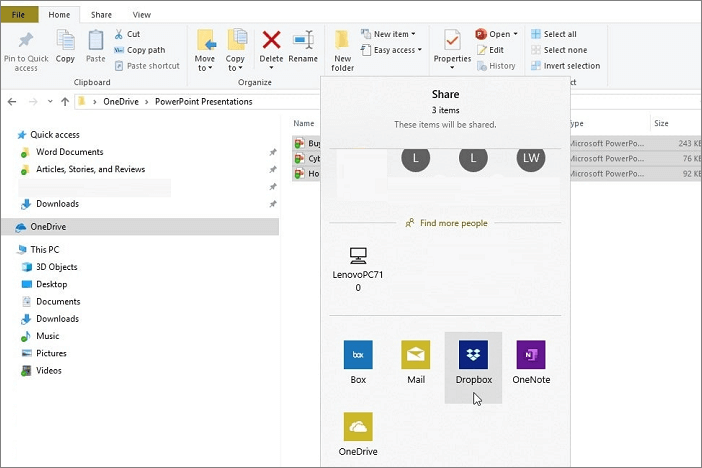
- Local Network Drive (Only for transferring folders)
The most common method of transferring files under the Internet is locally.
Local PC: Right-To share a file, click on the file, select "Properties", then go to the "Sharing" tab, and finally click on "Share" which will open the "File Sharing" window.
To enable network discovery and file sharing on your PC, go to File Explorer, then click on "Network", and finally select "Turn on network discovery and file sharing" from the options.
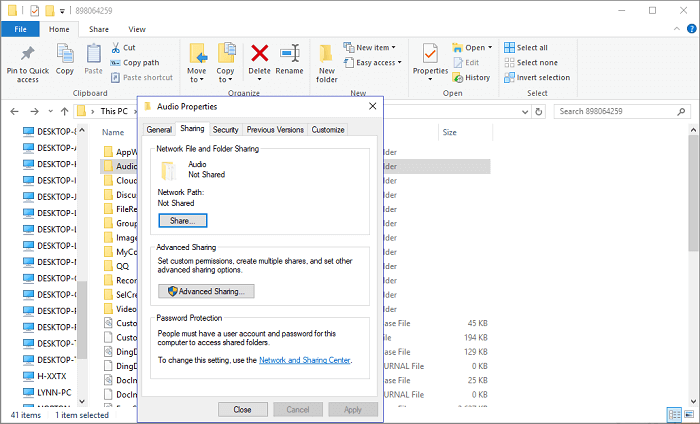
3. Select files you need to transfer and send it to a new PC or copy to the local network drive. Receive and save transferred files to a new PC.
- Tip
- The only factor that may impact the speed and ease of transferring files is the network speed.
Method 3. Use external storage device to transfer files between two PCs
If you don't have a network connection on your PCs, you can copy and paste files into an external storage device like a USB drive, SD card, or external hard drive, and then transfer those files to the new PC.
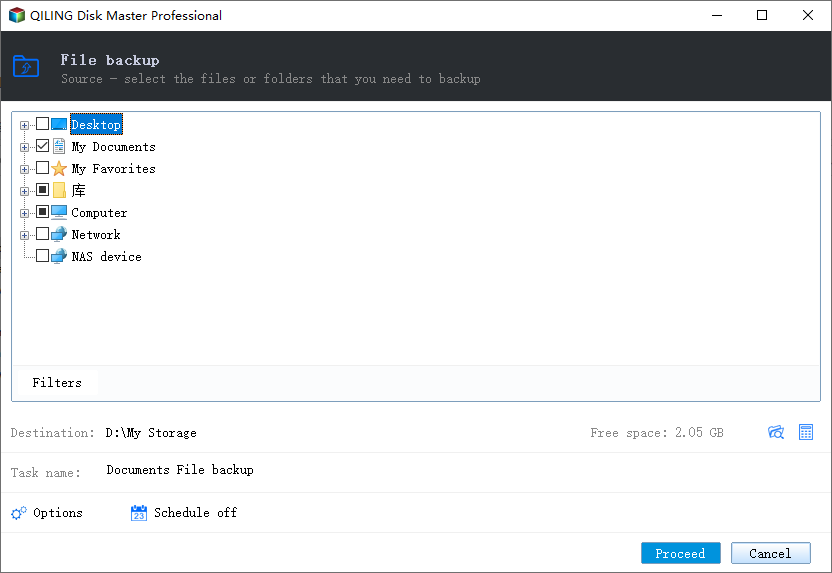
1. Transfer files via Backup and Restore
To transfer data between two PCs, download Qiling Disk Master on each PC and use it to create an image of the files you want to transfer. This image can then be automatically exported from the source PC to the target PC, streamlining the data transfer process.
2. External hard drive
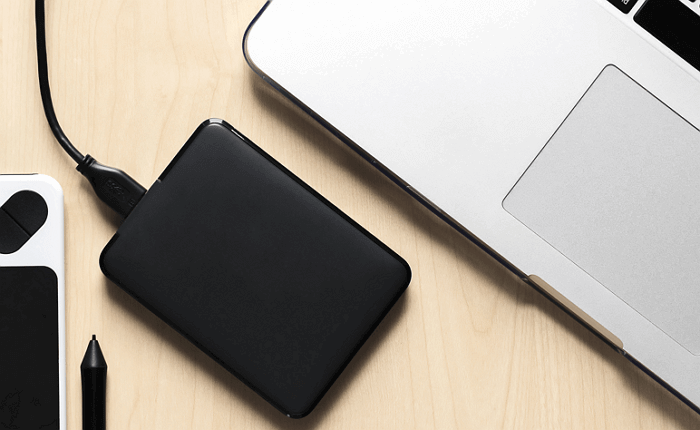
Using an external storage device allows you to transfer files between two computers without being limited by their physical location.
1. Connect an external storage device to the source PC from which you want to transfer files.
2. Select the files you want to transfer to copy into the device.
3. After you've finished copying the files, disconnect the storage device from the PC and connect it to the new PC.
4. Then move files into new PC.
3. transfer files between computers via transfer cable
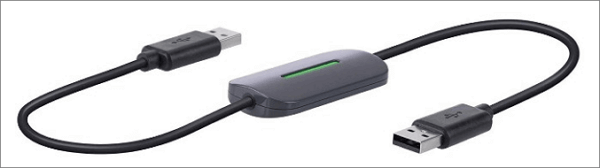
If your two PCs are in the same location, you can use a transfer cable, such as the Belkin Easy Transfer, to simplify the file transfer process between the three devices, including the external hard drive.
- Notice:
- 1. To transfer installed software, apps, and programs to a new PC, you may need to use software like Qiling PCTrans or similar tools for assistance.
2. You should be careful while trying Method 2 or Method 3 to share/transfer files between two PCs.
Part 2. File Sharing between Computers with Windows Nearby Sharing
Microsoft introduced Nearby Sharing, a feature that allows you to quickly share files with other computers on the same network, making it easier to collaborate and share files with others.
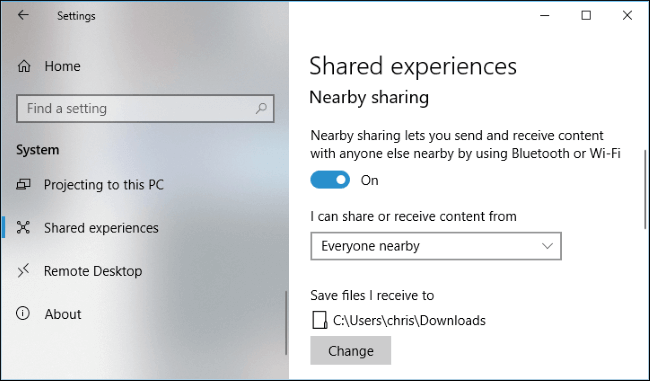
Steps for local network file sharing
Step 1. To enable Nearby Sharing, go to Settings > System > Shared experiences > Nearby Sharing and toggle it On. Then, select the drop-down menu and choose "Everyone nearby".
Step 2. To share files with another PC nearby, open File Explorer on your computer, select the files you want to share, right-click on them, and choose "Share" from the context menu. Then, select "Another PC nearby" from the share options, and follow the prompts to complete the file transfer.
Related Articles
- How to Migrate User Profiles to New Server 2021
- How to Quickly Transfer Large Files Over Network
- Transfer Adobe CS2 to New Computer without Reinstallation
- How to Transfer Photos from Google Photos to Gallery? Follow the Guide!
- How to Set Up a Server to Server File Transfer Successfully
Copying files from one server to another is a fairly frequent task that system administrators face. Learn how to do it using Qiling Disk Master. - How to Set Up a Server to Server File Transfer Successfully
Copying files from one server to another is a fairly frequent task that system administrators face. Learn how to do it using Qiling Disk Master.
Products
Articles & Tutorials
- Data Recovery
- Data Backup
- File Recovery
- File Backup
- System Backup and Restore
- Disk and Partition Clone
- Technical articles
- Mobile articles
- Disk Master Help
- Windows Data Recovery Tutorials
- Windows Secure Delete Tutorials
- Windows Partition Management Tutorials
- Windows File Backup and Restore Tutorials
- Windows System Backup and Restore Tutorials
- Windows Disk Backup and Restore Tutorials
- Windows Clone Tutorials