Data Protection - How to Use OneDrive to Backup and Restore
Quick Navigation:
- 1. Data Protection - How to Use OneDrive to Backup and Restore
- 2. Why Use OneDrive as a backup tool?
- 3. How to Back Up with OneDrive
- 4. How to Restore OneDrive in Windows 11
- 5. Delete Files from OneDrive
Data Protection - How to Use OneDrive to Backup and Restore
OneDrive is a simple and quick way to securely store and backup essential files, and can be used on various devices including Windows, MacBooks, iOS, and Android devices, making it an important tool for users to know how to use.
OneDrive offers 5 GB of free storage, which can be expanded with a purchase. As a backup tool, OneDrive provides advantages such as automatic file syncing and the ability to access files from anywhere. To use OneDrive for backup and restore, users can upload files to OneDrive and then download them when needed. Files can also be deleted from OneDrive.
Continue reading!
OneDrive Best Alternative - Qiling Backup
- One-Backing up the whole disk/PC and achieving instant recovery with high efficiency is a key feature.
- The platform provides a high level of data security for over 2 million users.
- Flexible backup and restore options allow you to back up your entire system and restore it to any device or location.
Why Use OneDrive as a backup tool?
Using OneDrive as a backup tool offers several advantages, starting with a secured and private cloud storage folder that can be accessed from any device, providing a convenient and flexible way to store and manage files.
- Save space on local device storage
- Allows team members to access files from anywhere
- Easy file share options
- Secured online cloud storage
- Customizable sync experience (by admin)
- Swift integration s with Office 365 and other Microsoft products
- Allows multimedia
How to Back Up with OneDrive
You can use OneDrive to back up and restore files on your computer in two standard ways: either through the OneDrive program itself or by using the OneDrive website.
Method 1: Using the OneDrive Program
To use OneDrive for backup and restore, download the OneDrive application and use it to simply backup files by dragging and dropping selected files. See the instructions on how to use OneDrive for backup and restore with the OneDrive program.
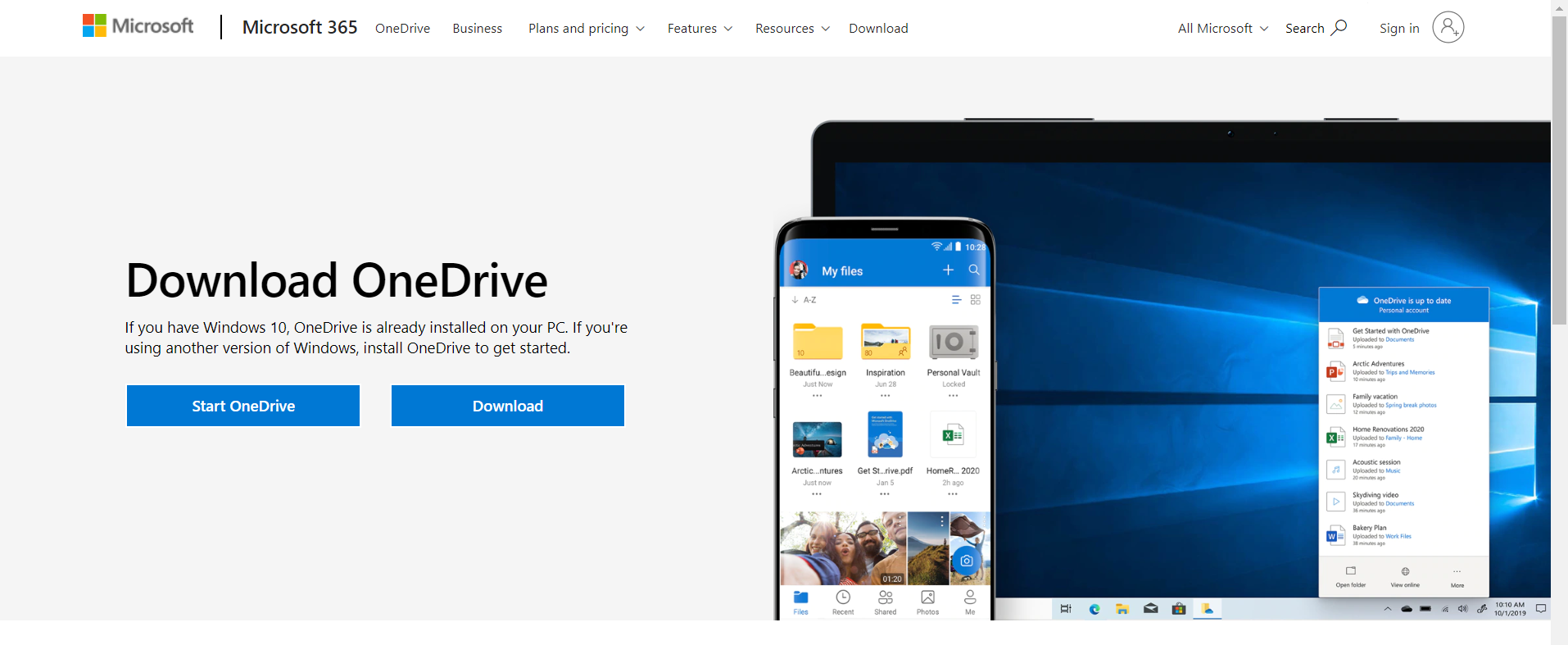
Step 1. Visit OneDrive's official website, create an account, and sign in. At the bottom left, click on "Get the OneDrive apps" to be redirected to the download page, then follow the on-screen instructions to complete the download and installation.
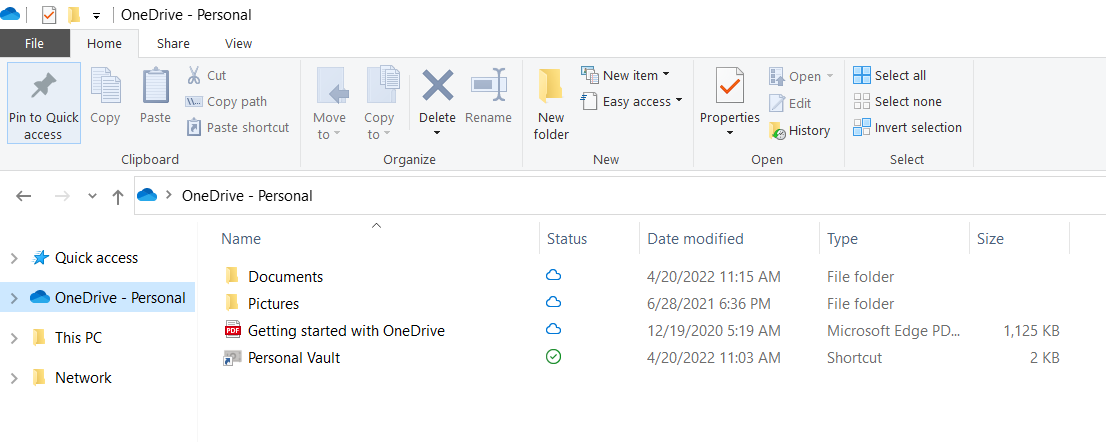
Step 2. After installing OneDrive, a new folder named OneDrive will appear in your directory. You can drag and drop files to be backed up into this folder, and also create subfolders within it. Optionally, you can set the sync option for automatic file uploads.
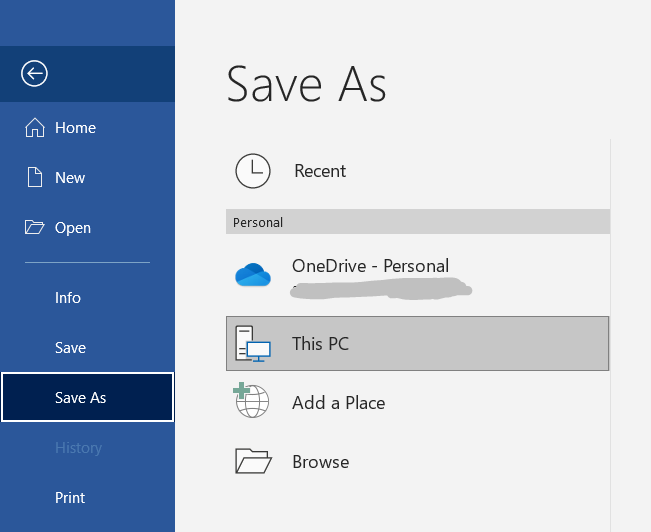
Step 3. To save files from Microsoft Office directly to OneDrive, click the "Save As" option and select OneDrive as the destination folder.
Method 2. Using the OneDrive Website
Users who don't want to download the OneDrive desktop app can still back up their files by visiting the OneDrive website, where they can access backup and restore features.
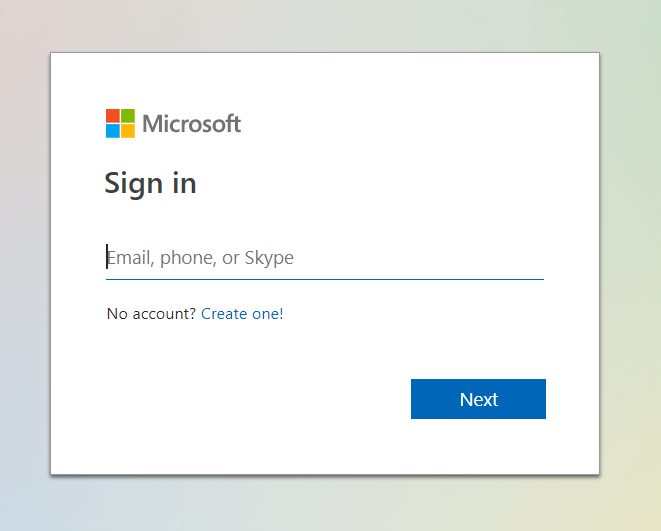
Step 1. Visit the OneDrive official page and create an account, then log in with your Microsoft credentials to access your online cloud storage.
Step 2. To upload folders or selected files, click the Upload button on the toolbar.
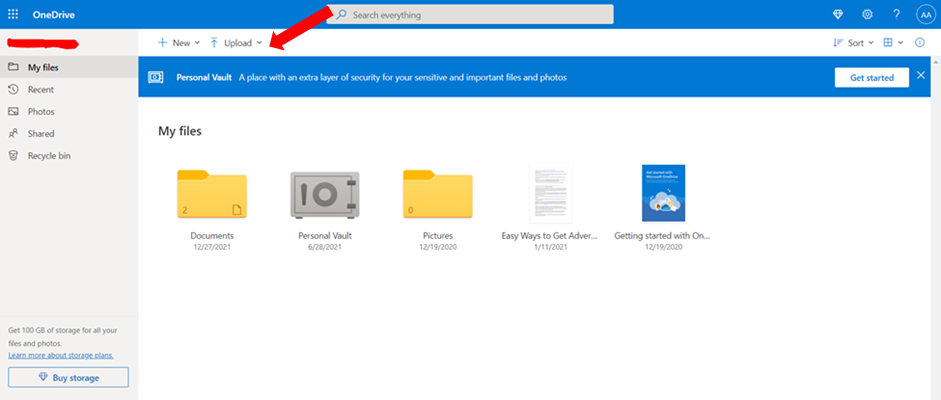
Step 3: Once you've selected the files or folders you want to upload, OneDrive will automatically open them and start the upload process. You can then access the uploaded files directly from the OneDrive website.
How to Restore OneDrive in Windows 11
If you've accidentally deleted files from OneDrive, you can try recovering them by checking the 'Recycle Bin' or 'Recently Deleted' folder, depending on the OneDrive version you're using. If the files are not there, you can contact Microsoft support for further assistance. They may be able to help you recover deleted files or provide guidance on how to do it yourself.
Step 1. To access OneDrive, go to the official OneDrive website, and log in with your Microsoft account credentials.
Step 2. Select the tab named Recycle bin on the left-hand side.
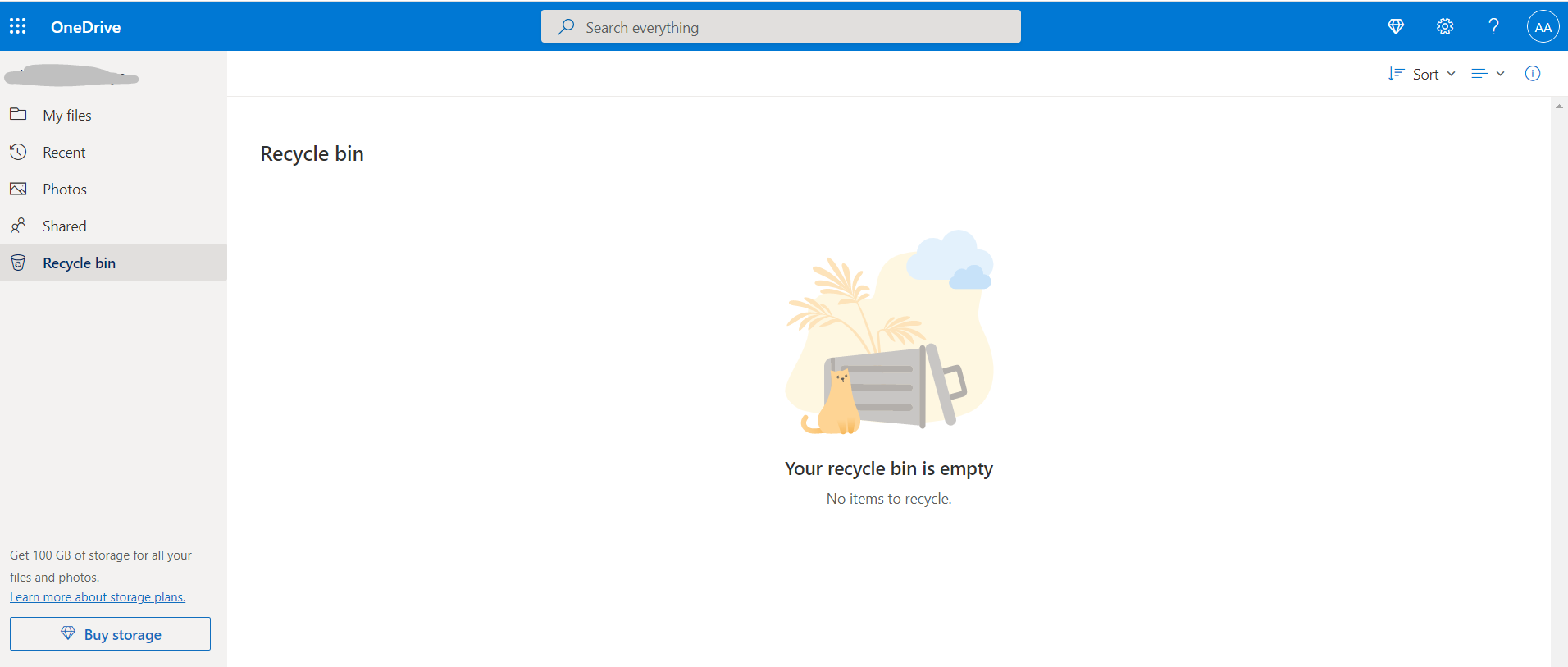
Step 3. Here, the recycle bin is empty, but the list of all deleted files and folders should be displayed, allowing you to pick and click Restore on the ones you want.
To restore OneDrive files from Windows, open the Recycle Bin, right-click on the desired files, and select them to restore. This will recover the deleted files to their original location in the OneDrive folder.
Delete Files from OneDrive
Now that we've learned how to use OneDrive for backing up and restoring files and folders, let's discuss deleting files when necessary. Yes, it is possible to remove data stored on the OneDrive cloud, and that's what this section will cover.
Step 1. Sign in to the official OneDrive website.
Step 2. Once logged in, select the folders/files to delete by placing the cursor over them and clicking the check box.
Step 3. Depending on your choice, you can select either some files or all files. After selecting, click the Delete option from the top bar or right-click on the selected files and select Delete.
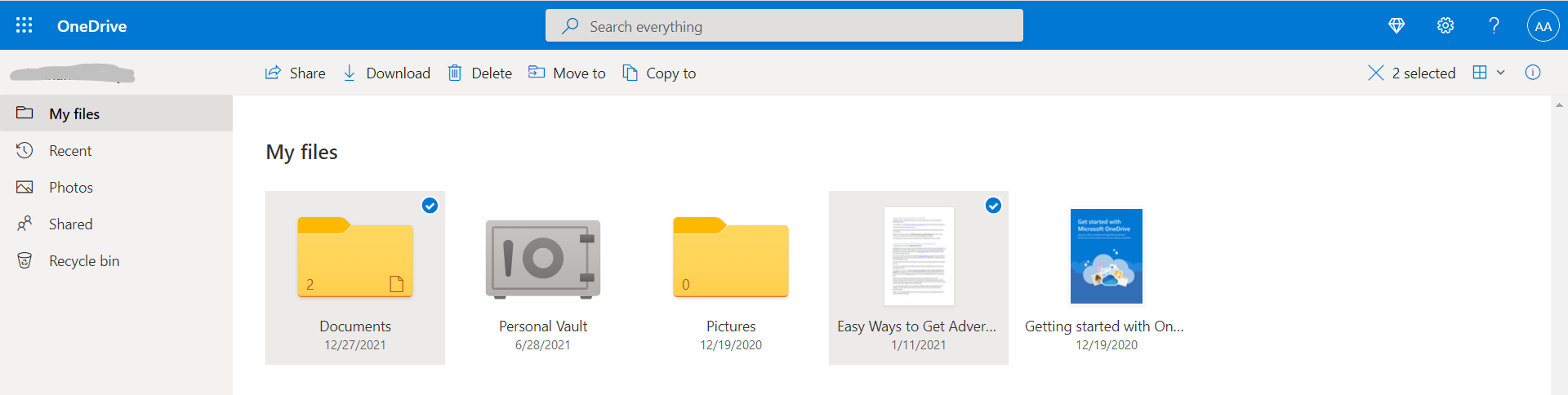
Note: Sometimes, the delete option might be missing if you don't have permission to delete specific files or folders.
Conclusion
OneDrive can be used to back up and restore essential data, offering benefits like automatic backups, access from anywhere, and collaboration features. Users can back up files by syncing them to OneDrive, and restore or delete files on the OneDrive cloud.
This page was helpful. The information provided was clear and concise, making it easy to understand. The content was well-structured and relevant to the topic, and the tone was informative and engaging.
Related Articles
- What is Disk Imaging | See Definition & Learn File Formats & Application
- Disk Clone vs System Clone: What's The Difference?
- Should You Encrypt Backups? Here's the Answer
- (Updated!) Top 5 Driver Backup Software for Windows 11/10/7/XP
- Transfer Windows 7, 8, 10, 11 to New Hard Drive without CD [3 FREE Ways]
Want to transfer Windows 7 to new hard drive without CD instead of re-purchasing license? In this post I'll introduce the best ways to clone OS to new drive (HDD/SSD), most of them are completely free. - How to Turn on System Restore in Windows 7
To protect your computer well, you can turn on System Restore in Windows 7. Besides, you can create an image backup to get supplementary protection for your computer.
Products
Articles & Tutorials
- Data Recovery
- Data Backup
- File Recovery
- File Backup
- System Backup and Restore
- Disk and Partition Clone
- Technical articles
- Mobile articles
- Disk Master Help
- Windows Data Recovery Tutorials
- Windows Secure Delete Tutorials
- Windows Partition Management Tutorials
- Windows File Backup and Restore Tutorials
- Windows System Backup and Restore Tutorials
- Windows Disk Backup and Restore Tutorials
- Windows Clone Tutorials