How to Use SSD as External Storage | Find Your Answer Here!
Using an external hard drive is a convenient and portable way to store and back up your data, allowing you to easily transfer files between PCs. However, some users may be unsure about how to utilize a Solid-State Drive (SSD) as an external storage device, which is where this guide comes in - it will provide a detailed explanation on how to use an SSD as external storage and offer a better way to back up your computer.
What Can I Do With an External SSD
Using a computer for an extended period can lead to crowded storage space. To address this issue, many people opt for external hard drives to store programs, files, and other digital content, such as videos, pictures, and documents, due to the numerous benefits they offer.
The pros:
- It can help to free up internal disk space.
- Keep important data in a safe situation.
- Be portable to carry the essential data.
- Easy to transfer operating systems or programs to another PC.
Many users need to upgrade their old internal SSD to a larger and faster one, but can still utilize their old SSD by converting it to an external storage device. This approach offers several advantages and uses, making it a viable option for those looking to repurpose their old SSD. In the following passage, we will explore how to use an SSD as external storage.
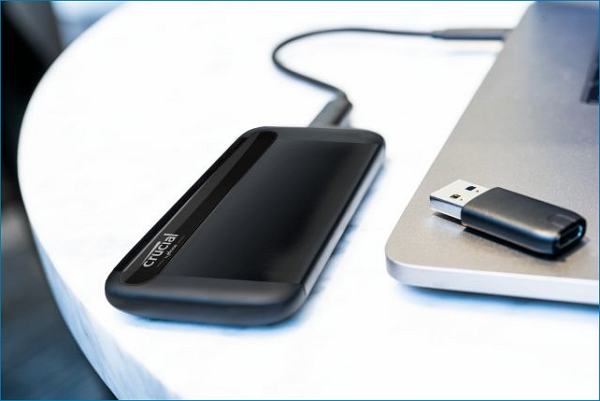
How to Use the External Hard Drive in Windows
Before using an internal SSD as external storage, three necessary stages need to be completed:
- Stage 1. Transfer data on the old SSD to a new hard drive.
- Stage 2. Prepare one external enclosure for the old SSD.
- Stage 3. Reformat the old internal SSD.
The followings are the specific steps of each stage.
Stage 1. Transfer data on the old SSD to a new hard drive.
In case of losing the original data, it's necessary to transfer the data out before using an internal SSD as external storage. You can use reliable Windows backup software like Qiling Backup Home to do data transfer, which is a trustworthy and professional disk manager that can also help with migrating Windows 10 to an SSD, including operating systems and files.
Step 1. Connect the old SSD and the new hard drive to your computer properly.
Step 2. Open the Qiling Backup Home.
Step 3. Refer to the following steps to transfer your data to an external hard drive.
Here are the essential steps to automatically back up to an external hard drive.
Step 1. Launch the Qiling Backup software, and start by selecting the backup contents.
Step 2. There are four data backup categories available: File, Disk, OS, and Mail, allowing users to select what they want to back up.
Step 3. After selecting the backup source, click on the "Options" button at the bottom of the screen.
Step 4. Click on the "Backup Scheme tab" > "Upon Event".
Step 5. To create a backup of your data, you can select a backup location, which can be another local hard drive, network drive, or cloud storage.
Step 6. Now the automated backup function will become active.
When the computer completes the data migration process, you can safely handle your old internal SSD without worrying about it. Additionally, Qiling Backup Home offers many other useful features beyond just data migration.
Highlighted Features:
- Various backup types: File backup, system backup, disk backup, partition backup, and external hard drive backup are all methods of backing up data to prevent loss in case of hardware failure, software corruption, or other disasters.
- Meet different backup methods: Full backup, Incremental backup, and differential backup.
- Many Backup Storage Devices: SSD, HDD, FTP Server, USB Drive, RAID, NAS, DVD, etc.
- Other vital functions: system image, clone, recovery.
Pros:
- Support Windows 11/10/8/7
- 100% Safe Zone Backup
- WinPE Bootable Disk
- Off-site copy
- E-mail Notification
Stage 2. Prepare one external enclosure for the old SSD.
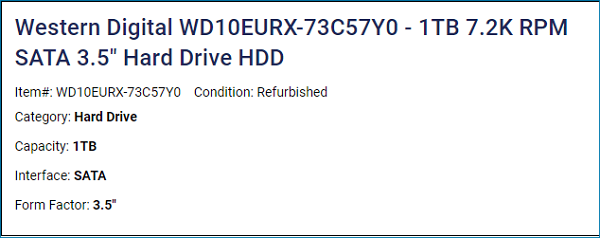
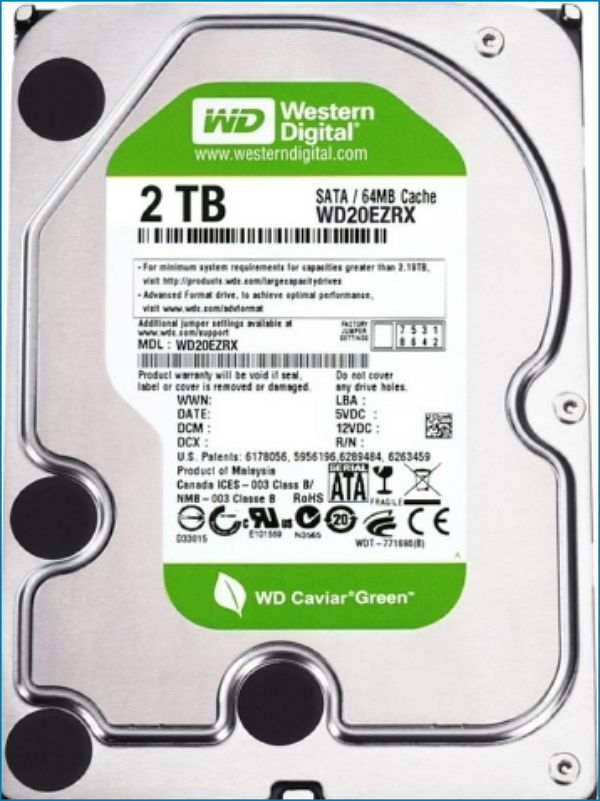
It would help if you had an external hard drive enclosure or USB adapter for using an internal SSD as an external hard drive. Before buying such a device, check the size (2.5 or 3.5 inches) and your SSD's interface to ensure the enclosure or adapter fits with your SSD. Here are two easy methods to check your SSD information.
Method 1. Check Computer Information
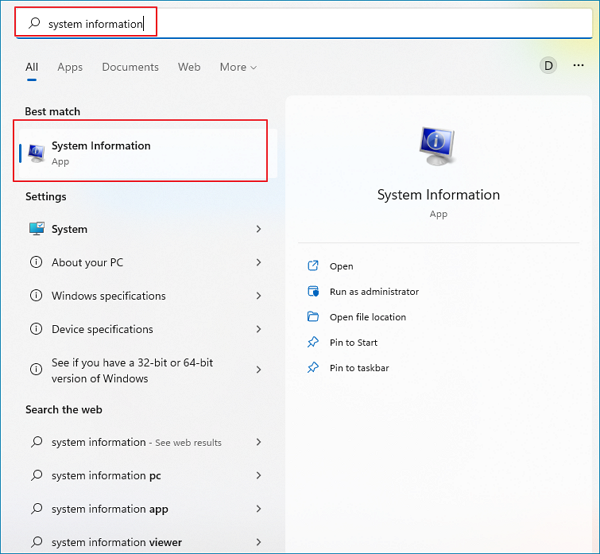
Step 1. Press Windows+ S, then type system information and open it.
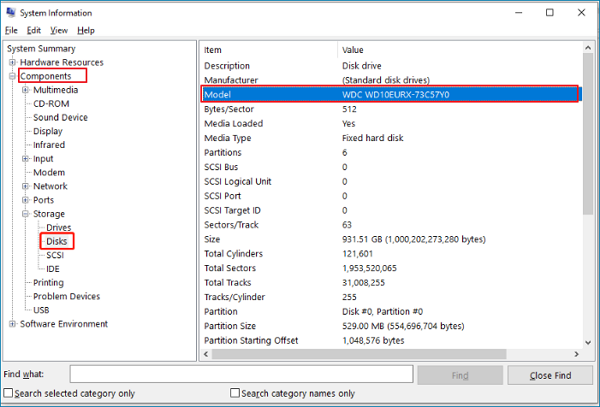
Step 2. To find the information you need, go to Click Components > Storage > Disks, find your disk model, and search for it online to get the necessary details.
Method 2: Remove the SSD to Check the Hard Drive Specifics
To remove your SSD from your computer's case, use a screwdriver and check the specifications of your hard drive. Once you know the specifics, you can purchase an adapter or enclosure that matches your SSD's requirements.
Stage 3. Reformat the old internal SSD.
To use your previous SSD as an external hard drive, you'll need to reformat it, which will erase all existing data. This process will make the SSD available for storing new files. You can also repartition the SSD if you want to maintain the original layout. To do this, you can use the built-in Disk Management tool in Windows 10. Here's a step-by-step guide to help you format your SSD for use as an external storage device.
Step 1. To open Disk Management, click the Windows Start menu and select Disk Management, or run the command diskmgmt.msc.
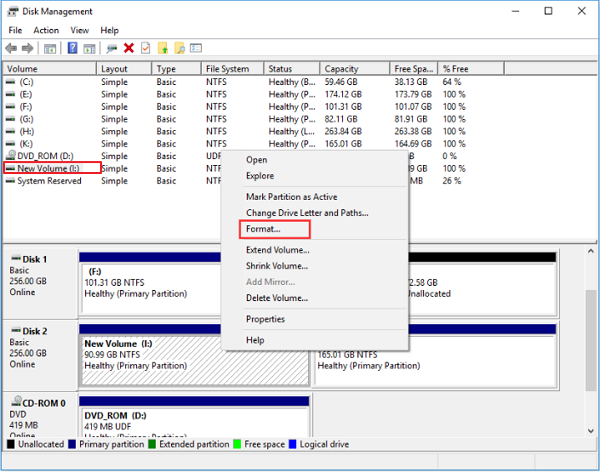
Step 2. To format a partition on your SSD, click on the partition you want to format, then right-click on it and select the "Format" option from the context menu.
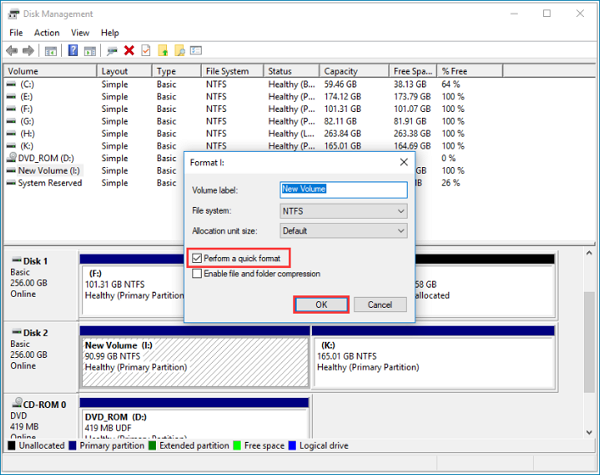
Step 3. To complete the formatting process, input a volume label and select a file system, then click OK to finalize.
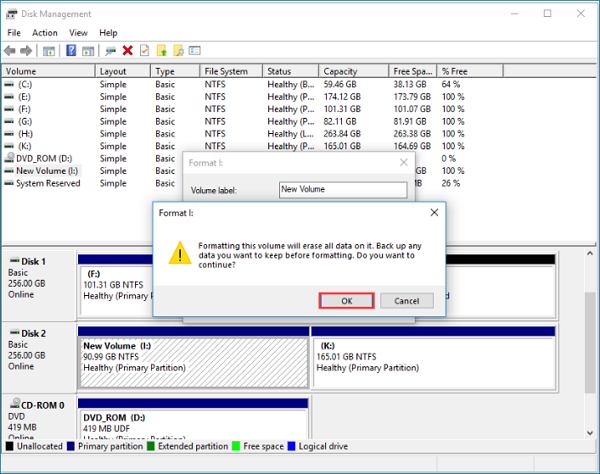
- Notice:
- Before formatting an SSD, check the Quick Format option to avoid a Full Format, which can reduce the SSD's lifespan.
The Bottom Line
Using an external hard drive to store essential data is visible, and this page provides a detailed tutorial on how to use an SSD as external storage. It's easy to follow and worth a try! When transferring data from your computer or old SSD to a new external storage, I recommend Qiling Backup Home as a reliable and user-friendly option, with affordable cloud backup options available for those with tighter budgets.
FAQ on How to Use SSD as External Storge
1. Can I use a regular SSD as an external drive?
SSDs can be used as both internal and external storage, providing a portable and easy-to-use way to store files.
2. How do I use 2.5 SSD as external storage?
To use an internal SSD as an external hard drive, you'll need to get an external enclosure or USB adapter that matches your SSD's size (2.5 or 3.5 inches) and interface. This will allow you to safely and securely connect your SSD to your computer as an external drive.
3. Is an external SSD better than an external HDD?
The choice between a Hard Disk Drive (HDD) and a Solid State Drive (SSD) depends on your specific needs. While HDDs are generally cheaper, SSDs offer several advantages, including significantly faster performance, lower weight, greater durability, and energy efficiency, making them a popular choice for many users.
4. What should I store on my SSD?
You can store frequently used data on an SSD for easy access, such as operating system files and programs. Meanwhile, keep large items like videos, music, and documents on your hard drive, as streaming services like Netflix and Spotify have made them easily accessible.
Related Articles
- Seagate Backup Plus Software Downloads and Explanation [perfect tips]
- Top 5 Third-party Time Machine Alternatives for Windows 11/10/8/7
- USB External Hard Drive Not Showing Up in Windows 11 (99% Users Rated Useful)
- How to Back Up QuickBooks Desktop to Flash Drive [QuickBooks Guides]
- Windows 7 End of Life Extended What to Do?
Windows 7 end of life extended what to do? You may have such a question, in which case it is important to first learn more about Windows 7 end of life and then get a clear idea of what to do. - Windows 7 Recovery Partition Is Missing or Lost? Fixed!
Find Windows 7 recovery partition is missing or lost? Ease your mind and follow this article to resolve the issue easily.
Products
Articles & Tutorials
- Data Recovery
- Data Backup
- File Recovery
- File Backup
- System Backup and Restore
- Disk and Partition Clone
- Technical articles
- Mobile articles
- Disk Master Help
- Windows Data Recovery Tutorials
- Windows Secure Delete Tutorials
- Windows Partition Management Tutorials
- Windows File Backup and Restore Tutorials
- Windows System Backup and Restore Tutorials
- Windows Disk Backup and Restore Tutorials
- Windows Clone Tutorials