How to Reinstall Windows 10 without Losing Files
Introduction
Reinstalling Windows can be a daunting task, but rest assured, it won't result in the loss of your files. Windows has a built-in feature that allows you to reinstall the OS while keeping your files safe. Additionally, you can use third-party software to back up and restore your data, providing an extra layer of protection in case something goes wrong. This way, even if you reinstall, you'll still have access to your important files.
The post explains the importance of taking backups of files and apps, highlighting the need for professional software to ensure data safety. It also provides methods for doing so, helping users understand the significance of backing up their data.
QUICK FIXES:
You can reinstall Windows 10 without losing your data by using two quick methods. Firstly, you can use the built-in "Reset this PC" feature, which will remove all apps and settings, but keep your personal files and settings intact.
Backup and Restore Data with Qiling Disk Master
How to Reinstall Windows 10 Without Losing Data (2 Quick Ways)
There are two ways to reinstall Windows 10 quickly, both of which are built into the system, eliminating the need for third-party software.
Fix 1. Using "Reset this PC"
Step 1: To access the Recovery settings, click on the Start button and then click on the Settings icon, and navigate to the Update & Security settings. From there, locate the Recovery section.
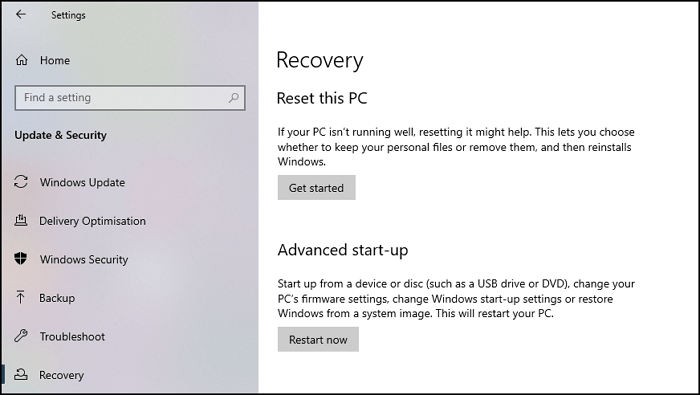
Step 2: In the recovery section, you have two options—Reset this PC and Advanced start-up. Click on the Get started button under Reset this PC.
Step 3: In the Reset Wizard, choose the option "Keep my Files" and then select "Reinstall from this device" to reinstall Windows.
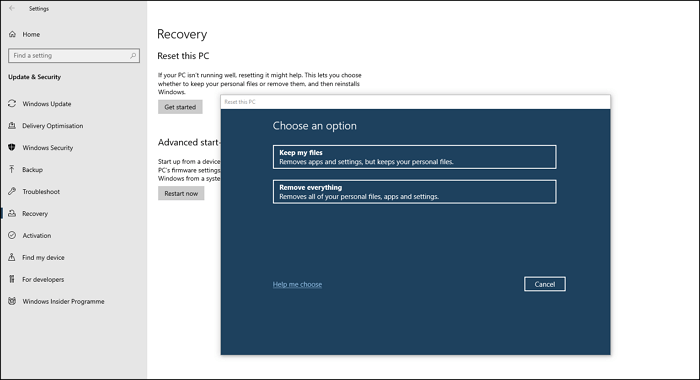
While Reset this PC works well and saves personal files, it will uninstall apps, programs, and drivers, requiring a significant amount of time to reinstall everything. A better option is to use software like Qiling Disk Master, which allows for backup and restore, making it a more efficient and convenient choice.
Fix 2. Apply the Advanced Start Menu
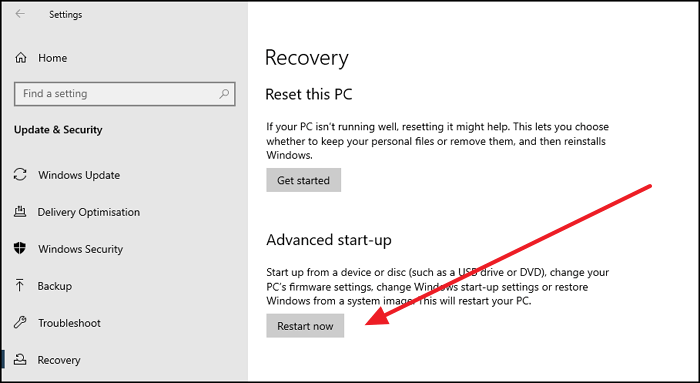
Step 1: To restart Windows in safe mode, click on the Windows key, navigate to Settings > Update & Security > Recovery, and then click the Restart now button under Advanced start-up.
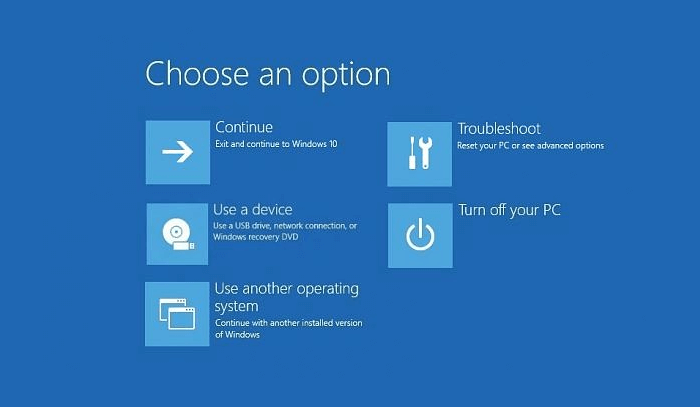
Step 2: The system will warn about restarting, then boot into WinRE or Advanced Boot Recovery Mode. A blue screen will display, offering three options, including Troubleshoot, which can be clicked.
Step 3: After selecting the Reset this PC option, choose the "Keep my files" option, then click "Next" and "Reset" and finally "Continue". The computer will restart and reinstall Windows.
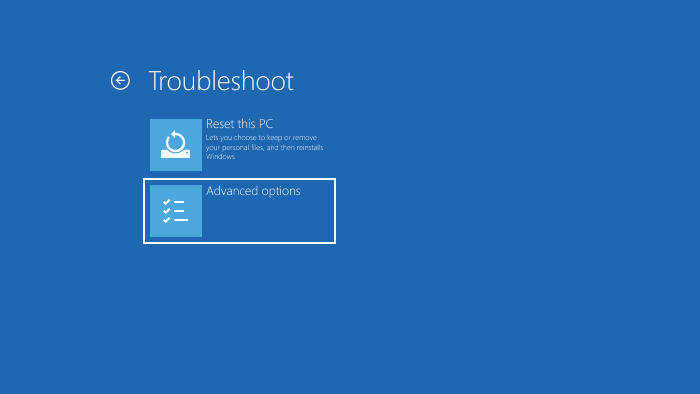
Note: This solution keeps your files safe but not applications, drivers, and programs, requiring re-installation. An alternative is Qiling Disk Master, which backs up everything and restores them, saving time.
Backup and Restore Data with Qiling Disk Master
Qiling Disk Master is a professional data migration software that allows for one-click PC transfer, migrating files, applications, and user accounts directly from one computer to another, or from a dead/non-bootable PC, and also enables transferring the system disk's complete image using another disk.
You can use two scenarios:
Backup Files
The software has a dedicated section for backup and restore, where you can choose to back up only files. You can edit and select the files you want to include, and the backup will be saved to an external drive.
Once the upgrade is complete, if you notice a loss of files, you can restore the method to bring back the lost files. You can choose to restore fully or partially by selecting the files from the backup, bringing back the original state.
The backup files are encrypted and can only be accessed using the Qiling Disk Master software, making them secure and inaccessible to others.
Backup and Restore Programs
The exact section allows taking backup of Applications, User Accounts, and Files, saving time and effort in reinstalling and reactivating applications, and preserving settings and customization.
Step 1. Create a backup image of installed apps
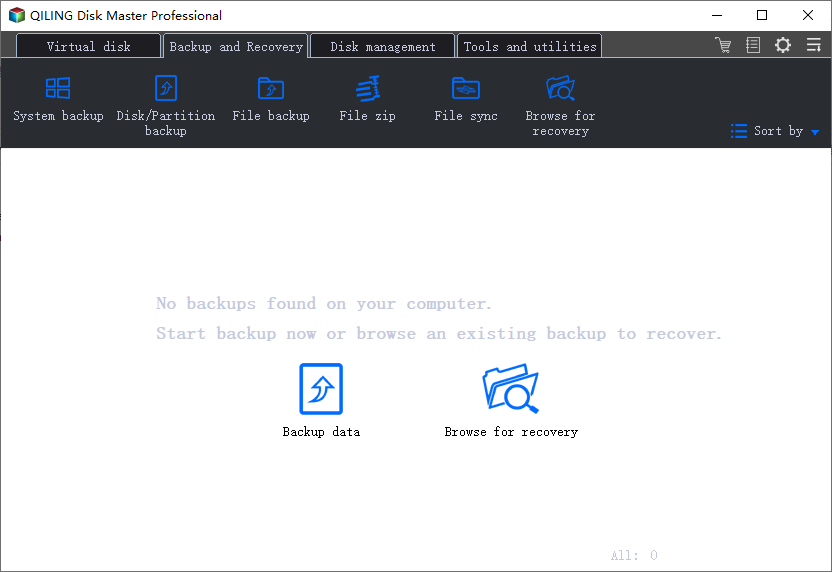
1. Launch Qiling Disk Master on your PC and go to "Backup & Restore", then click "File backup" to proceed.
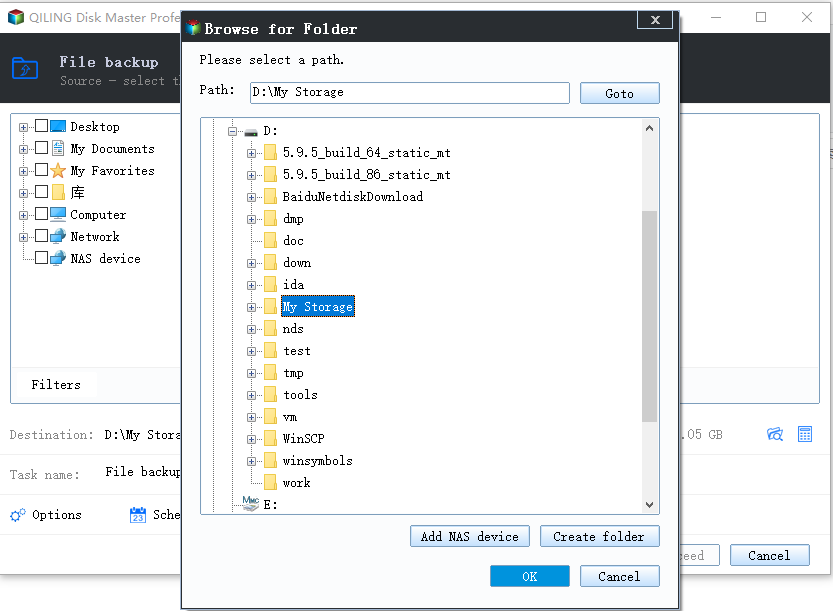
2. Click "Browse" to select a location to save the backup file.
3. Go to the "Application" section, choose the apps you want to back up, and proceed with the backup process.
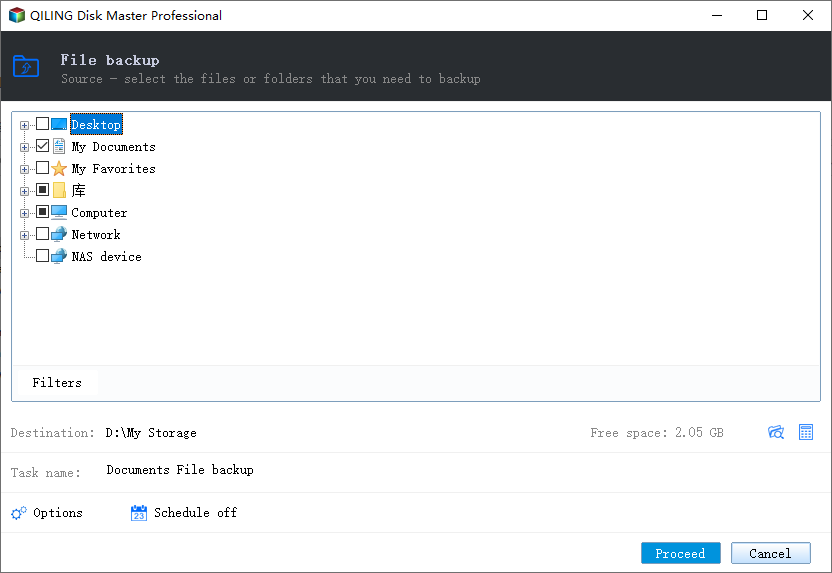
4. Click "Proceed" to start creating the backup image of selected applications. When the process completes, click "Next" to start the installation of the selected applications. Then, click "Finish" to complete the installation.
Step 2. Restore apps from the created backup file
If the app exists on your PC, it won't restore the app image to your PC, so you'll need to uninstall the existing one and then retry with the next steps.
1. Copy the backup file to your target computer and run Qiling Disk Master.
To restore a file from a backup, navigate to the "Backup & Restore" section, then select "File Restore" as the transfer mode.
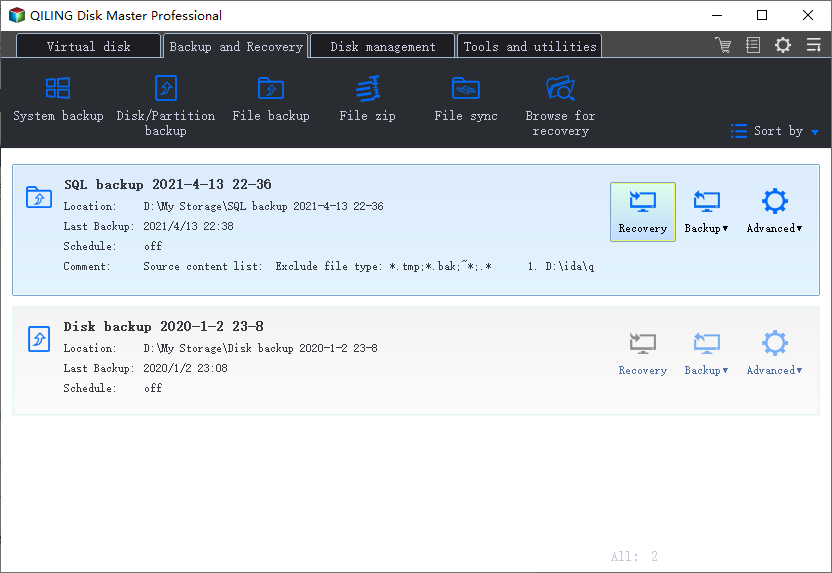
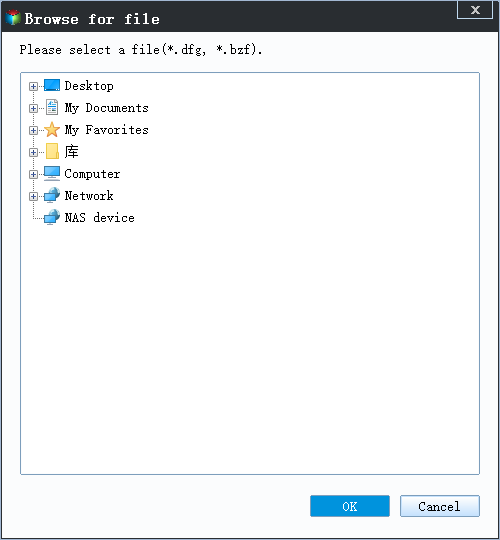
2. To begin the process of creating a bootable Qiling Disk Master image, first, click on the "Browse" button to locate and select the Qiling Disk Master image file. Once the image file is selected, click the "OK" button to proceed with the next step.
3. On the Application section, select the programs and applications you want to restore from the image file and click "Proceed".
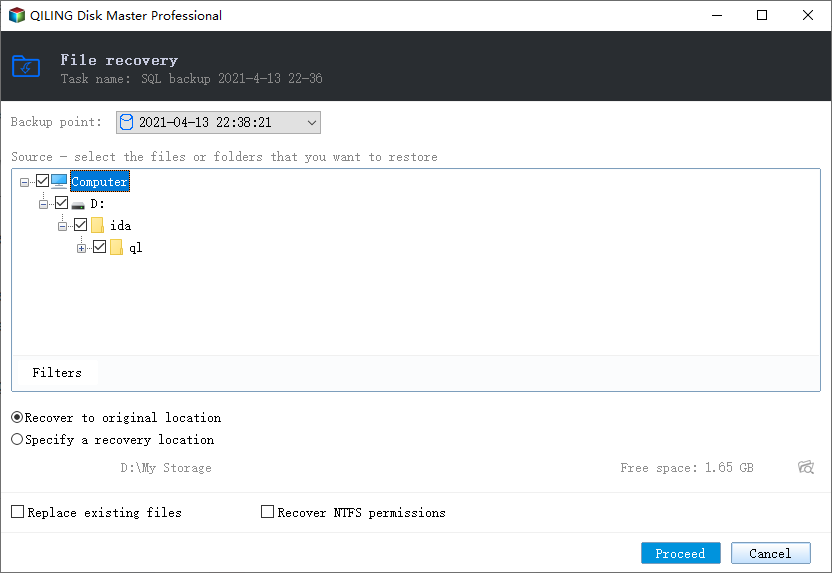
To backup files and apps, follow a similar process, focusing on making the correct selections. Launch the application, go to Backup & Restore, and choose Data Backup before upgrading. Select the apps and files you want to back up, and you're done. After upgrading Windows, you can use the Data Restore method to recover your backed up data.
During Restore, you can choose to restore everything or only a few things, and the migration settings allow you to skip system files and folders and handle duplicates.
Conclusion
To avoid losing important files or applications during a Windows upgrade, it's crucial to take a backup beforehand. While the Windows Upgrade Process automatically backs up personal files, it's still necessary to manually backup applications, as they won't be included in the automatic backup. This ensures that if something goes wrong during the upgrade, you won't have to reinstall everything from scratch.
It's crucial to use professional software like Qiling Disk Master for data backup and restoration, as it provides flexibility and assurance of data integrity, with secure backup methods and quick restoration capabilities.
Related Articles
- How to Transfer Files from PC to PC on Windows 11 (5 Quick Ways)
- [Easy and Fast] How to Put a Program on a Flash Drive
- How to Copy MS Office from Laptop to Pen Drive/USB (Windows 11 Available)
- Internet Explorer End of Life 2022, Here Is What to Do
- The Best Alternate for Paragon Migrate OS to SSD 4.0 - Qiling Backup
This article will introduce a safe and powerful alternative to Paragon Migrate OS to SSD 4.0. For anyone who thinks the Paragon software is too expensive that wants to find a cracked version, read this article to see how Qiling Backup can help you in the system migrate. - The Best Alternate for Paragon Migrate OS to SSD 4.0 - Qiling Backup
If you're looking for a safe and powerful alternative to Paragon Migrate OS to SSD 4.0, consider Qiling Backup, which can help you migrate your system without breaking the bank.
Products
Articles & Tutorials
- Data Recovery
- Data Backup
- File Recovery
- File Backup
- System Backup and Restore
- Disk and Partition Clone
- Technical articles
- Mobile articles
- Disk Master Help
- Windows Data Recovery Tutorials
- Windows Secure Delete Tutorials
- Windows Partition Management Tutorials
- Windows File Backup and Restore Tutorials
- Windows System Backup and Restore Tutorials
- Windows Disk Backup and Restore Tutorials
- Windows Clone Tutorials