Quickly Solved | Windows Defender Not Working
Quick Navigation:
- 1. Why Windows Defender Not Working on Your PC
- 2. How to Get Windows Defender Work Again(7 Effective Solutions!)
- 3. Dual Protection: Keep Your Data Intact Even Viruses and Other Threats
Is Windows Defender not working on your computer? Follow along as we figure out what's stopping it.
Windows Defender is a built-in antivirus program in Windows operating systems, offering quick and efficient protection without the need for a separate purchase.
The tool may stop working occasionally, a common issue reported by many users over the years. The problem lies not with the tool itself, but rather with some computers, operating systems, or missing files, which can cause it to malfunction.
If your Windows Defender isn't working, here are some steps you can take to troubleshoot and potentially fix the issue: First, ensure that Windows Defender is enabled and not disabled by any third-party antivirus software. Next, check for any updates and install the latest version of Windows Defender.
Why Windows Defender Not Working on Your PC
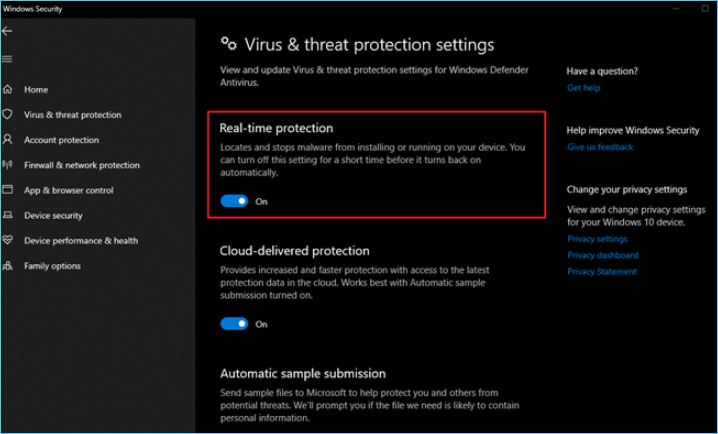
Windows Defender may not be working due to various reasons, but a simple and straightforward explanation is that real-time protection might be turned off.
While it's unlikely, there are a few other possible reasons why you might not be able to find a specific person's contact information. These include situations where the person is not using a phone or email, is avoiding contact, or is deceased. In most cases, however, these scenarios are not common and other issues are more likely to be the cause.
- An outdated Windows or Antivirus database
- Windows services disabled or not working
- Third-party tools or antivirus programs preventing Windows Defender
- A tool or software installation that might have disabled Windows Defender, could be a malware or spyware that has been installed on the system, or a legitimate software that was installed incorrectly or with incorrect settings. This could also be a result of a rootkit or trojan that has taken control of the system and disabled Windows Defender.
- Corrupted system file or failed Windows Update
- Restart, Shutdown, or power failure during Windows or database update
Windows Defender may stop working due to various reasons. Before troubleshooting, it's essential to check for common causes such as outdated definitions, incorrect settings, conflicts with other security software, or issues with the Windows Update service. Once these potential causes are ruled out, you can proceed with the rest of the tutorial to resolve the issue.
Windows Defender is a reliable antivirus software that comes pre-installed on Windows devices. It provides good protection against malware, spyware, and other online threats. However, its effectiveness depends on various factors, such as the type of malware, the level of user interaction, and the system's configuration.
You can either invest in top-rated antivirus software for enhanced security or opt for the free Windows Defender program to protect your Windows system.
How to Get Windows Defender Work Again
If you're experiencing issues with Windows Defender not working on your computer, there are a few potential solutions to try. The problem may be caused by various factors, and troubleshooting the issue can help resolve the issue and get Windows Defender working again.
If you have tried resetting Defender, but nothing has worked so far, you can try these seven fixes we've compiled. So, let's examine what they are.
- Fix 1. Uninstall Third-Party Antivirus
- Fix 2. Reset Windows Security
- Fix 3. Modify Local Group Policy Editor
- Fix 4. Modify the Registry
- Fix 5. Run a System Scan & DISM Repair
- Fix 6. Update the Operating System
- Fix 7. Try a Clean Boot
Fix 1. Uninstall Third-Party Antivirus
Remove any third-party antivirus software, as Windows Defender provides adequate protection, eliminating the need for another program.
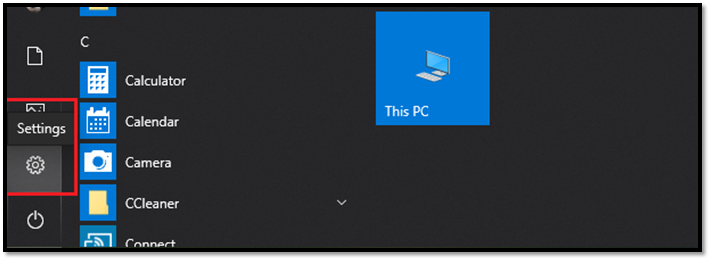
Step 1. To access the Settings app, click on the Start button or press the Windows button on your keyboard, then click on the Settings cogwheel.
Step 2. Head into Apps
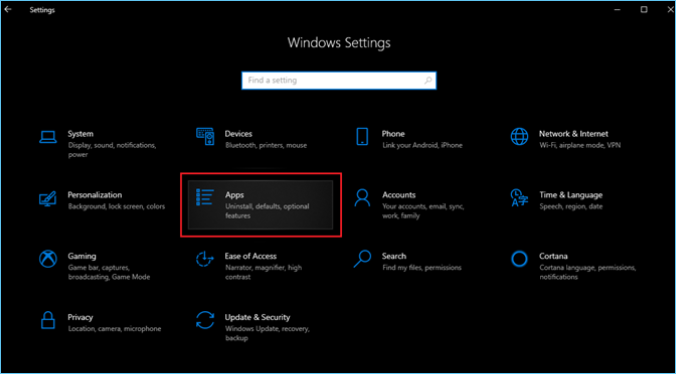
Step 3. To uninstall an antivirus program, go to the sidebar and tap "Apps & Features", then scroll down to find the antivirus program you want to remove and follow the uninstallation process.
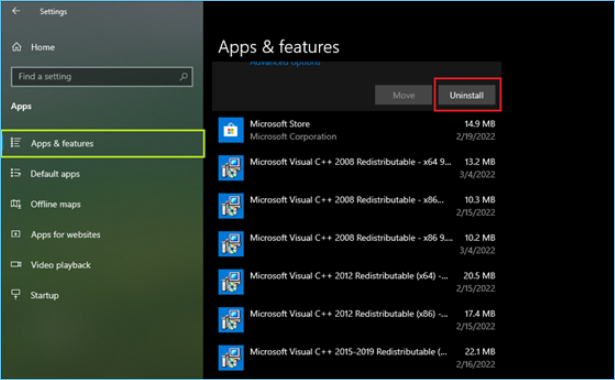
Step 4. Click Uninstall to remove the third-party antivirus software
To resolve the issue where Windows Defender is not running, ensure that Windows Defender is set as the default antivirus program. To do this, go to Settings > Update & Security > Windows Security, then click on "Open Windows Security.
Fix 2. Reset Windows Security
If your Windows Defender isn't working, you can fix it by resetting the Windows Security app, which is a simple process that can be completed in a few steps. To do this, go to the Start menu and search for "Windows Security", then click on it to open the app. Click on the three dots at the top right corner of the window and select "Settings".
Step 1. To access the Start Menu, press the Windows button on your keyboard, and then browse through the app menu.
Step 2. To access the App Settings in Windows Security, scroll down until you find the Windows Security section, click on More, and then click on App Settings.
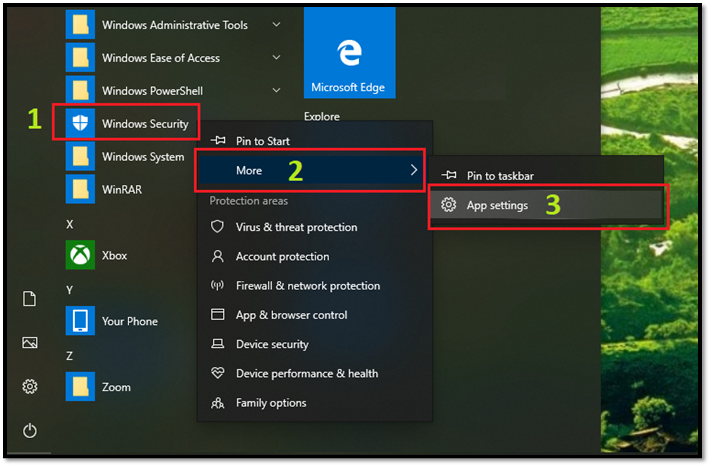
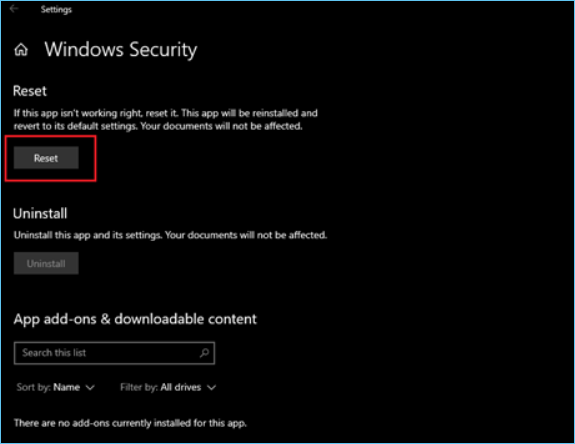
Step 3. Scroll down to the bottom of the page until you find the Reset option, then click on it.
To remove errors and underlying problems and help you rerun Windows Defender, open Windows Defender by searching for it in the Start menu, click on the "Virus & threat protection" tab, and select "Full scan" to scan your computer thoroughly. Wait for the scan to complete, and if any threats are detected, follow the prompts to remove them.
Fix 3. Modify Local Group Policy Editor
To fix the issue of Windows Defender not working due to Group Policy settings, you can try running the Windows Defender Troubleshooter, which can be found in the Control Panel under System and Security. If that doesn't work, you can try resetting the Windows Defender settings to their default values by going to the Windows Defender settings page, clicking on the "Reset" button, and then restarting your computer. If you're still having issues, you can try disabling the Group Policy setting that's causing the problem, or you can try uninstalling and then reinstalling the Windows Defender program. If none of these steps work, you may need to seek further assistance from a Windows support specialist.
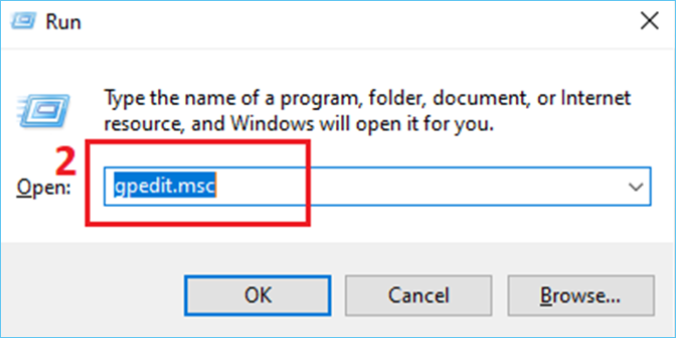
Step 1. Press Windows+R on your keyboard, then type "gpedit.msc" in the run command.
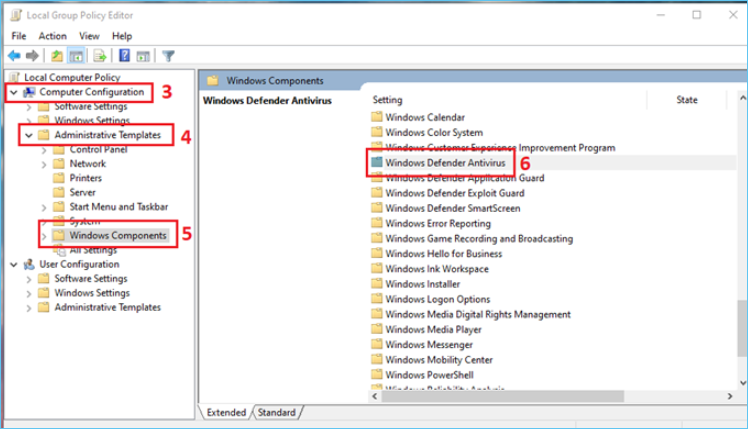
Step 2. To configure Windows settings, click on "Computer Configuration" in the left panel, then navigate to "Administrative Templates" and select "Windows Components".
Step 3. Scroll down until you find Windows Defender Antivirus.
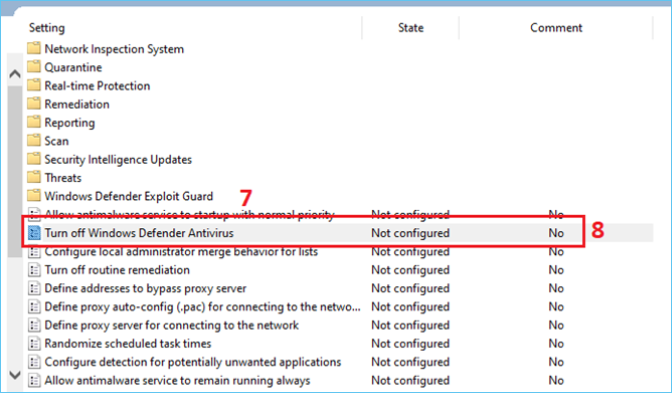
Step 4. To disable Windows Defender Antivirus, navigate to the Windows Defender Antivirus settings, scroll down and select the option to turn it off.
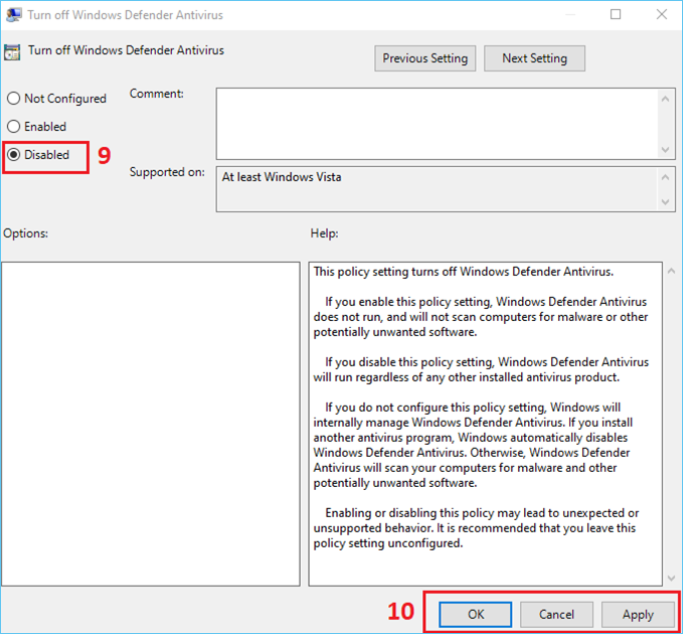
Step 5. In the configuration section, select Disabled, then click Apply and finally click Okay.
To fix the issue where Windows Defender is not running, you can try disabling any Group Policy settings that might be preventing it from running. To do this, open the Group Policy Editor (gpedit.msc), navigate to Computer Configuration > Administrative Templates > Windows Components > Windows Defender, and disable any settings that might be preventing Windows Defender from running.
Fix 4. Modify the Registry
If your Windows Defender is still not working, you can try to enable it through the Windows Registry. To do this, open the Registry Editor, navigate to the "HKEY_LOCAL_MACHINE\SOFTWARE\Policies\Microsoft\Windows Defender" key, create a new DWORD (32-bit) value named "DisableAntiSpyware" and set its value to 0. Then, restart your computer and check if Windows Defender is working properly.
Step 1. Press Windows+R and type Regedit.
Step 2. Navigate to HKEY_LOCAL_MACHINE\SOFTWARE\Microsoft\Windows Defender.
You can simply copy and paste the above-mentioned address into the top search bar.

Step 3. To disable the antivirus, find the DWORD value called "DisableAntivirus", double click on it, and change its value to 0.
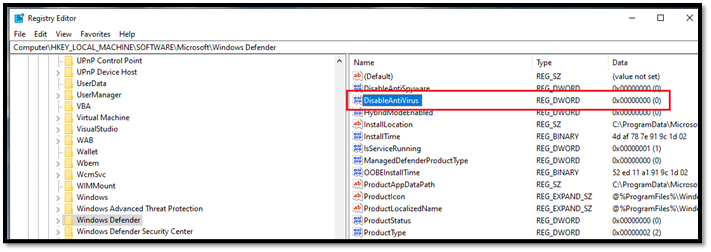
Step 4. Restart the computer for changes to take effect
This will most likely ensure your Windows Defender runs again.
Fix 5. Run a System Scan & DISM Repair
Windows 10's DISM (Deployment Image Servicing and Management) is a built-in tool that scans and repairs errors in the operating system, including Windows Defender. To use it, you can run the command "DISM /Online /Cleanup-Image /RestoreHealth" in Command Prompt as an administrator, which will scan and download necessary files to fix any issues with Windows Defender.
Step 1. Press Windows+R and type CMD, then Open As Administrator.
Step 2. In CMD type "DISM /Online /Cleanup-Image /CheckHealth"> Let the scan run.
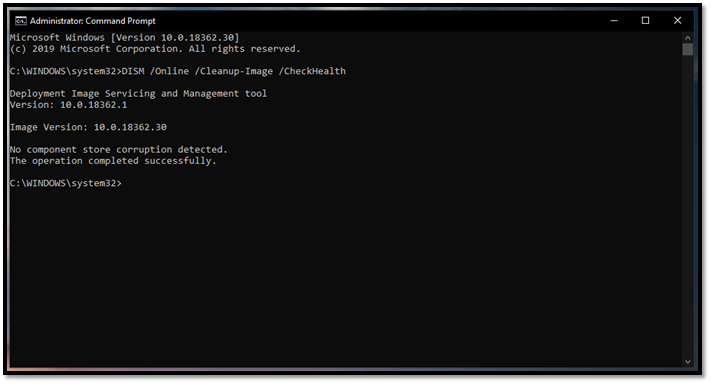
The tool will scan for Windows Defender errors, then download and fix corrupted files, resulting in a message saying "No component store corruption detected" since our computer didn't have any issues.
Fix 6. Update the Operating System
If your Windows isn't up-To ensure your system is up-to-date, you can check for Windows updates by going to Start > Settings > Update & Security > Windows Update, and then clicking on "Check for updates." If updates are available, you can download and install them. Additionally, you can enable automatic updates by toggling the switch to the "On" position under "Update options." This will ensure that your system receives updates automatically.
Step 1. To check for updates on Windows, go to System Settings, then Update & Security, and click on Check for updates.
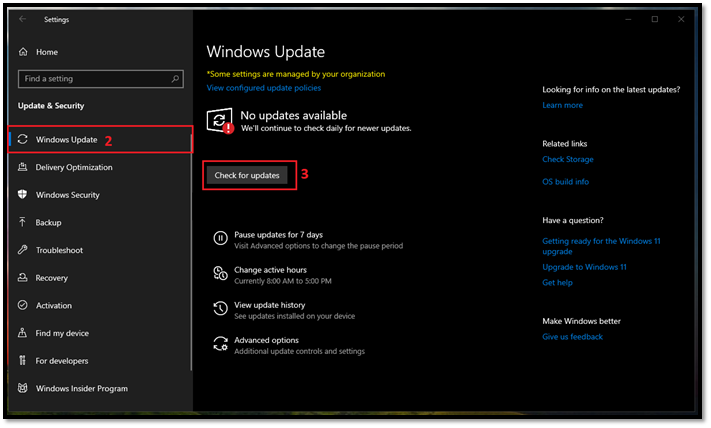
Step 2. Let the update run and wait for it to prompt for a restart. This will ensure that the update is properly applied and the system is in a stable state before proceeding.
Run the Windows Defender troubleshooter to resolve the issue. This will scan your system for any problems and fix them automatically.
Fix 7. Try a Clean Boot
A clean boot allows Windows to start with minimal programs running in the background, giving you a fresh start. You can achieve this by using the Task Manager or System Configuration. In the Task Manager, go to the Startup tab, right-click on any unnecessary programs, and select "Disable". Alternatively, open System Configuration, go to the Startup tab, and uncheck any unwanted programs.
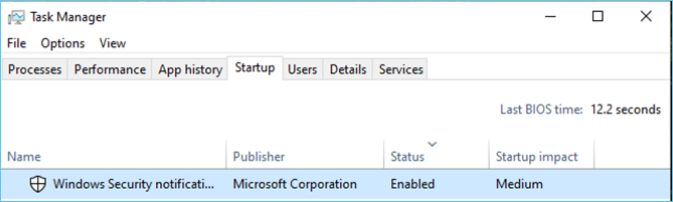
Step 1. Right-click on the taskbar, select Task Manager, and then click on the Startup tab.
Step 2. Disable all the unnecessary applications except Windows Defender.
To set up your system configuration, you'll need to access the System Configuration utility. This can be done by booting your computer in safe mode, accessing the System Configuration utility, and then configuring your system settings. The specific steps may vary depending on your operating system and computer model, so it's a good idea to consult your user manual or online documentation for more information.
Step 1. Press Windows+R, type msconfig in the run command, and go to the Services tab.
Step 2. Check "Hide all Microsoft services", click "Disable all", then click "Apply" and "OK".
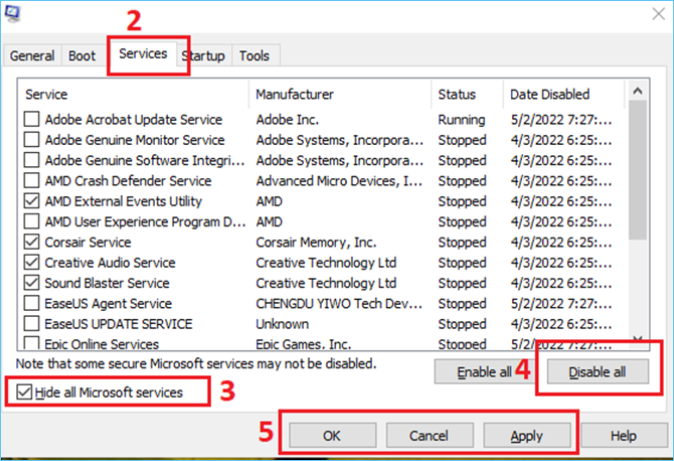
Step 3. Restart your computer
To ensure only Windows Defender starts up after booting up Windows, you can disable any other antivirus software that may be running, and then configure Windows Defender to start automatically. This can be done by going to the Start menu, typing "Windows Defender" and clicking on it to open it, then clicking on the "Virus & threat protection settings" option.
Dual Protection: Keep Your Data Intact Even Viruses and Other Threats
Once Windows Defender is running again, you can rest assured that your data is safe from viruses and other threats. While Windows Defender protects your computer, it's also a good idea to back up your important data. To do this efficiently, consider using a third-party tool like Qiling Backup, which stands out as the most efficient backup creator among its peers.
Qiling Backup protects your data from malicious content by creating a unique security zone called the Qiling security zone. This feature keeps your files secure from external threats, while Windows Defender safeguards your computer. The Qiling security zone is designed to be unrecognized by viruses, ensuring the safety of your important data.
You can rest assured that your data will remain unaffected even if your computer is attacked by viruses, as Qiling Backup protects it. To learn how to use Qiling Backup, you can follow the steps below.
Step 1. Select Backup Contents
To select backup contents, click the "File backup" button on the main window, allowing you to choose from backing up individual files, entire disk or partition, the operating system, or emails.
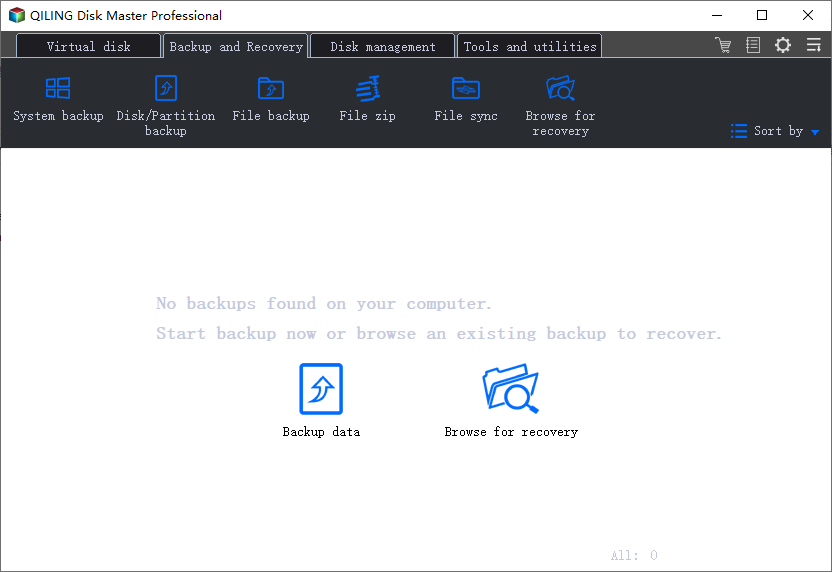
Step 2. Local and network files will be listed on the left, allowing expansion of directories to select files for backup.
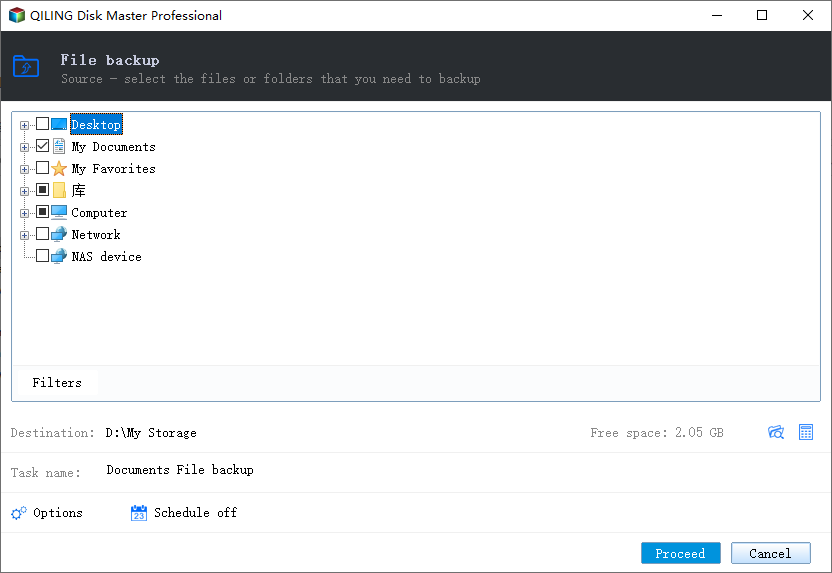
Step 3. Follow the on-screen guide to select the destination where you want to save the backup.
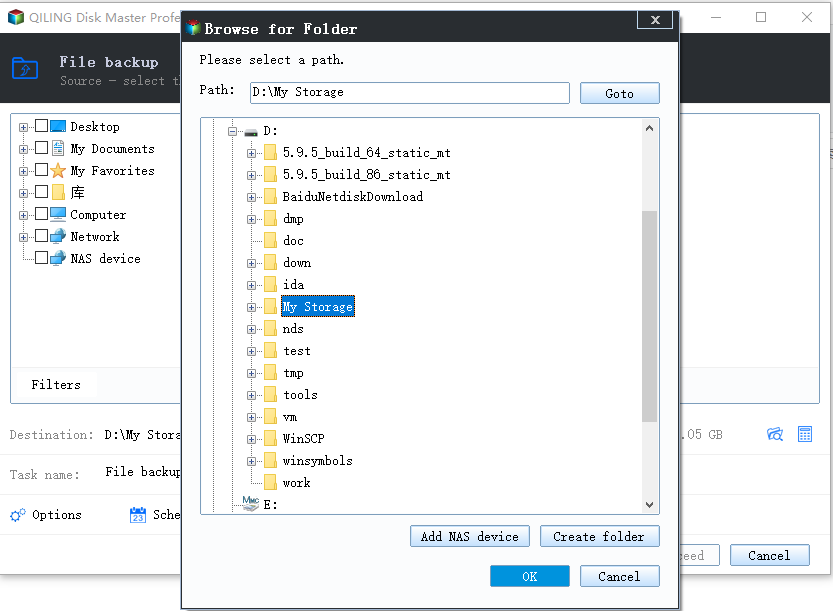
Step 4. To encrypt the backup with a password, click on "Options" in the "Backup Options" section. This will allow you to customize the backup task and explore other available options.
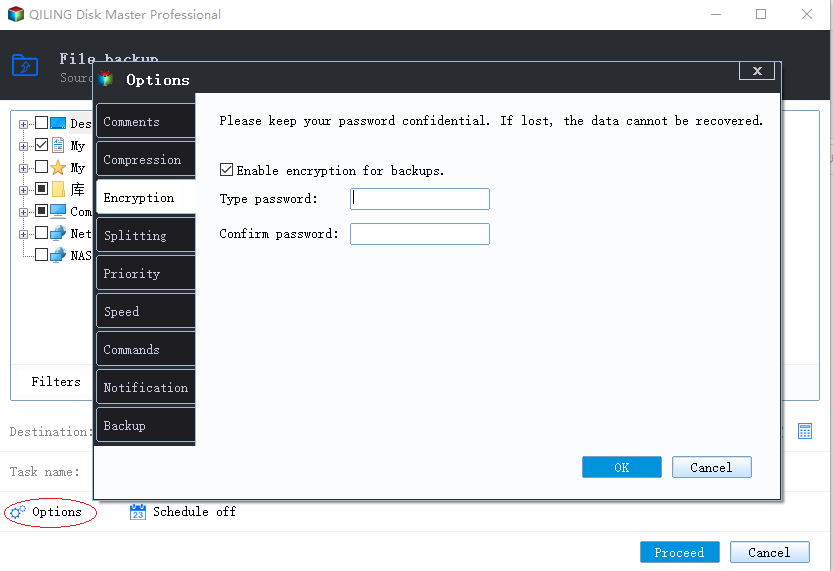
In the "Backup Scheme" section, you can set the backup schedule and choose to start backing up at a specific event. This allows you to automate your backups and ensure they occur at regular intervals, or at a particular point in time, such as when a certain event occurs.
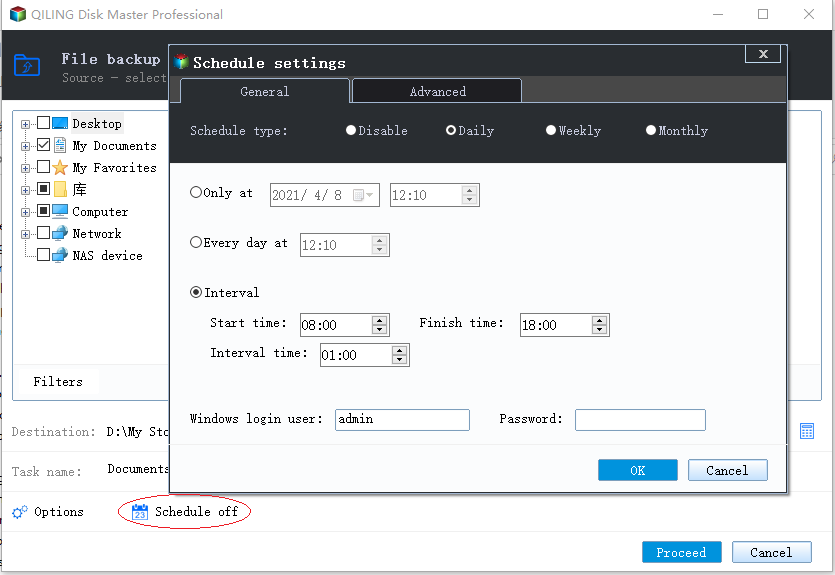
Step 5. You can store the backup to your local drive, Qiling's cloud service, or NAS.
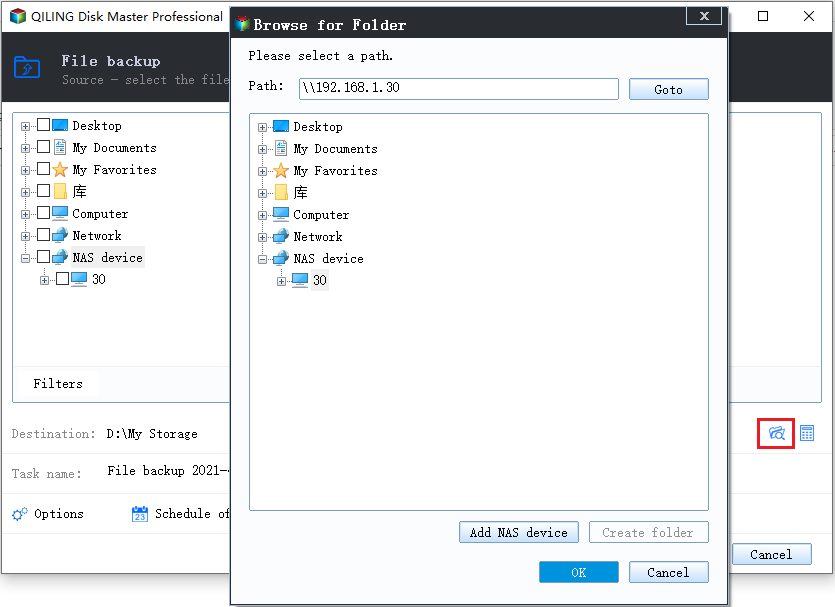
Step 6. Qiling Backup allows users to save their data to both external cloud drives and its own cloud storage system.
To back up data to a third-party cloud drive, select Local Drive, scroll down to add a Cloud Device, add and log in to your account.
Conclusion
To ensure your computer's security, you can make Windows Defender work again by following the necessary steps. Additionally, consider using Qiling Backup to safeguard your files in case Windows Defender stops working, providing an extra layer of protection for your digital assets.
Related Articles
- Windows 10 System Restore from Boot [Windows Tips]
- Windows 11 Download - How to Get the Windows 11 22H2 ISO File
- What Is HP Cloud Recovery And How To Use It?
- [Download] Windows 10 Recovery Tool for 32 Bit and 64 Bit
- How to Transfer and Play Windows 10 Games on Windows 11
If you're buying a new PC and want to transfer and play Windows 10 games on Windows 11 seamlessly, you can do so without reinstalling. Windows 11 offers native support for gaming and an enhanced experience, making it easy to transition from Windows 10. - How to Transfer Apex Legends to Another PC or Hard Drive
If you are looking for a complete way of transferring Apex Legends to another PC or hard drive, stay here. On this page, we'll show you how to effectively transfer Apex Legends to another new computer or hard drive with ease.
Products
Articles & Tutorials
- Data Recovery
- Data Backup
- File Recovery
- File Backup
- System Backup and Restore
- Disk and Partition Clone
- Technical articles
- Mobile articles
- Disk Master Help
- Windows Data Recovery Tutorials
- Windows Secure Delete Tutorials
- Windows Partition Management Tutorials
- Windows File Backup and Restore Tutorials
- Windows System Backup and Restore Tutorials
- Windows Disk Backup and Restore Tutorials
- Windows Clone Tutorials