Folllow 4 Ways to Fix External Hard Drive Files Not Showing on Mac
Your external hard drive is likely not being recognized by your computer, which is why you're not hearing the usual USB connection sound. The power light illuminating indicates that it's receiving power, but the lack of recognition suggests a potential issue with the drive or the connection. You might want to try unplugging and replugging the drive, or checking the drive's connections and cables to ensure everything is secure and functioning properly. If the issue persists, it could be worth checking the drive's compatibility with your computer or updating your computer's USB drivers to see if that resolves the issue.
External hard drives are widely used to store data in the gigabyte range, but sometimes they can go unrecognized or fail to appear on a Mac. This can be frustrating, especially if you're a student, entrepreneur, or professional who relies on the drive to access vital files. Fortunately, there are ways to resolve this issue, and this post will address the causes, provide solutions, and offer guidance on how to recover data from unrecognized external hard disks, helping users avoid the risk of losing critical information.
* Related post: SSD not showing up on Mac
Why can't see files on an external hard drive on Mac?
External hard drives can sometimes stop showing files, even if the files are still present, due to various reasons such as file system corruption, incorrect drive configuration, or issues with the operating system.
- 1. Accidental deletion occurs when files are deleted by mistake, often due to user error or a software glitch.
- 2. The operating system sometimes hides files, making them inaccessible on an external hard drive. This could be due to unintentionally hidden files or the system hiding sensitive files by default to keep things simple.
- 3. The file system on an external hard drive is corrupted, preventing files from being visible and accessible by the computer system.
- 4. Users on new Apple Silicon M1 Macs and macOS Big Sur may experience issues with the NTFS disc driver, which can cause external hard drives to be read-only. This is due to the different architecture of the M1 Mac, which can affect the functionality of the NTFS driver.
- 5. Your external hard drive could be infected with a virus or attacked by malware that hides, deletes, or encrypts its files, making them inaccessible.
External hard drive files not showing on Mac can be caused by several factors, but don't worry, most of these issues are easily fixable and files can be recovered. In the next part, we'll get straight to work on resolving this issue.
Solutions to make external hard drive files showing up
When confronted with such a situation, most users act like ants on hot bricks. First and foremost, take a deep breath and relax as you are unable to determine the precise cause; please try the below solutions one by one to fix this error.
- Solution 1. Repair with Disk Utility
- Solution 2. Run First Aid
- Solution 3. Repair driver issue
- Solution 4. Show files with data recovery software
79% of people prefer using the software method to tackle the external hard drive not showing files issue on Mac. This suggests that users find software solutions more effective and convenient than other methods when dealing with this specific problem.
Solution 1. Check whether the external hard drive is mounted in disk utility
If you can't see files on your external hard drive on your Mac, first check to verify if the external drive is visible in Disk Utility and mounted. To do so, open Disk Utility, select your external drive from the left-hand sidebar, and click the 'Mount' button at the top. If the drive is not visible in Disk Utility, try unplugging and replugging it to reset the connection. If the drive is still not visible, try restarting your Mac.
Step 1: First navigate to "Applications," then click on "Utilities" and tap on "Disk Utility."
Step 2: If the drive is displayed in the sidebar, you can mount it by clicking the Mount button at the top of the window or the Mount button next to the drive.
You can now see all of the files on the external hard drive in Finder and on the desktop.
Solution 2. Check external hard drive issues with First Aid
The First Aid tool is more beneficial than your computer's internal disk. It can also see the hard disk when connected to a Mac via an external source. If you're having trouble acquiring the correct mount for your external HDD or SSD storage, try First Aid to see if it can assist.
Step 1:To access the Disk Utility, go to your System Preferences, click on the "Disk Utility" button.
Step 2: Now highlight the external hard drive and select "First Aid."
Step 3: Next, you will be asked if you want to run it on the media, then just hit on the "Run" button.
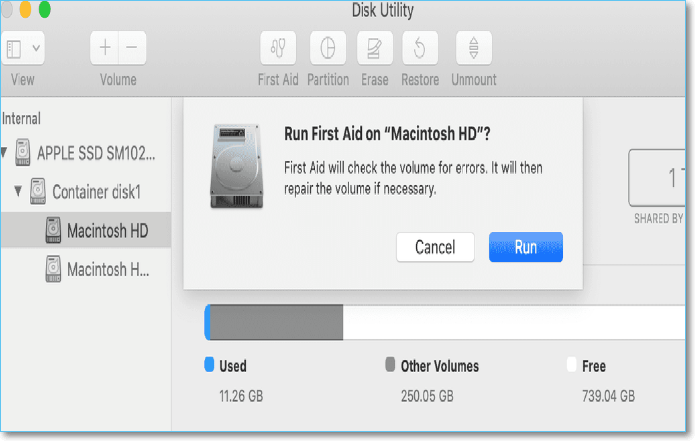
If your external drive doesn't mount on your Mac, try running the Disk Utility app, which can help identify and fix any issues. To do this, go to Applications > Utilities > Disk Utility. Select the external drive in the sidebar, then click on the "First Aid" button. If any errors are found, you'll be notified and prompted to fix them.
Solution 3. Try to update or reinstall the driver for the external hard drive
If your computer's audio is not working properly, you can try updating or reinstalling the audio driver as a potential solution. This issue can arise in two main situations: either the audio driver is outdated and needs to be updated, or it needs to be completely reinstalled. In the first scenario, you can try updating the driver through the Device Manager or by downloading the latest version from the manufacturer's website.
- Following a new macOS upgrade, namely the current macOS Big Sur 11 release.
- The switch from an Intel Mac to an M1 Mac.
If you're having trouble accessing files from an external hard drive on your Intel-based Mac running macOS Big Sur 11, you can try updating to the latest version, specifically 11.4, which resolves many existing issues.
If you can't read, view, or write files or folders on an NTFS external hard drive using an Apple Silicon M1 Mac, you'll require NTFS for Mac software that is compatible with the M1 Mac.
Solution 4. Try to scan external hard drive files with data recovery software
If the external hard disc not detected Mac issue persists, you can try using Deep Data Recovery for Mac to recover lost data from your hard drive. This software can also detect devices that your Mac did not recognize and extract data from various devices, including media players, cameras, USB drives, and HDD/SSD. It is a safe and reliable solution with a high success rate. To use it, you'll need to follow the steps provided.
Step 1. To recover data from your external hard drive on a Mac, correctly connect the drive to your computer, then launch Deep Data Recovery for Mac and choose the file types you want to recover. Click "Fast Scan" to begin the recovery process.
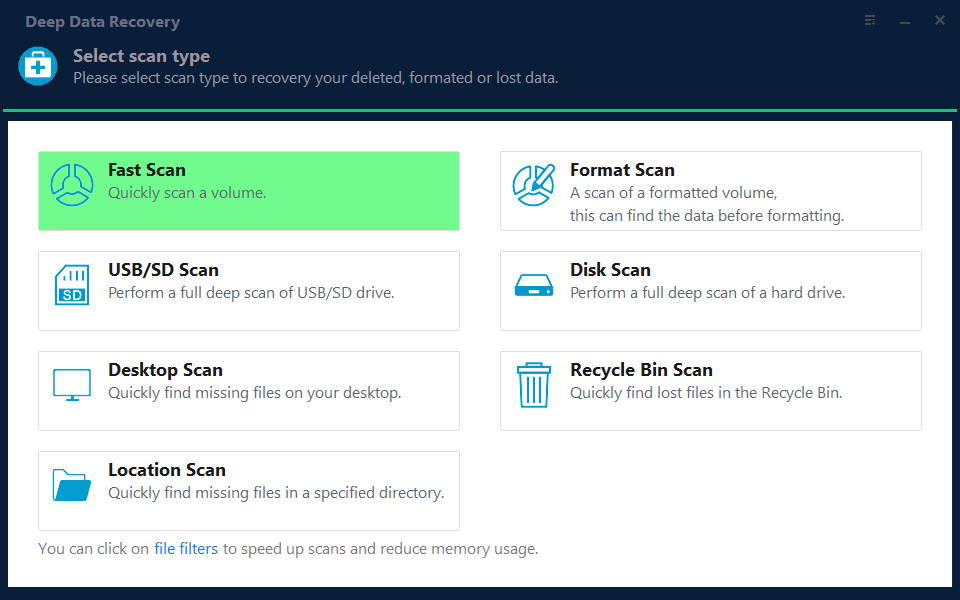
Note: You can choose different search modes based on where and why the data was lost.
Step 2. To recover lost files from an external disk, select the disk and click "Scan" to initiate the file search process.

Step 3. After scanning, all files will be displayed in the left panel of the scan results, including those found after a quick scan and a deep scan.

Step 4. The process involves selecting the desired files to recover and clicking the "Recover" button. It's crucial to avoid saving the recoverable files to the external hard drive, as this could lead to data overwriting.
External hard drive files not showing on a Mac is a common issue, but it can be resolved with a few methods. If you're experiencing this problem, you can try the suggested solutions to get your files back. Additionally, if you've lost data from an external device, you can use Deep Data Recovery for Mac to quickly recover it. This software has a user-friendly interface that makes it easy to recover any volume of deleted data on Mac.
Related Articles
- Does Updating macOS Delete Everything? No...but Yes!
- Solved: Restore Data from Unmounted External Hard Drive on Mac
- How to View Pictures from SD Card on MacBook
- How to Find External Hard Drive on Mac In Case It's Working but Not Showing Up
- Microsoft Word Has Stopped Working [9 Useful Fixes]
If Microsoft Word has stopped working or won't open a document on your Windows 10/8/7 computer. You can use the methods on this page to resolve the issue, and also use Qiling file repair to easily repair and recover deleted Word files. - Missing File Headers? We Can Resolve the Header Missing Case
To fix the header missing error, use the best manual options in the guide provided, or run the Qiling file repair tool for file repair to fix corrupted Word, Excel, PowerPoint, and PDF files with header-related issues.
Products
Articles & Tutorials
- Data Recovery
- Data Backup
- File Recovery
- File Backup
- System Backup and Restore
- Disk and Partition Clone
- Technical articles
- Mobile articles
- Disk Master Help
- Windows Data Recovery Tutorials
- Windows Secure Delete Tutorials
- Windows Partition Management Tutorials
- Windows File Backup and Restore Tutorials
- Windows System Backup and Restore Tutorials
- Windows Disk Backup and Restore Tutorials
- Windows Clone Tutorials