Seagate Hard Drive Not Showing Up on Mac? Fix It!
Seagate external hard drives are known for their speed and reliability, making them ideal for storing music, videos, photos, and important documents. However, sometimes they may not work in Mac systems, and when this happens, it's essential to understand the underlying reasons. Common issues include connection failure, and before troubleshooting, it's helpful to know that Seagate external hard drives usually get detected automatically when connected to a Mac system. If your Seagate external hard drive is not showing up on your Mac, it's likely due to one of these reasons, and the next step would be to explore solutions to resolve the issue.
- Logical Failure: Some of the logical failures include virus attacks, accidental formatting, corruption, and more.
- Physical Damage: Your Seagate external hard drive's USB port can be damaged in various situations, and the risk of complete hard drive damage is also high due to factors like overheating and water damage.
Finding the exact cause of a Seagate external hard drive not showing up on a Mac can be a daunting and tedious process. However, by following various methods and steps, you can rectify the problem and use your external hard drive without hassle.
Simple Check Your Seagate External Hard Drive
Sometimes the Seagate hard drive does not show up on Mac because of simple reasons. Either the connection might be lost, or your Mac system might not be able to recognize the hard drive. Here are some of the simple checks you must do to ensure that your Seagate external hard drive is not damaged from inside.
- Re-Plug: When you first plug in your external Seagate hard drive, it may not work. Try re-plugging it and check the connection status.
- Change Another USB Port or Cable: Seagate external hard drive connection issues on Macs can sometimes be caused by faulty USB connection cables or Mac ports. To troubleshoot the problem, users are advised to check the Mac ports and swap out the hard drive cables to see if that resolves the issue.
- Test the External Hard Drive on Another Computer: To determine if a connection failure is due to hard drive damage or a Mac system issue, test the Seagate external hard drive on another computer. If it works properly on another system, check your Mac's configuration.
- Restart Your Mac:If the external hard drive doesn't work, try restarting your Mac and re-connecting the hard drive.
If your external Seagate hard drive is not showing up on Mac after trying simple solutions, check advanced steps such as updating Mac's operating system, resetting the System Management Controller (SMC), and using the Terminal to reset the drive's permissions, and if necessary, reformat the drive to resolve the issue.
Fixing Seagate External Hard Drive Not Showing Up on Mac
To fix the issue of a Seagate hard drive not being visible on a Mac, users can try various advanced steps and methods. These methods include a list of troubleshooting procedures that can be followed to resolve the problem.
Method 1. Changing Preference Settings in Finder
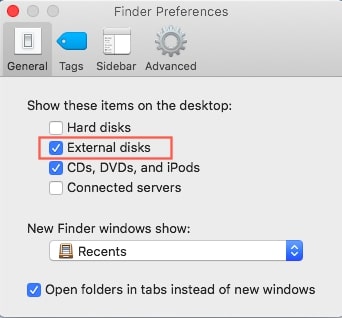
If your Seagate external drive is not visible on Mac, you can resolve the issue by changing the preference settings in the Mac finder. To do this, go to Finder > Preferences > General, and ensure that the "External disks" option is selected. This will allow your Seagate external drive to be visible on your Mac.
Step 1. To access the Sidebar option, navigate to the Finder on your Mac and click on the Preferences tab. From there, you can select the Sidebar option to view and customize its settings.
Step 2. To show Seagate external hard drives in Finder, simply click on the 'External Disk' icon in the 'Sidebar'.
Step 3. Go back to the General Tab and check on the External Disks under Show These Items on the Desktop.
Step 4. Once you follow the steps, your connected Seagate external hard drive will appear on the Mac desktop.
Method 2. Mounting External Hard Drive Using Disk Utility
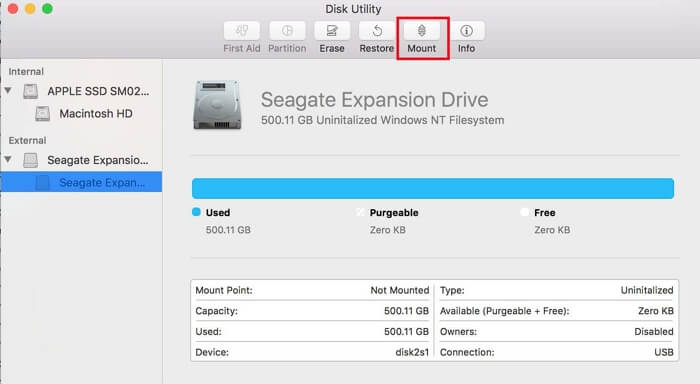
If your Seagate external hard drive is visible in the disk utility, you can breathe a sigh of relief as it likely has no serious issue. In most cases, mounting the Seagate hard disk makes it accessible, and the operating system usually automatically mounts the hard drive when you plug in the USB. If your Seagate hard drive is unmounted, you can manually mount it by following the steps below.
Step 1. Open the Disk Utility tab.
Step 2. Once the tab is opened, right-click on the external drive in Disk Utility and choose Mount, or click the 'Mount' button on top of the window.
Method 3. Running First Aid to Repair Seagate External Hard Drive
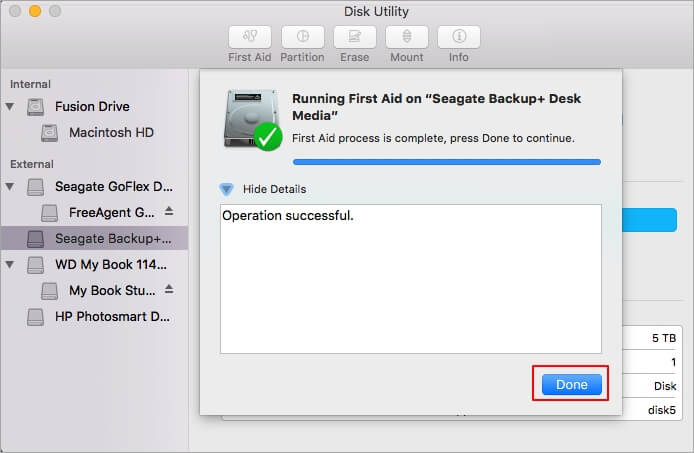
If your Seagate external drive isn't appearing on your Mac, even after manually mounting it with Disk Utility, it may be due to disk errors. To resolve this, you can use the built-in 'First Aid' tool to repair your Seagate external hard drive. This can be done by following a series of steps to restore the drive's functionality.
Step 1. To find the Other Option, navigate to the Launchpad icon on the Dock, which is usually located at the bottom of the screen, and search for it.
Step 2. Find Disk Utility and open it.
Step 3. Select the unmountable Seagate external hard drive and choose First Aid at the top.
Step 4. Click on Run to repair the hard drive.
Method 4. Reformatting Seagate External Hard Drive to a Mac-Supported File System
If First Aid fails to repair your Seagate external hard drive, it's recommended to reformat it. To reformat the external hard drive to a Mac-supported file system, you can follow these steps:
Step 1. Connect the Seagate external hard drive and open the Disk Utility from the Launchpad icon.
Step 2. To erase your Seagate hard drive, select it from the list of connected devices, then click on the "Erase" button.
Step 3. Edit the hard drive name and select a format that would work with your Mac system.
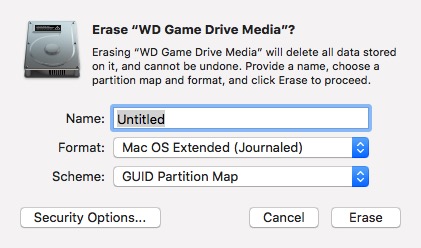
Step 4. Once you have selected the format system, click on the Erase button.
Step 5. Click on Done and finish the process.
Users are advised to back up their crucial data before reformatting a Seagate external hard drive to avoid any complications.
How To Recover Data From Seagate External Hard Drive on Mac
Some connection failures of a Seagate external hard drive can result in data loss, but the Deep Data Recovery for Mac software can help. This data recovery software, by Qiling, supports various types of recoveries, including formatted recovery, OS crash recovery, and raw recovery, and allows users to recover over 250 different file types. To recover data from a Seagate external hard drive, users simply need to follow three easy steps, after which the recovery process will begin.
Step 1. To recover data from your external hard drive on your Mac, correctly connect the drive to your computer, then launch Deep Data Recovery for Mac, choose the file types you want to recover and click "Fast Scan" to start the process.
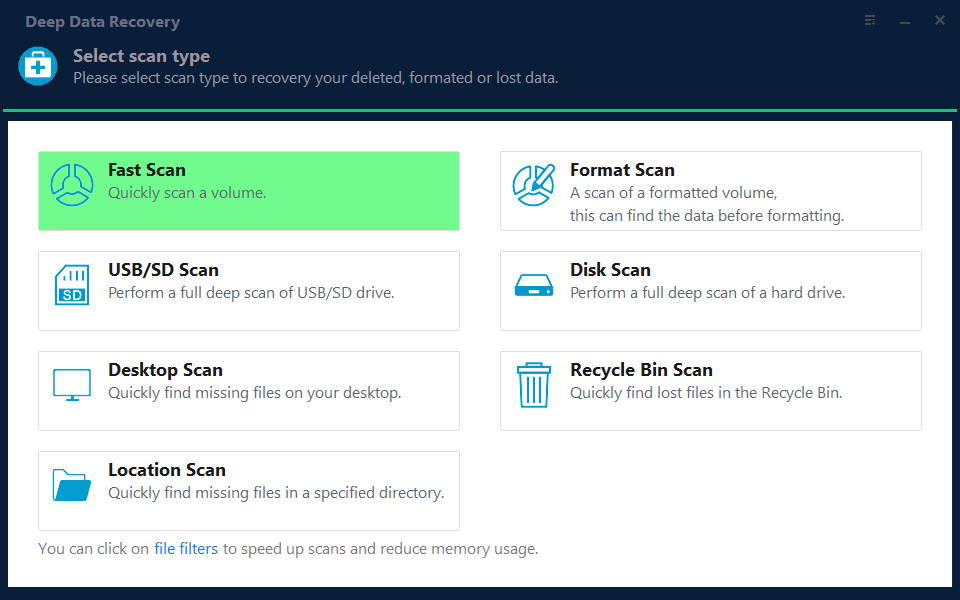
Note: You can choose different search modes based on where and why the data was lost.
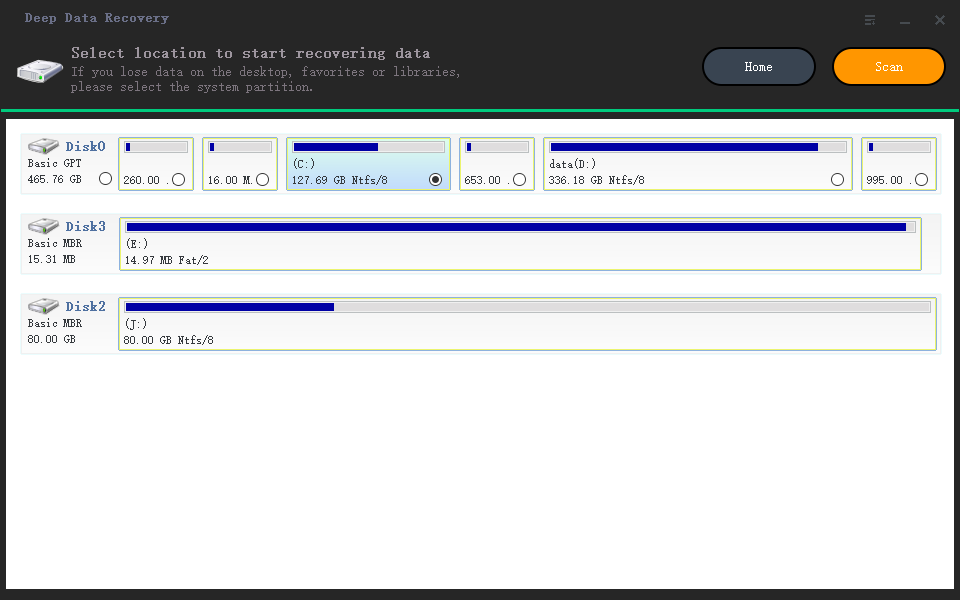
Step 2. To recover lost files from an external disk, select the device and click "Scan" to initiate a thorough search for any recoverable files.
Step 3. All files will be presented in the left panel after a quick scan and deep scan, displaying the scan results.
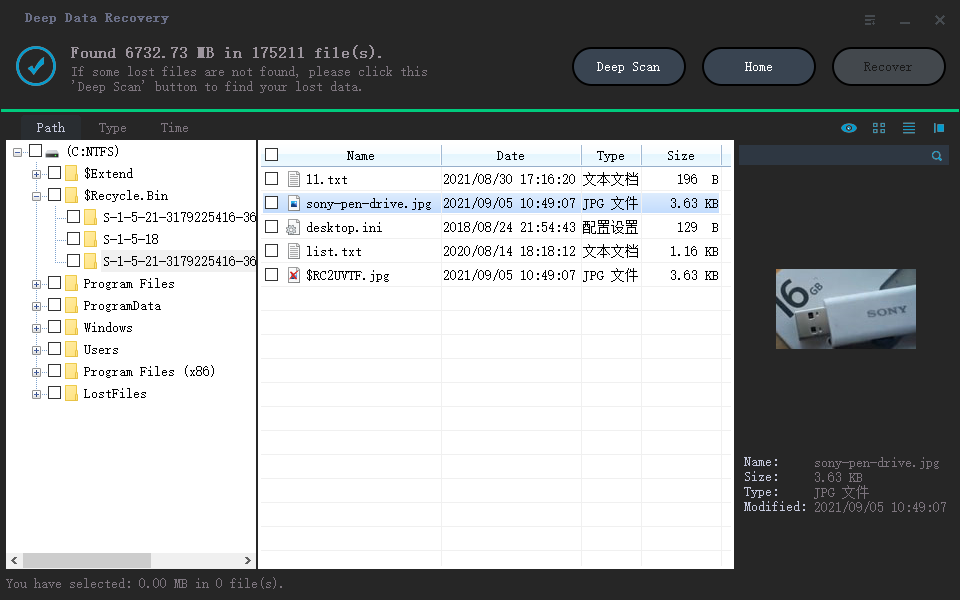
Step 4. Select the files you want to recover and click the "Recover" button. Avoid saving the recoverable files to the external hard drive to prevent data overwriting.
Conclusion
If your Seagate external hard drive isn't showing up on your Mac, there are several possible reasons and solutions. Fortunately, there are various methods to troubleshoot the connection issue, and if you do lose data during the process, you can use a data recovery tool like Deep Data Recovery to get your important files back.
Related Articles
- How Recover Deleted or Unsaved InDesign Files on Mac
- How to Recover Files on Mac after Shutdown in 4 Ways
- Repair and Recover Your Corrupted SD Card on Mac
- Mac Partition Recovery | Recover Deleted/Lost Partition on macOS/Mac OS X
- How to Recover Deleted Files SSD in 2 Ways
If you've deleted files from your SSD and want to recover them, there are two effective methods to do so. You can use SSD file recovery software to recover deleted files in three steps, or recover deleted files from the recycle bin with ease. Both methods can help you undelete files from your SSD. - CMD File Recovery - Recover Deleted Files Using Command Prompt
Accidentally deleted files or lost data from a USB flash drive, hard drive, or SD card on Windows 10/8/7? You can recover deleted files using the Command Prompt or Qiling data recovery software.
Products
Articles & Tutorials
- Data Recovery
- Data Backup
- File Recovery
- File Backup
- System Backup and Restore
- Disk and Partition Clone
- Technical articles
- Mobile articles
- Disk Master Help
- Windows Data Recovery Tutorials
- Windows Secure Delete Tutorials
- Windows Partition Management Tutorials
- Windows File Backup and Restore Tutorials
- Windows System Backup and Restore Tutorials
- Windows Disk Backup and Restore Tutorials
- Windows Clone Tutorials