Recover Lost Mac Data with iMac Data Recovery Utility
Losing business files, photos, or videos from your Mac or Windows computer can be very depressing. If you've lost important data on your iMac, you may wonder if there's a way to recover it. Fortunately, Qiling can help you recover your lost files, including videos, from your iMac.
What to Do After iMac Data Loss
To minimize data loss on your iMac, it's essential to know some recovery tips. Data loss can occur due to various reasons such as software updates, hardware failures, or accidental deletion, resulting in the loss of precious files like pictures, videos, and emails.
- Stop using your iMac unless you have fully get those deleted data back.
- Back up your Mac regularly
- Recover data from iMac as soon as possible
How to Recover Data from iMac Hard Drive (Free)
To recover Mac data from your iMac hard drive, minimize usage to prevent overwriting the data you want to rescue. Choose an efficient Mac data recovery software, such as Deep Data Recovery, to recover your lost iMac data in a few simple clicks.
Highlights:
- Recover any file format from any Mac-based device
- First and only T2-secured Mac data recovery software
- Retrieve lost things from a formatted or raw device
- Recover the files you drag to the Trash and delete them by accident
To recover lost data from your iMac, start by downloading and installing Qiling Mac data recovery software. If your Mac won't boot, create a bootable media to recover your iMac data. This will allow you to access and retrieve your lost files. With Qiling Mac, you can easily recover your data and get back to work.
Steps to recover lost data from iMac with iMac data recovery utility:
Step 1. Launch Deep Data Recovery, select the desired file types, and click "Fast Scan" to initiate the recovery process.
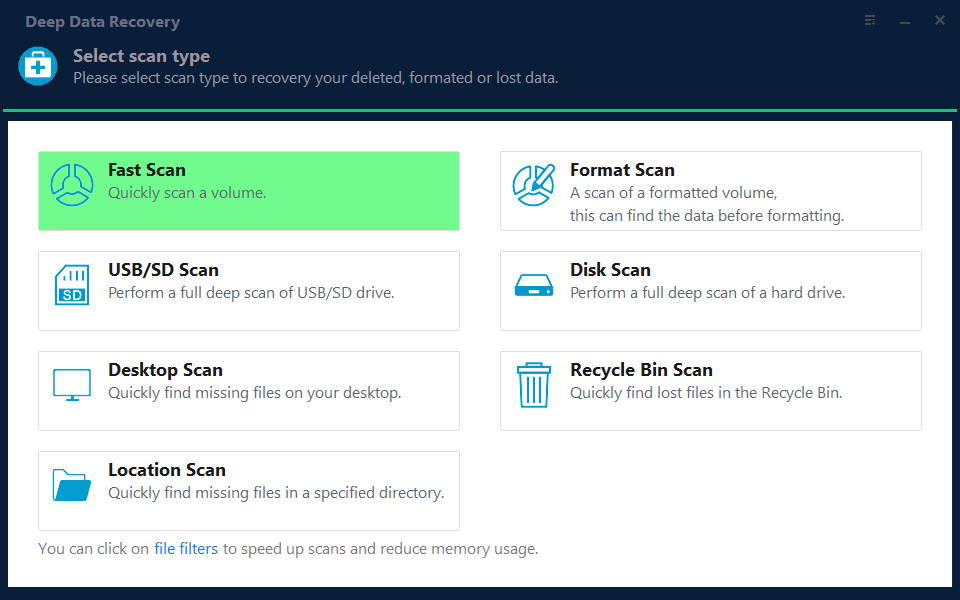
Note: You can choose different search modes based on where and why the data was lost.
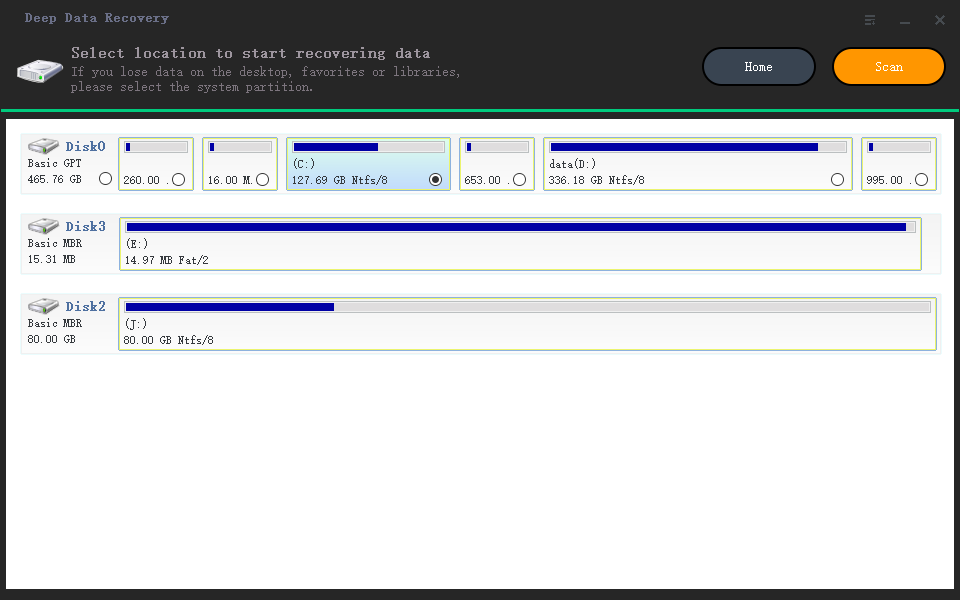
Step 2. Select the disk location where you lost data and click the "Scan" button.
Step 3. Deep Data Recovery for Mac scans the selected disk volume and displays the scanning results on the left pane.
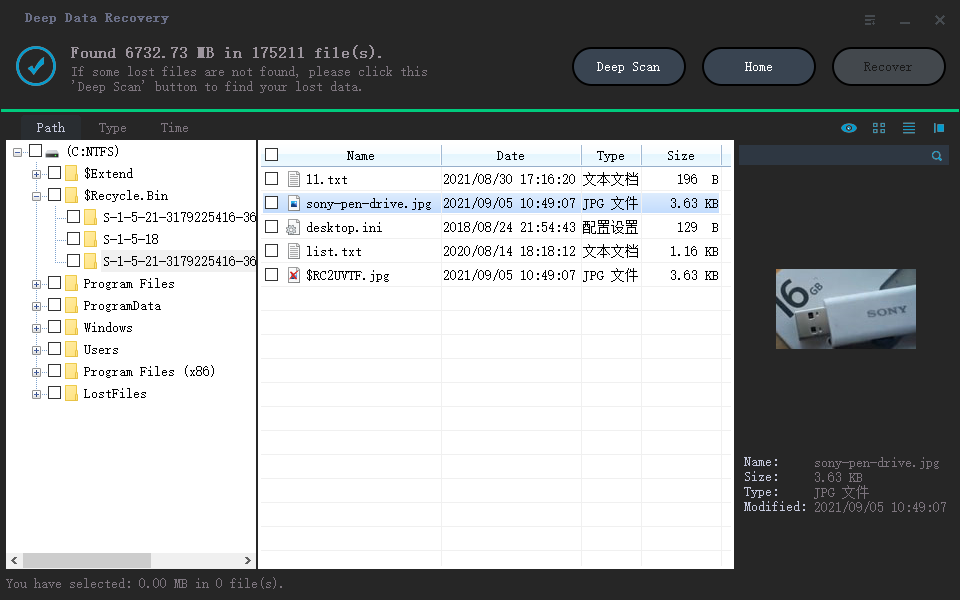
Step 4. To recover the selected file(s), select them in the scan results and click the "Recover" button. This will restore the files to their original location.
Reasons Why My iMac Data Are Missing
While Mac systems are generally known for their reliability and safety, data loss can still occur on these devices. Data loss on a hard drive can happen due to various reasons, and understanding these causes can help prevent such incidents in the future.
1. Physical Issues. (cannot recover data from iMac)
Water damage, heavy drops, and other accidents can cause drive heads to crash and spindle motors to fail, leading to potential data loss and damage to the hard drive.
2. Corrupted Files. (have the chance to recover lost data)
A sudden system shutdown due to a power outage or forced restart can result in corruption of system files.
3. Logical Issues. (have a chance to try)
- Catalog File Corruption
- Failures in Re-sizing Volumes
- Journal File Corruption
4. Accidental Human Errors. (can recover data)
Mac data loss can occur due to user error, such as accidentally deleting files, formatting the hard drive, or emptying the Trash.
How to Avoid Mac/iMac/MacBook Data Loss
Prevention is better than cure. To avoid potential issues, it's always best to take proactive steps. This can include things like regularly maintaining equipment, following safety protocols, and being mindful of one's surroundings.
- Back up Data Regularly.
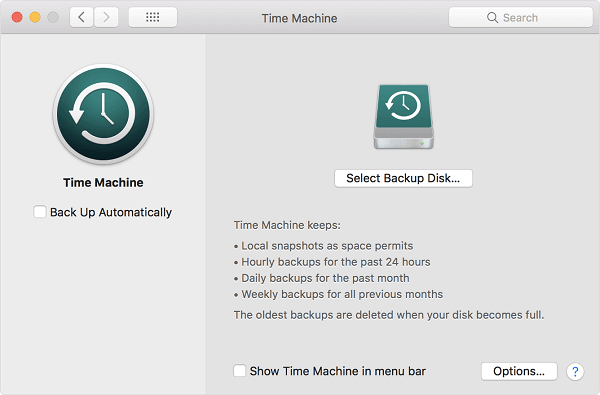
Data recovery on iMac is easy if you regularly back up data to an external backup drive using Time Machine. This process allows you to easily restore your iMac's contents in case of a system failure or other issues, making it a crucial step in maintaining your computer's integrity. By following the steps to back up your iMac data with Time Machine, you can ensure that your important files and settings are safely stored and can be quickly restored if needed.
Step 1. Connect an external storage device to your Mac.
Step 2. Select "Use as Backup Disk" in the pop-up window, or go to System Preferences > Time Machine, click "Select Backup Disk" and choose your external drive, reformatting if necessary.
Step 3. Then Time Machine will back up your Mac automatically.
- Be Careful Before You Deleting Any Files.
Make sure that these files are no more useful in the future.
- Turn on Data Protection Function.
Conclusion
If you lose data on your Mac device, don't worry - you can recover it with Qiling Mac data recovery software. This tool easily retrieves data from various storage devices, including your Mac's hard drive, external hard drives, SD cards, and USB flash drives. To avoid data loss in the future, be sure to make a backup of your important files.
Mac Data Recovery Frequently Asked Questions
The recovery process will depend on the type of data you are trying to recover, the type of storage device it is on, and whether you have a backup of the data. If you have a backup, you can simply restore the data from the backup.
Is Mac Data Recovery Free?
Free Mac data recovery software from Qiling allows users to recover lost data in just three steps: automated scan, preview, and one-click recovery. The software can help recover up to 2GB of data, and is a useful tool for those who have lost important files.
Does Apple do data recovery?
Apple does have the tools to recover data, but it's not part of their service package and they don't officially offer data recovery services, but may save data onto an external drive in some cases.
What is the best data recovery software for Mac?
Top 5 Best File Recovery Software for Mac
- Deep Data Recovery
- Stellar Data Recovery Professional
- Disk Drill (Professional)
- Data Rescue 5
- Ontrack EasyRecovery
How do I get data off a Mac that won't boot?
To recover data from a dead Mac:
Step 1. Create a bootable disc.
Step 2. Run Qiling from the bootable disc
Step 3. Select the disk location where you lost data and click the Scan button.
Step 4. To recover the selected file(s), click on the "Recover Now" button in the scan results. This will restore the file(s) to their original location.
Related Articles
- 100% Working Qiling Data Recovery Key and License Code for Mac
- Know All: The Latest Mac OS Update in 2022
- Will Formatting My Mac Make It Faster | Here is Answer
- Mac USB Recovery: Recover Deleted Files from USB Flash Drive
- Free Download the USB Data Recovery Software Full Version
Download Qiling USB data recovery software full version to easily retrieve lost files from a USB flash drive and other storage devices like SD cards or digital cameras. - Free | How to Recover Files from Formatted USB/Pen Drive
This tutorial will guide you through the process of recovering data from a formatted USB drive or pen drive. Follow the steps to safely recover files or data from a formatted USB flash drive or pen drive under Windows 10/8/7.
Products
Articles & Tutorials
- Data Recovery
- Data Backup
- File Recovery
- File Backup
- System Backup and Restore
- Disk and Partition Clone
- Technical articles
- Mobile articles
- Disk Master Help
- Windows Data Recovery Tutorials
- Windows Secure Delete Tutorials
- Windows Partition Management Tutorials
- Windows File Backup and Restore Tutorials
- Windows System Backup and Restore Tutorials
- Windows Disk Backup and Restore Tutorials
- Windows Clone Tutorials