Will Formatting My Mac Make It Faster?
| Workable Solutions | Step-by-step Troubleshooting |
|---|---|
| 1. Why Does Your Mac Run Slow? | There are several reasons that your Mac runs slow...Full steps |
| 2. Why Should You and How Can You Format Mac |
The reasons behind why you format your Mac device are many...Full steps |
| 3. Other Tips to Speed Up Your Mac | If you're not ready to format your Mac device but want to increase its speed, there are ways to do that...Full steps |
| 4. Problems You May Encounter After Formatting | After the formatting of the Mac, users may encounter a few common issues that need to be addressed...Full steps |
When using your Mac, it's essential to format it periodically to maintain its performance. Unlike other devices, Macs require formatting after a certain time interval to free up space, remove unwanted items, and make it run faster. As a Mac user, formatting your device is a necessary step to keep it running smoothly, and it's not a complex process. By formatting your Mac, you can provide it with the necessary care and maintenance to ensure it continues to run efficiently and effectively.
Before considering formatting your Mac to make it faster, it's essential to understand the underlying reasons behind its slow performance. There are several factors that can contribute to a sluggish Mac, including a cluttered hard drive, outdated software, and excessive cache buildup. Additionally, a Mac's performance can be impacted by malware, viruses, and other security threats, as well as hardware issues such as a failing hard drive or outdated graphics card. By identifying and addressing these potential causes, you may be able to breathe new life into your Mac without resorting to a full system format.
Mac is slow! Easy Fixes in 2022
If you're wondering why your Mac is slow, what's causing the slowdown, or how to fix it, this post is here to help.

Why Does Your Mac Run Slow?
If you've noticed that your Mac is running slow, there may be several issues at play. Potential reasons for the slowdown include a variety of factors, such as.
- You have stored resource-Heavy applications running in the background can slow down your Mac, especially when you forget to uninstall them after they're no longer needed. This is because unused apps continue to run in the background, consuming system resources and impacting your device's performance.
- A buildup of unwanted items, including app cache, junk files, and system registries, has taken up valuable hard drive space on your device, slowing down its speed.
- Upgrading the hardware and software is necessary as the new system software model offers better performance, outshining the outdated version, and ultimately enhancing the overall performance of the Mac device.
- There's a slow power-The older Mac version had a power-up button, which after years of use, would sometimes take a while to shut off.
Mac's performance can be sensitive to system issues, so it's best to address any slowdowns promptly to prevent further damage and maintain optimal performance.
Why Should You and How Can You Format Mac
Formatting your Mac device can be necessary for a better performance index, with reasons including the need to remove malware, clean up cluttered storage, and restore the operating system to its original state, allowing for a fresh start and improved system speed.
- The old Mac version is not compatible with new applications, and upgrading its performance formatting could be the best option.
- Formatting a Mac can clear out all the junk, cache, and unwanted files, giving the system a fresh start, similar to how formatting a hard drive can remove unused files and folders on a PC.
- Formatting your Mac can help remove corrupted files and folders that are slowing down your computer's performance, allowing you to start fresh and free up space.
- Formatting the hard drive will free up lots of space on your Mac, as it will erase all data and files, and it will also increase the speed of your Mac by removing any unnecessary files and data.
- Before selling or getting rid of an old Mac, it's a good idea to format the hard drive to erase all personal data. However, make sure to back up any important files or data to an external drive or cloud storage before doing so, to avoid losing any valuable information. This ensures a clean slate for the new owner while keeping your sensitive data safe.
Formatting your Mac can help improve its overall system performance, but it's essential to back up all your data before starting the process. To format your Mac, you'll need to follow a few steps, and it's recommended to perform a factory reset to prevent data loss. This will ensure that your device is restored to its original state, and you won't have to worry about losing any important files or information. By taking these precautions, you can efficiently format your Mac and enjoy a smoother and faster user experience.
How can You format your Mac device?
Here are the steps you can follow while you want to format your Mac.
Step 1: Unlink all the third-party apps you bought iTunes Store, iBook Store, or App Store.
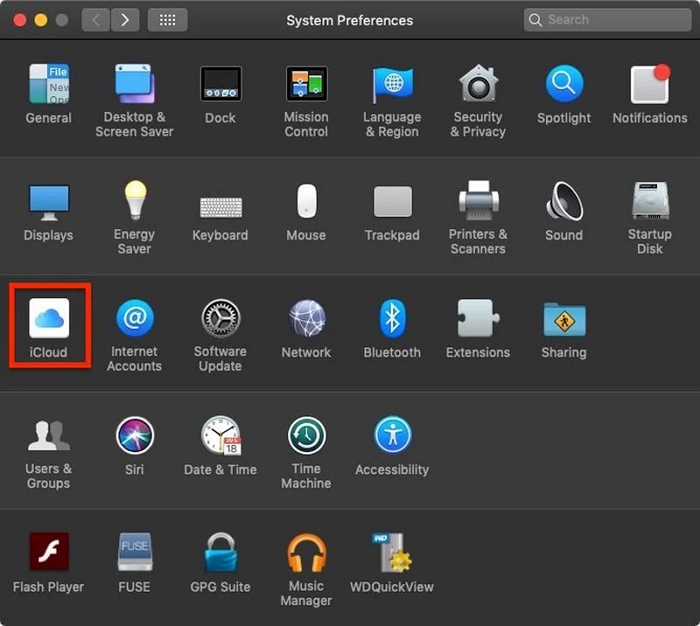
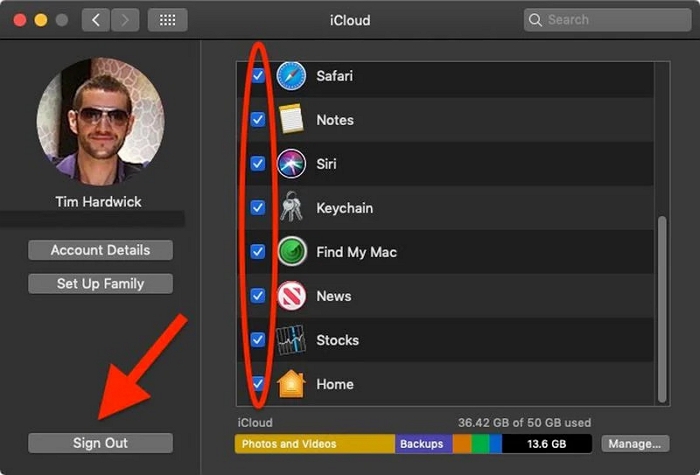
Step 2: Sign off from iCloud and disable the Find My Mac option.
Step 3: To restart your Mac, click the Apple symbol in the top left corner of the screen and choose Restart.
Step 4: Tap on Restart.
Step 5: Press the Command and R keys together until you hear the Mac tone indicating a reboot. Then, select your language and country or region.
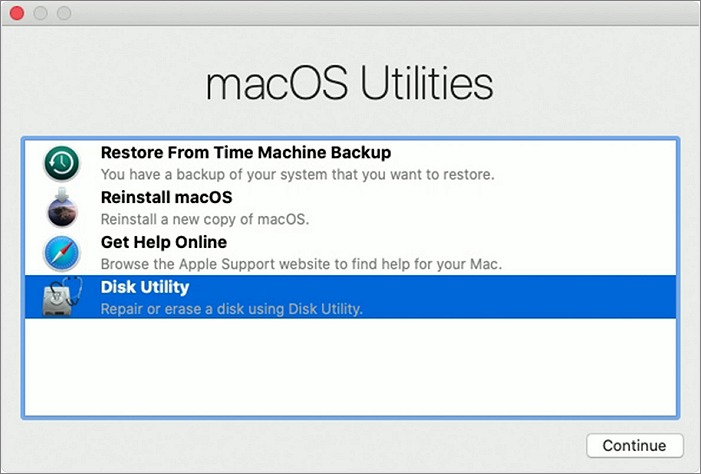
Step 6: Click on Disk Utility as soon as the utility screen appears.
Step 7: Next select Mac's system drive named Macintosh HD. next, hit the Erase button.
Step 8: Next, choose the Format option Mac Extended (Journaled) or APFS.
Step 9: Confirm the action and wait until it gets finished. Tap on Erase.
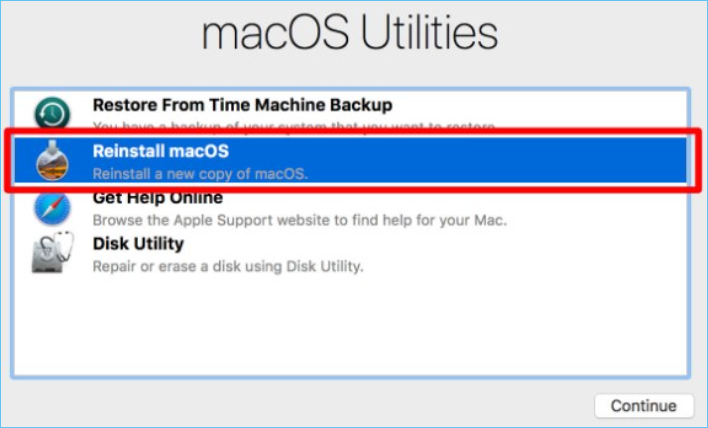
Step 10: Now close Disk Utility, and click on Reinstall Mac OS.
Step 11: You need to follow the installation prompts, allow the procedure and continue until you see the Setup Assistant appear.
Step 12:Hold the Command + Q keys on your keyboard to shut down your Mac device.
Formatting your Mac device can make it faster by deleting all data and reinstalling the operating system, which can help improve performance by removing unnecessary files and programs. This process can also help resolve issues related to a slow Mac, such as a cluttered hard drive or outdated software. However, it's worth noting that formatting your Mac will erase all data, so it's essential to back up your important files and information before proceeding. After formatting, you can restore your backed-up data or reinstall your operating system from scratch, and your Mac device should be ready to use again.
Other Tips to Speed Up Your Mac
If you're not ready to format your Mac device but want to increase its speed, there are alternative ways to do that. You can try to boost its speed by following a few tips, allowing you to skip the long steps of formatting and still get a speed boost.
To avoid formatting your precious MacBook, it's essential to be cautious when dealing with your device's formatting options. Always make sure to back up your important files and data to an external hard drive, cloud storage, or both, to prevent losing your precious memories and files.
- Maintain a regular clean up system files and documents process
- Manage the Startup programs
- Delete unused Apps
- Run macOS system update
- Upgrade the RAM
- Swap your HDD for an SSD
- Detect and remove the Demanding Processes
- Decrease the Visual Effects
To speed up your Mac device, follow these steps regularly: clean up your hard drive by deleting unnecessary files, shut down unnecessary apps, disable animations, and update your operating system to the latest version. You can also use the Activity Monitor to identify and quit resource-intensive apps, and consider upgrading your RAM or storage to improve performance. Additionally, consider using a solid-state drive (SSD) to replace your traditional hard drive, and enable the "Optimize Storage" feature to free up space on your device.
Problems You May Encounter After Formatting
After formatting a Mac, users may encounter several common issues, including problems with storing data and opening applications. Additionally, issues like Apple ID recognition and application installation may arise, potentially leading to data loss, retrieval challenges, or even permanent loss.
You can hire a professional to help you with the issues you're experiencing with your program. This will allow you to get back to running the program smoothly.
Repair Your Data from Formatted Mac with Qiling Data Recovery software
When you format your Mac and want to keep it, you can repair it and seek professional help like Deep Data Recovery for Mac. If you forgot to back up your data and formatted it, Qiling data recovery can help you retrieve your lost data by scanning and previewing all recoverable files.
Formatting your Mac can lead to data loss, which can be devastating. However, with the right tool, you can recover your lost data. The tool offers various functionalities, such as scan mode, file filter, file preview, bootable media, data protection, and recovery to Cloud, making it easier to retrieve your lost data. If you're considering formatting your Mac to make it faster, be aware of the potential consequences and take necessary precautions to protect your data.
Let's dive into the advanced features that help restore Mac data and boost its speed.
- Its functional programming can be used to recover deleted files, photos, video, backup, and other types of data.
- Recover lost data due to system crash, backup, format, hardware failure, human error, or sudden shutdown.
- The core recovery functions include scan mode, file filter, file preview, bootable media, data protection, and recovery to Cloud.
- Perform thorough data recovery from formatted hard drives on Mac.
- If you need technical support, our team is here to help during the operation. We'll provide responsive assistance to ensure everything runs smoothly.
The highly effective tool is compatible with macOS 12.3 and its previous versions, allowing it to scan Mac devices and recover essential data.
To retrieve important files that are misformatted, follow these steps: 1) identify the misformatted file, 2) try to open the file with a software that is compatible with its format, 3) if the file still doesn't open, try to convert it to a different format using a file conversion tool, and 4) if the file still can't be opened, try to recover the data from the file using a data recovery software. If you are unable to access the file, you can also try to contact the person who created the file or the organization that provided the file for assistance.
Step 1. Launch Deep Data Recovery. Select the desired file types and click "Format Scan" to initiate the recovery process.
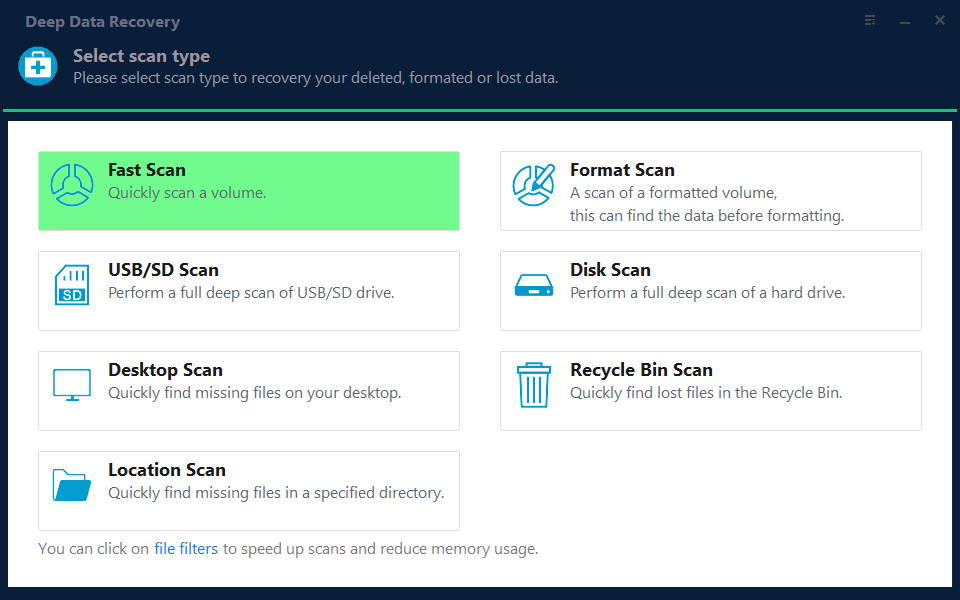
Note: You can choose different search modes based on where and why the data was lost.
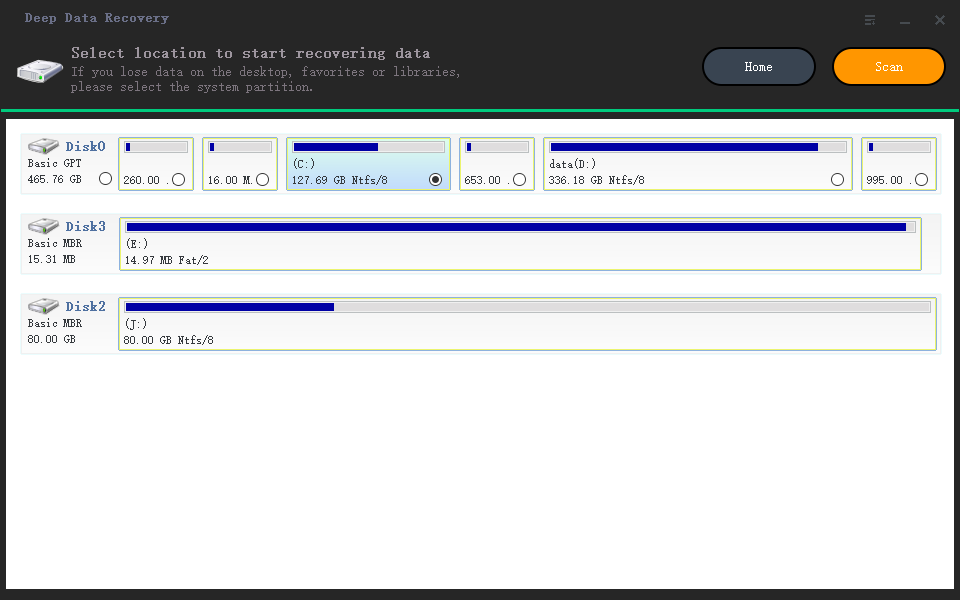
Step 2. Select the disk location where you lost data and files, then click the "Scan" button.
Step 3. Deep Data Recovery for Mac will immediately scan your selected disk volume and display the scanning results on the left pane.
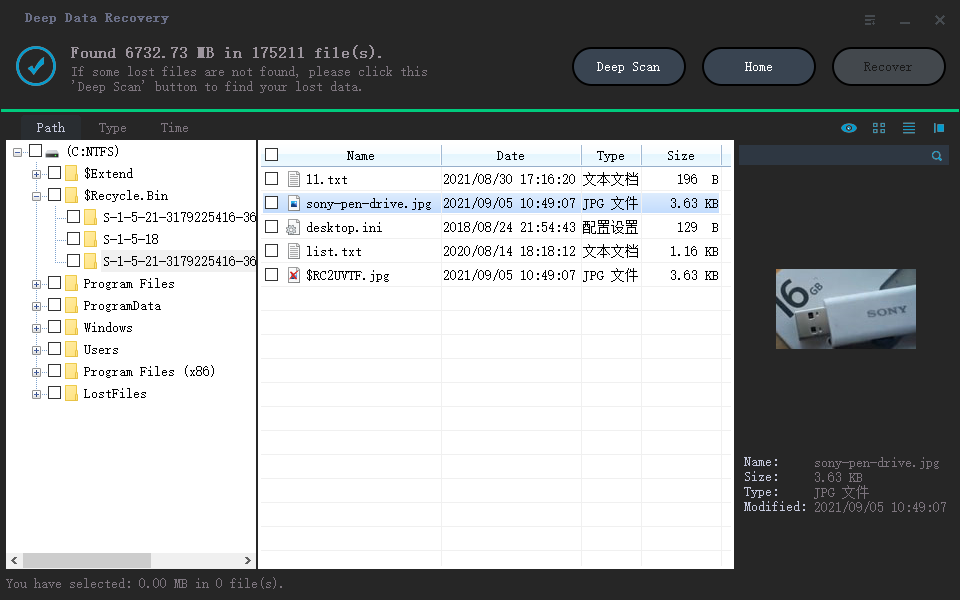
Step 4. To recover the selected file(s) from the scan results, click the "Recover" button next to them. This will restore the files to their original location.
Conclusion
Formatting your Mac device can have severe consequences, but taking precautionary measures and using a tool like Deep Data Recovery for Mac can help prevent data loss and recover data if anything goes wrong.
Related Articles
- PowerPoint Recovery on Mac: Recover Lost/Unsaved PPT Files
- Multiple Choices - Fix macOS Can't Repair the Disk
- Recover Files from a Dead/Crashed iMac with Qiling Data Recovery
- Mac Video Repair | How to Repair Corrupt MOV, MP4 Files
- [Solved] Double Click Won't Open Files Windows 11/10/8/7
If you're experiencing issues with opening folders by double-clicking in Windows 10, 8, 7. You can use a reliable data recovery tool to recover files or folders if the desktop folders won't open or folder not opening issue persists. - How to Format USB Drive without Losing Data
If your USB drive becomes corrupt, raw, or inaccessible, you can recover your data before formatting it. Formatting a USB drive without losing data is possible, and this page provides a guide on how to do it.
Products
Articles & Tutorials
- Data Recovery
- Data Backup
- File Recovery
- File Backup
- System Backup and Restore
- Disk and Partition Clone
- Technical articles
- Mobile articles
- Disk Master Help
- Windows Data Recovery Tutorials
- Windows Secure Delete Tutorials
- Windows Partition Management Tutorials
- Windows File Backup and Restore Tutorials
- Windows System Backup and Restore Tutorials
- Windows Disk Backup and Restore Tutorials
- Windows Clone Tutorials