How to Connect iPhone to Windows 11
Quick Navigation:
- How to Connect iPhone to Windows 11 Using a USB Cable
- How to Connect iPhone to a Windows 11 PC via iPhone Transfer Software
- How to Connect iPhone with Windows 11 via iTunes
- How to Connect iPhone to Windows 11 Using iCloud
- How to Connect iPhone to Windows 11 for Screen Mirroring
- The Bottom Line
To connect an iPhone to a Windows PC, you'll need a combination of hardware and software support, with various methods available depending on your specific needs. This can involve using a USB cable, iTunes, or specialized iPhone transfer software, among other tools.
How to Connect iPhone to Windows 11 Using a USB Cable
To connect your iPhone to a Windows 11 PC, simply use a USB cable, which allows you to charge your iPhone and transfer photos and videos. However, this method is limited to transferring only photos and videos from your iPhone to the PC, and does not support transferring other file types or sharing files from the PC to your iPhone.
To connect an iPhone to a Windows 11 PC:
Step 1. Prepare a USB cable that works properly.
Step 2. Connect the iPhone to the PC with the USB cable.
Step 3. To unlock the iPhone and connect it to Windows, simply unlock the iPhone and click "Allow" in the prompt that appears. After that, ensure that your iPhone is recognized by Windows by checking the device list in the Windows settings or using a USB cable to connect it to the computer and verifying that it is detected.
Step 4. To access the photos on your iPhone, you can go to File Explorer, then click on "This PC," followed by "Apple iPhone," then "Internal Storage," and finally "DCIM."
Step 5. You can see all folders that contain your iPhone photos.
Step 6. Copy and paste the items you like from your iPhone to the Windows computer.

The Photos app on Windows allows you to import iPhone photos to a PC, in addition to File Explorer. After connecting your iPhone to Windows 11, Photos can access your iPhone and load the photos and videos from the Photos app. You can then choose to import all or select pictures from the iOS device to the Windows PC.
How to Connect iPhone to a Windows 11 PC via iPhone Transfer Software
To transfer data from your iPhone, you'll need a USB cable and a software tool like Qiling MobiMover, which allows you to transfer files such as photos, videos, music, contacts, and more between your iPhone and computer.
There are other things you can also do after connecting your iPhone to Windows 11 with both a USB cable and Qiling MobiMover, such as.
- Transfer files from one iPhone/iPad/iPod to another
- Back up and restore an iPhone/iPad/iPod touch
- Transfer WhatsApp messages
- Back up and restore WhatsApp messages and attachments
To transfer files from a PC to an iPhone:
Step 1. Connect your new iPhone to your PC via a USB cable and tap "Trust This Computer" on your device if a pop-up appears. Then, launch Qiling MobiMover and navigate to "PC to Phone" on the main interface. Click "Select Files" to start transferring files from your PC to your iDevice.
Step 2. To transfer files from your computer to your tablet, open Windows File Explorer, browse to the files you want to transfer, select them, and then click "Open" to initiate the transfer.
Step 3. To transfer files to your iPhone, you can add files by clicking "Add File" or dragging and dropping them into the designated area. Once you've selected the files you want to transfer, click "Transfer" to start the process. Keep your iPhone connected and wait for the transfer to complete. After the transfer is finished, open the corresponding app on your iPhone to access the synced data.
How to Connect iPhone with Windows 11 via iTunes
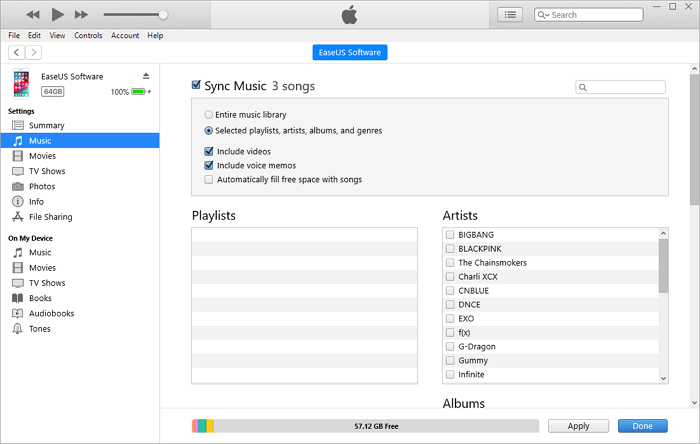
To sync files from a PC to your iPhone using iTunes, connect your iPhone to your Windows 11 PC with a USB cable or via Wi-Fi. As the official tool from Apple, iTunes offers two connection methods. You can either connect your iPhone directly to your PC with a USB cable or use Wi-Fi, where you need to first connect both devices with a USB cable and enable the "Sync with this iPhone over Wi-Fi" option. Once connected, you can use iTunes to sync files from your PC to your iPhone.
Step 1. To get started, download and install the latest version of iTunes on your PC. This will ensure you have the most up-to-date version of the software and can access all its features.
Step 2. To access the iTunes account on your computer, open iTunes and navigate to the "Account" section, then select "Sign In" and enter your Apple ID and password associated with your iPhone.
Step 3. Connect your iPhone to the PC using a USB cable, then on your iPhone, go to Settings > General > iPhone Storage > Trust This Computer, and select 'Trust' to allow the PC to access your device.
Step 4. Make sure your iPhone is visible in iTunes, then click the "Device" icon in the top-left corner of the window.
Step 5. To sync files from Windows 11 to your iPhone, click the category you want to sync, select the target items, and then click "Apply" to initiate the syncing process.
How to Connect iPhone to Windows 11 Using iCloud
If you want to connect your iPhone to Windows 11 wirelessly, you can use cloud-based services like iCloud, Dropbox, OneDrive, or Google Drive. These services allow you to access files across your devices as long as you're using the same account, eliminating the need for a physical USB connection. This means you can transfer files, photos, and more between your iPhone and Windows 11 PC without needing a USB cable.
iCloud is Apple's official cloud storage service, but you can use any cloud service you're comfortable with. If you're already familiar with another service, you can stick with it.
Step 1. To share content from your iPhone, turn on iCloud and enable the specific category you'd like to share, such as Photos.
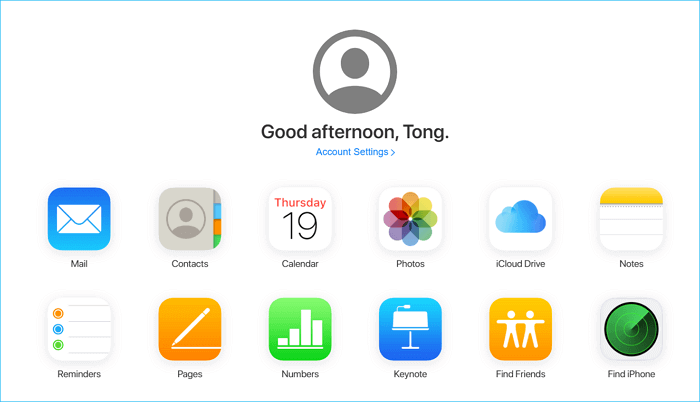
Step 2. On the Windows 11 PC, go to iCloud.com and sign in with your iPhone's Apple ID account.
Step 3. To access your iPhone files, click on the category you enabled on your iPhone, and you'll see your files appear. From there, you can download them from iCloud to your computer.
How to Connect iPhone to Windows 11 for Screen Mirroring
To mirror an iPhone screen to a PC, you'll need a screen mirroring app. The process typically involves downloading and installing the program on both your computer and iPhone, with steps varying depending on the specific tool you choose. This allows you to connect your iPhone to your PC for data transfer or to display your iPhone screen on your computer.
To connect your iPhone to Windows 11 for screen mirroring, search the Internet for screen mirroring apps, download and install one, and follow its user guide to get things done.
The Bottom Line
Connecting an iPhone to a PC running Windows can be achieved through various methods depending on your needs. For data exchange, you can use iTunes, Windows Explorer, or third-party apps like Qiling MobiMover. For screen mirroring, you can use AirPlay (built into Windows 10 and later) or third-party screen mirroring apps. If you prefer a wired connection, ensure you are using the official Lightning USB cable and that it works properly.
Related Articles
- Free HEIC Converter for Windows 10 (Desktop & Online)
- How to Put CDs onto iPod with or Without iTunes
- 2 Ways to Unpack Windows Backup File and Restore Individual Files
This tutorial offers you two solutions to unpack Windows backup file and restore individual files. You'll find an advanced backup tool to help you with individual file recovery. - Best User Profile Migration Tool for Windows 7/8/10
How to migrate user profile to new computer with Windows user profile migration tool in Windows 10, 8, 7? You will find 2 ways to perform profile migration wizard in this article: User State Migration Tool (USMT) and Qiling Disk Master.
Products
Articles & Tutorials
- Data Recovery
- Data Backup
- File Recovery
- File Backup
- System Backup and Restore
- Disk and Partition Clone
- Technical articles
- Mobile articles
- Disk Master Help
- Windows Data Recovery Tutorials
- Windows Secure Delete Tutorials
- Windows Partition Management Tutorials
- Windows File Backup and Restore Tutorials
- Windows System Backup and Restore Tutorials
- Windows Disk Backup and Restore Tutorials
- Windows Clone Tutorials