Windows 11 Slow? How to Improve Windows 11 Performance
| Workable Solutions | Step-by-step Troubleshooting |
|---|---|
| 1. Disable Startup Programs | Step 1: To access the Task Manager, press the "Ctrl + Shift + Esc" keys together on your keyboard. This will open the Task Manager window, where you can view and manage running processes, applications, and system resources. ..Full steps |
| 2. Turn off Fast Startup | Step 1: On the search icon, write "Control Panel" and click on it...Full steps |
| 3. Update Graphics Drivers | Step 1: To quickly access the Quick Start Menu, press the "Windows + X" keys on your keyboard. This will open a menu with options to launch the Task Manager, File Explorer, Command Prompt, PowerShell, and other utilities.Full steps |
| 4. Delete Temporary Files | Step 1: To open the "Run" dialog box, press the "Windows + R" keys together. This will open a small window where you can type a command or program name to execute.Full steps |
| 5. Run Windows Update | Step 1: To access the Windows Settings, press the "Windows + I" keys together. This will open the Settings app, where you can customize and manage various aspects of your Windows system, such as display settings, network connections, and more.Full steps |
Microsoft has released Windows 11, the successor to Windows 10, and its Windows Insider program is now available for developers. However, some users are experiencing slow performance after installing it, despite the new design and improved features it brings.
Windows 11 is not yet stable, so users may need to wait a few weeks or months to use it fully. However, some emerging issues have been reported, including slow boot or startup, fast battery consumption, and overheating of computers, which may affect the overall user experience.
If you're experiencing slow performance on Windows 11, this article can help. While OS problems may persist in the Windows Insider program, we'll explore effective ways to fix the issue of a slow boot on Windows 11. Let's get started!
Possible reasons for Windows 11 performing slow
Windows 11 is a major release of the Windows operating system, but if you're experiencing slow performance, there could be multiple reasons behind it. Even if your PC or laptop supports the latest Windows 11 version, it may still require extra hardware or resources to boost performance. Common issues that can lead to slow performance include inadequate hardware, insufficient resources, or other system-related problems.
- Issues with the hard disk
- Issues with the background running startup tasks
- System drive having low disk space
- Usage of HDD instead of SSD
- Outdated operating system
- Outdated graphics card drivers
- Conflicts in security programs
- Wrongly installed or corrupted Windows software
- Insufficient RAM
- PC or laptop with lower specification
Effective Ways to Speed Up Windows 11 Boot and Performance
To resolve Windows 11 slow boot issues, it's essential to identify the root cause, which could be due to various reasons such as outdated drivers, disk errors, or software conflicts. Once you've pinpointed the issue, you can apply effective troubleshooting methods to speed up your Windows 11. Follow these methods in order: follow the steps below. By doing so, you'll be able to resolve the slow performance issue and enjoy a smoother Windows 11 experience.
1. Disable Startup Programs
2. Turn off Fast Startup
3. Update Graphics Drivers
4. Delete Temporary Files
5. Run Windows Update Troubleshooter
6. Increase C drive space
7. Migrate Windows 11 to SSD
8. Go Back to Windows 10 and Wait for the Next Stable Windows 11
1. Disable Startup Programs
To fix the issue of a slow Windows 11 boot, disable unnecessary programs or applications from the Startup tab. This can help reduce the load time on your PC or laptop while booting it up. To do this, open the Startup tab, which can be accessed by typing "msconfig" in the Windows search bar, and then disable any unwanted applications or programs that are set to run at startup. By doing so, you can help eliminate the issue of a slow Windows 11 boot and improve your overall computing experience.
Step 1:To open the Task Manager, press the "Ctrl + Shift + Esc" keys together, which will immediately open the Task Manager on your computer.
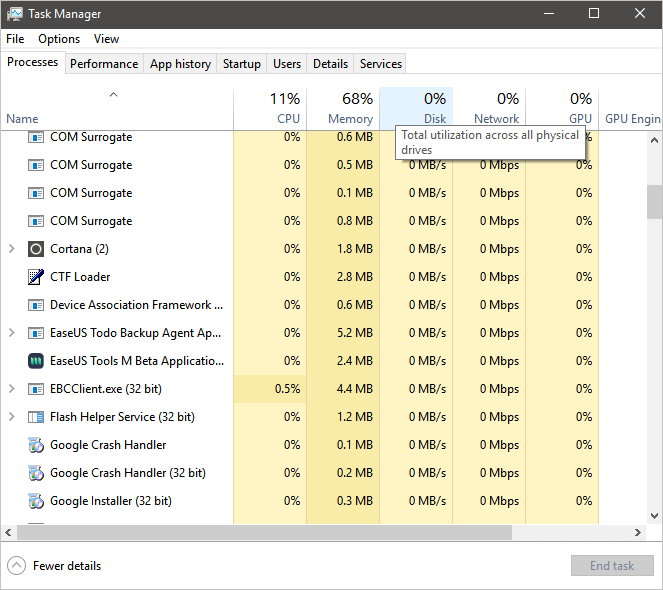
Step 2:To disable startup applications or services, go to the "Startup" tab, and select the ones you want to disable by clicking on them.
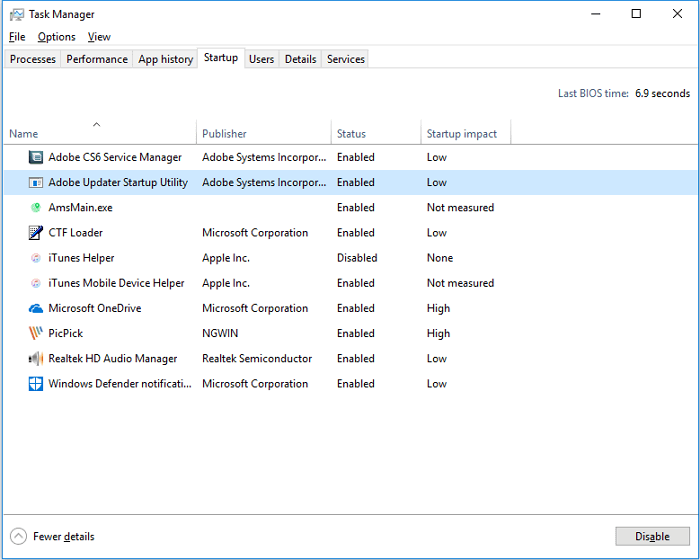
Step 3: Finally, click on the "Disable" button.
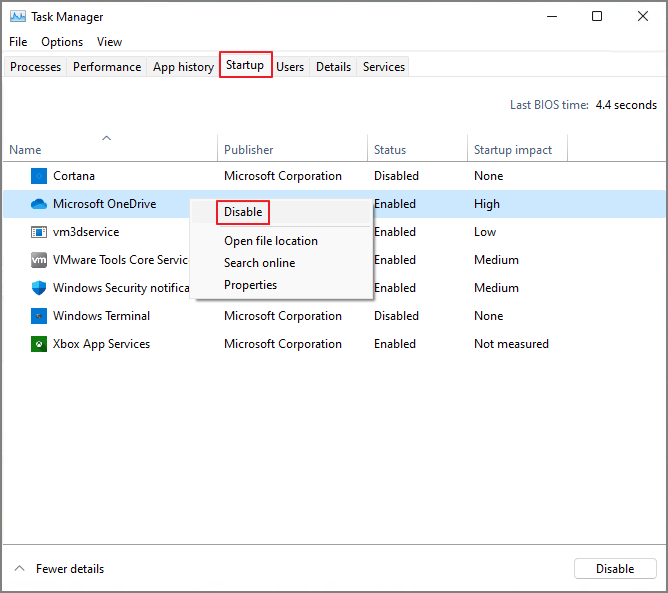
To resolve the issue of Windows 11 slow boot, disable unnecessary applications and programs, repeat the process for all, restart the computer, and check if the problem is resolved.
2. Turn off Fast Startup
Windows 11's built-in Turn on Fast Startup function can enhance boot-up timing, but it can also cause slow boot issues. To improve system performance, consider turning off the Fast Startup option, which can be done by following a series of steps.
Step 1: On the search icon, write "Control Panel" and click on it.
Step 2:To access the Power Options, you can either navigate to the Control Panel and click on "Hardware and Sound" > "Power Option" or search for "Power Options" in the Control Panel search bar. If you can't find the power option directly, you can also type "Power Options" in the search bar. This will take you to the Power Options window where you can adjust your power settings.
Step 3:To disable the fast startup option, go to the "Choose what the power button does" section and uncheck the box next to "Turn on fast startup" if it's enabled. This will turn it off.
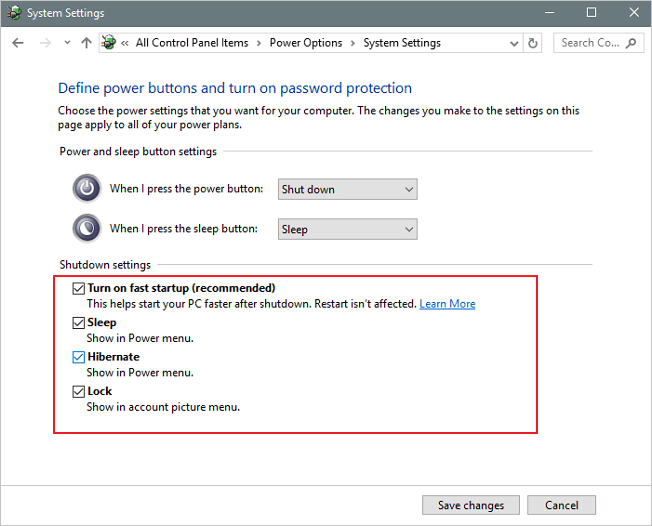
Step 4: Tap on the "Save Changes" option.
To fix the Windows 11 slow performance issue, simply restart your computer to see if it resolves the problem.
3. Update Graphics Drivers
To avoid Windows 11 slow performance caused by an old graphics card driver, update the graphics driver by going to the Start menu, typing 'Device Manager', and opening it. Then, expand the 'Display Adapters' section, right-click on the graphics driver, and select 'Update driver'. Alternatively, you can also go to the manufacturer's website, download the latest driver, and manually install it. This will ensure that your graphics driver is up-to-date, preventing slow performance issues in Windows 11.
Step 1:To quickly open the "Quick Start Menu" on your computer, press the "Windows" key and the "X" key at the same time. This will open a menu with various options, including the "Quick Start Menu".
Step 2:To access the Device Manager, tap on the "Device Manager" option, and then double-click on the "Display adapters" option.
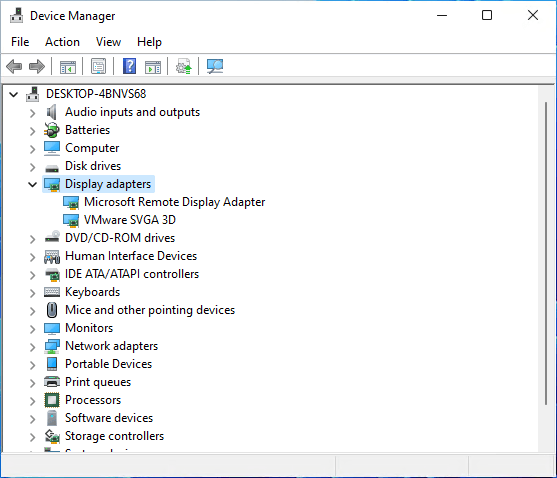
Step 3:Right-click on the graphics card you are running on your PC or laptop.
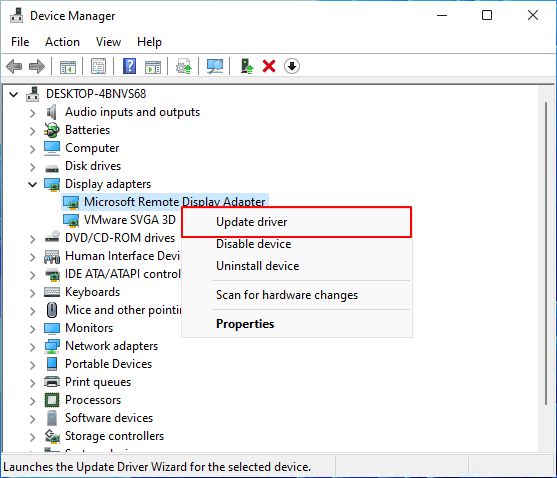
Step 4: Choose the "Update driver" option and select the "Search automatically for drivers" option.
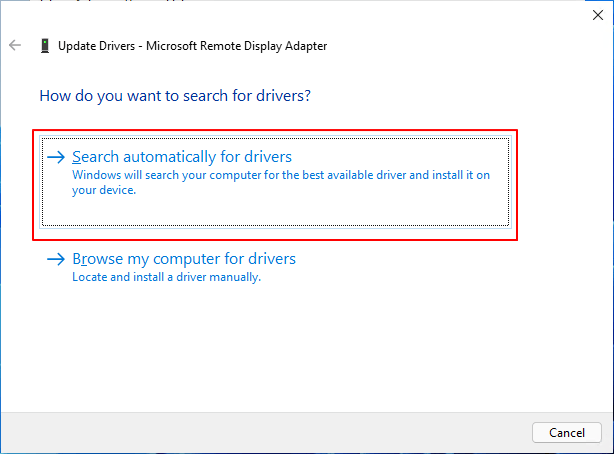
Step 5:If there's any update available for the graphics card, it will automatically download and install its updated version.
To finish the update, simply restart your computer. This will apply the changes and ensure everything is working smoothly.
4. Delete Temporary Files
Temporary files are created by the Windows operating system in memory when a task is performed, allowing for smooth and quick performance when the same task is attempted again. However, corrupted or old temporary files can lead to issues such as slow Windows 11 performance. To resolve this, users can delete the temporary files from their laptop or computer by following a set of steps.
Step 1: To open the Run dialog box, press the "Windows + R" keys together on your keyboard. This will open a small window where you can type a command or program name to run.
Step 2:To access the "Temp folder" from the C: drive, type "%temp%" and press the Enter button.
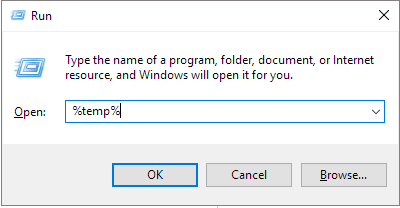
Step 3: To delete temporary files, press the "Ctrl + A" keys to select them, then press the "Delete" key.
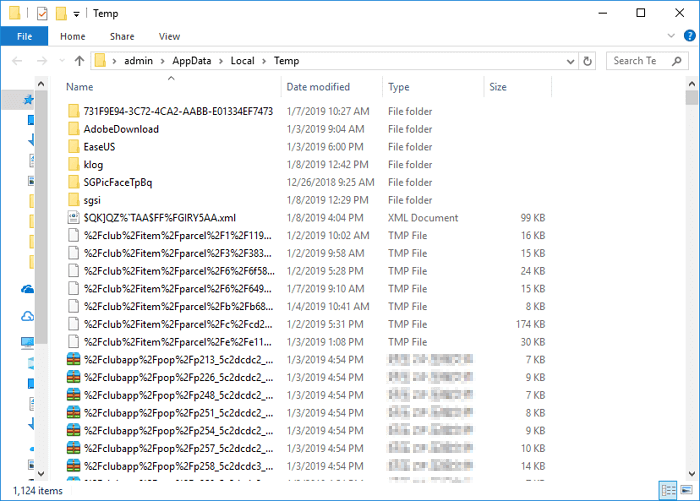
Step 4:If a dialog box appears, click on the "Do this for all current items" option and tap the "Continue" button.
Note:Wait for the deletion process to complete, and if any temporary files remain, skip them.
After removing temporary files, restart your PC or laptop to see if the Windows 11 slow performance issue is resolved.
5. Run Windows Update Troubleshooter
If you're experiencing slow boot issues with Windows 11, you can try running the Windows Update Troubleshooter to identify any problems with the update. To do this, follow the steps:
Step 1:To access the Windows Settings, press the "Windows + I" keys together. This will open the "Settings" window, where you can customize various settings and preferences for your Windows operating system.
Step 2: Click on the "Update and Security" option.
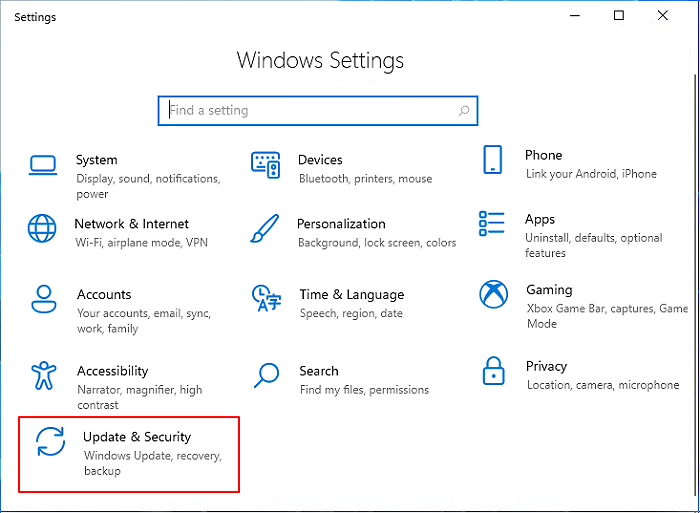
Step 3:Click on the "Troubleshoot" option from the right pane, then choose the "Other troubleshooter" option.
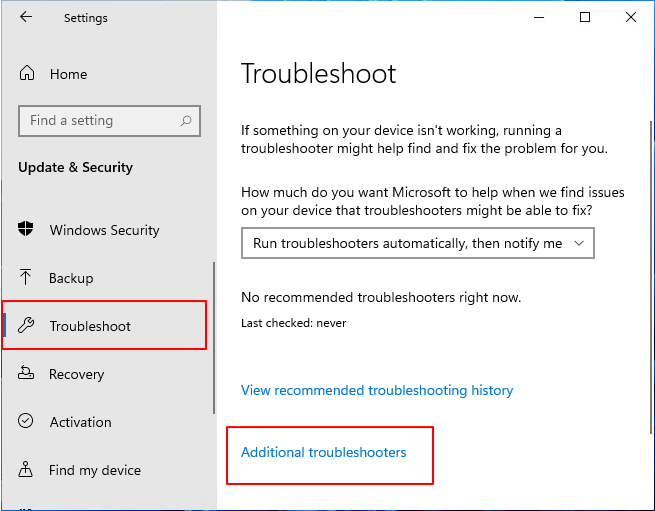
Step 4: And click on the "Run" option right by "Windows Update".
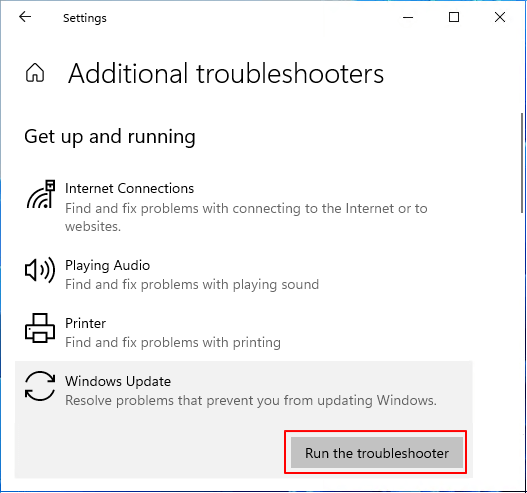
Wait for the system to begin diagnosis automatically and check certain things on the PC. If there's an issue, look for its troubleshooting method on the web to fix it.
6. Increase C drive space - use Qiling Partition Master "Allocate space" or "Resize/move."
If none of the above-To solve the issue of Windows 11 slow boot, I can try to increase the C drive space using the Qiling Partition Master software, which has an "Allocate space" or "Resize/move" option to manage disk partitions and free up space on the C drive.
- Qiling Partition Master -
Your Smart Windows 11 Update Disk Manager
- MBR to GPT Converter, Make Disk Ready for Windows 11.
- Migrate Windows 11 to New SSD in 1-Click.
- Handy to Extend or Combine Partitions in Windows 11.
- Clone and Upgrade Disks without Data Loss.
Here is what you need to follow:
Option 1. Extend System C drive with unallocated space
- 1. Click on the System C: drive and select "Resize/Move".
- 2. Drag the system partition end into the unallocated space so to add it to the C: drive. To extend the C drive, click "Proceed" after selecting the desired option, which will execute the operations and extend the C drive.
Option 2. Extend System C drive without unallocated space
- 1. To resize a partition, click on a large partition with enough free space on the system disk, then select the "Resize/Move" option.
- 2. To add unallocated space to the C: drive, drag the partition end to shrink it and create unallocated space. Then, click "Proceed" to execute the operation, effectively adding the unallocated space to the C: drive.
- 3. The system drive should be selected at the "Allocate Space From" section and then "Resize/Move" should be chosen.
- 4. To extend the C drive, drag the end of the System C drive into the unallocated space and click "Proceed" to save the changes. This will add the unallocated space to the C drive, effectively extending its size.
7. Migrate Windows 11 to SSD - use Qiling Partition Master "migrate OS."
If Windows 11 is running slowly, consider upgrading to an SSD, which can improve performance and boot times. The Qiling Partition Master tool offers a "Migrate OS" feature that can facilitate this process, making it easier to migrate the operating system to the new storage device.
Check out what you are required to do:
Steps to migrate OS to HDD/SSD:
- Run Qiling Partition Master, select Migrate OS from the top menu.
- Select the SSD or HDD as the destination disk and click Next.
- Warning: the data and partitions on the target disk will be deleted. Make sure you've backed up important data before proceeding. If not, do it now.
- Then click Continue.
- Preview the layout of your target disk, then click Proceed to start migrating your OS to a new disk.
Note: If you're planning to migrate your OS to a new SSD or HDD, be aware that the process will erase all data on the target disk, including partitions and existing files, if there's not enough unallocated space available. Make sure to back up any important data to an external drive beforehand to avoid losing it.
8. Go Back to Windows 10 and Wait for the Next Stable Windows 11
If you're still experiencing slow boot issues with Windows 11, it might be worth considering downgrading to a previous version of the Windows OS to resolve the problem.
Microsoft has announced that Windows 11 will be released on October 5th, and users are advised to follow these steps to execute the update safely:
Step 1. Go to Settings, click System and Recovery.
Step 2. Click Go back next to the Previous version of Windows.
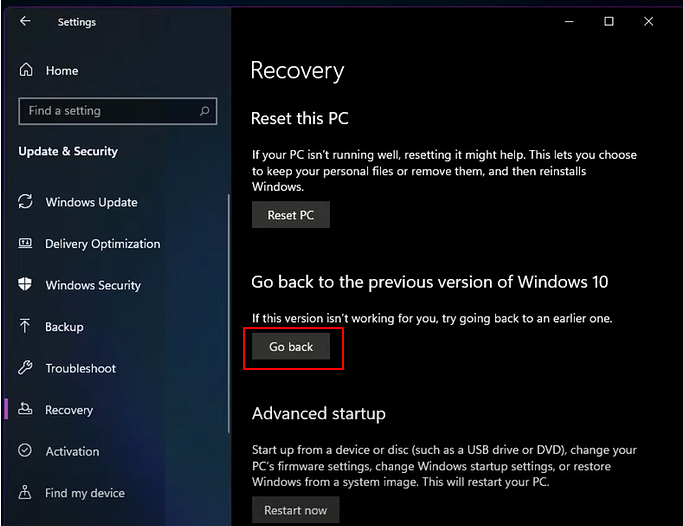
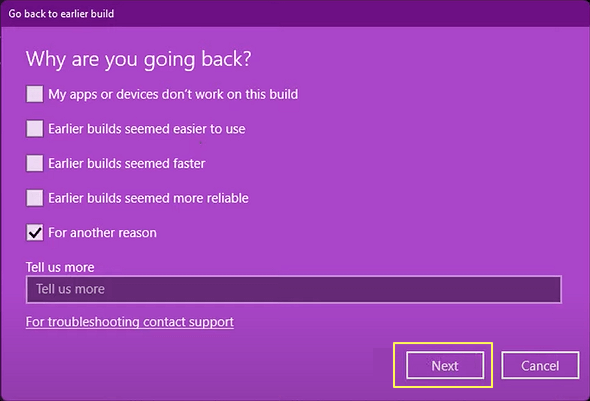
Step 3. Check the reasons why you want to uninstall when prompted.
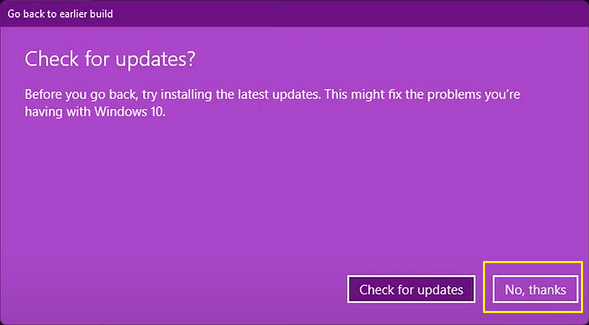
Step 4. Click No, thanks when asked to check for updates instead of rolling back.
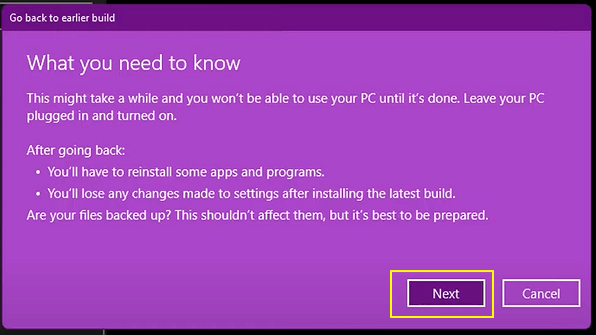
Step 5. When a "What you need to know" window appears, click the "Next" button to proceed.
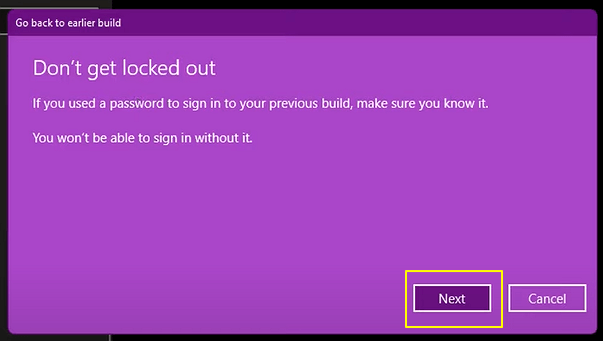
Step 6. Click Next again when it warns you to remember your password from Windows 10. (Keep your password remembered.)
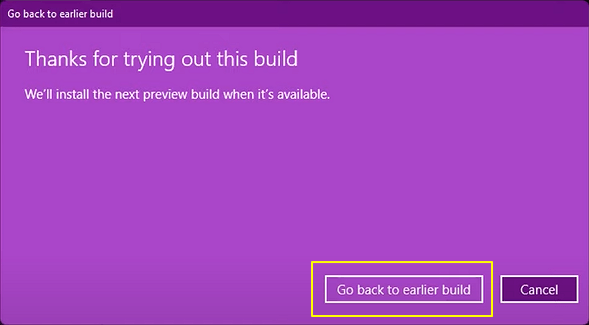
Step 7. Click Go back to an earlier build.
Once you've completed the troubleshooting steps, restart your PC or laptop to see if the Windows 11 slow performance issue has been resolved.
Conclusion
To improve Windows 11's slow performance, try various methods such as disabling startup programs, closing unnecessary processes, updating drivers, and running a disk cleanup. If you're looking for a quick fix, consider using Qiling Partition Master as a daily disk partition management tool to enhance your Windows 11 experience. This tool can help you achieve the best user experience on Windows 11.
Related Articles
- SMART Status Bad Error: How to Repair HDD Smart Error with Free Software
- SFC and CHKDSK: How to Run SFC and Chkdsk | Difference Unveiled
- [Solved] My Games Take Forever to Load PC
- How to Secure Erase SSD or HDD for Free
- Resize Partition Under Windows 7 (32 Bit and 64 Bit)
Qiling free partition magic for Windows 7 works flawlessly to resize/move/merge/split partitions in Windows 7 (32 bit and 64 bit). Qiling Partition Master is a magic partition tool for Windows 7 which offers complete Windows 7 disk management solution. - How to Safely Resize Partitions in Windows 11 Without Losing Data
Want to resize a Windows 11 partition or move it without losing data? You can achieve this by following a step-by-step guide that provides an effective solution to move, resize, or merge partitions.
Products
Articles & Tutorials
- Data Recovery
- Data Backup
- File Recovery
- File Backup
- System Backup and Restore
- Disk and Partition Clone
- Technical articles
- Mobile articles
- Disk Master Help
- Windows Data Recovery Tutorials
- Windows Secure Delete Tutorials
- Windows Partition Management Tutorials
- Windows File Backup and Restore Tutorials
- Windows System Backup and Restore Tutorials
- Windows Disk Backup and Restore Tutorials
- Windows Clone Tutorials