Remove a Virus That Slows Down the Computer on Your Own
If your computer is running slowly, a likely culprit could be a virus that's slowing it down. To fix the issue, consider running a virus scan using an anti-virus software to detect and remove any malicious programs that might be causing the problem. This should help identify and eliminate any viruses or malware that could be contributing to the slowdown.
This page provides information on possible viruses and malware that can cause a computer to run slow, helping you determine if your Windows computer contains a virus and providing guidance on how to successfully remove it from your PC.
In this article, you'll learn:
- Does Virus Slow Down Your Computer or Laptop
- Viruses that Slow Down Your Computers
- To determine if your computer has a virus in Windows, look for unusual behavior such as slow performance, pop-ups, and unexplained crashes. Check your Task Manager for any unfamiliar processes and terminate them if necessary.
- To get rid of a virus that slows down your computer for free, first, disconnect from the internet to prevent further damage. Then, boot your computer in safe mode and run a full scan with a reputable antivirus software, such as Malwarebytes or Microsoft Safety Scanner, which are free.
- What Program Removes Viruses? Antivirus Recommends
- How to Remove Virus from Laptop Without Antivirus
- How to Remove Hidden Virus From Computer
- To remove a virus on a computer, it's recommended to disconnect the device from the internet to prevent further damage. Then, restart the computer in safe mode to access the desktop without the virus interfering.
A slow computer can be caused by various issues, including a virus infection, low disk space on the OS drive, too many apps running in the background, high RAM usage, or computer corruption, among other errors.
On this page, we'll focus on why viruses can slow down your computer, specifically the first reason, and provide a complete solution to remove them successfully. Let's get started.
Does Virus Slow Down Your Computer or Laptop?
Viruses, spyware, and other malware can significantly slow down your computer in various ways. Not only can they compromise your system's performance, but they can also cause a range of problems, including affecting your computer's speed and causing it to become sluggish.
- Hijack browser, pushing ads
- Crash computer
- Take up storage space
- Slow down the file transfer speed
- Slow down internet speed
- Lock drives, encrypt files
- Hide drive content
- Steal personal information, privacy, and business data
- ...
A computer running slower and slower is a common symptom of a virus infection. Various viruses can cause this issue, including ones that consume system resources, such as the Win32.Mimic, Win32.Tibs, and Win32.
Viruses that Slow Down Your Computers
Viruses not only cause data damage, privacy leaks, and commercial losses, but can also slow down your computer. Various types of viruses can cause this issue, including malware, Trojan horses, ransomware, spyware, and adware, which can all compromise your system's performance and lead to a sluggish computer.
- Ransomware
- Spyware
- Adware
- Malware
- Keylogger
- Malware
Aside from the listed viruses and malware, unknown viruses can still cause a computer to slow down. To determine the reason, it's essential to distinguish between viruses, low disk errors, background programs, and operating system issues that may be causing the slowdown. In the next part, we'll explore the details of these potential causes.
How to Know If Your Slow Computer Has a Virus in Windows
To determine if a virus is causing your computer to slow down, look out for signs such as frequent pop-ups, unfamiliar programs running in the background, and sudden changes in your browser's homepage or search engine. Additionally, if your computer is taking longer than usual to start up, shut down, or perform tasks, it could be a sign of a virus. You can also check for suspicious processes running in the Task Manager, unusual network activity, or unfamiliar icons on your desktop.
To run a virus diagnostic on your computer, start by opening your computer's built-in antivirus software, such as Windows Defender or McAfee, and click on the "Scan" or "Run a scan" option. Next, choose the type of scan you want to run, such as a quick scan or a full scan, and select the areas of your computer you want to scan, such as your hard drive, memory, or registry.
#1st, Virus Infection Symptom Diagnostic
Here are the 3 symptoms:
- Slow computer performance, taking a long time to boot up or launch programs, can be caused by various factors such as outdated software, malware, or a full hard drive. Regularly updating the operating system and installed programs, running a virus scan, and freeing up disk space can help resolve the issue.
- Problematic shutting down or rebooting with unknown codes
- Losing data or missing files without deletion.
- Sudden pop-up windows.
- Computer or programs unable to close.
- Unknown programs or new apps appear without downloading them.
- Some browsers have a feature that automatically redirects to a new site or opens an unknown site when a user clicks on a link, which can be a security risk if the site is malicious. This feature can be enabled or disabled in the browser settings.
- Be cautious of a suspicious warning message claiming your drives are infected with viruses or malware, and that you need to pay for file unlocking and data recovery. This is a scam, and you should not fall for it.
If your computers have other unknown errors or you're wondering if they contain viruses, follow this guide to test and identify any potential issues.
#2nd, Detect and Scan Virus On Your PC
To quickly detect and remove viruses from your PC, run an antivirus scan or use Windows Defender to scan your system. This is the easiest and fastest way to identify and eliminate any malicious software.
- Open Windows Settings, click "Update & security".
- To access the virus and threat protection settings, click on "Windows Security" in the Start menu, and then select "Virus & threat protection" from the protection area.
- Click "Scan options" on the Virus & threat protection window.
- Here are the options to scan viruses on your computer:
- Quick scan, Full scan, Custom scan, Windows Defender Offline scan.
- Click "Scan now" to confirm.
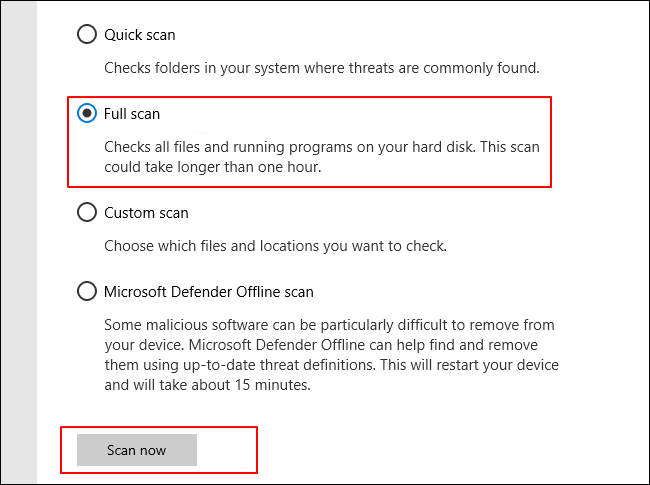
Once the scan is complete, you'll be able to view the virus scan result and confirm if your computer is indeed infected with a virus.
How Do I Get Rid of a Virus That Slows Down Computer for Free?
To remove a virus and improve your computer's speed, you can try using a free antivirus tool like Malwarebytes, Avast, or AVG. These tools can detect and remove malware, including viruses, that may be slowing down your computer. Additionally, you can try running a disk cleanup and disk defragmentation to free up space and improve your computer's performance. It's also a good idea to update your operating system and software to ensure you have the latest security patches and features.
Sure, there are two ways that you could try out and clean up all viruses from your computer immediately:
You can successfully clean up all existing viruses, malware, or spyware from your computer by following a favored method.
#1. What Program Removes Viruses? Antivirus Recommends
AntiVirus software is a type of program that can help remove viruses from your computer by detecting and eliminating malware. It can be installed on your PC to provide real-time protection and scanning capabilities to identify and remove viruses. Examples of popular AntiVirus software include Norton, McAfee, and Kaspersky.
What is the best AntiVirus software for Windows? Check this out:
2022 Best Antivirus Software for Windows 11 (Top 5)
Windows antivirus software typically includes various protection features, such as virus protection, rootkit protection, bot protection, worm protection, and protection against trojan horses, spyware, and malicious messages.
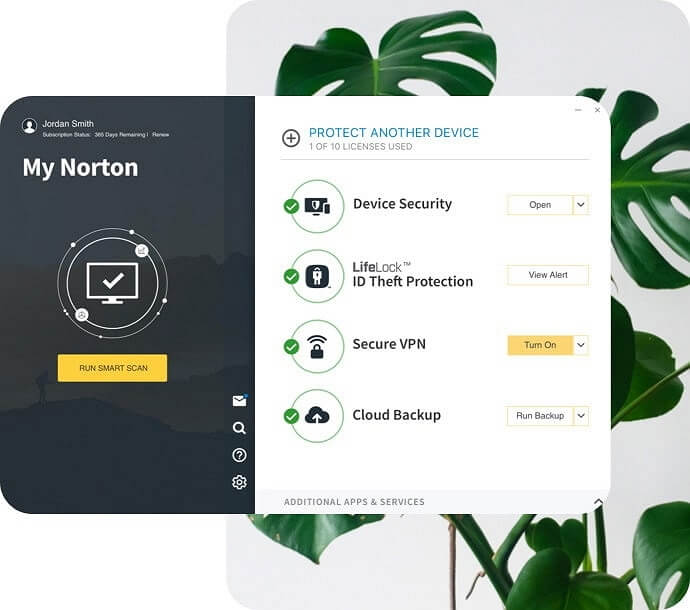
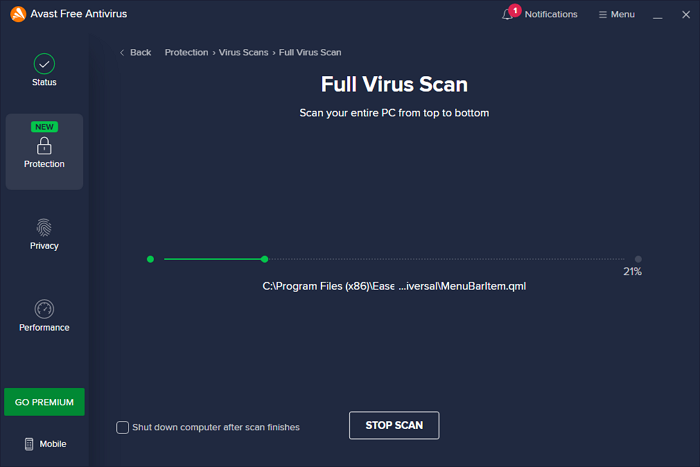
To scan and clean viruses from a computer using Avast, follow these steps: First, download and install the Avast antivirus software on your computer. Once installed, launch the Avast software and navigate to the "Scan" tab.
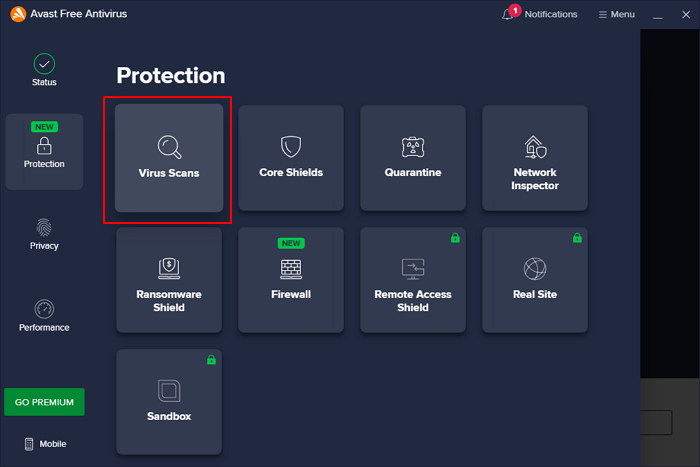
Step 1. Run Avast Free Antivirus and, click "Protection", select "Virus Scan".
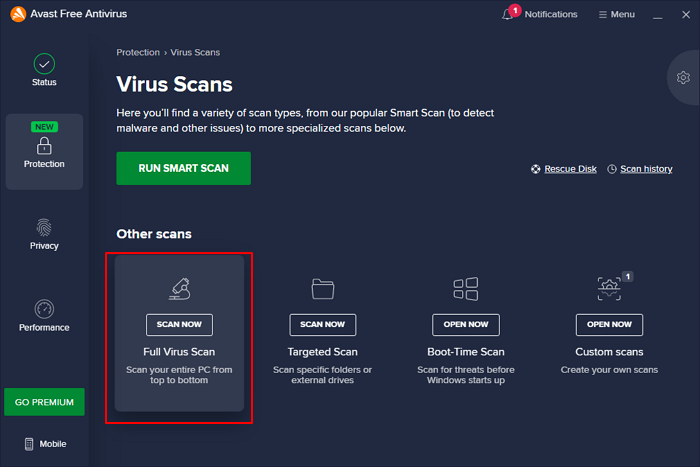
Step 2. Select "Full Virus Scan" to run a thorough scan of your entire computer to detect and remove any viruses.
To scan other devices, choose the specific option. If you need to scan other devices, select the appropriate option.
Wait for the process to complete, then you'll successfully scan and clear all Viruses from your PC.
#2. How to Remove Virus from Laptop Without Antivirus (Remove Virus Manually)
If you're hesitant to install third-party antivirus software, you can try removing Viruses from your computer manually. To do this, follow these steps: follow the steps below.
Here are the details:
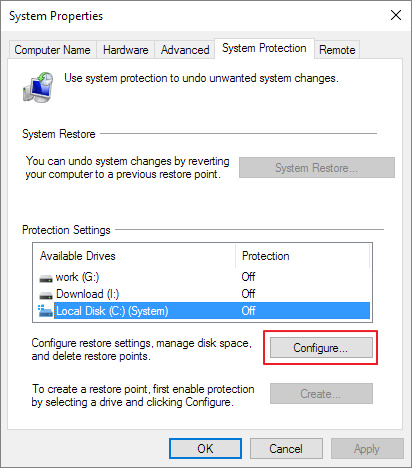
Step 1. Turn off system restore:
- Right-click This PC, select "Properties" and click "System Protection".
- To disable system protection in Windows, click on "Windows System" in the Start menu, then click on "Configure" in the System Protection section, uncheck the box next to "Turn off system protection", and click "OK" to confirm.
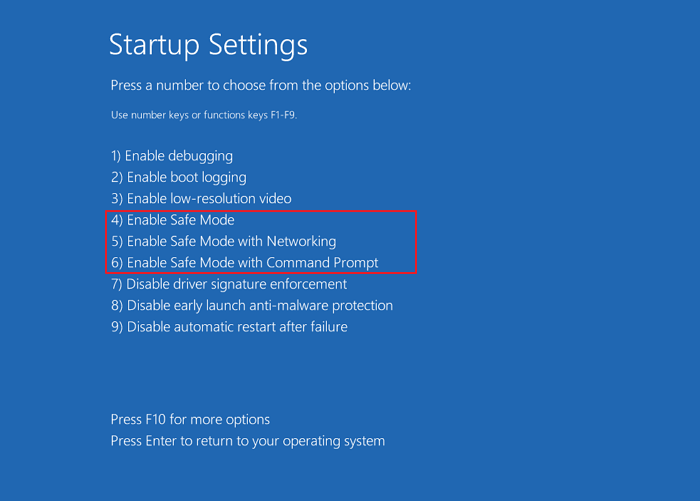
Step 2. Reboot PC in safe mode:
- Restart the computer and press F8 while the computer is booting up.
- Select "Safe Mode" from the list of Advanced Boot Options.
- Press F5 to restart the PC into Safe Mode.
Step 3. Scan and remove existing Viruses from PC:
- Open Settings, click "Update & security" and "Windows Security".
- Click "Virus & threat protection".
- Click "Scan now" below the Threat history section.
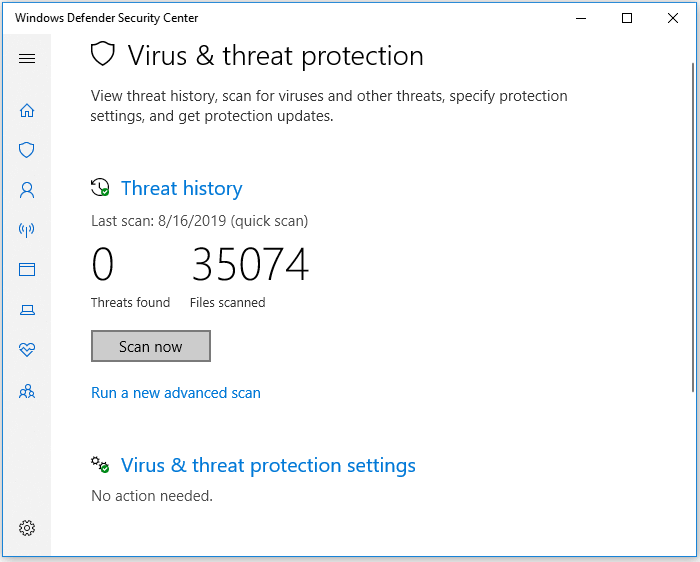
Wait for the scanning and virus removal process to finish, then you'll have a clean and healthy computer.
Bonus Tip: How to Remove Hidden Virus From Computer
Your computer may be infected with a hidden virus that secretly sets your data and files hidden on your PC, making it difficult to notice the changes.
Here are three options to remove the hidden Virus and bring back your files on your PC immediately:
1. Remove Virus Using CMD
Step 1. Open CMD as Administrator:
Type cmd in the Search box, right-click "Command Prompt" and select "Run as Administrator".
Step 2. Type the following commands one by one and hit Enter each time: I want to know the weather forecast for today and tomorrow. I want to know the weather forecast for today and tomorrow.
- F: (Replace F: with the drive letter on your PC that contains a hidden Virus.)
- attrib -s -h -r /s /d *.*
- dir
- del autorun.inf
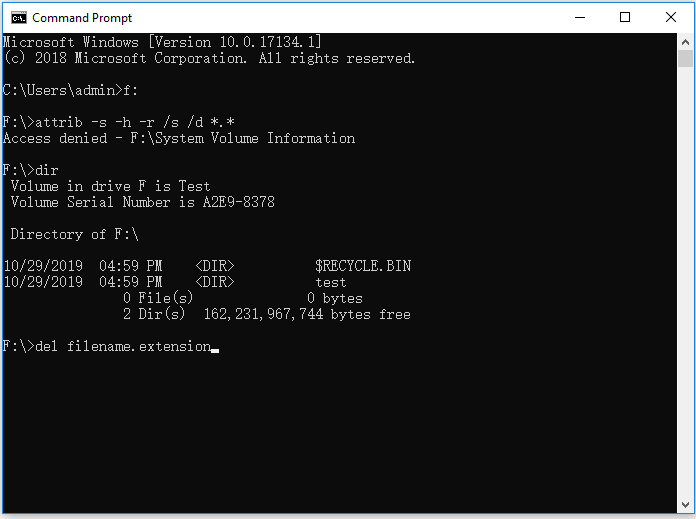
Step 3. Type exit to close the command prompt.
2. Remove Hidden Virus with Free App - Qiling Windows CleanGenius
Manual execution of the command line is not recommended for non-professionals due to the risk of causing harm with incorrect commands. Instead, a tool like Qiling CleanGenius is suggested, which can perform tasks such as checking and fixing file system errors, enabling or disabling write protection, and updating the system with a single click, making it a more user-friendly and secure option.
To show hidden files using this 1-click-fix software, simply follow these simple steps:
Step 1. DOWNLOAD Qiling CleanGenius for Free.
Step 2. Start Qiling CleanGenius, choose "Optimization" on the left panel. Next, click "File Showing" on the right panel.
Step 3. Select the hard drive and click "Execute".
Step 4. After the operation completes, click the here link to check the hidden files.
What Is the Best Way to Remove a Virus on a Computer?
When your computer is slowed down due to a virus infection, you can either use antivirus software or the Windows built-in virus cleaning tool for assistance.
If your computer is slowing down due to a virus, you'll want to know the best way to remove it. To do this, you can start by running a full system scan using your antivirus software, which should detect and remove the virus. If the virus is particularly stubborn, you may need to boot your computer in safe mode and run a scan from there.
Here is the answer:
- For Windows beginners - reliable & free antivirus software shall be the best.
- For experienced Windows users, both Windows Security and Virus & threat protection are solid options.
If you're experiencing slow computer performance on Windows 11/10/8.1/8/7, running a virus scan is a good first step to identify and remove any malware that may be causing the issue. This can help improve your computer's speed and overall performance.
Related Articles
- How to Permanently Delete Files from Computer Without Recovery Windows 11/10/8/7
- How to Wipe Partition Data to Protect Privacy
- Windows 11/10 Boot Repair: Fix UEFI Boot Issue on Windows 11/10/8/7
- How to Fix Service Host Superfetch High Disk Usage
- Hide System Reserved Partition with A Simple Way
System reserved partition contains boot configuration data and other essential data. It is a good idea to hide them to protect information. Refer to this post, it will demonstrate 3 methods helping you perform this operation. - How to Fix Hogwarts Legacy Blue Screen [Step-by-Steo Guide]
This article will lead you to analyze the causes of Hogwarts Legacy blue screen. And you will get six ways to fix Hogwarts Legacy blue screen and improve gaming experiences.
Products
Articles & Tutorials
- Data Recovery
- Data Backup
- File Recovery
- File Backup
- System Backup and Restore
- Disk and Partition Clone
- Technical articles
- Mobile articles
- Disk Master Help
- Windows Data Recovery Tutorials
- Windows Secure Delete Tutorials
- Windows Partition Management Tutorials
- Windows File Backup and Restore Tutorials
- Windows System Backup and Restore Tutorials
- Windows Disk Backup and Restore Tutorials
- Windows Clone Tutorials