How to Recover Data After Low Level Format
Can I Recover Data after Low-Level Format
A low-level reformat, also known as a full format, completely erases the file system and data on the drive, making it technically possible to recover files after a low-level reformat. However, the likelihood of successful recovery depends on various factors, including the type of file system used, the presence of any data recovery software, and the physical condition of the drive. In general, a low-level reformat is a more thorough process than a quick format, which only deletes the file system and does not overwrite the data. Therefore, it is still possible to recover files after a low-level reformat, but the chances of success are lower compared to a quick format.
Formatting a hard drive or storage device can be a quick way to clean it up without extra operations, but few people know that it involves two different levels: high-level and low-level formatting.
High-level formatting, which includes Windows Explorer right-clicking, Disk Management, and CMD commands like "format fs=ntfs" or "format fs=fat32", can result in the loss of data. However, this data can often be recovered using professional data recovery software.
Performing a low-level format on a hard drive is a destructive process that erases all data on the device. It cannot be recovered. To recover data, you need to use data recovery software that can read the data from the drive before it's formatted. However, if you've already performed a low-level format, it's too late, and your data is likely gone forever.
Overview of Low-Level Format Data Recovery
Low-level format recovery is a process that totally wipes and resets drives by leaving them with empty platters, destroying the data structure and making data restoration impossible. However, there's a tiny chance of restoring data from this level formatting, but it's highly unlikely and not guaranteed.
The ability to recover data after a low-level format depends on how the formatting process is carried out. If the low-level formatting process is interrupted or not completed, there may still be a chance to recover data. However, if the process is fully completed, the data may be irretrievable.
- 1. You may need to reformat your hard drive or storage devices to complete the process. This can be done using the built-in formatting tools on your device or through a separate software.
- 2. You were in the middle process of formatting device, the procedure stopped or you halted the operation.
- 3. The data sectors of storage devices were not completely erased or were only partially deleted.
How to Recover Data After Incomplete Low-Level Format
Normal users who are experiencing issues with their computer, such as a crashed operating system, can take a breath of relief knowing that there are methods to recover their data. By using the right methods of low-level format recovery, they can regain access to their important files and information. The provided methods below can be a helpful guide for those who are looking to recover their data and get back up and running with minimal disruption.
# 2. Use Data Recovery Software to Restore Data (from Interrupted or Unfinished Low-Level Format)
When the formatting process of low-level data is interrupted or halted, or if data sectors aren't fully wiped out, professional format recovery software can be applied for assistance.
Deep Data Recovery offers a quick scan and deep scan function, allowing it to thoroughly search all formatted data on every sector. It is particularly effective in retrieving data after a quick format in Windows file explorer or a thorough format in Windows Disk Management, although a 100% guarantee is not provided. It is still worth trying to recover data after a format.
# 2. Turn to Manual Data Recovery Service for Help
After a free diagnosis, Qiling Data Recovery Experts can offer one-on-one manual recovery services, including manual data recovery and data recovery with a high success rate, using specialized software and hardware to recover data from various storage devices, such as hard drives, solid-state drives, and USB drives. They can also provide data recovery from corrupted or damaged storage media, and recover data from devices with mechanical or electrical failures. Additionally, they can offer data recovery from various file systems, such as NTFS, HFS, and EXT4, and recover data from devices with logical failures, such as partition table corruption or file system corruption.
- To repair a corrupted RAID structure, unbootable Windows OS, or corrupted virtual disk file (such as .vmdk, .vhd, or .vhdx), you'll need to take specific steps. For a corrupted RAID structure, you may need to replace the faulty drive, rebuild the RAID array, or recover data using specialized software. If Windows won't boot, you can try booting from a rescue disk, running System File Checker (SFC), or using a Windows installation media to repair the system.
- Recover/repair lost partition and re-partitioned drive
- Unformat hard drive and repair raw drive (BitLocker encrypted drive)
- Fix disks that become GPT protected partitions
Personal users, companies, or organizations with non-urgent needs can invest in specialized tools or local data recovery services, but the success rate of data recovery cannot be guaranteed.
Protect Data from Formatting
Comparing methods for restoring data after formatting is less important than finding a reliable way to protect your data in the first place. Qiling software offers a comprehensive plan to help you apply and safeguard your data.
Back up essential data regularly
Having a backup of essential data saved on an external hard drive or Cloud can prevent data loss from formatting, deletion, and other issues. You can either copy files or create a full backup of all files on your storage devices at once using professional file backup software.
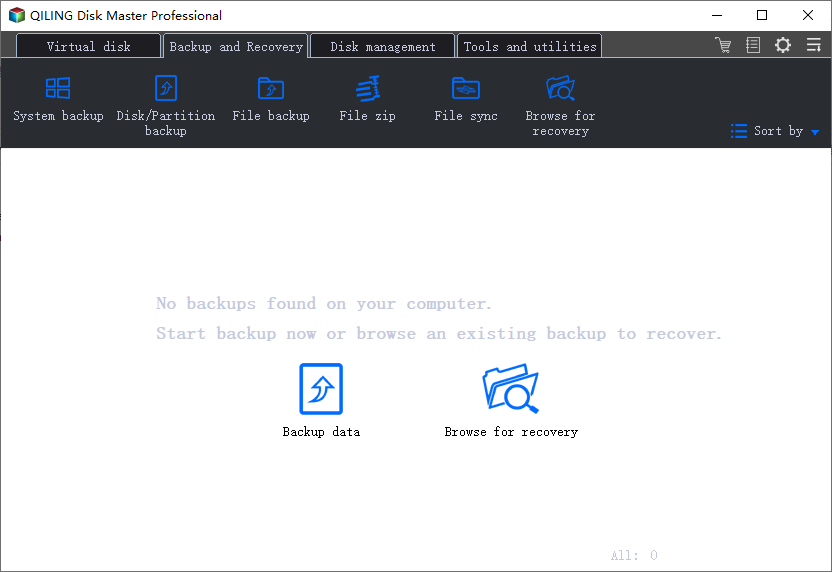
We recommend trying Qiling Backup, which allows you to selectively back up files, a whole disk partition, or even the entire Windows system in just three easy steps.
Step 1: To begin, launch the Qiling Backup software. Then, select the desired backup option: "File Backup" for backing up specific files, "Disk/partition Backup" for backing up an entire disk or partition, or "System Backup" for backing up the entire operating system.
Step 2: To initiate a backup, select the system, disk partition, and files you want to back up, and then choose a destination to store the backup file.
Step 3: Click "Proceed" to start the data backup process.
Related Articles
- Use Disk Doctor Freeware to Recover Lost Data
- [2022] USB Recovery Software to Recover Files from USB Flash Drive
- 3 Ways to Recover Permanently Deleted Files/Folders in Windows 11
- What Is Network Attached Storage and How to Recover Lost/Deleted Data from NAS
- Recover My Files Full + License Code with File Recovery Software
I recovered my files without using Recover My Files Crack key by downloading a free file recovery software with a license code. I followed the instructions to recover my lost files with ease. - How to Recover Data from Hard Disk Which Is Not Detecting Easily
If your hard disk or external hard disk is not detecting. Qiling hard drive data recovery software can help you easily recover data from a hard disk or external hard disk that is not detected, recognized, or won't read.
Products
Articles & Tutorials
- Data Recovery
- Data Backup
- File Recovery
- File Backup
- System Backup and Restore
- Disk and Partition Clone
- Technical articles
- Mobile articles
- Disk Master Help
- Windows Data Recovery Tutorials
- Windows Secure Delete Tutorials
- Windows Partition Management Tutorials
- Windows File Backup and Restore Tutorials
- Windows System Backup and Restore Tutorials
- Windows Disk Backup and Restore Tutorials
- Windows Clone Tutorials