How to Restore Lost WPS Office 2016 Files
Help: How do I recover deleted files from WPS Office 2016?
You're looking for a way to recover lost WPS Office files after a Windows system update. Don't worry, your files might still be recoverable. The new system update doesn't necessarily delete your files, but rather, they might be hidden or inaccessible. You can try checking the system recycle bin, using file recovery software, or looking for backup copies to retrieve your lost WPS Office files. Try the options below.
Careless deletion, formatting, virus attacks, system updates, hard drive corruption, and junk file cleaning can all lead to unexpected WPS file loss on Windows or Mac computers. To recover deleted files and retrieve lost WPS documents, data recovery software is essential.
How to Recover Deleted Files with a WPS Recovery Tool
To recover deleted files from WPS Office 2016, Qiling data recovery software is a must-have, allowing you to recover lost WPS document files from various storage devices, including internal and external hard drives, USB drives, and Android SD cards.
Deep Data Recovery is a versatile data recovery software that can recover not only documents but also deleted photos, videos, audios, emails, and compressed files like ZIP and RAR. To restore deleted WPS Office files, simply download and install the program on your computer, and follow the 3 simple steps to retrieve your lost files.
Step 1. Run Deep Data Recovery. Choose file types and click "Fast Scan" to start the recovery process.
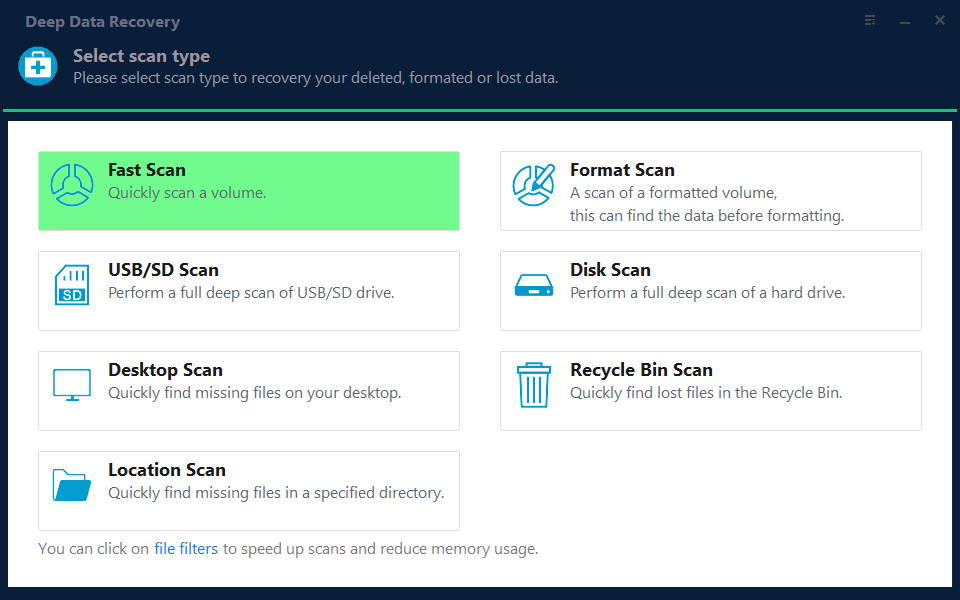
Note: You can choose different search modes based on where and why the data was lost.
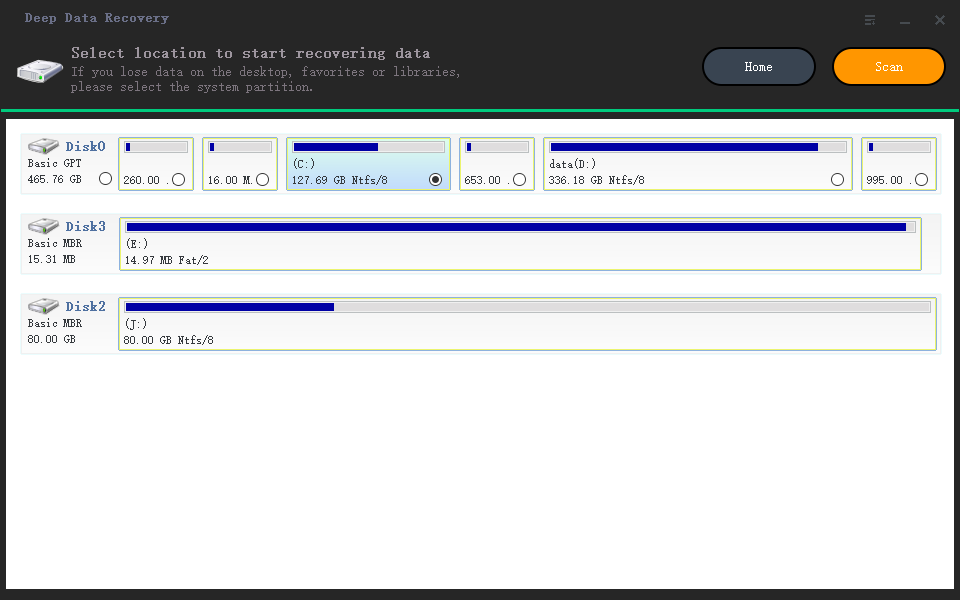
Step 2. To recover lost files, choose the drive where the files went missing and start scanning. This software can recover data from various devices, including hard drives, solid-state drives, USB drives, SD cards, pen drives, and even cameras.
Step 3. You can browse the full scan results and select the file type you need by clicking on the file type filter in Qiling data recovery software, which supports over 1000 file types including photos, videos, documents, emails, audio files, and many more.
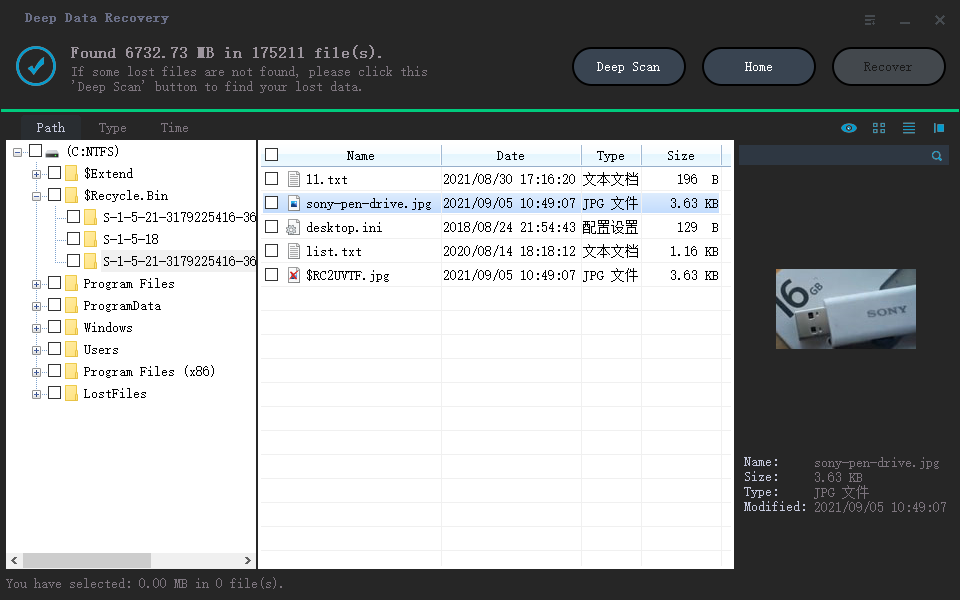
Step 4. To preview and recover files, select the desired files, click "Recover", and choose a storage location to save the recovered data.
If you lose important WPS Office files on your Mac computer, you can download the Mac version of Deep Data Recovery to easily restore the lost files.
How to Recover Unsaved WPS Office 2016 Documents
Unsaved documents are often lost due to power outages, application crashes, or human mistakes. For Microsoft Office users, recovering lost or unsaved Word documents is a common issue. Similarly, WPS office users face the same problem. If you've lost an unsaved WPS document, you can try recovering it using WPS Auto Backup.
1. Recover the File from the Prompt
When your WPS document is closed unexpectedly, you can simply re-launch the WPS, and follow the on-screen messages to recover your file backups.
2. Find out the Lost Documents from Local File
If no prompts appear, you can recover lost WPFS documents from the local file.
- To access the "Backup Management" tab, click on the WPS icon and select the "Backup Management" option from the drop-down list.
- Select the ones you want to open and save them
If you don't see any files in the Backup Management panel, click the "View Other Backups" button at the bottom right to access a backup folder where all your backups are stored.
How to Back Up WPS Office 2016 Files to Avoid Data Loss
To avoid unexpected WPS Office 2016 files loss, we highly suggest that you back up important documents regularly using methods such as saving to an external hard drive, cloud storage services like Google Drive or Dropbox, or even a USB drive, to ensure your files are safely stored and can be easily recovered in case of any data loss or corruption.
1. Turn on Autosave in WPS
- To access the settings in WPS Office 2016, click on the top left corner of the file (such as Writer, Spreadsheets, or Presentation) and select the "Tool" tab from the dropdown list, then choose "Option" from the menu.
- Go to "General" and click "Save". Check the boxes for "Recently used file list" and "use character units".
With WPS Office 2016, your editing work can be automatically backed up, including Writer, Presentation, and Spreadsheet files. This helps reduce the risk of losing unsaved changes.
2. Use Schedule Backup Software for WPS Office 2016 Files Backup
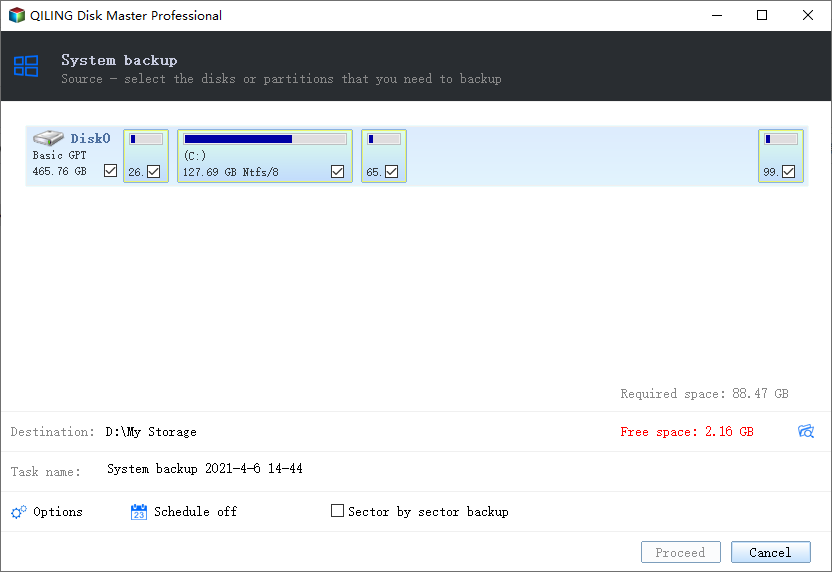
To protect your saved WPS document files efficiently, you can use a reliable third-party backup tool, such as Qiling Backup, which allows you to back up important WPS files automatically based on your schedule option, like One-Time, daily, weekly, monthly, or Upon Event backup.
3. Use WPS Cloud to Back Up WPS Files
When using File Roaming, documents created or opened in WPS Office are automatically saved in WPS Cloud.
To access your Microsoft Office documents, open WPS Writer, Presentation, or Spreadsheets and click on the Sign in button at the top right to log in to your account. Alternatively, visit the "Office Space" tab, select "File Roaming", and click "Use Now". Note that if you log out, any documents you open or edit will not be uploaded to the cloud.
Related Articles
- Audacity Recovery: Recover Deleted and Unsaved Audacity Recordings
- How to Recover Unsaved Excel Files from Excel Temporary Files in Windows 10/11
- [Solved] IDM File Has Been Moved
- How to Delete a Page in Word 2019, 2016, 2013, 2010
- How to Recover a File Deleted by McAfee Antivirus
This article provides a guide on how to recover files deleted by McAfee antivirus and where to find quarantined files stored on McAfee. It offers a step-by-step process to recover a file deleted by McAfee on both Mac and Windows PCs. - How to Recover Files from RAW Partition/Disk for Free
If your hard drive is inaccessible and the file system shows as RAW, you can recover data from it using a free method in Windows 11/10 or Mac.
Products
Articles & Tutorials
- Data Recovery
- Data Backup
- File Recovery
- File Backup
- System Backup and Restore
- Disk and Partition Clone
- Technical articles
- Mobile articles
- Disk Master Help
- Windows Data Recovery Tutorials
- Windows Secure Delete Tutorials
- Windows Partition Management Tutorials
- Windows File Backup and Restore Tutorials
- Windows System Backup and Restore Tutorials
- Windows Disk Backup and Restore Tutorials
- Windows Clone Tutorials