What Is CD-RW? Compact Disc Re-Writable Explained
CD-RW has been a key pillar of data in computers. So, what exactly is it?
CD-RW discs have been a reliable way to save and protect various types of data for over 40 years, since their introduction in 1982, safeguarding memories, documents, and files.
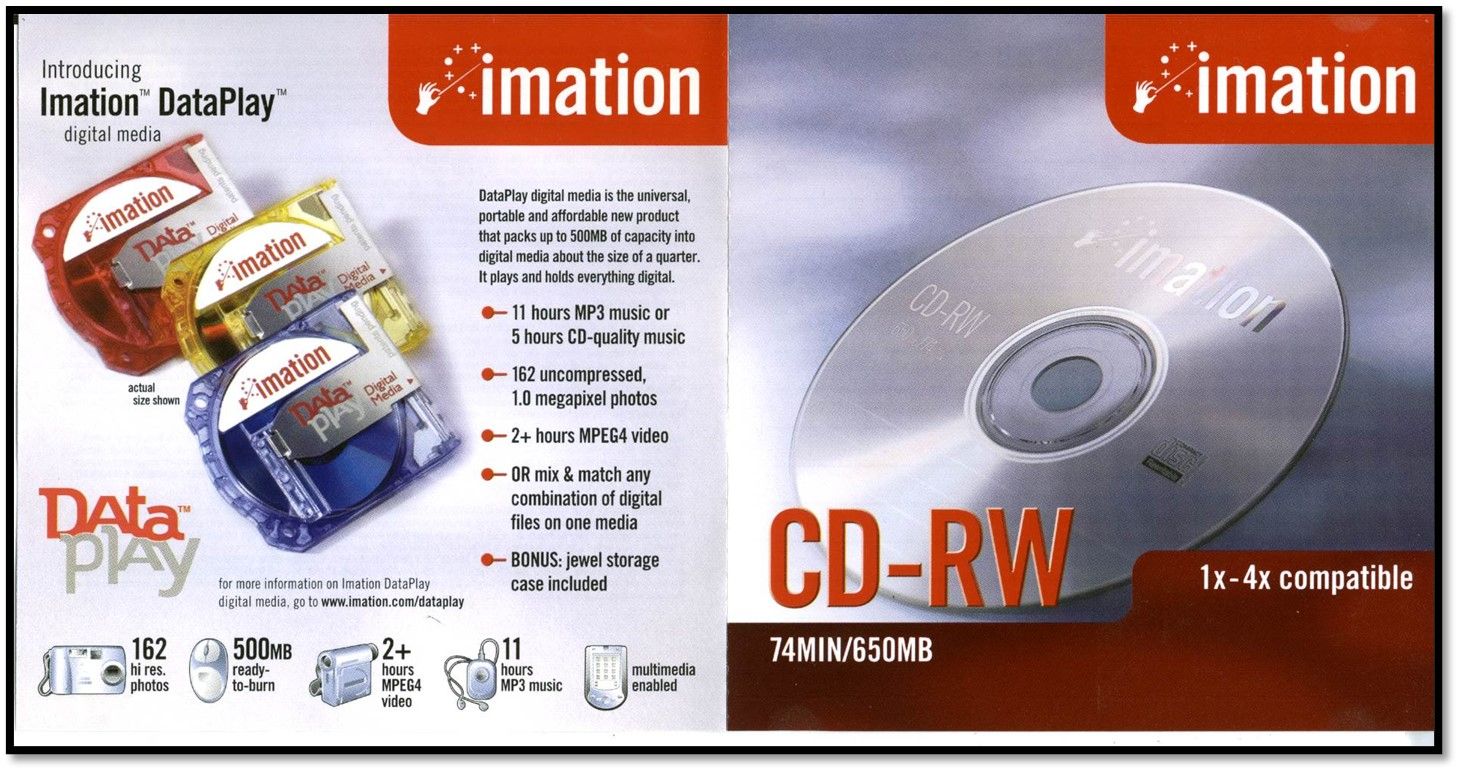
A CD-RW disc, also known as a CD rewritable, is a type of optical disc that can be written, erased, and rewritten multiple times. It is similar to a CD-R (compact disc recordable) but with the added feature of being able to erase and rewrite data. A CD-RW drive is a device that reads and writes data to a CD-RW disc. While CD-RW drives were once common in computers and laptops, they have become less common due to the rise of digital storage and streaming. However, external CD-RW drives are still available for purchase and can be connected to a computer via USB.
What Is CD-RW?
Compact Disc-CD-RW, a type of optical disc storage media, was released in 1997 and can be written to and read from a CD writer drive or CD reader drive.
Before CD-RW, CD-MO (magneto-optical) technology was the standard for rewritable discs. CD-MO ensured a non-erasable area on the disk, allowing CD-ROMs to read it.
The introduction of phase change technology led to the development of CD-RWs, which have a lower reflection degree compared to CD-Rs. While CD-Rs have a reflection degree of around 40-70%, CD-RWs have a much lower reflection degree of 15-25%. This difference in technology and characteristics makes CD-RWs distinct from their CD-R counterparts.
But, a few key things to know about CD-RW are:
- The CD format was developed by the Compact Disc Working Group, a subgroup of the International Organization for Standardization (ISO).
- The technology was introduced in 1983 and updated in 1990
- The format was designed specifically for digital audio use, one of the first three formats to do so, along with Digital Audio Tape (DAT) and LaserDiscs.
- A CD-RW can be rewritten multiple times as needed, allowing for flexibility and adaptability in the process.
A CD-RW can be rewritten multiple times, but it must be fully erased (blanked) before new data can be written to it. Additionally, if a CD-RW gets scratched, it may become unreadable even with a powerful CD/DVD-ROM drive.
Therefore, CD-RWs must be blank or have been fully erased before new data can be written to them. Once data is added, the disc must be blanked again to rewrite new data.
CD-RW Advantages and Disadvantages
CD-RW was a groundbreaking technology that paved the way for the development of USB pen drives, which owe their success to its reusability. However, with the advent of newer technologies, CD-RW has become largely obsolete and is no longer widely used in 2022.
While CD RW has many advantages, it also has some disadvantages. Despite being an old technology, CD RW still has its benefits, but it's worth noting that it's not without its flaws. To put it into perspective, here's a brief comparison of CD RW and its alternatives.
Advantages
- CD-RW was the first type of CD that allowed users to run/play data directly from the disc without needing to copy it, offering a convenient and space-saving way to store and access digital content.
- You can easily write media and comparatively faster than CD-R
- The USB drive can boot Windows directly, eliminating the need to install it on the computer.
- The system allows for rewriteable media, such as CDs, to be used with adequate hardware, such as a CD-RW drive.
- It offers much more speed compared to CD-R
- It can be read by a DVD-RW drive
- The media partition can be accessed like any other partition in Windows, allowing users to read and write files as needed.
Disadvantages
- Pretty much outdated in 2022
- Besides console games, DVDs/CDs aren't used anywhere
- CD/DVDs can be difficult to handle
- It might become unusable after aging/catching scratches
CD-RW vs. CD-R
CD-RW is a more advanced and improved version of CD-R, with significant differences and advantages over the older technology.
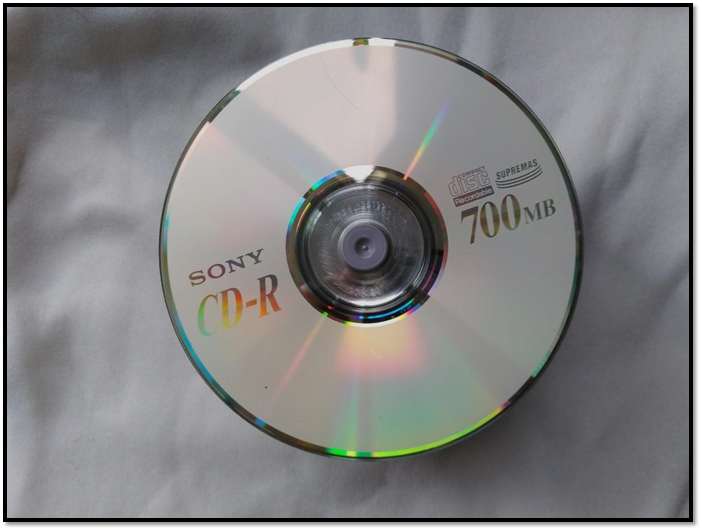
Here are the differences between the two:
| Features | CD-RW | CD-R |
| Rewriteable | Yes | No |
| Speed | 32x on Zoned-CLV | 20x on Zoned-CLV |
| Compatibility | Not backward compatible | Forward compatible |
| Age | Newer | Older |
The key specifications of CD-R and CD-RW are listed, but in reality, there's a significant difference in speed and ability between the two. To understand this disparity, it's essential to delve into the key factors, which include the speed and functionality of each.
Rewritability:
CD-R and CD-RW discs differ in their surface composition. CD-R has a reflective metal dye on its surface, making it a one-time data-write only medium, whereas CD-RW has a specialized metal layer on its surface, allowing for multiple data writes. This distinction makes CD-RW a reusable medium.
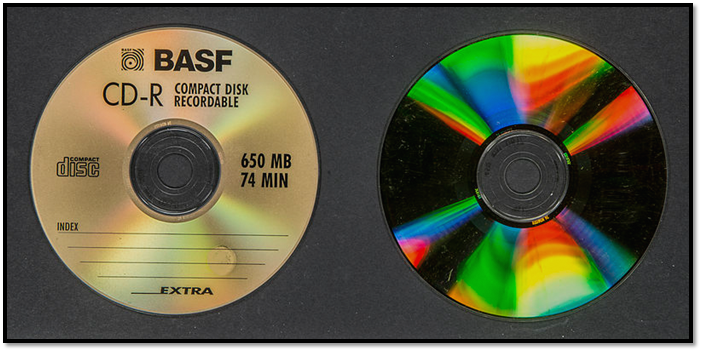
CD-R and CD-RW have distinct differences. CD-R is a write-once medium, whereas CD-RW is erasable, allowing data to be removed and rewritten due to its specialized layer. This difference is made possible by their unique Zoned-CLV technology.
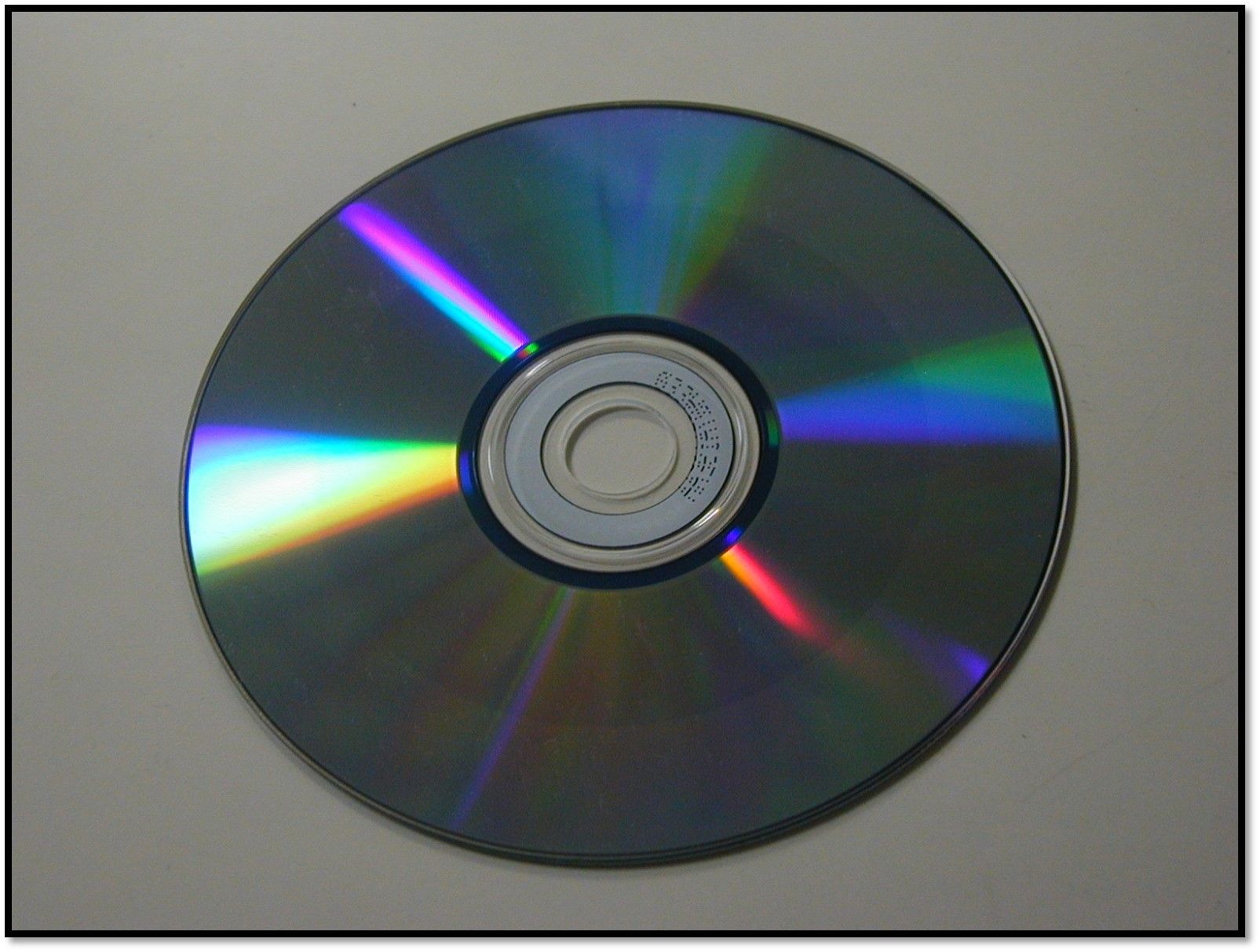
CD-R data becomes permanent once written, similar to CD-ROM, while CD-RW remains the same, but due to its rewriteable nature, it's not suitable for long-term data backups like CD-R.
Speed:
CD-R and CD-RW come in different speed variants, with CD-R typically being 4x (writing 600KB/s) and CD-RW being faster, commonly found at 8x, 10x, and 12x speeds.
Once again, the Zoned-CD-RW has a higher writing ability than CD-R, with a writing speed of 1352KB per second in its 1x variant, compared to CD-R's 4x variant.
Compatibility:
CD-R and CD-RW discs are not compatible with all CD drives, as some drives can only burn CD-R, while others can only burn CD-RW. This incompatibility is a major issue.
However, the arrival of DVD-RW drives, which could write on both CD-R and CD-RW discs, made the comparison between CD-R and CD-RW drives largely outdated.
Bottom Line
There you have it -- CD-Rewritable discs, or CD-RWs, offer several advantages that make them a practical choice for certain use cases. They provide a convenient and cost-effective way to store and update data, and their ability to be rewritten multiple times makes them suitable for those who need to frequently modify their files. However, CD-RWs also have some disadvantages, such as a lower data capacity compared to CD-Rs and a shorter lifespan due to the rewritable layer's susceptibility to degradation. Overall, while CD-RWs have largely been replaced by USB drives and cloud storage, they still serve niche purposes where rewritable optical media is needed.
Related Articles
- How to Export Kindle Highlights, Notes and Bookmarks
- What is Taskbar in Windows? And How to Use it?
- New Windows 11 Known Issues Keep Coming | How to Fix Known Issues in Windows 11
- Windows 11 Must Read | All You Should Know about Windows 11
- Accidentally Saved Over a Word Document, Recover Easily
Recover a Word document accidentally saved over. Try previous versions, AutoRecover, backups, and recovery tools to restore lost content. - How to Fix Active Partition Not Found in Windows [Full Guide]
Are you receiving Active Partition Not Found when you start your Windows PC? Did you recently change one of the storage devices on your PC? Then follow this easy guide where we explain how to fix the problem that delivers active partition not found error.
Products
Articles & Tutorials
- Data Recovery
- Data Backup
- File Recovery
- File Backup
- System Backup and Restore
- Disk and Partition Clone
- Technical articles
- Mobile articles
- Disk Master Help
- Windows Data Recovery Tutorials
- Windows Secure Delete Tutorials
- Windows Partition Management Tutorials
- Windows File Backup and Restore Tutorials
- Windows System Backup and Restore Tutorials
- Windows Disk Backup and Restore Tutorials
- Windows Clone Tutorials