How to View/Delete Chrome History
To view or delete Google Chrome history, you can use the browser's built-in settings, which allow you to access and clear your browsing history, cookies, and other data. This can be done from the Chrome menu, which is accessible by clicking on the three vertical dots in the upper right corner of the browser window. Alternatively, you can use the Chrome settings page to manage your browsing history and other data. Additionally, you can also use third-party extensions or browser tools to manage your browsing history and other data.

Some people are still confused about how to view or delete Chrome history. You can easily view your browsing history in Chrome by clicking on the three dots at the top right corner, selecting "History," and then browsing through the list. If you want to delete all Chrome history, you can click on the "Clear browsing data" button that appears when you click on the three dots and select "History."
What Goes into Google Browser
Google Chrome stores user data such as browsing history, passwords, and other information to provide a personalized experience, but also to collect data for advertising and other purposes.
- The download history, also known as the files that you download from the day you start using this browser, is a record of all the files that you have downloaded from the internet using this browser.
- Cookies allow websites to store information, such as preferences and shopping cart items, for a user. Google Chrome provides the mechanism for websites to store and access cookies.
- Cached images and files are stored by the browser to load websites faster, especially on repeat visits, as they save previously loaded resources. This reduces the initial load time when accessing a website.
- Password and other sign-in data stored by the browser include your browsing history, bookmarks, and saved passwords, which can be accessed by others if not properly secured.
- Autofill form data is stored by Google to automatically fill in information like contact details, emails, and other relevant data when you revisit a website, saving you time and effort.
- Site settings allow the browser to store information such as microphone or camera privileges, allowing users to choose which sites can access their device's camera or microphone.
Your browser history, which includes cache, cookies, and browsing data, is designed to provide a fast and efficient browsing experience. However, these stored data can also contribute to slower browser speeds over time, making it essential to clean them periodically.
Also read: Chrome Browser not open or working.
How to View Chrome History
Viewing Chrome history is a straightforward process that can be done on various devices, including Android and iOS phones, and desktop computers. On Android devices, you can view Chrome history by opening the Chrome app, tapping the three dots at the top right, and selecting "History." On iOS devices, you can view Chrome history by opening the Chrome app, tapping the three dots at the bottom right, and selecting "History." On desktop computers, you can view Chrome history by opening the Chrome browser, clicking on the three dots at the top right, and selecting "History.
Method 1. View Chrome History on Computer
To view Google Chrome history on a computer, launch the browser and click on the three vertical dots in the upper right corner. From the dropdown menu, select "History" and then click on "History" again from the sub-menu. This will open the browser history page, where you can view your browsing history, search history, and cleared items. You can also use keyboard shortcuts, such as Ctrl + H (Windows) or Command + Y (Mac), to access your browser history directly.
Step 1. Open Google Chrome.
Step 2. Head to the drop-down menu in the top-right corner.
Step 3. Head down and hover the cursor over the history.
Step 4. Let the menu pop out.
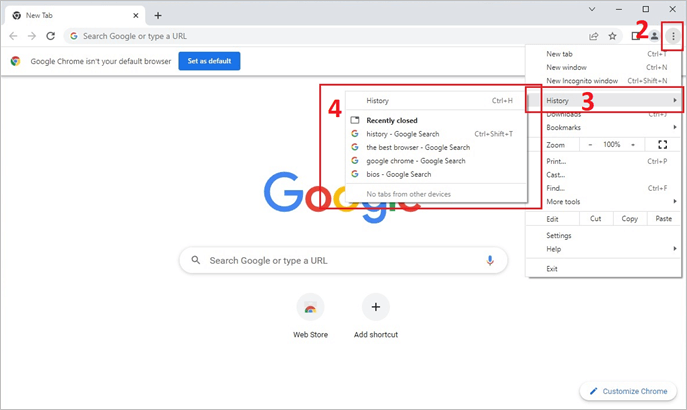
You can view your immediate history by going to the history page or by pressing "CTRL+H" on your keyboard.
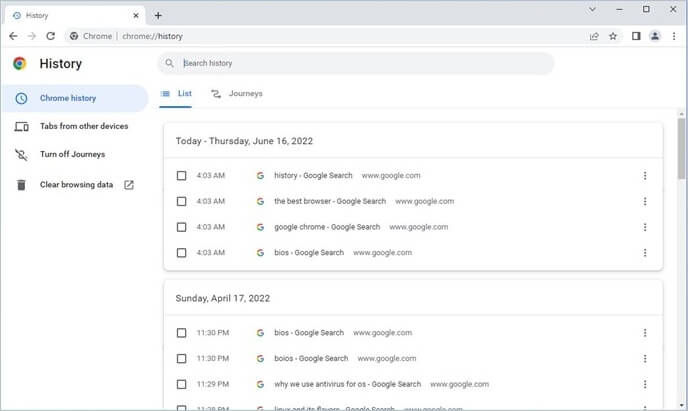
As you can see, doing this will open up the entire history section. You can scroll down further to view older history as well.
Method 2. View Chrome History on Android
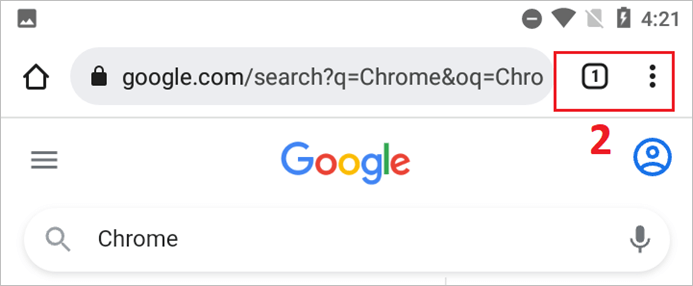
To view Google Chrome history on an Android device, simply open the Google Chrome app and tap the three dots at the top right corner. From the menu that appears, select "History." This will display a list of all the websites you've visited, along with the date and time of each visit.
Step 1. Open Google Chrome.
Step 2. Tap on the drop-down menu in the top-right corner.
Step 3. Tap on "History".
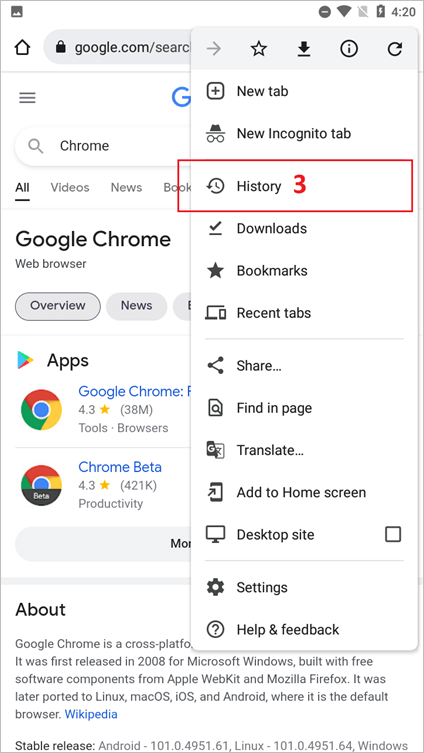
To view your browsing history on Android, go to the Chrome app, tap the three dots at the top right corner, and select "History". This will show you all the websites you've visited on your device, including any history synced from your Google account on a desktop.
Method 3. View Chrome History on iPhone/iPad
To view your browsing history on an iPhone using Chrome, simply open the Chrome app, tap the three dots at the top right corner, and select "History". From there, you can browse through your browsing history, delete individual entries, or clear all history. Alternatively, you can also use the address bar to type "chrome://history" and access your browsing history directly. This allows you to easily view and manage your browsing history on your iPhone.
Step 1. Open Chrome on iPhone or iPad.
Step 2. Head to the bottom-left and tap on the "menu".
Step 3. Tap "History" to view your browsing history.
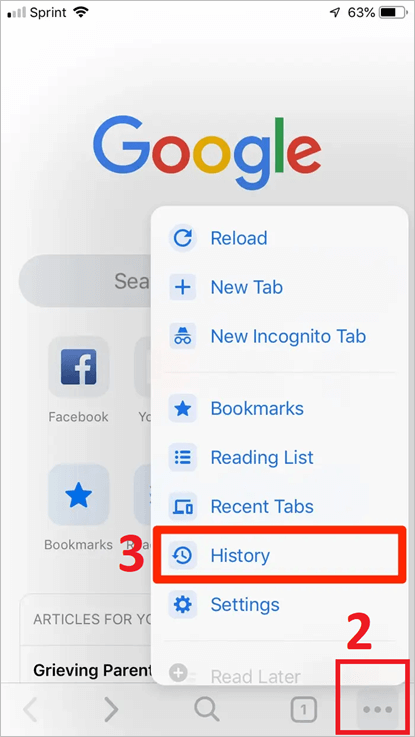
To view your Chrome history on an iPhone, you can follow these simple steps. First, open the Chrome app on your iPhone.
How to Delete Chrome History
You may want to delete your Chrome history to free up storage space on your device and improve browsing speed.
To delete your Chrome history on different devices, you can clear your browsing data, use the Chrome settings to delete history, or use third-party apps to delete browsing history. On Android devices, you can go to Settings > Google > Google Chrome, then tap on "Clear browsing data." On iOS devices, you can go to Settings > Chrome > Clear browsing data.
Solution 1. Delete Chrome History on Computer
The desktop Chrome application is optimized for larger screens and storage, allowing websites to be viewed at higher resolutions due to the increased display size and available storage on desktop computers.
To remove browser history on Chrome on a desktop computer, follow these steps: Go to Chrome, click on the three dots in the top right corner, select "More tools" and then "Clear browsing data" from the drop-down menu. In the "Clear browsing data" window, select the types of data you want to delete (such as browsing history, cookies, and saved website data), choose the time range for which you want to delete the data, and then click on the "Clear data" button. This will remove the browser history on Chrome and free up storage space.
Step 1. Open Chrome.
Step 2. Tap "CTRL+H" on your keyboard.
Step 3. Click on "Clear Browser History" on the left side of the browser.
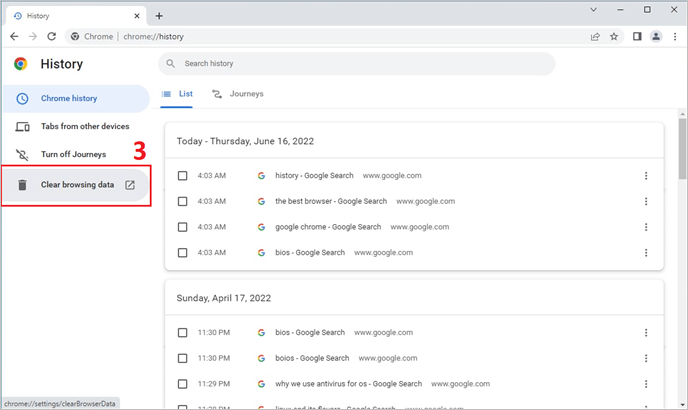
Step 4. In the clear history settings, click on "Time range" and select "All time".
Step 5. To delete specific history elements or checkboxes, navigate to the section containing the elements you want to delete. Select all the checkboxes or history elements you wish to delete by clicking on them while holding the Ctrl key (Windows) or Command key (Mac).
Step 6. Tap on "Clear data".
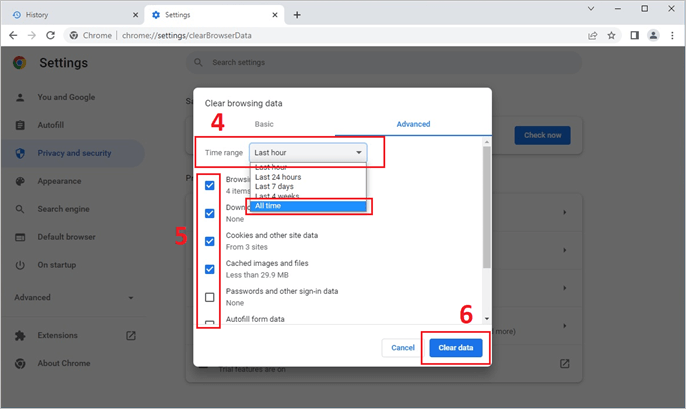
Once you click on "Clear data", the history will be wiped, and your Chrome's history section will be empty.
Solution 2. Delete Chrome History on Android
To clear Chrome history on Android, we'll need to access Android history, which will lead us to the options to delete Chrome history. We'll follow the same steps we used earlier to get there, and then we'll find the necessary options to clear Chrome history.
Step 1. Tap the drop-down menu.
Step 2. Click on "History".
Step 3. Find and tap "Clear browsing data…" on top.
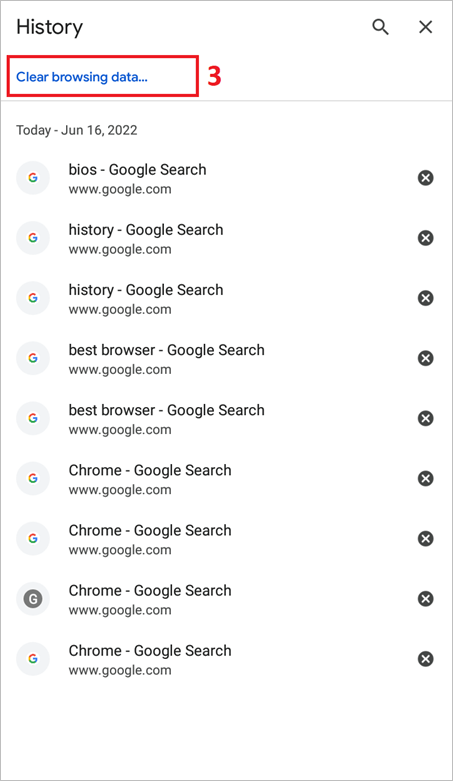
Step 4. Tap "Advanced".
Step 5. Check all the boxes that you need to delete.
Step 6. Tap on "Clear data".
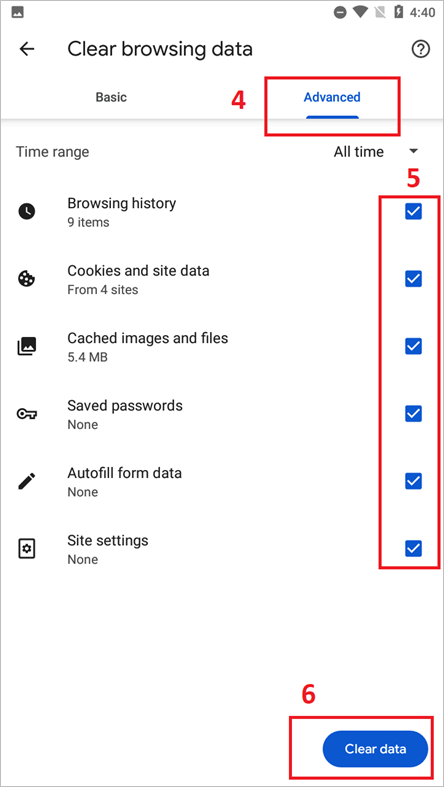
To clear Chrome history on an Android phone, go to Settings, then Apps, and select Google Chrome. Tap on Storage, then Clear storage, and confirm the action to clear all browsing history, cache, and data.
Solution 3. Clear Chrome History on iPhone/iPad
To clear Chrome history on an iPhone or iPad, tap the three dots on the top right corner of the Chrome browser, then tap "History," and finally tap "Clear browsing data." From there, you can select the time range you want to clear, such as the last hour, day, or week. Note that clearing your Chrome history will also remove any saved passwords and autofill data.
Step 1. Open the Chrome app from the home screen.
Step 2. Tap the "Menu" button.
Step 3. Tap "History".
Step 4. Pick the "Time Range".
Step 5. Check the data you wish to clear.
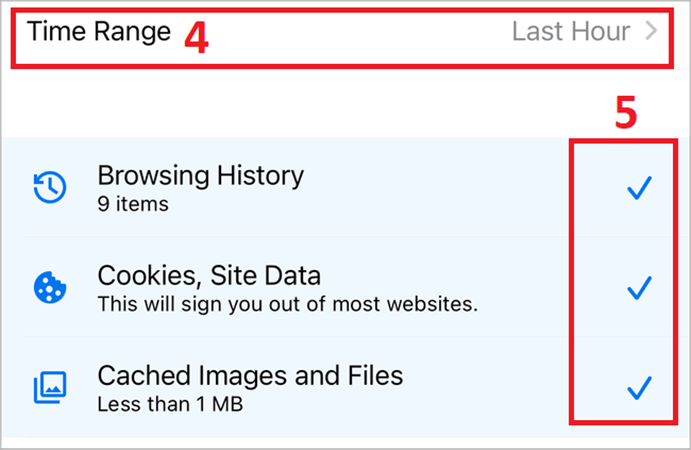
Step 6. Find "Clear Browsing Data" at the bottom and tap it.
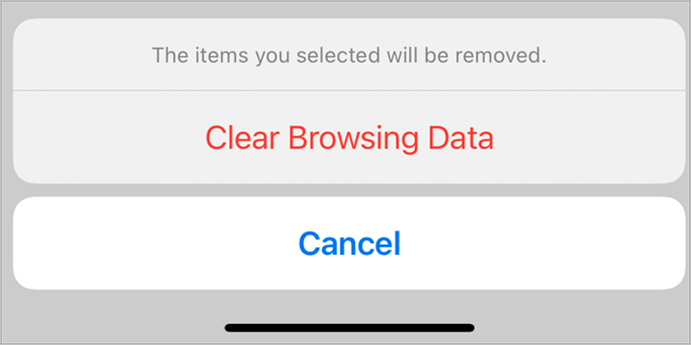
To clear history on an iPhone or iPad, go to the Settings app, then scroll down and tap on "Safari" (or the browser you're using). Tap on "Clear History and Website Data" and confirm that you want to clear the history.
Bonus Tip - How to Recover Deleted Chrome History
If you delete your Chrome history, you may lose access to accounts and passwords that are stored in Chrome, potentially causing issues with login and password recall. This can happen if you delete your browsing history, which includes saved login credentials and passwords, leading to forgotten login details and passwords.
The professional way to recover Chrome history is through Deep Data Recovery. This program helps you recover your Chrome history by using its advanced data recovery capabilities.
Deep Data Recovery, a leading data recovery tool, is trusted by over 7.5 million users, and its comprehensive features make it a reliable solution for users.
- Works on both PC and Mac
- Recovers deleted files, including those lost in the recycle bin, due to accidental deletion, or other similar scenarios.
- Recovers data after accidental formatting of a disk or drive
- The NAS recovery feature is a significant advantage, offering a high level of data protection and security. This feature, combined with the overall performance and capabilities of the tool, makes it a valuable asset for users.
- The app offers quick and advanced scanning modes, enabling users to perform a precise recovery of their data, tailored to their specific needs.
- Before recovering data, it's essential to preview your files to ensure precise and quick retrieval. This step helps you confirm that the data you're trying to recover is indeed what you need, saving time and effort in the process.
- Remote assistance is ideal for people who are not physically present or work from home, making it easier for them to receive help and support from experts or colleagues.
On top of recovering lost camera videos and photos, including damaged ones, this program can also recover deleted Chrome history. Its ability to recover lost data makes it a powerful tool, and its effectiveness in recovering photos and videos suggests it can also handle recovering deleted browser history.
Steps to Recover Deleted Chrome History Using Deep Data Recovery
Step 1. Select file types and click "Fast Scan" to start
Launch Deep Data Recovery. Select file types and click "Fast Scan" to start the recovery process.
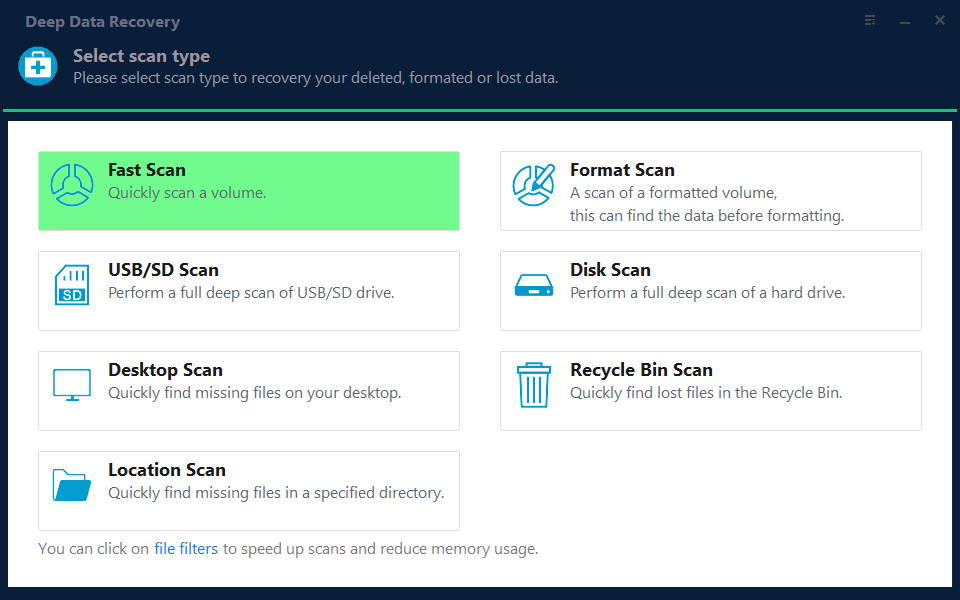
Note: You can choose different search modes based on where and why the data was lost.
Step 2. Select a location and start scanning
To recover deleted files, hover over the partition/drive where the files were stored. Then, click "Scan" to initiate the search for lost files.
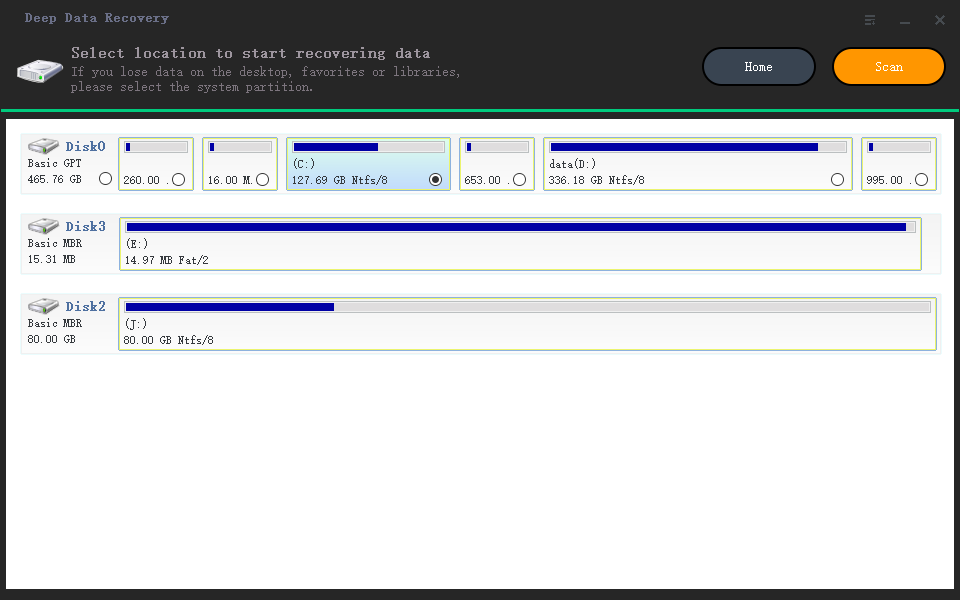
Step 3. Select the files you want to recover
After the scanning process is complete, choose the deleted files you want to recover. You can filter the results by file type or search for a specific file name in the search box. This allows you to quickly locate and recover the desired files.
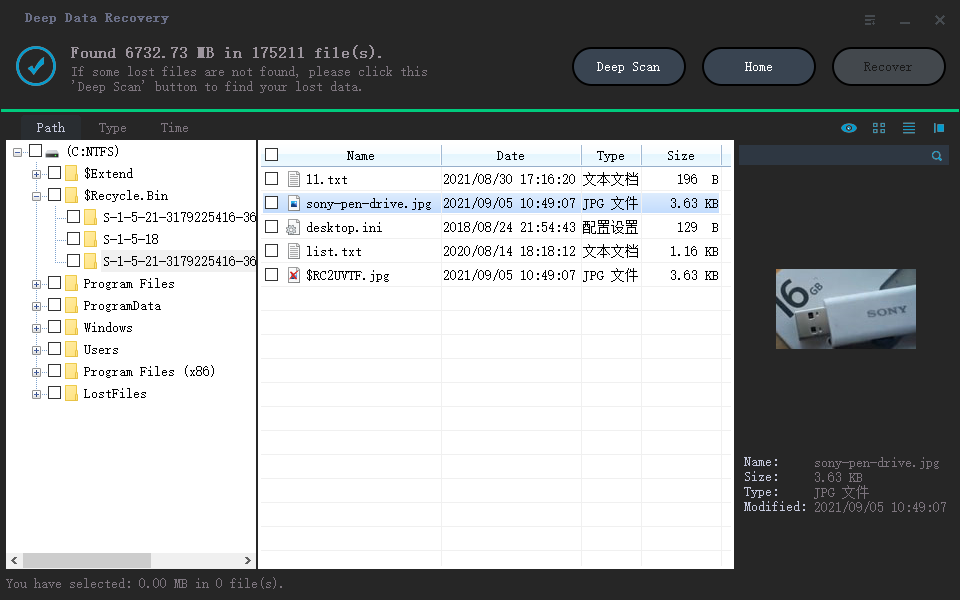
Step 4. Preview and recover deleted files
Preview the recoverable files, select the ones you want to restore, and click "Recover" to save them to a new location, bypassing the original lost disk.
The recovery program makes it easy to recover lost history, allowing you to see how easily it can help you recover lost data.
Conclusion
Viewing and deleting history on Chrome is straightforward on all devices, including phones and desktops, but be cautious and back up essentials like passwords or login data before deleting. Only delete history if you're unable to access a website or if it's taking up too much storage space.
Related Articles
- [Self-Check-and-Repair]: How to Repair External Hard Disk Not Detected in Windows 10
- Windows Cannot Find GPEDIT.MSC on Windows 11/10, Fixed Now!
- Does Formatting Laptop Make It Faster? HereAre The Full Answers!
- How to Recover Uninstalled Programs on Windows 10 and Windows 11
- M.2 Not Recognized? See How to Make Your M.2 SSD Show Up in Windows
M.2 SSD not recognized in Windows 10/8/7? Learn 5 proven fixes for BIOS, boot drive, Disk Management, and File Explorer detection issues. Recover your M.2 drive data with step-by-step solutions. - What Is M3U8 File? How to Open and Convert M3U8 File?
Users create playlists for listening to music without putting much effort into starting songs now and then. M3U8 Files are known to hold the user playlists. To use them in a better way, this article provides an overview of how to open and convert M3U8 files with the right approach.
Products
Articles & Tutorials
- Data Recovery
- Data Backup
- File Recovery
- File Backup
- System Backup and Restore
- Disk and Partition Clone
- Technical articles
- Mobile articles
- Disk Master Help
- Windows Data Recovery Tutorials
- Windows Secure Delete Tutorials
- Windows Partition Management Tutorials
- Windows File Backup and Restore Tutorials
- Windows System Backup and Restore Tutorials
- Windows Disk Backup and Restore Tutorials
- Windows Clone Tutorials