Can You Create Windows 10 Recovery/Repair Disk from Another Computer
Since the launch of Windows 10, various problems have occurred that prevent the PC from working properly, often requiring system repair to correct errors or corruptions. However, in severe cases where the computer cannot boot properly and built-in recovery options are unavailable, a Windows 10 repair disk is necessary to assist with system recovery.
PAGE CONTENT:
- Can I Use a Recovery Disk on a Different Computer in Windows 10
- Create Windows 10 Repair or Recovery Disk from Another Computer
Can I Use a Recovery Disk on a Different Computer in Windows 10
Many users want to know if they can use a recovery disk on a different computer in Windows 10. The answer is yes, and third-party backup software can make this solution feasible. However, using the Windows built-in feature to create a Windows 10 repair disk from another computer may result in compatibility issues, causing the disk to fail when used on another computer. To create a Windows 10 recovery disk for another computer, using Qiling backup software is a helpful alternative, especially when the system repair disc cannot be created.
Create Windows 10 Repair or Recovery Disk from Another Computer
To create a Windows 10 backup image, follow these step-by-step guides. First, ensure you have enough free space on your external hard drive or USB drive to store the backup image. Next, connect the external drive to your computer and ensure it's recognized by Windows.
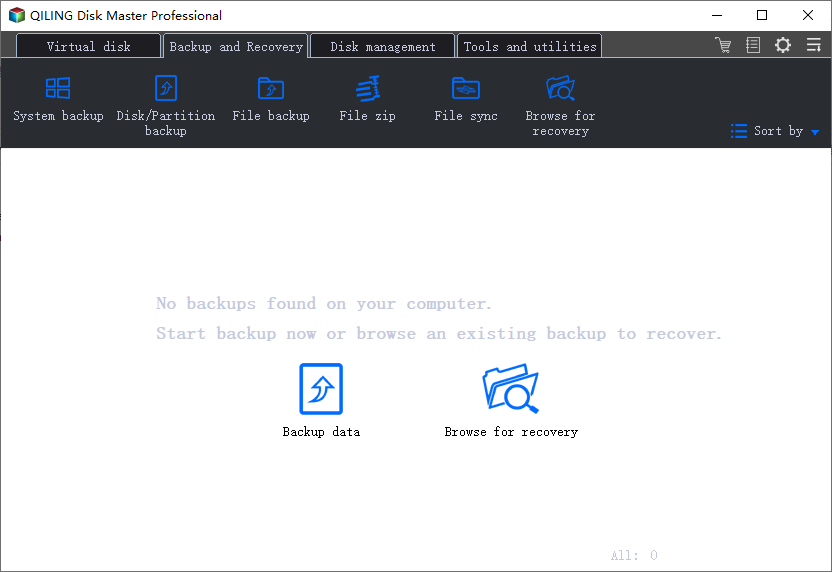
Step 1. To backup only Windows 10 on your computer, choose the "System backup" option on the "Backup and recovery" page directly.
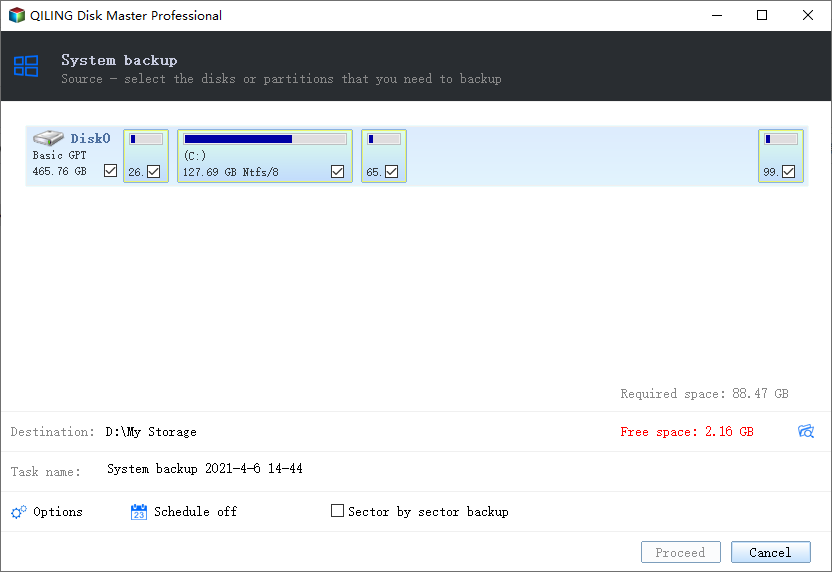
Step 2. In the next window, you can customize your own Windows 10 backup by selecting a backup location (such as an HDD, USB hard disk, network drive, or Cloud drive), adding a plan name and text description to it.
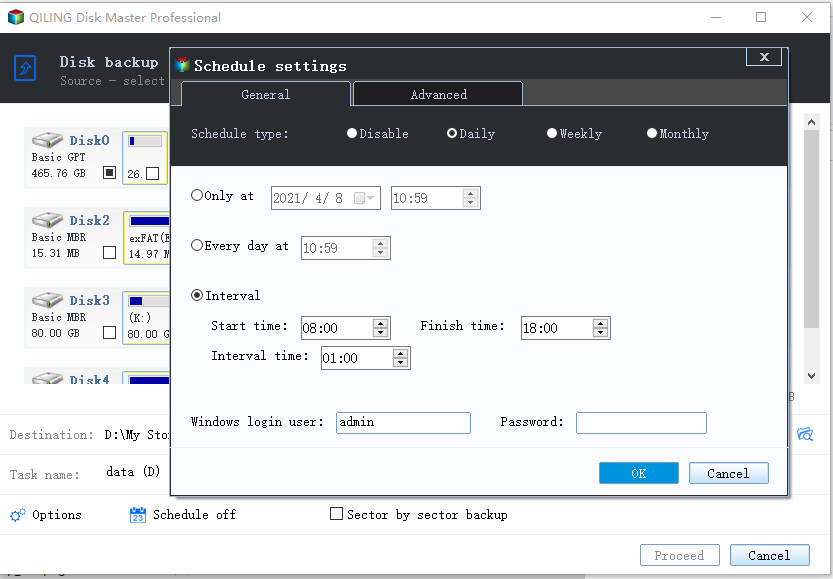
To enable automatic Windows 10 backups, go to the "Schedule" section and set a time for daily, monthly, or event-based backups. You can also choose to run the backup during system startup, shutdown, user logon, or logoff.
Step 3. Once all the basic settings were made, click "Proceed". Wait for a while to create a full Windows 10 backup, protecting your system from unexpected disasters.
The operation will make the software start to create a Windows recovery disk, allowing you to repair a corrupted or failed system on another computer by restoring it to its working state. For a detailed guide, refer to how to restore system image to different/dissimilar hardware.
Related Articles
- How to Password Protect Flash Drive Windows 10
- Windows To Go Creator for Windows 10/8/7
- How to Backup SD Card to Google Drive
- Copy/Move Windows.old Folder to External Hard Drive
- How to Backup Data without Booting into Windows
- How to Backup Files in Windows 10 for Full Recovery (100% Work)
Back up files in Windows 10 with built-in tools or backup software and protect documents, photos, and important data from loss.
Products
Articles & Tutorials
- Data Recovery
- Data Backup
- File Recovery
- File Backup
- System Backup and Restore
- Disk and Partition Clone
- Technical articles
- Mobile articles
- Disk Master Help
- Windows Data Recovery Tutorials
- Windows Secure Delete Tutorials
- Windows Partition Management Tutorials
- Windows File Backup and Restore Tutorials
- Windows System Backup and Restore Tutorials
- Windows Disk Backup and Restore Tutorials
- Windows Clone Tutorials