How to Corrupt A Flash Drive on Purpose
While many online tutorials focus on recovering data from corrupted flash drives, some individuals may be looking for ways to intentionally damage or destroy a flash drive they no longer need or want to reuse. This could be due to various reasons, such as disposing of sensitive information or preventing others from accessing the drive's contents. In such cases, people may seek methods to corrupt a flash drive on purpose, rendering it unusable and protecting the data within.
***Do not attempt to ruin the flash drive that should have preserved your homework or any assigned task as a disguise.
What Does It Mean: Corrupt?
Corruption can affect both devices and data. Corrupting a flash drive means rendering it unusable, either by physical destruction or using specialized software. The goal is to make the device "disappear" from digital recognition, making it unrecognizable to Windows computers, Macs, and other digital products. There are two types of corruption: visible and invisible, with the latter being more difficult to detect.
#1. Signs of your flash drive have visually damaged:
- The flash drive components have been torn apart
- The flash drive has been burnt out
- The flash drive has been exposed to water for an extended period, potentially causing permanent damage to its electronic components and rendering it unusable.
- The flash drive has significant scratches on its surface and on the exposed chip, which could potentially cause damage or affect its functionality.
- When a flash drive is connected to other hardware, it can cause electrical surges that may damage the drive or other connected devices. This can occur due to a variety of reasons, such as a faulty USB port, a malfunctioning device, or a power surge in the electrical system.
#2. Other signs for you to determine a flash drive corruption beyond eyes:
- Windows may not be able to detect, recognize, or read/write data to the flash drive due to various reasons such as corrupted drivers, outdated firmware, or physical damage to the drive. In such cases, the flash drive may not appear in the File Explorer, and any attempts to access it will result in an error message.
- If your flash drive isn't showing up or won't open when you double-click it, try checking the drive's file system and formatting. Ensure the drive is properly connected and recognized by your device.
- The flash drive's data files appear distorted or display errors when opened, indicating potential corruption or damage to the data stored on the drive. This could be due to various reasons such as physical damage to the drive, software issues, or data corruption during transfer or storage.
- Utilize specialized data recovery software to scan the flash drive, but unfortunately, no recoverable files are detected.
What Can Corrupt A Flash Drive?
A hammer, a hand drill, water, microwave, or a freezer? Wait. Do you want the flash drive physically damaged or temporarily paralyzed? Do not use the wrong force if you still want to keep the flash drive in a good state. Otherwise, just smash it with a hammer, or submerge it in water for a permanent erosion. It's that simple and you won't let me to show you how to use the force, right?
Don't put a flash drive in a microwave to heat it up, as it can damage both the drive and the microwave.
According to what I've learned on many forums like Reddit and Quora, many people who search answers to how to corrupt a flash drive are not meant to physically damage it, but pretend it to be corrupted. Is it the same request sent by you?
For many users without extensive computer knowledge, a malfunctioning flash drive is often mistaken for a corrupted device. However, those with some computer skills can usually find troubleshooting guides and attempt to resolve the issue, potentially making the drive usable again.
How to Corrupt A Flash Drive Using CMD
Windows DiskPart command lines are used to troubleshoot and resolve issues with hard drives, partitions, volumes, and virtual hard disks. They can help identify and fix hardware and software problems, and even wipe a device as if it never existed, making it appear as an inaccessible drive with error messages suggesting severe corruption.
To make a flash drive appear corrupted and unusable, you can use the `dd` command to overwrite the flash drive's contents with zeros. Here's how you can do it: `dd if=/dev/zero of=/dev/sdb` (replace `/dev/sdb` with the actual device name of your flash drive).
Step 1. Connect your flash drive to a computer. Press Windows + X keys and run Windows Command Prompt as admin.
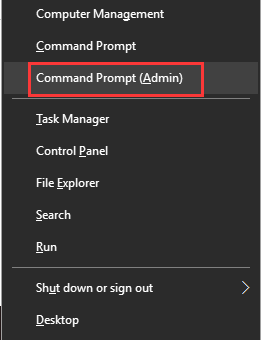
Step 2. Enter the command lines given in the box each by each. Press Enter after each command.
- diskpart
- list disk
- select disk 1
- clean
Note: At the "select disk 1" step, replace the number 1 with the correct disk number of your device, which can be identified by its size (capacity).
How to Wipe Out A Flash Drive and Corrupt It
The CMD method can cause a flash drive to become unusable, resulting in data loss. However, experts may be able to recover data from a compromised flash drive. To completely erase data and prevent the flash drive from appearing again, one can use third-party data wipe software on a separate HDD or SSD.
Qiling Partition Master allows for a thorough cleaning of a flash drive, deleting all data and making it impossible to recover using any data recovery software or expert. This process is so effective that the flash drive will no longer be recognized by the computer, making it seem as if it has disappeared.
Step 1. Connect external devices to the PC, then launch Qiling Partition Master and select "Wipe Data" from the "Tools and utilities" page.
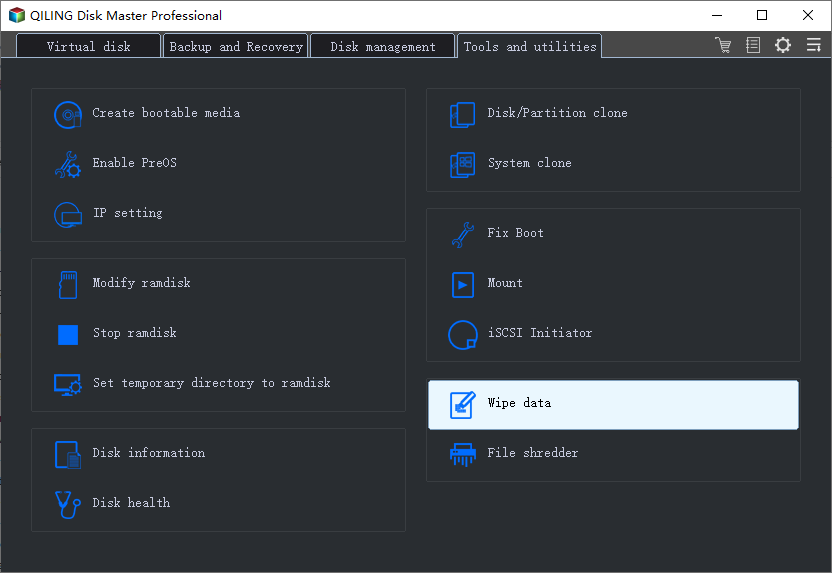
Step 2. In the new window, set the time for which you want to wipe your partition.
Step 3. Click the partition you want to erase data from, and click "Proceed".
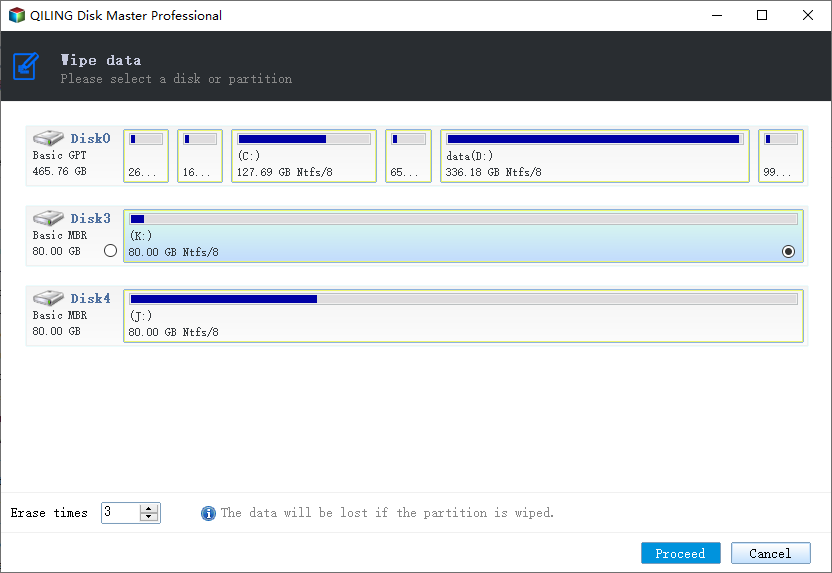
After using Qiling Partition Master to wipe a flash drive, it will no longer appear in Windows Explorer once connected, as it has been converted to unallocated space, and any data on it will be irretrievable.
Related Articles
- HDD Format Tools | 6 Best Hard Drive Disk Format Tool
- Windows 11 Is Not Booting? Your Fixes Are Here!
- 10 Ways to Open File Explorer: Fix 'Where is File Explorer on My Computer'
- How to Repair Windows 11 UEFI Bootloader [Full Guide]
- [How-to] Format Disk from MBR to GPT with DiskPart in Windows 10
- How to Ghost a Hard Drive in 3 Steps
- Backup Computer to USB Flash Drive in Windows 10/8/7
Products
Articles & Tutorials
- Data Recovery
- Data Backup
- File Recovery
- File Backup
- System Backup and Restore
- Disk and Partition Clone
- Technical articles
- Mobile articles
- Disk Master Help
- Windows Data Recovery Tutorials
- Windows Secure Delete Tutorials
- Windows Partition Management Tutorials
- Windows File Backup and Restore Tutorials
- Windows System Backup and Restore Tutorials
- Windows Disk Backup and Restore Tutorials
- Windows Clone Tutorials