Windows Backup Failed While Determining Libraries Location [Best Solutions]
Introduction
When backing up files and data, users often wish to restore them in case of a system crash or malware attack. However, they may encounter the error "Windows backup failed while determining libraries location" or error 0x81000031, indicating that the Windows system failed to detect the location of the default libraries or they were unavailable.
In a worst-case scenario where the system is unable to back up data, various methods can be employed to resolve the issue. This article will explore these solutions and also recommend using free third-party software to prevent similar problems in the future.
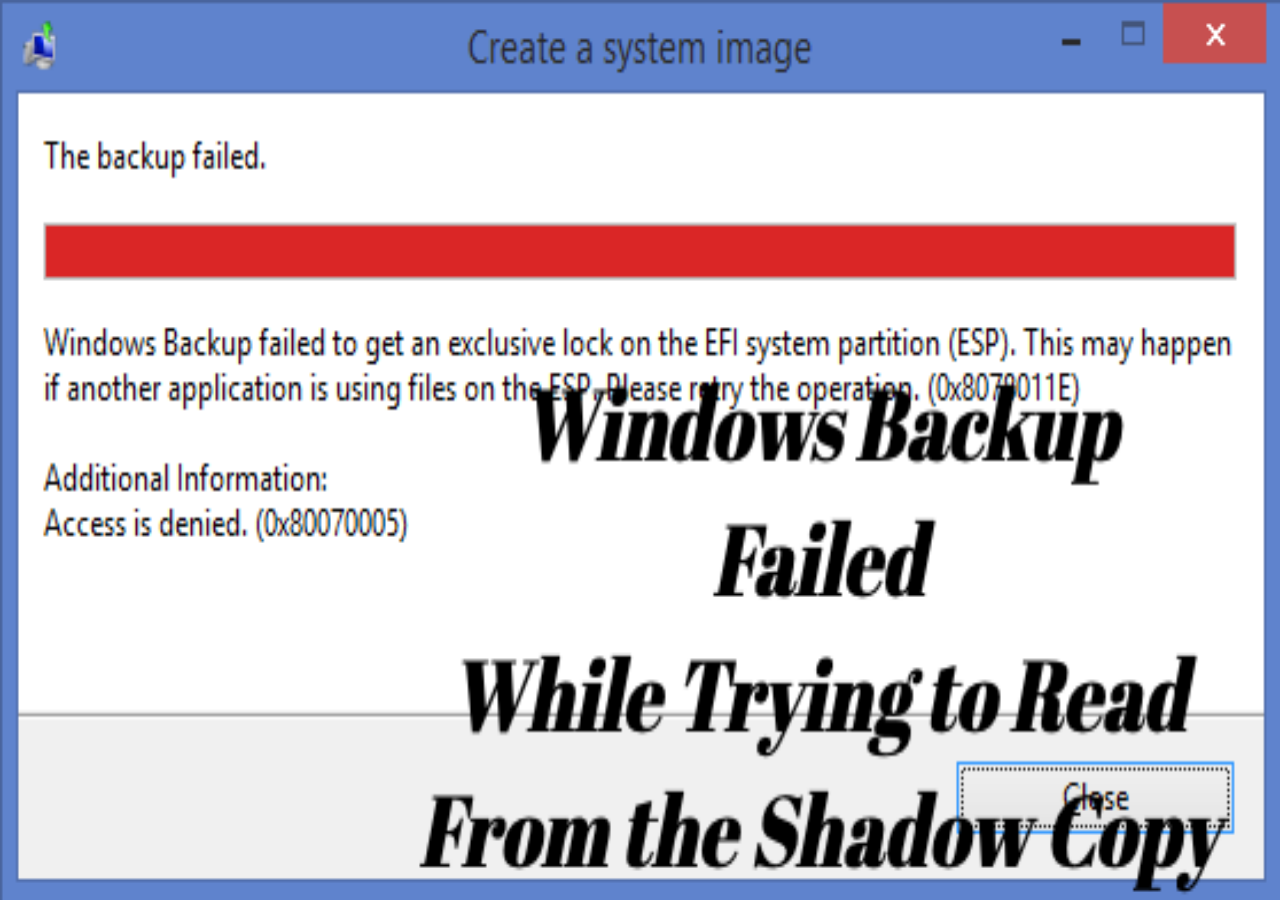
The Windows backup files are stored in the %SystemDrive%\Users\[username]\AppData\Local\Microsoft\Windows\Backup folder, where %SystemDrive% represents the drive where Windows is installed, and [username] is the name of the user account. This folder may not exist by default, and its presence depends on whether the user has enabled the built-in Windows Backup feature.

The backup files in Windows are stored in a folder called "WindowsImageBackup" within the "Backup" folder. This folder is usually located in the root directory of the drive where the backup was created, such as C:\Backup, D:\Backup, etc. The "WindowsImageBackup" folder contains a series of folders with names that match the date and time the backup was created, and within each of these folders, you'll find the actual backup files.
You're aware of the significance of backing up your files, but have you ever wondered what happens after the backup process is complete?
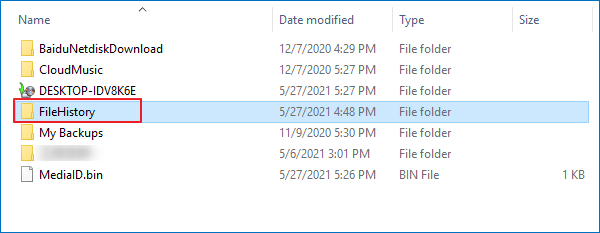
Ways to Fix Windows Backup Failed While Determining Libraries Location
To resolve the Windows backup error 0x81000031, you can try restarting the backup service, checking for corrupted system files, running a System File Checker scan, or reinstalling the Windows Backup and Restore feature. Additionally, updating your Windows installation to the latest version may also resolve the issue. If none of these steps work, you can try resetting the Windows Update components or performing a System Restore to a previous point when the backup was working correctly.
We'll start by discussing Windows backup software to help you resolve the issue, then move on to recommend other possible fixes, which you can try out to determine the most effective solution for your problem.
- Method 1. Try Free Windows Backup Alternative
- Method 2. Restore Default Libraries
- Method 3. Check Your Disk for Bad Sectors
- Method 4. Delete the "Windows Image Backup" Folder
- Method 5. Run the System File Checker Command
Method 1. Try Free Windows Backup Alternative
To fix error 0x81000031, you can try using free backup software like Qiling Backup Free, which is reliable in saving and recovering your backup files and data. This software allows you to backup various items, including program files, system settings, hardware drivers, and personal files, making it a useful tool for maintaining your Windows computer's data.
Qiling Backup Free offers various backup options, including scheduled, incremental, differential, encrypted, and automatic backups, allowing you to save files to a network, local drives, external drives, NAS, or the cloud.
Qiling Backup Free allows you to recover backups in case of a computer crash or malware attack, either to the original location or a new one, and provides a free backup space of up to 250GB if your current storage space is exceeded.
Advantages of Qiling Backup Free During Windows Backup
- Password-enabled backups.
- Multi-path backup storage.
- Allows you to schedule daily, weekly, or monthly backups.
- Bootable backup recovery using WinPE bootable disk.
- The backup efficiency was improved to save on disk space and backup time.
Download and install Qiling Backup Free to enjoy its remarkable backup features, which are easy to use and require only a few basic steps. To get started, simply follow the installation process, and you'll be able to take advantage of the software's convenient features.
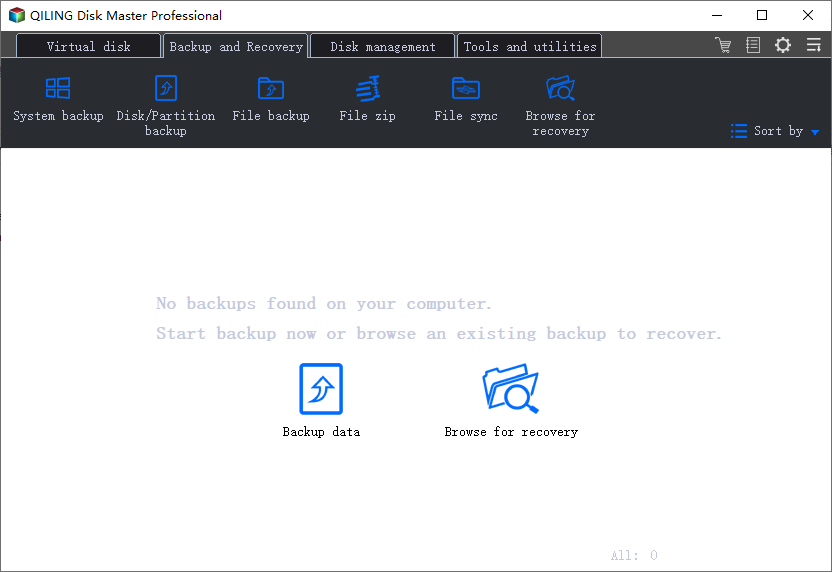
Step 1. On the main page, click "System backup" button.
Step 2. Qiling Backup will automatically select your system partition, so you only need to choose where you want to save the backup.
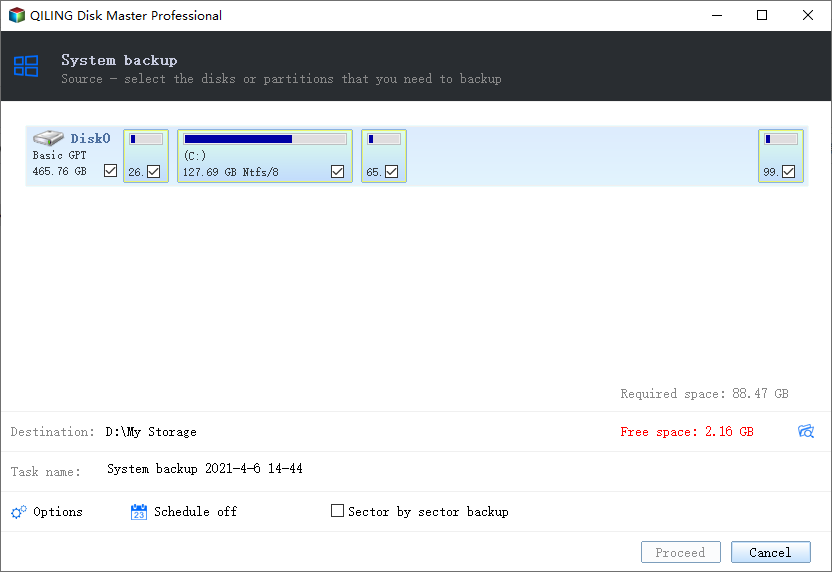
Step 3. You can save the backup file on either your local drive or a network-attached storage (NAS) device.
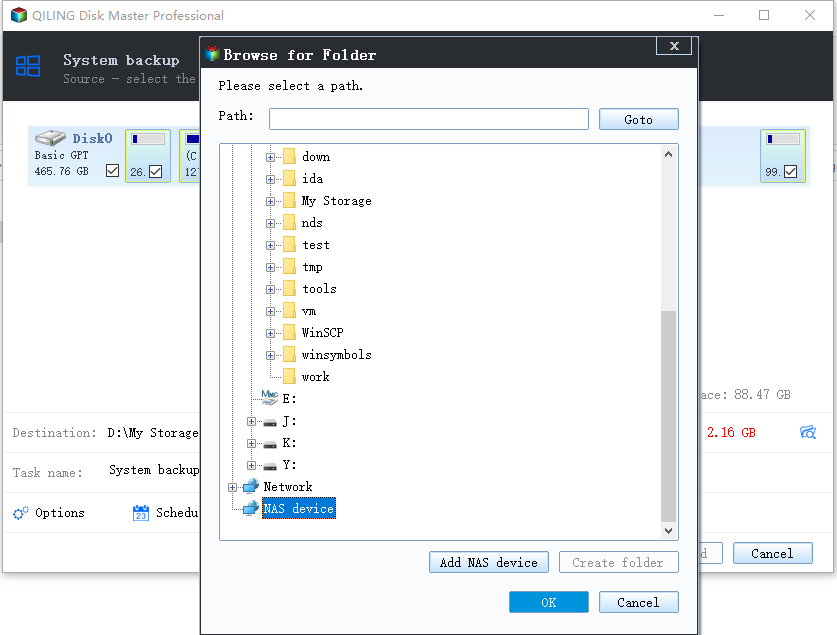
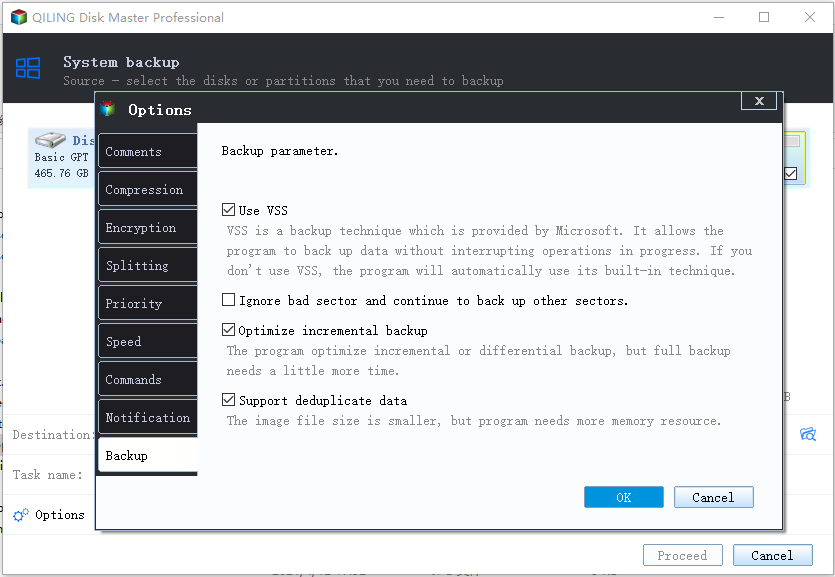
Step 4. After completing the backup process, you can check the backup status, recover, open, or delete the backup by clicking on the backup task on the left.
Method 2. Restore Default Libraries
The error 0x81000031 may occur when your computer is unable to access custom libraries created during the backup process, especially if they are saved on a network drive or removable media, making it difficult for Windows to determine their location.
To resolve the issue and perform a normal system backup, you'll need to restore your default libraries, including Pictures, Documents, Videos, and Music. This can be done by following the steps below:
Step 1. Navigate to the Explorer windows and select "Libraries".
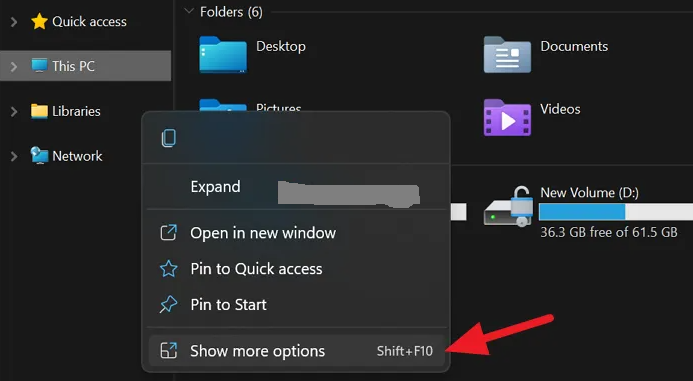
Step 2. To access additional options for "Libraries", right-click on the "Libraries" icon and select "Show more options" from the dropdown menu.
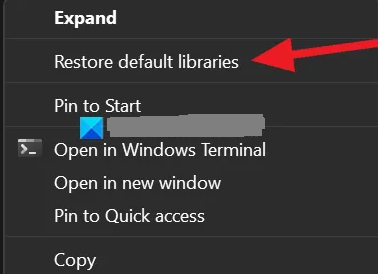
Step 3. To restore default libraries, click on the "Restore default libraries" option. This will delete any custom libraries you had created and replace them with the default ones.
Step 4. To resolve the issue, start the backup process again to verify if the fix has worked. If the system successfully saves your files and data, it indicates that the problem has been resolved.
Method 3. Check Your Disk for Bad Sectors
If your computer is experiencing issues determining the location of your default libraries, it may be due to bad sectors on your disk. To resolve this, you'll need to fix the bad sectors, which will allow your system to backup data normally. To check for bad sectors, you can follow these steps.
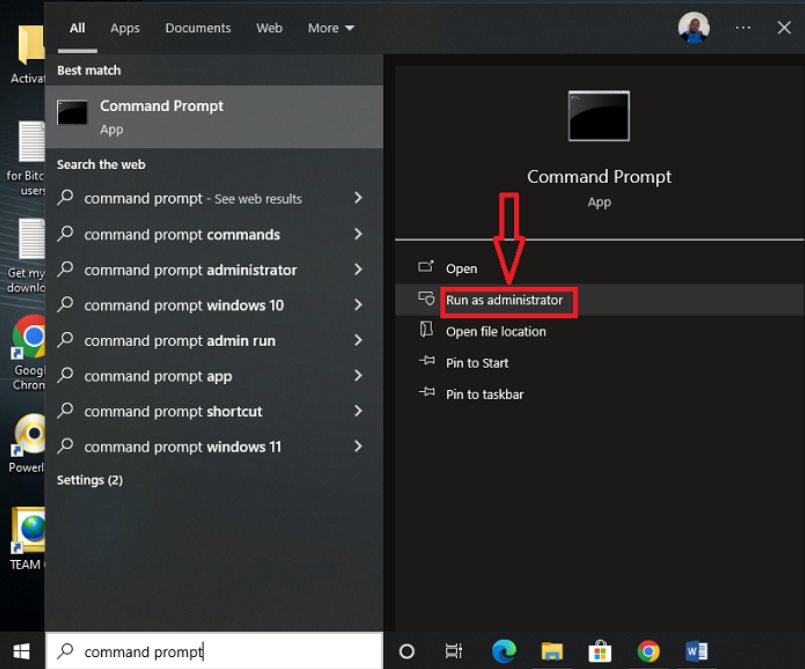
Step 1. Open Command Prompt as an administrator.
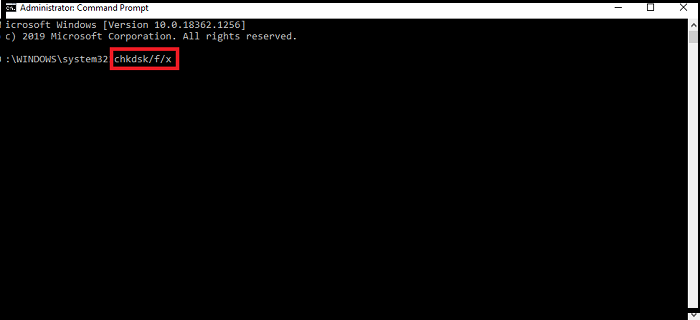
Step 2. Type the following command and press Enter: chkdsk /f /x
Step 3. Follow the instructions displayed on your screen to finish the checkup process.
Step 4. After the checkup process is completed, restart your device to see if it resolves the error 0x81000031. If the issue was caused by bad disk sectors, your system should now function normally after the restart.
Method 4. Delete the "Windows Image Backup" Folder
Windows backup may fail to find library locations due to a failed image backup system. To resolve this issue, delete the existing image backup and create a new one. This can be done by following these steps:
Step 1. Open Command Prompt as an administrator.
Step 2. Type the command: dir/s/aF:\WindowsImageBackup where F is the backup letter for your external hard drive. Next, press Enter. This command will list all files and subdirectories in the specified directory in a detailed format, including file size and last modification date. This will help you verify that the backup was created successfully and that all files are present.
Step 3. To delete the existing image folder, type the following command and press Enter: rd /s /q F:\WindowsImageBackup
Your system will now delete the old image backup. To create a new backup image for your files and data, repeat the backup process.
Method 5. Run the System File Checker Command
To fix Windows not locating Libraries due to corrupted system files, run the System File Checker (SFC) command by following these steps:
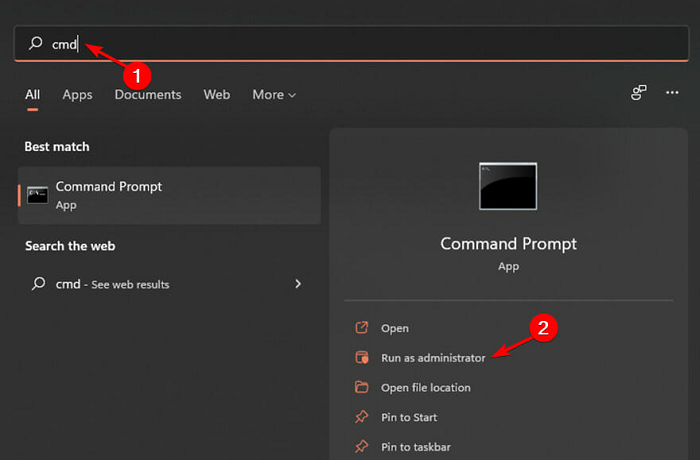
Step 1. To access the Command Prompt, navigate to the search bar and type 'cmd.' Then, click on 'Run as administrator.'
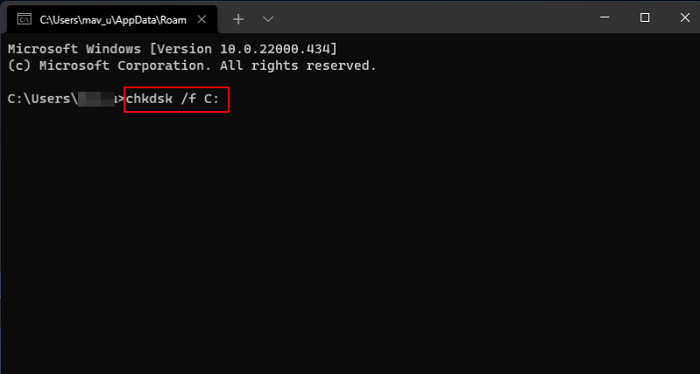
Step 2. Type this command: chkdsk /f and press Enter.
Step 3. Run the System File Checker (SFC) command in Command Prompt by typing `sfc /scannow` and pressing Enter. This will scan and replace any corrupted system files. If the issue persists, proceed with the next steps.
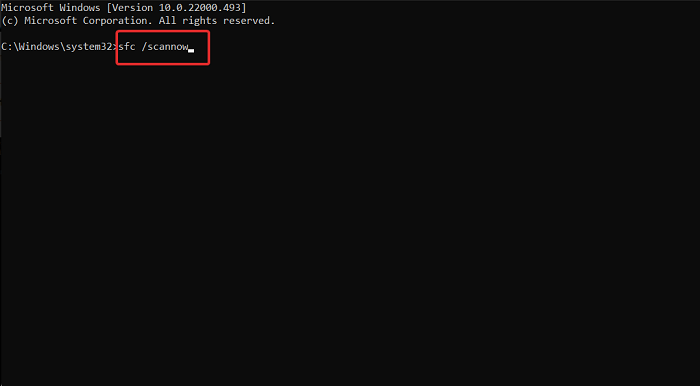
Step 4. The system will scan and repair corrupt system files, taking about 20 minutes. After completion, restart your computer and verify if the error is resolved.
Conclusion
Error code 0x81000031 is a common backup issue in Windows where the system fails to determine the location of backup libraries. To resolve this, you can use the Qiling Backup Free software or other alternatives to fix the issue.
- Restoring default libraries.
- Checking out for bad sectors in your disk.
- Deleting the "Windows Image Backup" folder.
- Running the SFC command.
Qiling Backup Free is the best backup option due to its reliability and generous free storage space of up to 250GB. This free version also offers various backup options, including incremental and differential backups, making it a seamless Windows backup solution. To enjoy this hassle-free backup experience, download and install the free version of Qiling Backup today.
Windows Backup Failed FAQs
Want to know more about error code 0x81000031? We've answered the following questions for you.
1. Why Does My Windows 10 Backup Keep Failing?
Your Windows 10 backup may fail due to various issues, such as a corrupted system file, a full disk, or an incorrect backup configuration, which can prevent the backup process from completing successfully.
- Errors related to Windows update
- Driver issues
- Insufficient disk space
- Corrupted registry files
- Corrupted system files
If you feel that your Windows 10 device is not backing up correctly, check out for any of these errors.
2. Why Does My Windows 7 Backup Keep Failing?
When custom libraries aren't available or BitLocker drive encryption is enabled, Windows 7 backup may fail. To resolve this, restore default libraries or disable and re-enable BitLocker encryption.
3. How Do I Change Windows Backup Location?
To change the Windows backup location, go to "Settings" > "Update and Security" > "Backup" > "Add a drive", then select a network location or external hard drive for your backup.
Related Articles
- How to Ghost Hard Drive in Windows 10
- Windows To Go Creator for Windows 10/8/7
- [2 Safe Ways] How to Backup Windows 11 to USB
- Backup Computer to USB Flash Drive in Windows 10/8/7
- How to Move CCleaner to New Computer?
This post will guide you on how to move CCleaner to a new computer. There are two ways, including automatic and manual to help you move CCleaner to a new computer. Click here to learn more. - How to Move Cod Vanguard to Another Drive/PC [2022 Complete Guide]
If you're running out of space due to data accumulation, you might want to consider moving COD Vanguard to another drive or PC. For this, you can follow a guide that also discusses the use of Qiling Disk Master, a tool that can help you efficiently process this task.
Products
Articles & Tutorials
- Data Recovery
- Data Backup
- File Recovery
- File Backup
- System Backup and Restore
- Disk and Partition Clone
- Technical articles
- Mobile articles
- Disk Master Help
- Windows Data Recovery Tutorials
- Windows Secure Delete Tutorials
- Windows Partition Management Tutorials
- Windows File Backup and Restore Tutorials
- Windows System Backup and Restore Tutorials
- Windows Disk Backup and Restore Tutorials
- Windows Clone Tutorials