How Many CPU Cores Do I Have [Fixed]
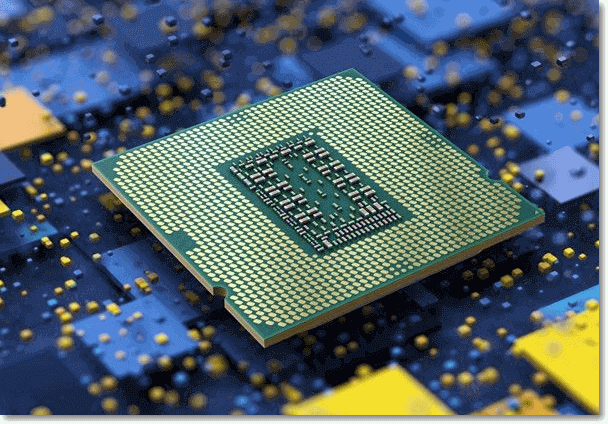
The performance of a CPU is influenced by the number of cores it has, with each core serving as a fundamental computing unit. The CPU is responsible for handling all actions, whether big or small, that you perform on your computer.
You may have wondered how the speed of a computer's central processing unit (CPU) is affected, and the answer lies in its number of cores. As soon as you find out that the CPU's speed is impacted by its core count, you'll likely start wondering, "How many CPU cores do I have?" This post aims to answer that very question.
Method 1. Using CPU-Z
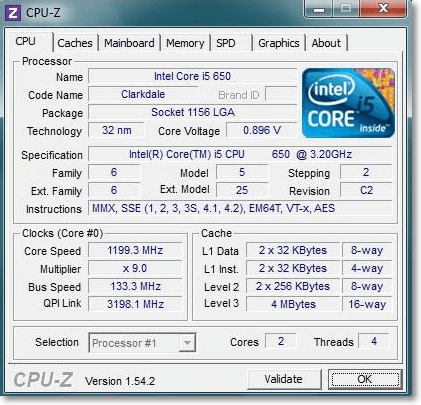
CPU-System Profile and Monitoring Tool, available for free on Microsoft Windows and Android, is a tool that determines the CPU, RAM, motherboard and other components of a computer or mobile device, collecting data on key system parts such as Processor's name and number, Mainboard, and more.
Here’s how you can do it in one paragraph:
Step 1. Download and install CPU-Z on your computer, then launch the tool.
Step 2. The CPU information can be found on the main page, with the CPU core located next to the "Cores" option.
Method 2. Using msinfo32
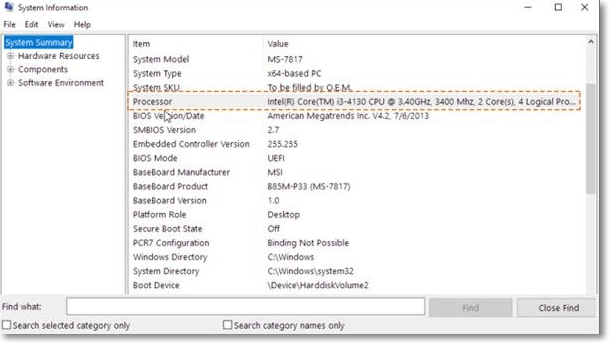
Microsoft Windows' included system profiler, msinfo32, provides access to diagnostic and troubleshooting details about the OS, hardware, and applications, helping to troubleshoot PC difficulties by compiling data about the system and presenting a detailed overview of hardware, system components, and software environment.
To determine how many CPU cores you have via msinfo32, simply open the Run dialog (Windows key + R), type "msinfo32" and press Enter. This will open the System Information window, where you can click on "System Summary" on the left-hand side and then click on "Components" on the left-hand side under "System Summary".
Step 1. To access the System Information window, press the Windows key + R, then type 'msinfo32' and press Enter.
Step 2. To see your computer's number of cores and logical processors, go to the Processor tab. The number of cores will be listed as "Number of Cores" and the number of logical processors will be listed as "Number of Logical Processors".
Method 3. Using Task Manager
To find out how many CPU cores you have, you can use Task Manager, a system monitor tool that allows you to see and manage the computer's processes and software, as well as the system's overall health. Additionally, you can use the Task Manager to terminate processes, alter scheduling priority, and reorder tasks to achieve optimal performance. If the system is too busy or unresponsive, you can use Task Manager to shut it down and restart it.
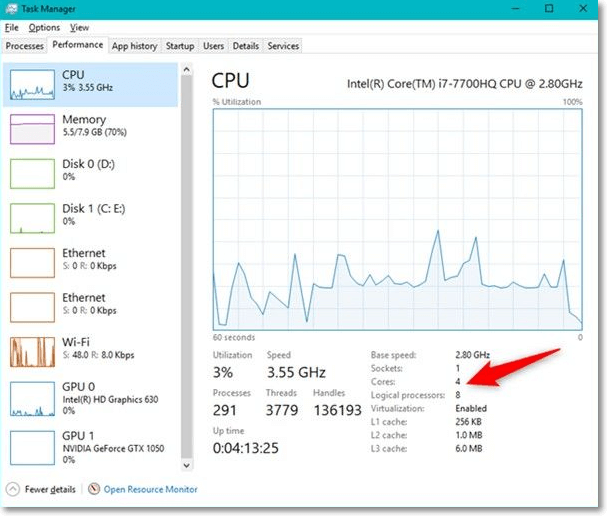
To find out how many CPU cores you have, open Task Manager, click on the "Performance" tab, and look for the "CPU" section. The number of CPU cores will be displayed as a number, such as "8" or "4", indicating the total number of cores available for processing tasks.
Step 1. To launch Task Manager, press the keys Ctrl + Shift + Esc simultaneously or search for it in the Search menu.
Step 2. Once the Task Manager is launched, click on the Performance tab from the above menu.
Step 3. You can find out your CPU cores next to the Cores tab at the bottom right.
Method 4. Find Information on The Official Website of The CPU Manufacturer
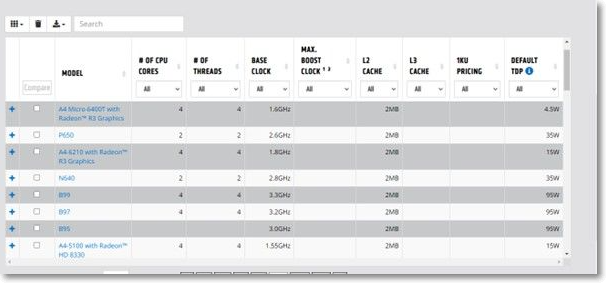
To find out the number of CPU cores you have, you can check your computer's specifications or visit the official website of your CPU manufacturer. On the website, search for your Processor and look for its specifications, which should indicate the number of CPU cores it has. This method provides accurate information about your CPU cores.
Step 1. To access the properties of your computer, right-click on "This PC" and select "Properties" from the drop-down menu.
Step 2. See your CPU information next to the Processor tab.
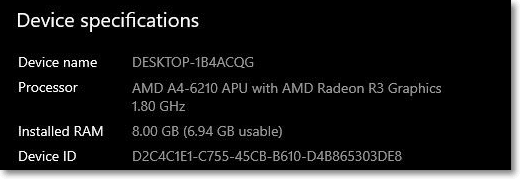
Step 3. To find the number of CPU cores, visit the official website of the CPU manufacturer, such as Intel or AMD, and search for your specific processor model's specifications. This will provide you with detailed information about the processor, including the number of cores it has.
Conclusion
To find out how many CPU cores you have, it's a common curiosity that can be easily solved even for those without technical knowledge. You can find the answer to "How Many CPU Core Do I Have" by following one of the methods discussed in this article, which aims to provide a straightforward solution for those seeking to know the number of cores their CPU has.
Related Articles
- How to Solve SD Card Deleting Files by Itself in Every Possible Way
- How to Enable Windows Defender on Windows 11/10/8
- Can't Format External Hard Drive? 6 Ways to Help
- How to Choose and Set the Roku SD Card Format [2022 Best Ways]
- Guide on Format Partition in Linux [Effective & Easy Solutions]
Learn how to format a partition in Linux with this step-by-step guide. Format partitions to FAT32, Ext4, or NTFS using mkfs commands, plus use Qiling Partition Master for EXT2/3/4 formatting. - Free Download Easy Recovery Software to Restore Lost Data in 2022
Easy recovery software - Deep Data Recovery is available supports to recovering lost data like pictures, videos, documents, etc. on Windows 10/8/7/XP, etc., PC. Free download Qiling easy data recovery software and follow the instructions here to bring back your lost files immediately.
Products
Articles & Tutorials
- Data Recovery
- Data Backup
- File Recovery
- File Backup
- System Backup and Restore
- Disk and Partition Clone
- Technical articles
- Mobile articles
- Disk Master Help
- Windows Data Recovery Tutorials
- Windows Secure Delete Tutorials
- Windows Partition Management Tutorials
- Windows File Backup and Restore Tutorials
- Windows System Backup and Restore Tutorials
- Windows Disk Backup and Restore Tutorials
- Windows Clone Tutorials