How to Turn on Bluetooth on Windows 10
Transferring files from your Windows 10 device to another device is easy using Bluetooth, and it doesn't require any additional accessories for a successful transfer.
This article provides guidance on pairing Bluetooth devices, troubleshooting connections, and enabling Bluetooth on Windows 10 using three different methods. It also covers the specific usage of Bluetooth on Windows.
What is the Usage of Bluetooth on Windows
Bluetooth enables wireless connectivity between devices, allowing devices like keyboards, earbuds, and speakers to connect to a source device and transmit media without the need for physical cables.
Bluetooth allows for short-range communication between devices, enabling features like wirelessly listening to music through headphones connected to a PC or using a Bluetooth mouse and keyboard with a PC. However, its range is limited, making it less useful for longer-distance connections.
How to Turn on Bluetooth on Windows 10
You can turn on Bluetooth on your PC by checking the Bluetooth settings in your computer's operating system, using a Bluetooth adapter, or by enabling Bluetooth in the BIOS settings. If your PC has Bluetooth functionality, you can follow the steps below to turn it on.
Option 1. Turn on Bluetooth Windows 10 using the keyboard
To turn Bluetooth on in Windows 10 through Settings, go to Start > Settings > Devices > Bluetooth & other devices. In the Bluetooth & other devices section, toggle the switch to the right to turn Bluetooth on. Alternatively, you can also click on the "Add a device" button and select "Bluetooth" from the list of available devices.
To turn on Bluetooth on Windows 10 using the Action Center, follow these steps: Click on the Action Center icon in the system tray, usually located in the bottom right corner of the screen. Click on the "All settings" button. In the Settings window, click on the "Devices" option.
Option 1. Turn on Bluetooth Windows 10 using the keyboard
To turn Bluetooth on Windows 10 using your keyboard, press the Windows key + I to open the Settings app, then type "Bluetooth" in the search bar and select it from the results. Alternatively, you can press the Windows key + X and select Device Manager, then expand the "Bluetooth" section and right-click on the Bluetooth adapter to select "Enable device".
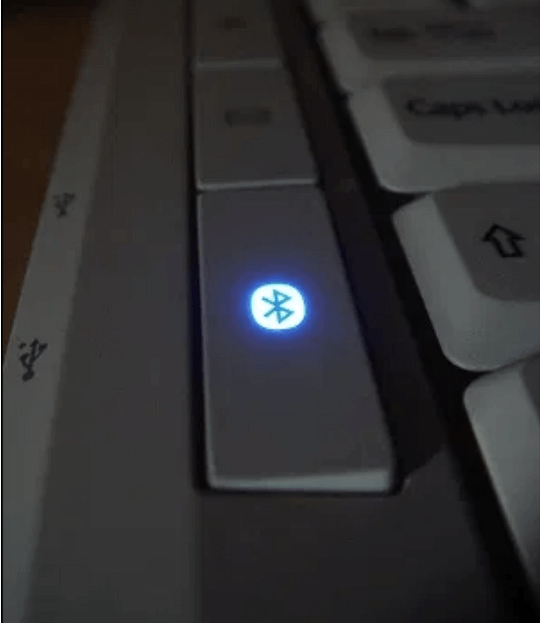
Step 1. To turn Bluetooth on, locate the Bluetooth icon on your keyboard, which is usually represented by a Bluetooth logo or a symbol that looks like a stylized "B". Press this icon to activate Bluetooth on your device.
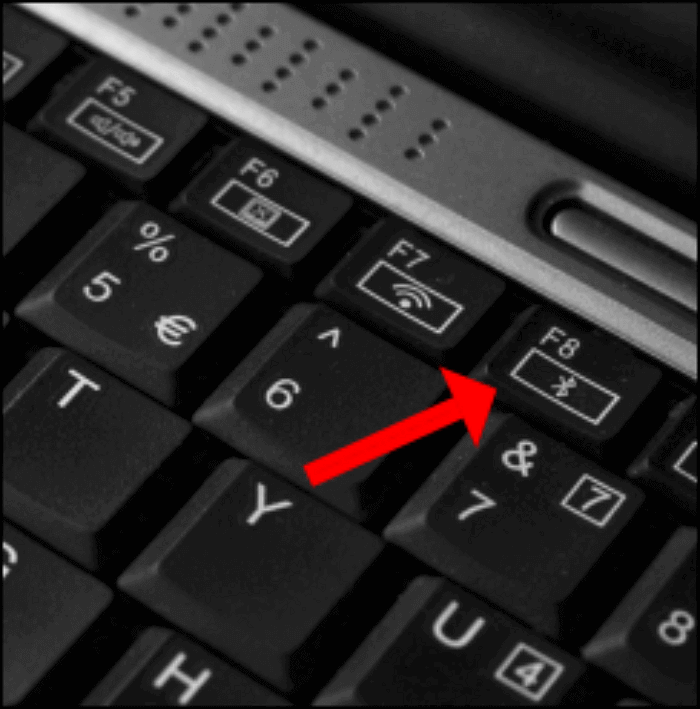
Step 2. If the Bluetooth icon appears among the function keys, press the Function key before the "F8" key.
Option 2. How to turn Bluetooth on Windows 10 through Settings
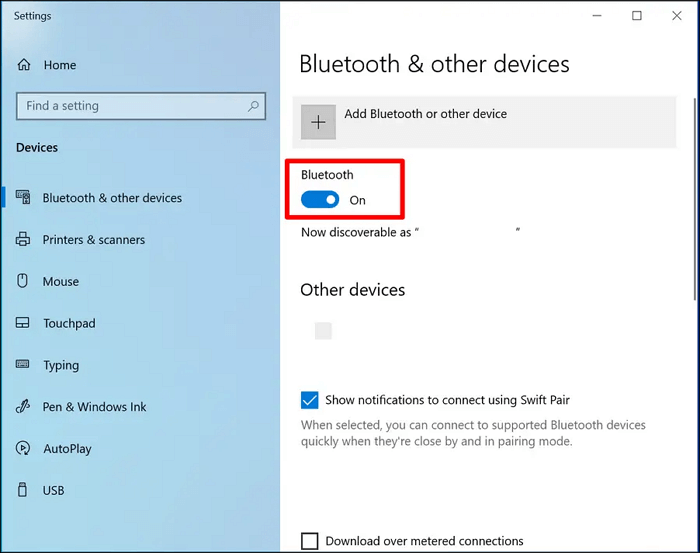
To turn on Bluetooth in Windows 10, go to Settings, then click on Devices, and finally toggle the Bluetooth switch to the "On" position. This will enable Bluetooth on your device.
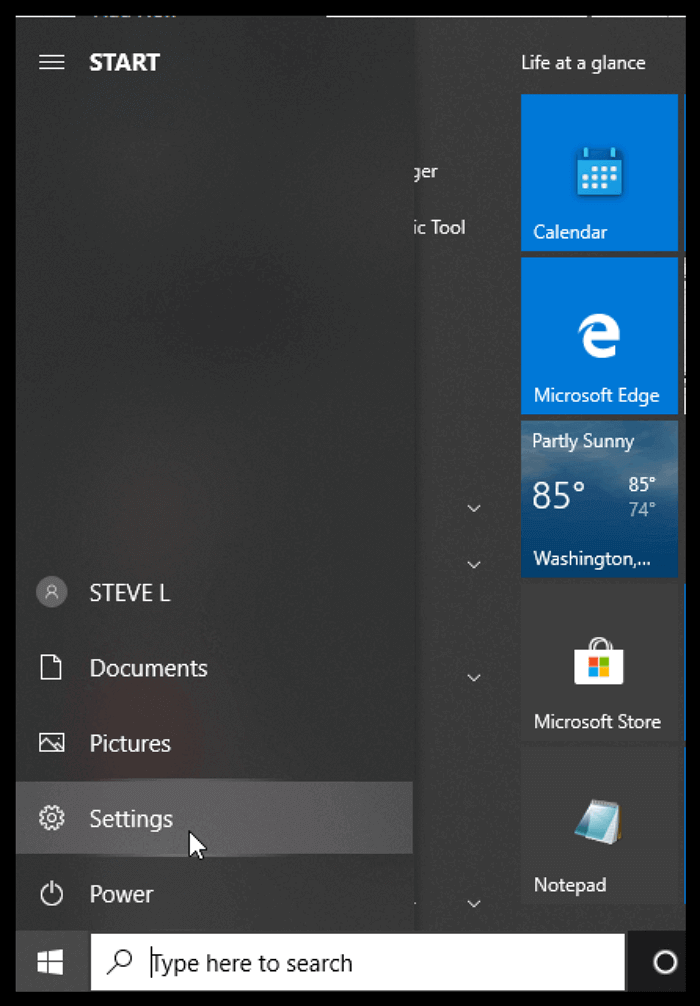
Step 1. Click the Windows Start icon, then select Settings.
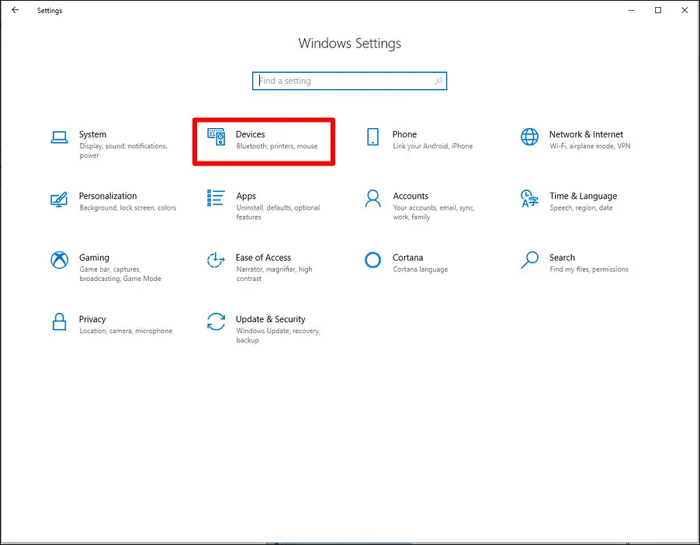
Step 2. In the Settings window, select "Devices."
Step 3. Then click on "Bluetooth & other devices."
Step 4. To activate Bluetooth on Windows 10, toggle on the "Bluetooth" option. This will turn on Bluetooth on your Windows 10 device.
Option 3. How to turn on Bluetooth on Windows 10 using the Action Center
To quickly turn on Bluetooth on Windows 10, go through the Action Center by clicking on the small icon on the bottom right corner of the screen, then click on "All Settings" and navigate to "Devices" and select "Bluetooth & other devices" to toggle it on.
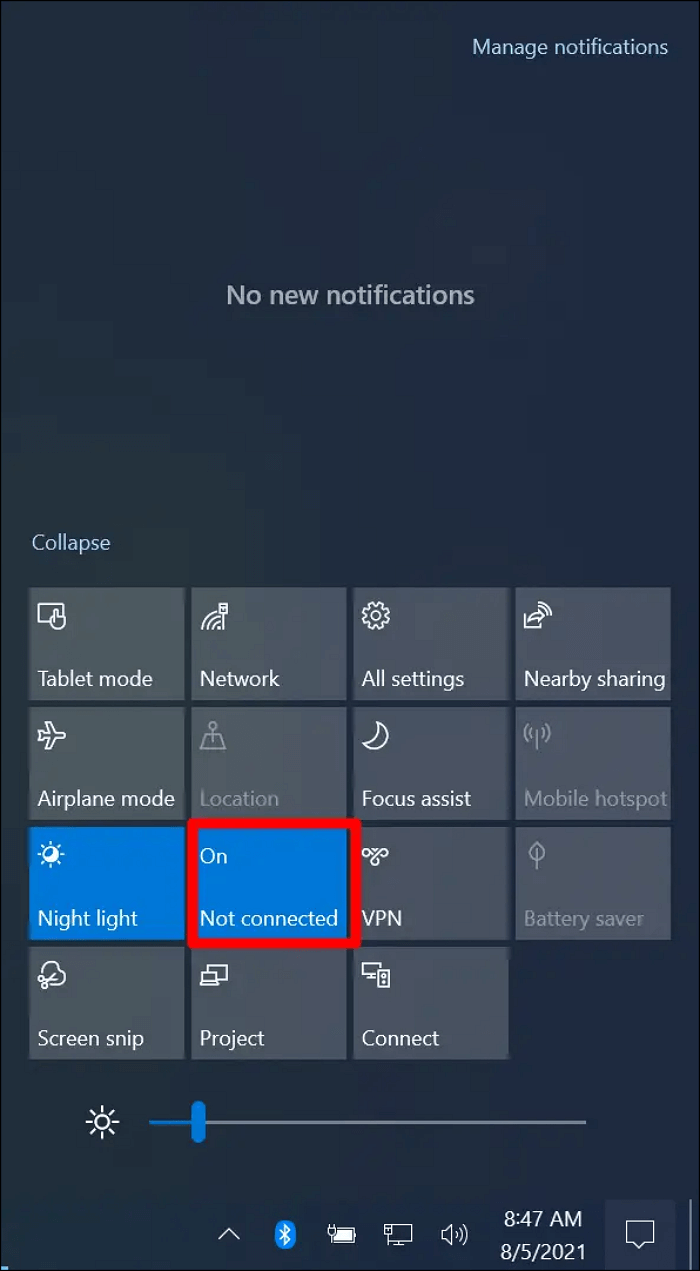
Step 1. To access the Open Action Center, you can click on the speech bubble at the bottom right corner of the screen, beside the clock. This will open the Action Center where you can view and interact with various features and tools.
Step 2. Click Expand if you don't see any action tile.
Step 3. To enable Bluetooth, tap the Bluetooth tile until the background turns blue.
How to Pair a Bluetooth Device on Windows 10
To pair devices via Bluetooth, first ensure that Bluetooth is enabled on both devices. Then, go to your phone's settings, select "Connections" or "Bluetooth," and make your device visible.
Step 1. To enable Bluetooth and make it discoverable on your device, turn it on and follow the specific instructions provided by the device's manufacturer, as the process may vary.
Step 2. Then, click the "Start" button on your computer.
Step 3. Click "Settings" and then "Devices."
Step 4. Click "Bluetooth & other devices."
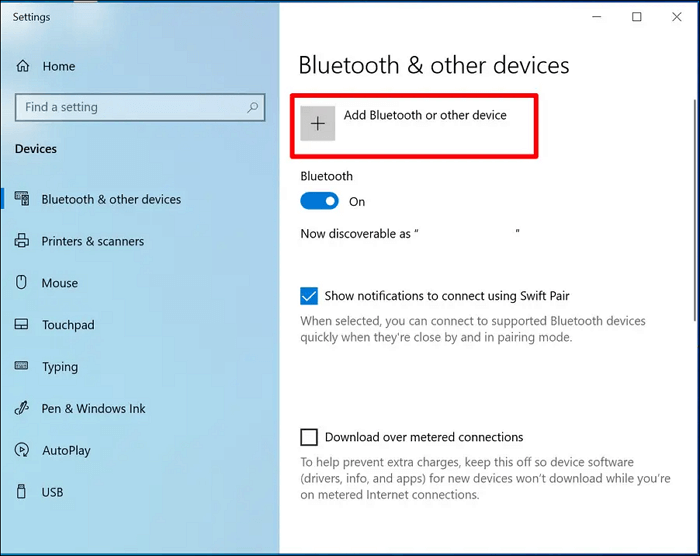
Step 5. Select "Add Bluetooth or other devices."
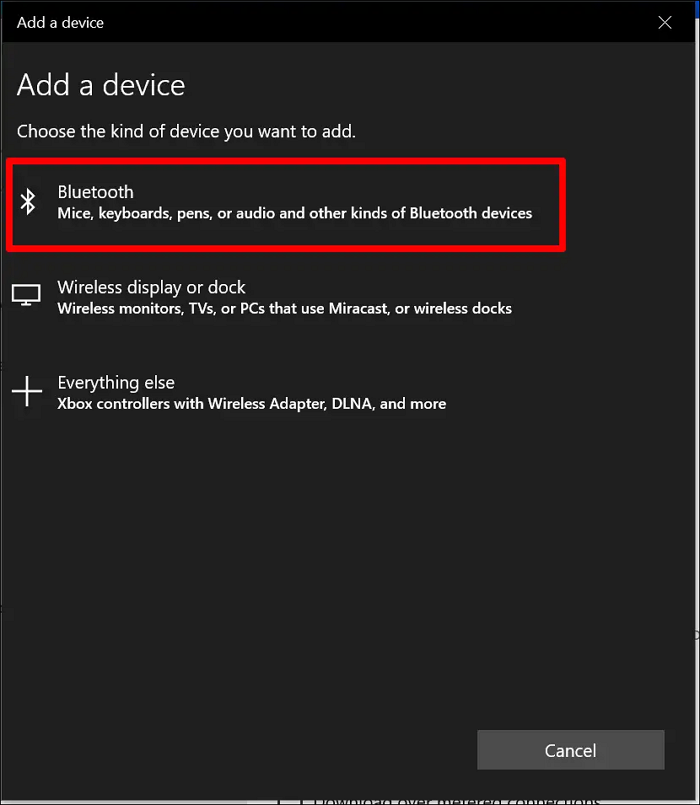
Step 6. Click Bluetooth in the new window that pops up.
Step 7. Choose the device you want to connect with and follow additional instructions on your screen.
Step 8. Click "Done: to complete the pairing.
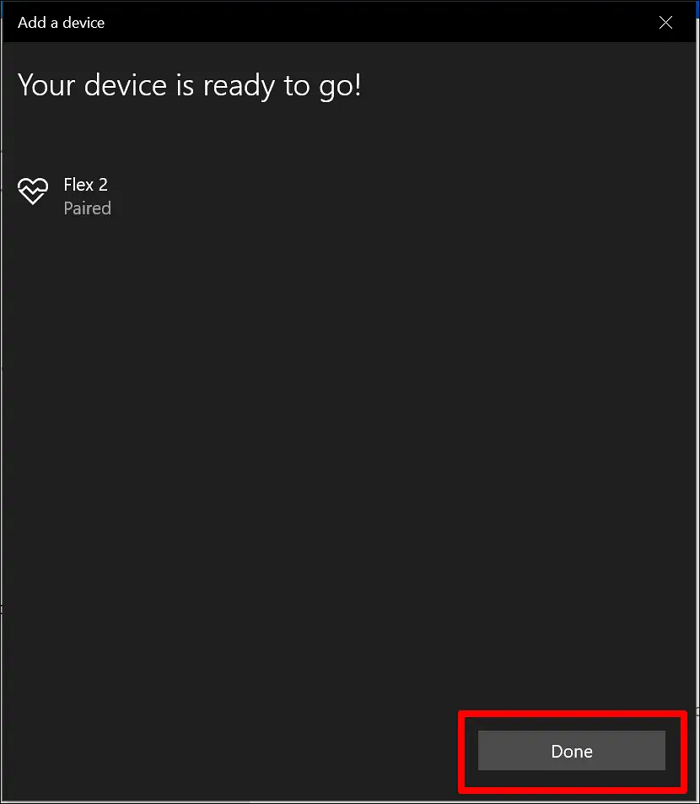
Windows 10 versions like 1803 come with Swift pairing, which automatically connects your device to a Bluetooth device within range, prompting a notification to connect. Simply click connect to pair the devices.
Troubleshooting your Bluetooth Connection
If Bluetooth is not working on your PC, you can troubleshoot the connection by checking the Bluetooth settings, restarting your PC, updating drivers, disabling and re-enabling Bluetooth, resetting the Bluetooth device, and checking for conflicts with other devices or software.
- Toggle Bluetooth on again in Action Center or through Settings.
- Turn off and on Bluetooth in the device you are pairing with.
- Ensure devices are within range.
- Remove and add Bluetooth devices again.
Final Thoughts
Connecting your Windows 10 to another Bluetooth-enabled device is a straightforward process. If you're experiencing issues, you can troubleshoot the problem, and to turn on Bluetooth Windows 10, you have three options: using the Action Center, the Settings app, or the Bluetooth and other devices section in the Control Panel.
Related Articles
- How to Delete Files Older Than X Days on Windows 11/10 with File Explorer, CMD, PowerShell
- How to Recover Unsaved/Lost/Corrupted Adobe Acrobat Files on Windows PC
- How to Change DNS Settings [2022 New]
- How to Cancel Windows 10 Updates Once Started
- Finding the Office Product Key: Top 5 Microsoft Office Product Key Finder
Can't find your Microsoft Office product key? Discover the top 5 product key finders to recover Office, Windows, and Adobe serial numbers quickly and easily. - What Is Microsoft Update Health Tools? Everything You Need to Know
Learn what Microsoft Update Health Tools is, why it matters for Windows updates, and how to install or reinstall it. Complete guide for Windows 10 and Windows 11 users.
Products
Articles & Tutorials
- Data Recovery
- Data Backup
- File Recovery
- File Backup
- System Backup and Restore
- Disk and Partition Clone
- Technical articles
- Mobile articles
- Disk Master Help
- Windows Data Recovery Tutorials
- Windows Secure Delete Tutorials
- Windows Partition Management Tutorials
- Windows File Backup and Restore Tutorials
- Windows System Backup and Restore Tutorials
- Windows Disk Backup and Restore Tutorials
- Windows Clone Tutorials